
If you’ve ever struggled to loosen a stubborn 2-inch pipe, you’re not alone. I remember the first time I tried to fix an old water line in my basement. I grabbed the nearest wrench, thinking, “A wrench is a wrench, right?” Well, that mistake cost me a sore hand, a busted knuckle, and a pipe that still didn’t budge. Over the years, I’ve learned a lot about the right tools for the job—especially the importance of choosing the right pipe wrench size. Let me share everything I’ve learned so you don’t have to repeat my mistakes.
Why Pipe Wrench Size Matters
At first, I thought any big wrench would work for a 2-inch pipe. But I quickly learned that wrench size and pipe size go hand in hand. A pipe wrench that’s too small just slips and damages the pipe’s surface. One that’s too big is heavy, hard to control, and can even crack old pipes. The secret is in the fit—the right wrench wraps snugly around the pipe, giving you full leverage without risking damage.
One day, I tried using a small 12-inch wrench on a 2-inch pipe. I ended up rounding off the pipe edges. Not only did I waste time, but I also made the next job much harder. That’s when I started digging into the specs and sizing charts.
The Right Size Pipe Wrench For 2-inch Pipe
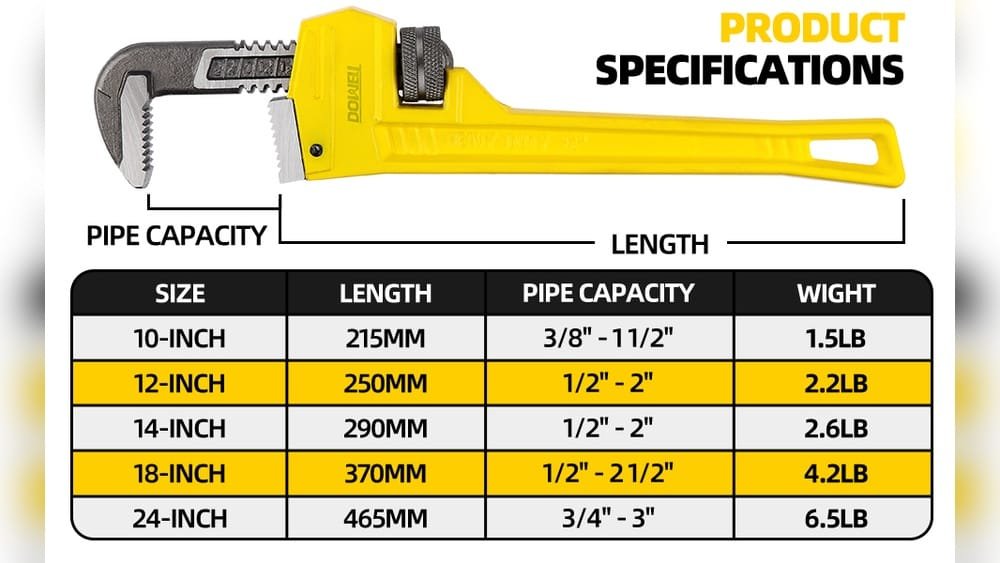
So, what size pipe wrench do you need for a 2-inch pipe? The answer is simple: an 18-inch pipe wrench is usually ideal for 2-inch pipes. This size offers enough leverage to loosen stubborn fittings but isn’t too heavy to handle comfortably.
Let me show you why this size works so well. A wrench’s length gives you leverage. The wider the pipe, the more force you need to turn it. But you don’t want a wrench so long that it’s awkward in tight spaces.
Most 2-inch pipes are part of home plumbing or light commercial work, so an 18-inch wrench strikes the right balance.
Here’s a quick comparison of common pipe wrench sizes and their recommended pipe ranges:
| Wrench Size | Recommended Pipe Size | Best Use Case |
|---|---|---|
| 10-inch | Up to 1 inch | Small fittings, sink pipes |
| 14-inch | Up to 1.5 inches | Medium home pipes |
| 18-inch | Up to 2 inches | Standard for 2-inch pipes |
| 24-inch | Up to 2.5 inches | Larger pipes, commercial |
| 36-inch | 3 inches and above | Heavy-duty, industrial |
From my own work, I find the 18-inch wrench just right for most 2-inch pipes. It’s easy to grip, not too heavy, and provides the torque needed.
How To Choose The Best Pipe Wrench For 2-inch Pipe
After my first few mistakes, I realized that not all pipe wrenches are equal. Here’s what I now look for:
1. Jaw Capacity
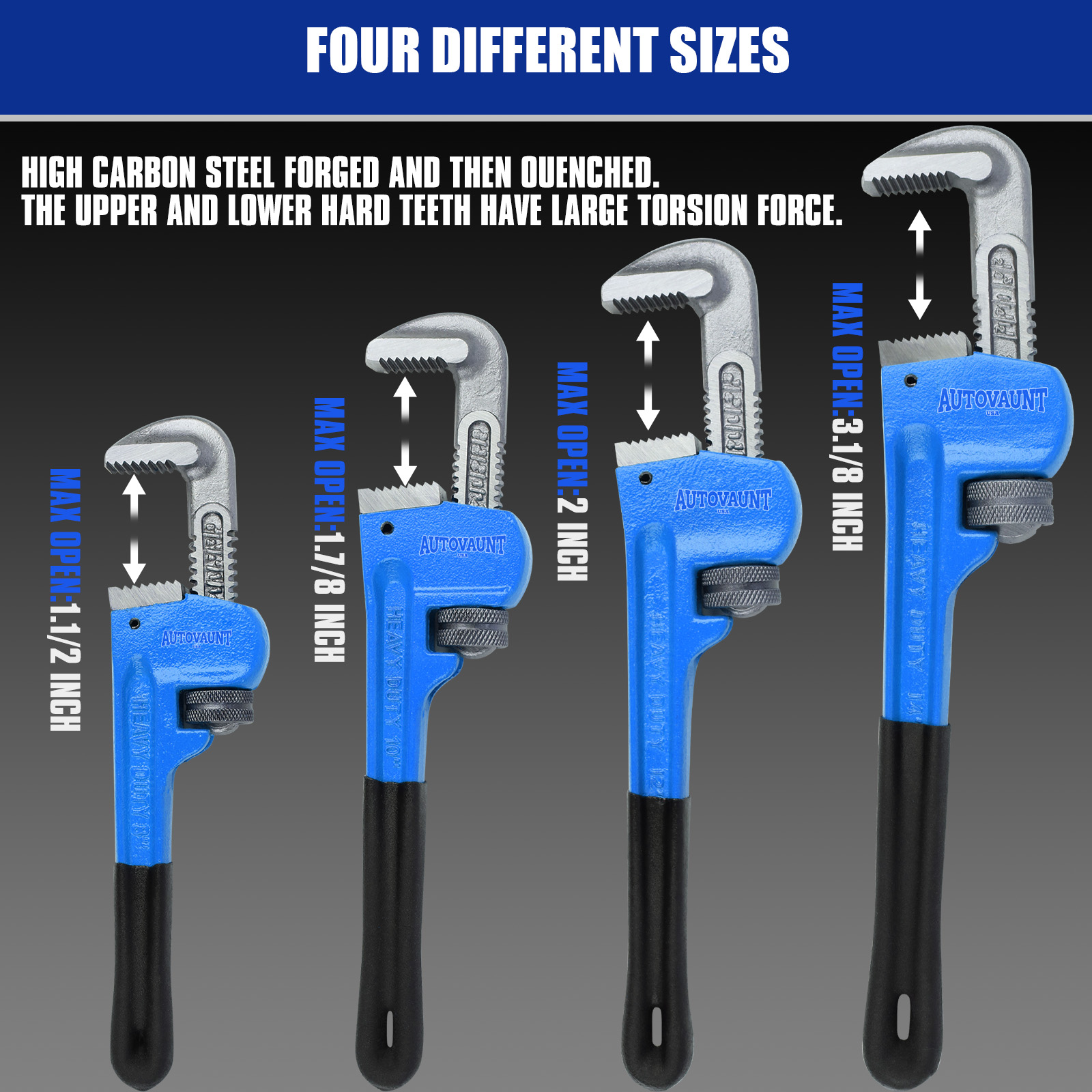
Even though a wrench is labeled “18-inch,” you need to check its jaw capacity. For a 2-inch pipe, you want a jaw that opens at least 2.5 inches. Some brands run smaller, so always check this detail.
2. Handle Length And Material
Longer handles give more leverage, but they can be heavy. I prefer a steel handle for strength, but some aluminum models are lighter and easier to use overhead.
3. Quality Of Teeth
Sharp, well-machined teeth bite into the pipe and don’t slip. I once used a cheap wrench with dull teeth, and it just spun uselessly. Spend a little more for quality—it’s worth it.
4. Comfort And Grip
Look for a handle with a non-slip grip. When you’re sweating in a crawl space, it makes a difference. I’ve dropped wrenches before because the handle was too smooth.
5. Brand Reliability
Some brands are just better. I’ve had good luck with RIDGID and Bahco. They last longer and keep their grip.
Here’s a side-by-side comparison of two popular 18-inch wrenches I’ve used:
| Brand | Material | Weight | Jaw Capacity | My Experience |
|---|---|---|---|---|
| RIDGID 31095 | Steel | 4.5 lbs | 2.5 inches | Very durable, strong grip |
| Bahco 361-18 | Aluminum | 3.3 lbs | 2.5 inches | Lighter, easier for overhead work |
How To Use A Pipe Wrench Correctly On 2-inch Pipe
I used to think using a pipe wrench was just “grab and turn. ” But I quickly learned there’s a right way to do it—especially for bigger pipes.
- Open the Jaw Wide: Make sure the jaws fit around the pipe, but not too loose. I open mine just enough to slip over, then tighten until it grips snugly.
- Position the Wrench Right: The hook jaw (the moving part) should always be on top, with the force coming downward. This way, when you pull, the teeth bite deeper.
- Check for Slipping: If it slips, stop! Readjust the wrench. Don’t keep pulling or you’ll round off the pipe.
- Use Two Hands: For 2-inch pipes, I use both hands—one on the handle, one near the head for control.
- Pull, Don’t Push: Always pull the wrench towards you, not away. This is safer and gives more control.
One trick I learned: wrap a cloth around old, delicate pipes before using the wrench. This can help protect the surface but still allows enough grip.
Common Mistakes To Avoid
I’ve made most of these mistakes myself, so learn from me:
- Using a wrench that’s too small. It slips and damages the pipe.
- Over-tightening the jaws. This can crush thin pipes or strip threads.
- Pulling with all your strength right away. Start slow and steady.
- Using a worn-out wrench. Dull teeth are dangerous.
- Forgetting to check the pipe’s material. Some pipes, like old cast iron, crack easily with too much force.
When A Bigger Or Smaller Wrench Might Be Better
There are times when an 18-inch wrench isn’t the best choice. If you’re working in a tight space, a 14-inch wrench might fit better. But you’ll need more strength to turn the pipe. On the other hand, if the pipe is stuck or rusted, a 24-inch wrench will give you more leverage—but be careful not to damage the pipe or fittings.
I once tried to use a 24-inch wrench on a rusty 2-inch pipe. The extra force was great, but I almost snapped the fitting. Now, I use penetrating oil and gentle pressure first, then move up in size only if needed.
Pipe Material Matters
Not all 2-inch pipes are the same. If you’re working with galvanized steel, you can use more force. But for PVC or copper, too much pressure can crush or deform the pipe. Always match your wrench technique to the pipe material.
Here’s a chart based on my experience:
| Pipe Material | Wrench Size | Force Needed | Special Tips |
|---|---|---|---|
| Galvanized Steel | 18-inch | High | Use full leverage |
| PVC | 14-inch | Low | Use gentle pressure, avoid crushing |
| Copper | 18-inch | Medium | Use padding to prevent dents |
Extra Tips For Tough Jobs
Sometimes, a 2-inch pipe just won’t budge. Here’s what I do:
- Apply penetrating oil: Let it soak for 10-15 minutes.
- Tap the fitting lightly with a hammer: This can break rust seals.
- Heat the joint with a heat gun: Expands the metal, making it easier to turn.
- Use a cheater bar: Slip a pipe over the wrench handle for more leverage—but be careful, too much force can break things.
These tricks have saved me many hours of sweat and frustration.
How To Maintain Your Pipe Wrench
A good pipe wrench can last a lifetime if you take care of it. I always:
- Clean the teeth after each use.
- Oil the moving parts.
- Store it in a dry place to prevent rust.
- Replace worn jaws as soon as they start to slip.
A neglected wrench is a dangerous one. Once, I ignored a rusty wrench and the jaw broke under pressure—nearly smashing my hand.
Can Adjustable Wrenches Work For 2-inch Pipes?
I get this question a lot. Yes, an adjustable wrench can fit a 2-inch pipe, but it won’t grip as securely as a true pipe wrench. Adjustable wrenches are best for nuts and bolts, not round pipes. I only use them when nothing else is available.
Where To Buy Quality Pipe Wrenches
Most hardware stores carry the big brands, but I’ve found the best deals online. Look for trusted names and always check user reviews. For more detailed specs, I often visit the manufacturer’s website or reliable sources like Wikipedia.
Frequently Asked Questions
What Size Pipe Wrench Do I Need For A 2-inch Pipe?
You need an 18-inch pipe wrench for most 2-inch pipes. This size gives you enough leverage without being too heavy or awkward.
Can I Use A 14-inch Wrench For A 2-inch Pipe?
You can, but it will be much harder to get enough force. The wrench may also slip if the pipe is tight or rusted. I only use a 14-inch wrench if space is very limited.
Is A 24-inch Pipe Wrench Too Big For A 2-inch Pipe?
A 24-inch wrench gives more leverage, but it’s heavier and can be hard to control. It’s best for very stubborn or rusted pipes, but be careful not to damage fittings.
How Do I Prevent Pipe Damage When Using A Wrench?
Don’t overtighten the jaws, use padding on soft pipes, and always check that the wrench teeth are sharp and clean. Work slowly and stop if you feel the pipe starting to crush or deform.
What’s The Difference Between A Steel And Aluminum Pipe Wrench?
Steel wrenches are stronger and last longer, but they’re heavier. Aluminum wrenches are lighter and easier to use overhead or in tight spaces, but they cost more.
—
Choosing the right pipe wrench size for a 2-inch pipe doesn’t have to be confusing. After years of trial and error, I always reach for my 18-inch wrench first. It fits well, gives me the right amount of leverage, and keeps my hands safe. Remember, using the right tool is half the battle. With the right wrench, even the toughest 2-inch pipes become manageable. Happy plumbing!

As an Amazon Associate, We earn from qualifying purchases