
If you’ve ever tried fixing a leaky pipe or installing a new showerhead, you’ve probably heard about Teflon tape. I remember the first time I faced a dripping kitchen faucet. I thought, “How hard can this be?” But after tightening the connections again and again, the leak wouldn’t stop. That’s when a friend handed me a small white roll—Teflon tape. My first reaction was, “What is this magic stuff?” That day, I learned not just how to use Teflon tape, but also why it’s a must-have for anyone who wants dry, drip-free pipe connections.
Let me take you through everything I’ve learned about using Teflon tape on pipe threads. I’ll share my own mistakes, some practical tips, and what I wish someone had told me before I started. Whether you’re a beginner or just want a refresher, you’ll leave with the confidence to use Teflon tape like a pro.
What Is Teflon Tape And Why Use It?
Teflon tape, also called PTFE tape or plumber’s tape, is a thin, white tape made from polytetrafluoroethylene (PTFE). It’s designed for wrapping around the threads of pipes and fittings. The main job of this tape is to seal the tiny gaps between threads, stopping leaks.
When I first used Teflon tape, I didn’t realize how many small leaks happen because of uneven threads. Even new pipes can have tiny spaces where water or gas can escape. Teflon tape fills in those spaces. It also makes it easier to screw fittings together and take them apart later.
I always keep a roll in my toolbox now. It’s cheap, light, and can save you from lots of headaches.
Types Of Teflon Tape And Where To Use Them
Not all Teflon tape is the same. Over the years, I’ve noticed there are several types, and using the right one matters.
| Type of Teflon Tape | Color | Common Use |
|---|---|---|
| Standard PTFE Tape | White | Water pipes (home use) |
| Gas Line Tape | Yellow | Natural gas, propane |
| Heavy-Duty Tape | Pink | High-pressure water lines |
| Stainless Steel Tape | Gray | Stainless steel pipe threads |
I once used the standard white tape on a gas line because I didn’t know better. It held for a while, but then I noticed a faint smell. I learned that yellow tape is thicker and made for gases. So, always check the color and the label before starting your project.
Tools And Materials You’ll Need
You don’t need much to use Teflon tape. Here’s what I keep handy:
- Teflon tape (choose the right type for your job)
- A clean rag (to wipe threads)
- Pipe wrench or adjustable wrench
- Scissors (optional, for a neat finish)
- Good lighting (it’s easy to miss a spot in the dark)
Sometimes, people use pipe dope or thread sealant paste instead. I’ve tried both, but Teflon tape is less messy and works for almost all home jobs.
Step-by-step Guide: How To Use Teflon Tape On Pipe Threads
Let’s get into the steps. I’ll add tips and mistakes I’ve made, so you don’t have to learn the hard way.
1. Clean The Threads
First, make sure the pipe threads are clean and dry. I’ve tried wrapping tape over dirty or oily threads, and it just doesn’t stick well. Use a rag to wipe away dirt, oil, or old tape. If there’s stuck tape or paste, a small brush or your fingernail helps.
2. Start Wrapping At The End
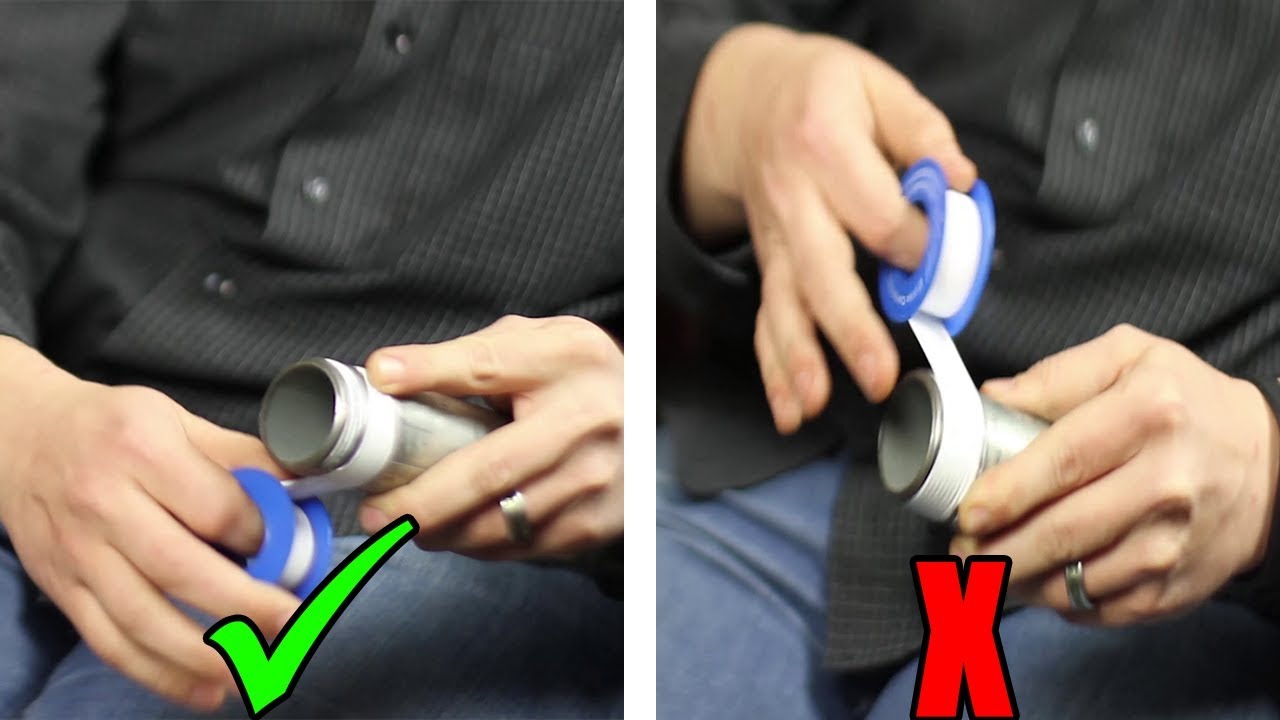
Hold the male (outside) threads in one hand. Place the end of the Teflon tape at the base of the threads, near the pipe opening, but not so close that it hangs over the end. If tape gets inside the pipe, it can clog small holes later.
3. Wrap Clockwise
This is where I messed up my first few times. Always wrap the tape in the same direction you’ll screw the fitting on. For most pipes, that’s clockwise. If you wrap the wrong way, the tape will bunch up or peel off when you screw the pieces together.
4. Overlap And Tension
Pull the tape tight, but not so hard that it tears. Overlap each wrap by about half the tape’s width. For standard home plumbing, I use about 2 to 4 layers. More isn’t always better—too much tape can make it hard to screw the connection tight.
5. Tear And Press
When you reach the end of the threads (usually after 2-4 wraps), tear the tape cleanly. Press the end of the tape against the threads with your finger. This keeps it from unraveling.
6. Assemble The Fitting
Screw the fitting onto the taped threads by hand first, then use a wrench to finish tightening. Don’t over-tighten. I’ve cracked fittings before by trying to go “one more turn. ” The tape should make it snug and leak-free.
Common Mistakes And How To Avoid Them
I’ve made almost every mistake you can with Teflon tape. Here are the most common ones I see (and have done myself):
- Using the wrong tape: Remember, white for water, yellow for gas, pink for heavy-duty.
- Wrapping the wrong direction: Always wrap in the direction you’ll screw the fitting.
- Too much tape: More than 4 wraps usually isn’t better. It can even cause leaks.
- Tape over the pipe end: If tape hangs over, it can get into the system and clog things.
- Skipping cleaning: Old tape or dirt makes the seal weak.
If you avoid these, you’ll save yourself a lot of frustration.
Where Teflon Tape Works Best (and When Not To Use It)
After using Teflon tape on dozens of jobs, I’ve noticed it works best on threaded pipe connections. This includes:
- Shower arms and heads
- Water supply lines
- Air compressor fittings
- Some gas lines (with yellow tape)
But, Teflon tape is not for everything. Don’t use it on:
- Compression fittings (they seal with a ring, not threads)
- Flare fittings (common with copper gas lines)
- Plastic fittings that need a specific torque (too much tape can crack them)
If you’re unsure, check the fitting instructions or ask a pro.

Teflon Tape Vs. Pipe Dope
I’ve been asked, “Should I use Teflon tape or pipe dope? ” Here’s what I’ve found after years of home repairs.
| Sealant Type | Pros | Cons |
|---|---|---|
| Teflon Tape | Easy, clean, fast, works on most pipes | Can bunch up if not applied right |
| Pipe Dope | Good for larger pipes, can fill big gaps | Messy, slow to cure, harder to remove |
I use Teflon tape for almost all home jobs. For big, old metal pipes, sometimes pipe dope is better. But for most folks, tape is enough.
How Much Teflon Tape Should You Use?
This is a question I get from friends a lot. My rule:
- 2 wraps for small water pipes (like 1/4″ or 3/8″)
- 3 wraps for medium pipes (1/2″ to 3/4″)
- 4 wraps for large or high-pressure pipes
Don’t go overboard. If the fitting is hard to screw on, you’ve probably used too much.

Removing Old Teflon Tape
If you ever need to re-do a connection, take off the old tape first. I use my fingernail or a small brush. Don’t just add new tape on top of old. That can make leaks worse.
Real-world Example: Fixing A Leaky Outdoor Faucet
Let me share a quick story. My garden hose connection leaked no matter how tight I turned it. I took it apart, cleaned the threads, and wrapped three layers of standard white Teflon tape, wrapping clockwise. After putting it back together, I turned the water on—no more leak! That simple fix lasted for years.
It’s a small job, but it shows how Teflon tape can make a big difference.
Safety Tips When Using Teflon Tape
- Store tape rolls away from heat and sunlight.
- Don’t inhale pieces of tape or let them get into food or drink.
- For gas lines, always test for leaks with soapy water or a gas leak detector after finishing.
I once forgot to test a new gas line connection. When I finally checked, I found a slow leak. It’s a small step that can save your home and health.
Advanced Tips Most People Miss
Here are two things I learned only after years of plumbing repairs:
- Double Tape for Worn Threads: If the threads look damaged or loose, use a double layer of tape. Wrap once, press it into the grooves, then wrap again. This fills gaps and gives a better seal.
- Colored Tape for Quick Checks: I use yellow tape on all gas lines, even if it’s not required, so I can spot gas lines at a glance. It’s a small trick that keeps things organized.
Is Teflon Tape Reusable?
This is a common question. No, Teflon tape is not reusable. Once you take the fitting apart, the tape loses its grip and sealing power. Always use fresh tape for each new connection.
Environmental Impact And Disposal
Teflon tape is plastic. Don’t flush it or drop pieces down drains. Wrap used tape in paper and throw it in the trash. If you want to learn more about PTFE and recycling, check the Wikipedia page on PTFE.
Frequently Asked Questions
How Do I Know If I Wrapped Teflon Tape Correctly?
If the tape covers all the threads (except the first one or two) and doesn’t hang over the pipe end, you’ve done it right. The fitting should screw on smoothly, and you shouldn’t see tape bunching up.
Can I Use Teflon Tape On Plastic Pipe Threads?
Yes, but be careful. Use fewer wraps (usually two) and don’t over-tighten. Too much tape or force can crack plastic fittings.
What Happens If I Use Too Much Teflon Tape?
If you use too much, it can make the fitting hard to screw on. It may also squeeze tape into the pipe, causing blockages or leaks. Less is often more.
Is Teflon Tape Safe For Drinking Water Pipes?
Yes. Standard white Teflon tape is safe for water lines. Just make sure it’s labeled for potable (drinking) water.
Can I Use Teflon Tape And Pipe Dope Together?
You can, but most home jobs don’t need both. Professionals sometimes use both for extra-large or high-pressure pipes. For most repairs, just tape is enough.
If you’ve read this far, you now know everything I wish I had known about using Teflon tape on pipe threads. The next time you see a leaky fitting or need to install a new fixture, you’ll be ready. Just remember: clean the threads, wrap the tape right, use the right amount, and always check for leaks. You’ll save time, money, and maybe even your sanity. Happy fixing!
As an Amazon Associate, We earn from qualifying purchases