
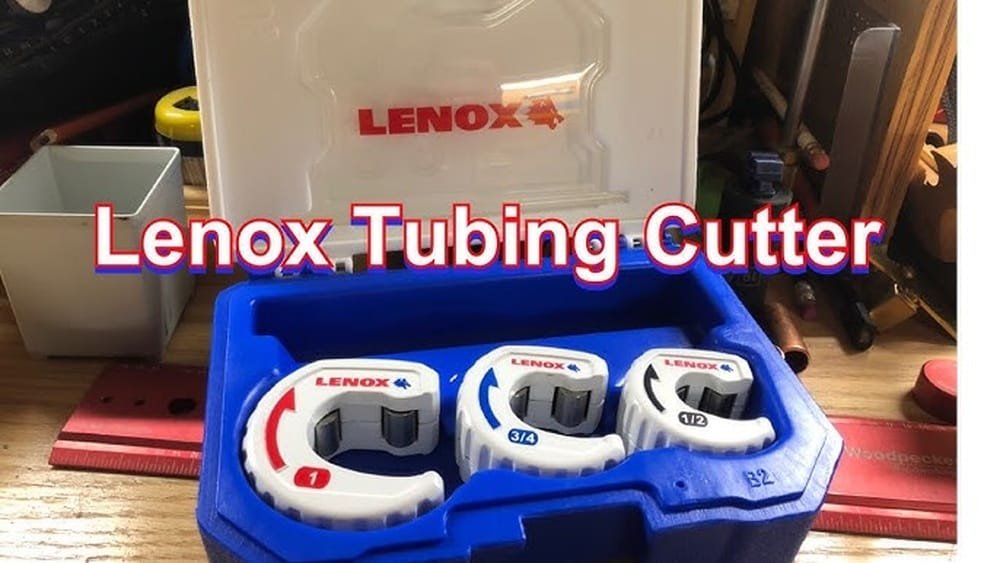
Using a Lenox pipe cutter for the first time felt a bit scary. I remember holding the tool and thinking, “Will I ruin the pipe? Am I going to hurt myself? ” But after a few tries, I realized it’s much easier and safer than I thought.
Over the years, I’ve used Lenox pipe cutters for plumbing, home repairs, and even some creative projects. So, if you’re new to pipe cutting, or just want to get better, let me walk you through everything I’ve learned. I’ll share my mistakes, my best tips, and exactly how to use a Lenox pipe cutter so you can avoid the problems I faced.
What Is A Lenox Pipe Cutter?
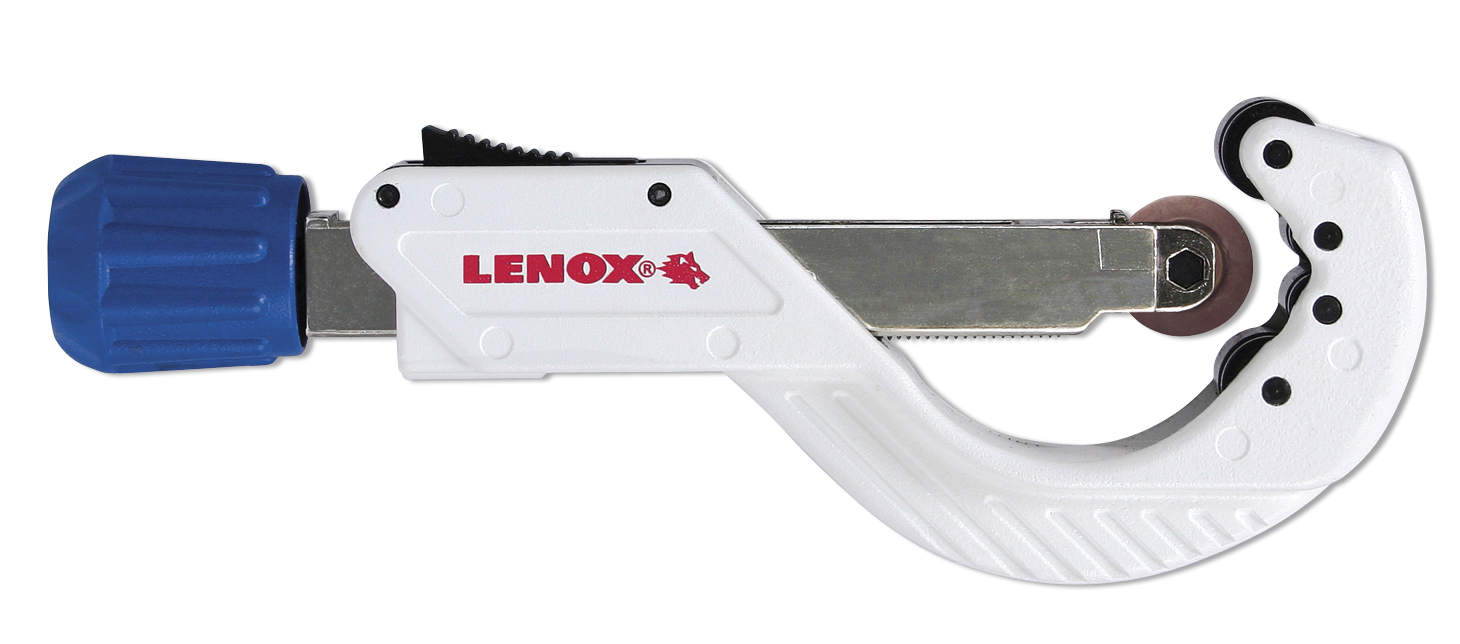
Let’s start with the basics. A Lenox pipe cutter is a hand tool made for cutting pipes. It works best on copper, aluminum, PVC, and some steel pipes. The design is simple: it has a sharp cutting wheel, a handle, and a knob you twist to tighten the tool around the pipe. When you rotate the tool, the wheel digs into the pipe, making a clean cut.
I chose Lenox because their cutters feel strong and last a long time. The wheel stays sharp, and the handle doesn’t slip, even if my hands are wet. It’s not too heavy, so it’s easy to hold for a long time.
If you want a smooth, professional cut, Lenox is a good choice.
Why Use A Pipe Cutter Instead Of A Saw?
At first, I used hacksaws to cut pipes. It was messy and tiring. The cuts were rough, and sometimes I damaged the pipe. When I switched to a Lenox pipe cutter, I noticed three big advantages:
- Clean cuts: The cutter leaves no jagged edges. The pipe ends are smooth.
- No metal shavings: With a saw, bits of metal or plastic get everywhere. The cutter keeps things tidy.
- Less effort: You just rotate the cutter, tighten the knob, and let the tool do the work.
If you care about neat work and saving time, a pipe cutter is the way to go.
Choosing The Right Lenox Pipe Cutter
There are a few types of Lenox pipe cutters. I learned that picking the right one matters a lot.
| Model | Pipe Size Range | Material | Use Case |
|---|---|---|---|
| Lenox Mini | 1/8″ – 5/8″ | Copper, Aluminum | Tight spaces |
| Lenox Standard | 1/4″ – 2″ | Copper, PVC | General purpose |
| Lenox Heavy Duty | 1/2″ – 2″ | Steel, Large pipes | Heavy work |
For most home jobs, the Lenox Standard cutter works best. If you’re working under sinks or behind walls, the Lenox Mini is easier to fit in small spaces. For big, thick pipes, I grab the Heavy Duty model.
I learned the hard way: using a cutter that’s too small can crack the pipe or make the cut uneven. Always check the size range before you start.
Getting Ready: Safety And Preparation
Before cutting, I always check a few things:
- Make sure the pipe is clean. Dirt can dull the cutting wheel.
- Wear safety glasses. Tiny bits can fly off, even with a pipe cutter.
- Clamp the pipe if possible. If the pipe moves, the cut won’t be straight.
- Check the cutter wheel. If it looks dull or rusty, change it.
One thing beginners miss: wiping the pipe dry. If the pipe is wet, your hands can slip. I keep a rag nearby for this.

Step-by-step: How To Use A Lenox Pipe Cutter
I’ll walk you through my process. I’ve made mistakes, so I’ll share what works and what doesn’t.
1. Mark Your Cut
I use a permanent marker or pencil. Draw a clear line where you want the cut. Don’t just guess. If you cut in the wrong spot, you might waste a whole section of pipe.
2. Open The Cutter
Turn the knob to open the jaws wide enough for your pipe. Don’t force the pipe in. If the cutter is too tight, it can scratch or dent the pipe.
3. Place The Cutter On The Pipe
Line up the cutting wheel exactly on your mark. This is important for a straight cut. Hold the handle firmly.
4. Tighten The Knob
Turn the knob until the wheel touches the pipe. Don’t over-tighten. The wheel should press lightly, not dig in.
5. Rotate The Cutter
Turn the cutter around the pipe. I usually do one full rotation. Then I tighten the knob just a little. Repeat: rotate, tighten, rotate, tighten.
It takes about 6–8 rotations for most copper pipes. PVC is softer, so usually 4–5 rotations are enough.
6. Check The Progress
After each rotation, look at the cut. If the wheel seems stuck or the cut isn’t straight, loosen the knob a bit.
A mistake I made once: tightening too much, too fast. The wheel got stuck and bent the pipe. Take your time.
7. Finish The Cut
When the pipe snaps off, check the end. Sometimes there’s a tiny burr (a sharp edge). Use a deburring tool or the built-in reamer on the cutter to smooth it.
8. Clean Up
Wipe the pipe, check for sharp bits, and clean your cutter. If you leave metal shavings, they can cause leaks later.
Common Problems And How I Solved Them
I’ve run into a few issues. Here’s what you might face and how to fix them.
Pipe Crushed Instead Of Cut
This happens if you tighten the cutter too much. The wheel presses so hard that it crushes the pipe. Always start with gentle pressure.
Uneven Cuts
If the cutter isn’t square with the pipe, the cut will be slanted. I use a level or just eyeball it. After a few tries, you’ll get the feel.
Cutter Wheel Gets Stuck
Sometimes, old pipes have tough spots. If the wheel won’t move, loosen the knob, rotate gently, then tighten again. Never force it.
Burrs Or Sharp Edges
After cutting, run a deburring tool around the pipe. If you skip this, the pipe can scratch other fittings or cause leaks.
Practical Tips I Wish I Knew Earlier
- Lubricate the wheel: A drop of oil makes cutting smoother, especially on steel pipes.
- Practice on scrap: Before cutting your real pipe, try on an old piece. It helps you get the pressure right.
- Don’t rush: The best cuts come from slow, steady turns.
- Replace the wheel: If the cutter starts skipping or dragging, change the wheel. Lenox sells replacements.
- Keep the tool clean: After each job, wipe the cutter. Dirt can build up and dull the wheel.
A non-obvious tip: If you’re cutting near a wall, wrap tape around the pipe. This protects the wall from scratches and makes marking easier.
Comparing Lenox Pipe Cutters To Other Brands
I’ve used other pipe cutters, but Lenox stands out. Here’s a quick comparison:
| Brand | Durability | Ease of Use | Price Range |
|---|---|---|---|
| Lenox | High | Easy | $15-$40 |
| Ridgid | High | Medium | $20-$50 |
| Milwaukee | Medium | Easy | $18-$35 |
| Generic | Low | Hard | $10-$20 |
Lenox tools cost a bit more, but I think they’re worth it. I’ve had my main cutter for five years, and it still works like new.
When To Use Each Lenox Cutter
Sometimes, I need to decide which Lenox cutter fits the job. Here’s how I choose:
- For tight spaces: Lenox Mini. It fits behind toilets, under sinks, or inside cabinets.
- For long straight runs: Lenox Standard. It’s fast and steady for regular pipes.
- For large or tough pipes: Heavy Duty. Especially for steel or thick PVC.
A mistake I made: trying to use a standard cutter in a cramped spot. It kept slipping. Using a mini cutter would have saved me a lot of trouble.
Maintenance: Keeping Your Cutter Sharp
A well-maintained tool lasts longer and cuts better. Here’s what I do:
- Clean after each use. Wipe off water, dirt, and metal bits.
- Store in a dry place. Moisture can rust the wheel.
- Oil the moving parts monthly.
- Replace the cutting wheel every few years, or sooner if you notice dull cuts.
I learned that a dull wheel makes cutting harder and can damage pipes. It’s better to spend a few dollars on a new wheel than ruin a pipe.
Real-life Example: Fixing A Leaky Pipe
Last summer, I had to fix a copper pipe under my kitchen sink. The space was tight, and the pipe was close to the wall. I used the Lenox Mini cutter. First, I marked the spot, wiped the pipe dry, and opened the cutter just wide enough.
As I rotated the cutter, I realized I needed to go slowly. If I rushed, the wheel would jump off the mark. After 8 turns, the pipe snapped cleanly. I used the built-in reamer to smooth the edge. Then, I slipped on a new fitting, and the leak was gone.
This showed me how important the right tool is. If I had used a saw, I would have made a mess and maybe broken the pipe.
Advanced Tricks: Cutting Pipes In Awkward Places
Sometimes, pipes are in hard-to-reach spots. Here’s what I do:
- Use a flashlight to see better.
- Wrap tape around the pipe to mark the cut.
- If the cutter won’t fit, try the Lenox Mini or bend the pipe gently (if it’s soft copper).
- Cut in small turns. Even a quarter turn at a time works.
One time, I had to cut a pipe above my head, in a dark crawlspace. I taped the cutter to the pipe so it wouldn’t slip. It took longer, but I got a perfect cut.
Mistakes Beginners Make
I’ve seen friends make these mistakes:
- Cutting too fast: Leads to uneven edges.
- Not marking the pipe: Results in crooked cuts.
- Forgetting safety glasses: Eye injuries can happen.
- Using the wrong size cutter: Can damage the tool or pipe.
- Skipping deburring: Causes leaks and fitting problems.
If you avoid these, your work will look more professional.
Best Practices For Long-term Success
Here’s what works for me:
- Always mark your cut.
- Rotate, tighten, repeat—never force the cutter.
- Clean and maintain your tool.
- Use the right cutter for the job.
- Practice on scrap pipes.
If you follow these, you’ll get clean, smooth cuts every time.
Where To Learn More
If you want deeper info, I suggest checking out guides from the manufacturer. The official Lenox site has videos and manuals. For more tips, plumbing forums and YouTube channels are helpful. Here’s a good resource: Lenox How-To Guides.
Frequently Asked Questions
How Do I Know If My Lenox Pipe Cutter Is Dull?
If the wheel skips, drags, or leaves rough cuts, it’s probably dull. Replace the wheel for best results.
Can I Use A Lenox Pipe Cutter On Steel Pipes?
Yes, but use the Heavy Duty model. Add oil to the wheel and go slowly. Steel is tougher than copper or PVC.
What’s The Safest Way To Cut A Pipe?
Always wear safety glasses, clamp the pipe if possible, and never force the cutter. Use slow, steady turns.
How Can I Avoid Burrs After Cutting?
Use a deburring tool or the built-in reamer. Run it around the cut edge until smooth.
Is A Lenox Pipe Cutter Worth The Price?
In my experience, yes. It lasts longer, makes cleaner cuts, and saves time compared to cheaper tools.
I hope my experience helps you feel confident with your Lenox pipe cutter. With practice, you’ll get smooth, professional cuts every time. The right tool and a little patience can make all the difference.

As an Amazon Associate, We earn from qualifying purchases