
Cutting cast iron pipe is a job many people find intimidating. I get it—I was nervous too the first time I tried. Cast iron is heavy, tough, and it looks impossible to cut with basic tools. But let me tell you, once I learned how to use a snap cutter, everything got much easier. I want to walk you through the whole process, share what worked for me, and point out some things I wish I knew before I started. If you have a project that needs cutting cast iron pipes—whether you’re fixing a drain, adding a bathroom, or replacing old lines—I hope my experience will help you avoid mistakes and get the job done right.
What Is A Snap Cutter?
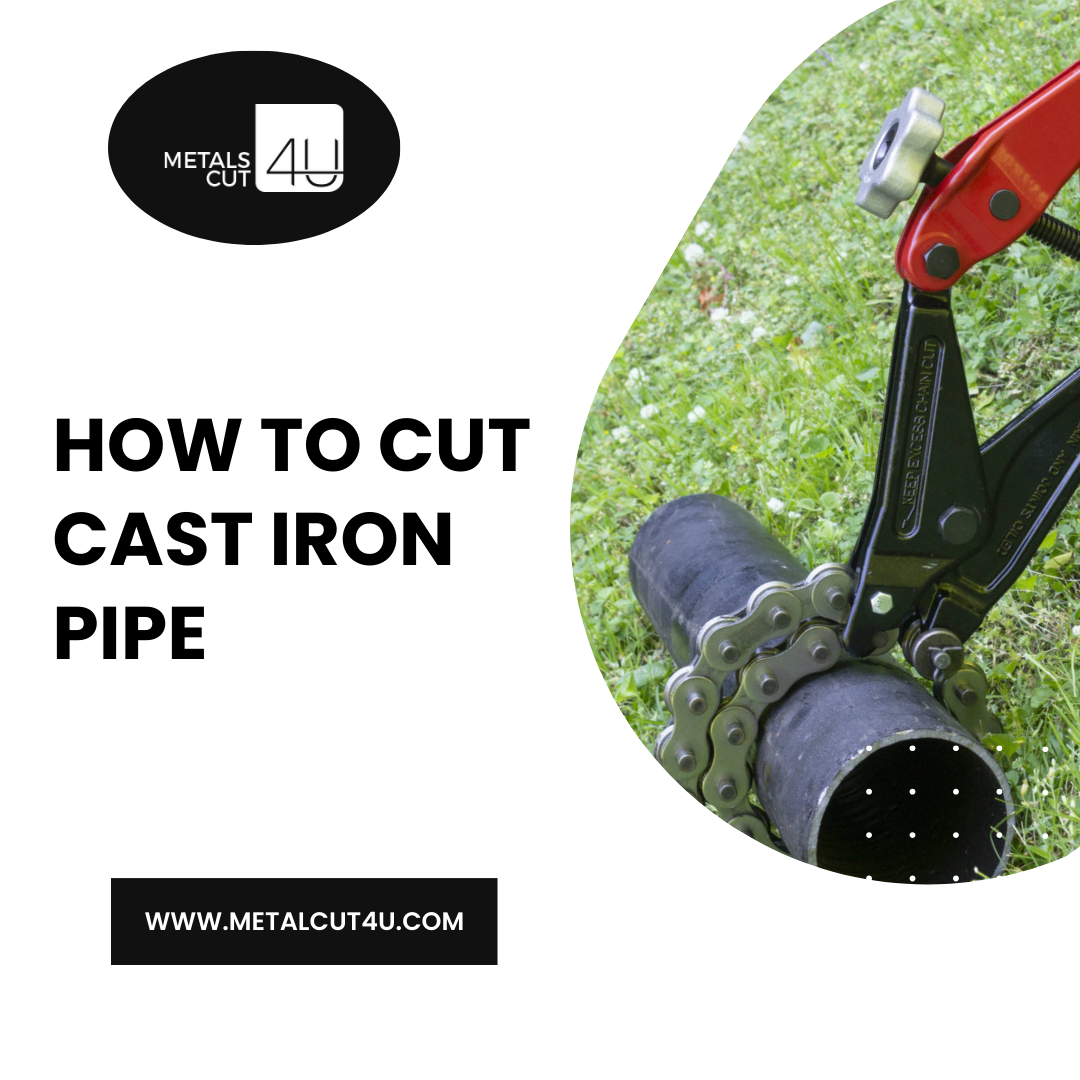
If you’ve never seen a snap cutter, imagine a tool that looks like a long, heavy chain with sharp wheels. The chain wraps around the pipe, and there’s a lever or handle you pull to “snap” the pipe cleanly. Plumbers have used these tools for years, and they’re still the best choice for cutting cast iron quickly and safely.
I tried using a hacksaw once, and let’s just say it was not fun. It took forever, and the cut was ugly. With a snap cutter, the whole job took less than five minutes. The tool does the hard work for you, and the break is surprisingly clean.
Why Use A Snap Cutter For Cast Iron Pipe?
I know there are other ways to cut cast iron—angle grinders, sawzalls, even diamond wheels. But after trying a few, I found the snap cutter is the easiest and safest for most DIYers and even pros. Here’s why:
- Speed: Cuts take minutes, not hours.
- Clean edges: The pipe snaps with almost no jagged edges.
- Less mess: No sparks, no dust, no flying debris.
- No electricity needed: Great for tight spaces or basements.
One thing that surprised me: snap cutters work best on older, thicker pipes. Modern “no-hub” pipes are sometimes thinner and can crack unevenly, so be gentle and check the type of pipe you have.

Tools And Safety Gear You’ll Need
Before you start, gather everything you need. Trust me, pausing mid-job to look for gloves or a wrench is frustrating.
- Snap cutter (manual or ratcheting)
- Tape measure
- Chalk or marker
- Work gloves
- Safety glasses
- Dust mask (optional, but nice if the pipe is dirty)
- Rags (to wipe the pipe)
- Flashlight (if working in a dark area)
I once forgot my gloves and got a small cut from a rusty pipe—don’t skip the safety gear. Cast iron can be sharp after it breaks, and dust from old pipes isn’t good for your lungs.
How To Choose The Right Snap Cutter
There are a few types of snap cutters out there. The two main styles are manual chain and ratcheting. I’ve used both, and each has its pros and cons.
| Type | Best For | Pros | Cons |
|---|---|---|---|
| Manual Chain | Small to medium pipes, tight spots | Simple, lighter, cheaper | Needs more muscle, less leverage |
| Ratcheting | Large pipes, thick walls | Easy on hands, more power | Heavier, costs more |
If you’re renting, ask for a ratcheting cutter—it makes the job much easier, especially if you’re not super strong. For home jobs, a manual one usually works fine. Always check the cutter’s size range. Most cut pipes from 1. 5 to 6 inches in diameter, but some only fit certain sizes.
Step-by-step Guide: Cutting Cast Iron Pipe With A Snap Cutter
I remember how nervous I was the first time. But with each step, my confidence grew. Here’s exactly how I do it—no skipped details.
1. Measure And Mark Your Cut
- Use a tape measure to find the right spot.
- Mark it clearly with chalk or a marker.
- Double-check your measurement. Once you cut, there’s no going back!
I learned the hard way: always leave a little extra pipe if possible. It’s much easier to trim more later than to add pipe back.
2. Clean The Pipe Surface
- Wipe away dirt and rust with a rag.
- Make sure the snap cutter chain sits flat against the pipe.
A clean surface helps the tool grip better and gives you a straighter cut.
3. Wrap The Snap Cutter Chain
- Open the chain and wrap it around the pipe.
- Line up the cutting wheels with your mark.
- Make sure the chain sits evenly all the way around.
I like to wiggle the chain a bit to make sure it’s snug. If it’s crooked, your cut will be too.
4. Apply Pressure Evenly
- For a manual cutter, pull the handles together firmly.
- For a ratcheting cutter, pump the handle until the pipe snaps.
You’ll hear a loud “pop”—don’t be startled. The first time I did it, I jumped! That sound means the pipe broke cleanly.
5. Check The Cut And Clean Up
- Inspect the edge—most times, it’s smooth.
- If there are sharp spots, file them down gently.
- Wipe away dust and debris.
Don’t rush this part. Cast iron can be brittle, and sharp edges are dangerous.
Common Mistakes And How To Avoid Them
I made a few errors when I started. Here are the top mistakes and how you can avoid them:
- Cutting too close to a joint: The pipe can crack the wrong way. Always leave an inch or two from fittings.
- Forgetting to support the pipe: If the pipe isn’t held up, it can fall or break elsewhere. Use pipe supports or a helper.
- Not checking for water: Make sure the line is empty. Cast iron pipes can hold a surprising amount of water.
- Using a dull cutter: Dull cutting wheels make messy cuts. Always check your tool before starting.
- Over-tightening the chain: Too much force can crush thin pipes instead of snapping them cleanly.
From my own experience, the biggest help is to go slow. Rushing leads to mistakes and injuries.

Working In Tight Spaces
My last job was in a crawlspace—no room to swing a hammer or use power tools. The snap cutter saved me. If you’re working in a tight spot:
- Use the shortest cutter that fits.
- Light the area well.
- Try to position yourself so you can pull the handles evenly.
If you can’t get the cutter around the pipe, sometimes loosening the chain and trying again helps. Don’t force it—you might damage the pipe or your tool.
Snap Cutter Vs. Other Tools
I’ve tried a few ways to cut cast iron. Here’s how snap cutters compare to other popular tools:
| Tool | Speed | Mess | Ease | Best For |
|---|---|---|---|---|
| Snap Cutter | Very fast | Clean | Easy | Most cast iron jobs |
| Angle Grinder | Medium | Dusty, noisy | Hard | Thick or odd-shaped pipes |
| Reciprocating Saw | Slow | Messy | Medium | Small repairs |
| Hacksaw | Very slow | Clean | Very hard | Emergency only |
The snap cutter wins for most jobs, unless you’re working with odd shapes or very new, thin pipe.
Tips For A Clean, Safe Cut
After a few jobs, I picked up some tips that made things much easier:
- Always test the cutter on a scrap piece if you can.
- Wear long sleeves to protect your arms from sharp edges.
- If the pipe is wet or oily, wipe it dry before cutting—the chain can slip.
- For big pipes, ask a friend to help hold the tool steady.
I also learned that cast iron pipes can be brittle in cold weather. If possible, cut when it’s warmer, or warm the pipe a little with a heat gun.
When Not To Use A Snap Cutter
Snap cutters are great, but not for every job. If your pipe is:
- Very thin or cracked: The cutter can crush it instead of snapping.
- In a weird position: If you can’t get the chain around, try a saw.
- Painted with lead-based paint: Cutting can create dust—wear a mask and check safety rules.
If you’re unsure, ask a local plumber or check guides from trusted sources like the Family Handyman.
Real-life Example: My First Snap Cutter Project
The first time I used a snap cutter, I was replacing a section of old drain pipe in the basement. The pipe was over 60 years old and rusted in spots. I measured carefully, marked the pipe, and wrapped the cutter around.
My hands were shaking a bit, but I followed the steps.
When I pulled the handles, the pipe snapped with a loud pop. The edge was clean, and the new fitting went on perfectly. I finished the whole repair in less than an hour. Before, I thought this would be a weekend project.
With the right tool, it was quick and satisfying.
Extra Insights Most People Miss
Here are two things I learned that most guides don’t mention:
- Pipe support matters more than you think. After you cut, the remaining pipe might shift. Always plan how you’ll support both sides, or you risk leaks and damage.
- Replacement fittings can be tricky. Cast iron doesn’t flex. Measure your replacement section twice, and dry-fit everything before tightening clamps.
Don’t just trust the “easy” advice online. Real jobs have surprises, and planning for them saves headaches.
Frequently Asked Questions
How Do I Know If My Pipe Is Cast Iron?
Cast iron pipes are heavy, dark gray or black, and often have a rough surface. If you tap them with a wrench, they make a dull sound (not a ring like steel or copper).
Can I Rent A Snap Cutter Instead Of Buying?
Yes. Most tool rental shops and home centers offer snap cutters for rent. This is a good choice for a one-time job, as buying a new cutter can be expensive.
What If The Snap Cutter Won’t Fit Around My Pipe?
Try loosening the chain or using a different size cutter. In very tight spaces, you may need to use a reciprocating saw or angle grinder instead.
Is It Safe To Cut Cast Iron Pipe Myself?
It’s safe if you use the right tool and safety gear. Always wear gloves and eye protection. If the pipe contains hazardous materials (like lead), check local rules or hire a pro.
Do I Need To File The Pipe After Cutting?
Usually, snap cutters leave a smooth edge. But if you feel any sharp spots or burrs, use a metal file or sandpaper to smooth them before installing new fittings.
Cutting cast iron pipe with a snap cutter can seem scary at first, but with the right steps and a bit of patience, it’s a job almost anyone can tackle. Start slow, double-check your setup, and don’t be afraid to ask for help if you need it.
I hope my experience helps you feel ready for your own project. Good luck—and enjoy the satisfaction of a job well done!
As an Amazon Associate, We earn from qualifying purchases