
If you’ve ever had a clogged drain, you know how frustrating it can be. It happened to me one Sunday morning. I was ready to take a quick shower before meeting friends, but the water just wouldn’t drain. I tried plunging and pouring hot water, but nothing worked.
That’s when I learned all about snaking a drain—and, most importantly, how much it actually costs. If you’re facing the same problem, let me walk you through everything I discovered. I’ll keep things simple, just like I’d explain it to a friend over coffee.
What Does “snaking A Drain” Mean?
Snaking a drain is using a tool called a drain snake (or auger) to clear clogs in your pipes. The snake is a flexible wire. You push it into the drain and twist it to break up or pull out whatever’s blocking the pipe. There are different types, from simple hand-crank models to motorized versions for tougher jobs.
When I first heard the term, I imagined a snake slithering through my pipes! But really, it’s just a helpful tool that can reach deep into places you can’t see.
How Much Does It Cost To Snake A Drain?
This is the big question. After calling a few plumbers and doing a lot of research, I realized the price can vary a lot. It depends on a few things:
- Type of drain (sink, tub, toilet, main sewer)
- Where you live
- How serious the clog is
- Whether you do it yourself or call a pro
Here’s a table to show the average price ranges I found:
| Drain Type | DIY Cost | Professional Cost |
|---|---|---|
| Sink or Tub Drain | $10 – $50 (buying/renting snake) | $100 – $250 |
| Toilet Drain | $10 – $60 | $120 – $300 |
| Main Sewer Line | $25 – $100 | $300 – $600 (sometimes more) |
When my bathroom sink clogged, a plumber quoted me $175. But to snake the main sewer line, another plumber said it could cost up to $500! The difference is huge.
Factors That Affect The Cost
I quickly realized that price isn’t just about which drain is clogged. Here are a few things that made a difference for me:
1. Type Of Clog
A simple hair clog in a bathroom sink is easy to clear. Food stuck in a kitchen drain might take longer. If tree roots are blocking your main sewer line, that’s much harder (and more expensive).
2. Location Of The Clog
If the clog is close to the drain, it’s quicker and cheaper. But if it’s deep in the pipes or outside your house, the plumber may need special equipment, which costs more.
3. Time And Emergency Calls
I learned this the hard way: calling a plumber late at night or on weekends costs extra. My Sunday morning clog almost doubled the price! If you can wait for regular business hours, you’ll save money.
4. Diy Vs. Professional Service
Buying or renting a drain snake is cheaper than hiring a plumber. But if you’re not comfortable using one (or if you try and still can’t fix it), you might end up paying for both the tool and the plumber.
5. Where You Live
Prices in big cities are usually higher than in small towns. I live in a medium-sized city, so my prices were right in the middle of the national average.
Here’s a quick comparison of what influences costs:
| Factor | How It Affects Cost |
|---|---|
| Severity of Clog | More severe clogs cost more to fix |
| Drain Location | Deep or hard-to-reach clogs cost more |
| Time of Service | After-hours or emergency calls are pricier |
| Local Rates | Bigger cities usually mean higher prices |
Diy Drain Snaking: Is It Worth Trying?
The first time my sink clogged, I thought, “I can fix this myself. ” So I went to the hardware store and bought a hand-crank drain snake for $25. It was a little scary at first, but the instructions were clear.
Here’s what I learned from doing it myself:
- It takes patience. The snake can get stuck if you’re not careful.
- It’s messy. Be ready for dirty water and gunk.
- It doesn’t always work. If the clog is too deep or solid, you’ll need a pro.
But when it worked, I saved at least $100. If you want to try it, here’s how I did it:
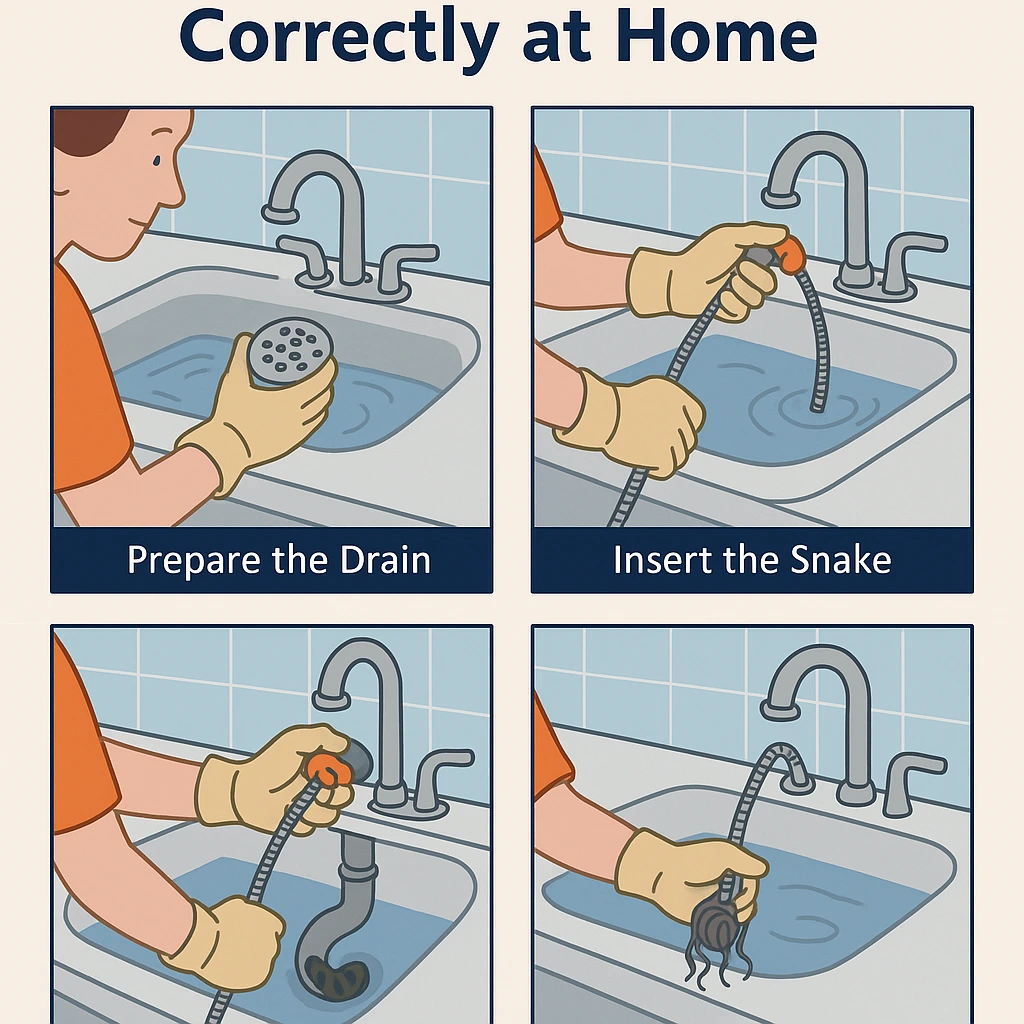
How I Snaked My Own Drain
- Put on gloves. Trust me, you’ll need them.
- Remove the drain cover.
- Push the snake into the drain slowly, turning the handle.
- When you feel resistance, twist and push gently.
- Pull the snake out and clean off any debris.
- Run hot water to clear the pipe.
If the water still drains slowly, repeat the process or try a longer snake.
Pro tip: If you rent an electric snake, ask the store for a quick demo. The motorized ones are powerful!
When Should You Call A Professional?
I’m all for saving money, but there are times when it’s better to let an expert handle it. I learned this after I tried snaking my main sewer line. My snake wasn’t long enough, and the clog was way deeper than I thought.
Here are signs you should call a plumber:
- Water backs up in several drains at once.
- You hear gurgling noises from the toilet or shower.
- Bad smells come from the drains.
- DIY methods didn’t work.
A plumber has better tools, like camera scopes that can see inside your pipes. They also know how to handle tough clogs, so you don’t risk damaging your plumbing.
What To Expect From A Plumber Visit
If you’ve never hired a plumber before, here’s what my experience was like:
- I called and described the problem.
- The plumber gave me a price range over the phone.
- They arrived with all the tools and checked the clog.
- They explained the problem and gave a final price before starting.
- After the job, they tested the drain and cleaned up.
It usually took about 30-60 minutes. For my sink, the bill was $175, but they solved the problem quickly and gave me tips to avoid future clogs.

Extra Costs You Might Not Expect
Here’s something I didn’t know at first: sometimes, the price goes up if they find other problems. For example, if the plumber finds a broken pipe or root intrusion, fixing that will cost extra. Always ask for an estimate before they start.
Some plumbers also charge a service call fee ($50–$100), which covers their time and travel, even if you don’t go ahead with the repair.
Tips To Avoid Costly Drain Clogs
After my experience, I became obsessed with keeping my drains clear. Here are a few things I do now:
- Use a drain strainer to catch hair and food bits.
- Pour boiling water down the drain once a week.
- Never pour grease or oil into the sink.
- Use baking soda and vinegar monthly for maintenance.
These small habits really help. I haven’t had a major clog in over a year!
What If You Have A Main Sewer Line Clog?
A main sewer line clog is a big deal. In my case, the plumber used a camera to check the pipes. He found tree roots growing into the line. The cost was $450 to snake the line, but if the pipes had been broken, it would have been much more.
If you have water backing up in your basement or multiple drains, don’t wait—call a pro right away. Main line problems can cause big damage if ignored.
How To Choose A Plumber (from My Experience)
Not all plumbers charge the same or give the same service. Here’s how I picked a good one:
- Check reviews. I read online reviews to find plumbers with happy customers.
- Ask about prices. I made sure to get a clear price estimate before they started.
- Check for licenses. A licensed plumber is usually more reliable.
- Ask about guarantees. Some plumbers offer warranties on their work.
It’s worth spending a little time to find someone you trust. A good plumber will answer your questions and explain the process.
What If The Clog Keeps Coming Back?
I once had a bathroom sink that clogged every few months. The plumber said it was because of hair and soap scum building up in the pipes. He suggested using a zip-it tool (a thin plastic strip with barbs) every month. It cost just a few dollars and worked really well.
If you keep having problems, ask your plumber to check for bigger issues, like:
- Broken or sagging pipes
- Tree roots in the main line
- Grease buildup
Sometimes, repeated clogs mean you need a more permanent fix, not just another snaking.
Hidden Insights Most People Miss
Here are two things I learned that most beginners don’t realize:
- Snaking isn’t always the best solution. For some clogs (especially from grease), a plumber may suggest hydro jetting. This uses high-pressure water to clean the pipes. It costs more than snaking, but it clears sticky buildup better.
- Regular cleaning saves money. Spending $10 on a simple tool or cleaning your drains monthly can save you hundreds in emergency plumbing bills.
If you want to learn more about how plumbing systems work, the Wikipedia page on plumbing is a great resource.

Frequently Asked Questions
How Much Does It Usually Cost To Snake A Household Drain?
For a regular sink or tub, most plumbers charge between $100 and $250. If it’s the main sewer line, it can go up to $600 or more. Doing it yourself with a hand snake costs much less, usually $10 to $50.
Should I Try To Snake My Own Drain First?
If the clog isn’t too deep, it’s worth trying. Buy a simple hand snake, follow instructions, and see if you can clear the blockage. But if the clog is stubborn or keeps coming back, call a professional.
What’s The Difference Between Snaking And Hydro Jetting?
Snaking breaks up clogs with a wire coil. Hydro jetting uses high-pressure water to clean the whole pipe. Hydro jetting is more powerful and usually costs more but removes sticky buildup better.
How Long Does It Take To Snake A Drain?
Most household clogs can be cleared in 30 to 60 minutes. Deep or stubborn clogs may take longer, especially for main sewer lines.
Can Snaking Damage My Pipes?
If you use the tool carefully, it’s usually safe. But using too much force or the wrong type of snake can scratch or damage older pipes. Always be gentle, and don’t hesitate to call a plumber for tough jobs.
If you’re dealing with a clogged drain right now, I hope this guide helps you feel less stressed and more prepared. Knowing what to expect—and what things really cost—makes it much easier to handle the problem. And if you’re like me, you’ll never look at your shower drain the same way again!
As an Amazon Associate, We earn from qualifying purchases