
If you’ve ever had a kitchen sink that’s slow to drain—or worse, totally clogged—you know how annoying it can be. I remember the first time my kitchen drain got blocked. Water wouldn’t go down, and a funny smell started to fill the room.
I tried every easy fix, but nothing worked. That’s when I learned how to use a plumber’s snake. Now, I want to share my experience and help you do it too. Don’t worry, it’s not as scary as it sounds.
With some basic tools, a little patience, and this guide, you can clear your own kitchen drain like a pro.
Why Kitchen Drains Get Clogged
Kitchen drains see a lot of action. We wash plates, pour out drinks, and even rinse food scraps. Over time, things like grease, soap, and food bits can build up inside the pipes. Even if you’re careful, some debris always gets through. I’ve noticed that pasta, rice, and coffee grounds are the worst offenders in my house. They swell up and block water flow fast.
Sometimes, clogs are near the drain opening. Other times, they’re deep inside the pipes. When clogs are too far for your fingers or a plunger, it’s time to use a drain snake.
What Is A Drain Snake?
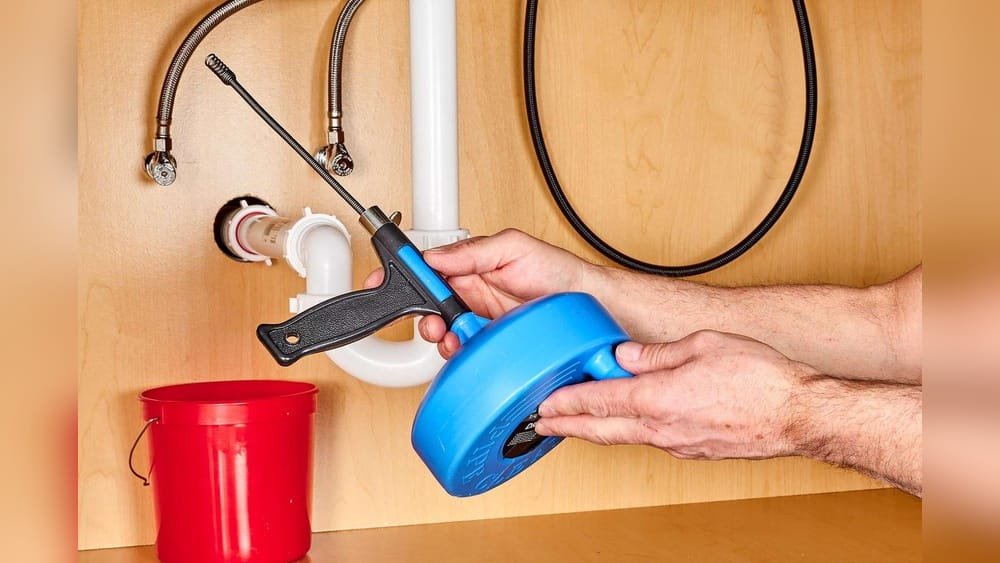
A drain snake (also called a plumber’s auger) is a long, flexible tool. It’s designed to go deep into pipes and break up stubborn clogs. There are different types, but most have a coiled metal wire and a handle you turn.
Here’s a quick look at the main types I’ve used:
| Type | Length | Best Use | Cost (USD) |
|---|---|---|---|
| Handheld Snake | 15-25 ft | Home kitchen sinks | $20–$40 |
| Drum Auger | 25-50 ft | Deeper, tougher clogs | $30–$70 |
| Power Snake | 50+ ft | Main lines, big blockages | $100+ |
For most kitchen sinks, a basic handheld snake is enough. That’s what I use, and it fits easily under the sink.

Tools And Supplies You’ll Need
Before you start, gather these items. Trust me, having everything ready saves time and hassle.
- Drain snake (15-25 feet is plenty for kitchens)
- Gloves (rubber or latex, to keep your hands clean)
- Bucket (to catch water or debris)
- Old towels (protect the cabinet and floor)
- Flashlight (to see under the sink)
- Adjustable wrench (if you need to remove the P-trap)
- Cleaning brush (for scrubbing pipe parts)
- Dish soap (helps with cleanup)
One thing beginners often miss is the importance of towels. The first time I did this, I forgot to lay them out. Water got everywhere. Now, I always cover the area before starting.
Step-by-step: How I Snaked My Kitchen Drain
Let’s walk through the process together. I’ll explain each step, and share what I learned along the way.
1. Clear Out The Space
First, take everything out from under your sink. You’ll need room to work. I place an old towel on the bottom to catch drips.
2. Remove Standing Water
If your sink is full of water, scoop it out with a cup or small container. Dump it into a bucket. You want the drain as empty as possible before you start.
3. Try A Plunger First
I always try a plunger before reaching for the snake. Sometimes, this alone clears the clog. Make sure to block the other sink hole with a wet rag if you have a double sink. Plunge up and down for 30 seconds. If water still isn’t draining, move on.
4. Take Apart The P-trap (if Needed)
The P-trap is the curved pipe under the sink. Many clogs get stuck here. Place a bucket under it. Use your hands or a wrench to unscrew the slip nuts at both ends.
Pull off the P-trap and check for gunk. I once found a huge wad of pasta blocking mine! Clean it out with a brush and rinse it well.
If the trap is clear and water still won’t flow, the clog is farther down. Time to use the snake.
5. Feed The Snake Into The Pipe
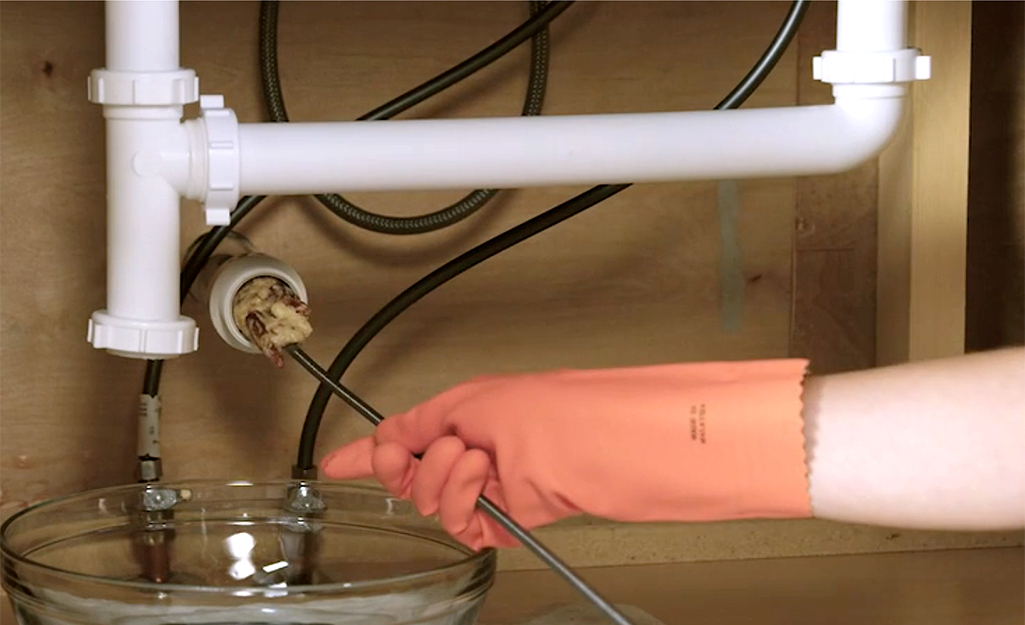
With the P-trap off, you’ll see the pipe going into the wall. Push the end of the snake into the pipe slowly. Turn the handle clockwise as you feed it in. Don’t force it—let the snake do the work.
Sometimes, you’ll feel resistance. That’s a sign you’ve hit the clog.
6. Break Up The Clog
When I hit a clog, I keep turning the handle and gently push forward. The tip of the snake grabs or breaks up the blockage. You might hear a crunch or feel the snake get easier to turn.
I move the snake back and forth to make sure the clog is gone. This part can take a few minutes. Be patient!
7. Pull Out The Snake
Slowly pull the snake out, spinning the handle in reverse. Wipe it down as you go, since it can get messy. I use an old rag or paper towel.
Check the tip for debris. Sometimes, you’ll pull out a wad of hair or food. That’s a good sign—you’re clearing the way.
8. Reassemble The P-trap
Put the P-trap back in place. Tighten the slip nuts by hand, then give them a gentle turn with the wrench. Don’t overtighten, or you could crack the pipe.
9. Test The Drain
Run hot water for a minute. Watch for leaks under the sink. If water flows smoothly, you’ve done it! If not, repeat the process or feed the snake a bit farther.
10. Clean Up
Wipe down the area and wash your hands. Clean the snake with hot soapy water before storing it. I always do this last step—otherwise, the tool will smell bad next time.
How Long Does It Take?
My first time, it took about 45 minutes because I was careful and slow. Now, I can snake my kitchen drain in 20 minutes. If the clog is deep or stubborn, it might take longer.
When To Call A Professional
Most kitchen clogs can be cleared with a snake. But if you’ve tried everything and the water still won’t drain, it could be a bigger problem. Signs you might need a plumber:
- The clog keeps coming back
- Water backs up into other drains
- You see leaks or hear strange noises
In these cases, a pro has special tools and cameras to look deep inside your pipes. It’s better to call for help than risk damaging your plumbing.
Mistakes I Made (so You Don’t Have To)
I want to share a few lessons I learned the hard way:
- Forgetting the towels: I once soaked everything under my sink because I skipped this step. Always protect your space.
- Forcing the snake: If it feels stuck, don’t push harder. You could break the pipe or snake. Twist gently and let the tool do its job.
- Not checking the P-trap first: Many clogs are right there. Always check before snaking deep into the wall.
- Not cleaning the snake: Leaving it dirty makes it rust and stink. Wash it after each use.
How A Drain Snake Compares To Other Methods
Sometimes people ask why not just use chemicals or a plunger. Here’s a quick comparison from my experience:
| Method | Clog Type | Speed | Safety | Cost |
|---|---|---|---|---|
| Plunger | Minor, soft clogs | Fast | Safe | Low |
| Chemical Cleaners | Soft, greasy clogs | Medium | Can damage pipes | Medium |
| Drain Snake | Stubborn, deep clogs | Medium | Very safe | Low (one-time) |
| Call a Plumber | All types, complex | Slow (wait time) | Very safe | High |
I avoid chemical cleaners now. They can eat away at pipes, especially if you have older plumbing. The snake is safer and reusable.
:max_bytes(150000):strip_icc()/how-to-unclog-a-kitchen-sink-2718799_sketch_FINAL-6d86f43bcb464f8ca5b61f240c2d8bf9.png)
Extra Tips For A Smooth Experience
- Use hot water after snaking. It helps flush out remaining debris.
- Don’t use too much force. Pipes under the sink are often plastic and can crack.
- Keep your snake clean and dry. This stops rust and bad smells.
- Store the snake in a dry place. Moisture causes rust fast.
- If you have a garbage disposal, never run the snake through it. Remove the disposal or snake through the pipe after the disposal.
A lot of people miss the trick of pouring a little dish soap and boiling water down the drain every month. This helps keep it clear and prevents buildup.
Preventing Future Clogs
After my first big clog, I changed a few habits:
- Scrape food scraps into the trash, not the sink
- Use a drain strainer to catch debris
- Don’t pour grease or oil down the drain (I collect it in a can and toss it)
- Run hot water for 30 seconds after washing dishes
These small steps save a lot of hassle later.
How Much Does It Cost To Snake A Kitchen Drain?
If you do it yourself, the only cost is the snake—usually $20 to $40. If you call a plumber, expect to pay $100 or more, depending on where you live and the clog’s location. I’ve saved hundreds of dollars by learning this skill.
For more about types of plumbing snakes and their uses, check out this Wikipedia guide.
Frequently Asked Questions
How Do I Know If The Clog Is In The P-trap Or Deeper In The Pipe?
If water backs up right away when you run the faucet, it’s often in the P-trap. If water drains slowly at first and then stops, the clog is probably farther down the pipe.
Can I Use A Drain Snake If I Have A Garbage Disposal?
Yes, but don’t push the snake through the disposal itself. Disconnect the disposal or use the snake in the pipe after the disposal. Always unplug the disposal first for safety.
Is It Safe To Use Chemical Drain Cleaners Before Snaking?
It’s better not to. Chemicals can splash on your skin or eyes when you remove pipes. They also can damage your plumbing. Stick to mechanical methods first.
How Often Should I Snake My Kitchen Drain?
You don’t need to snake your drain unless it’s clogged. For most homes, once a year or less is enough, unless you have frequent problems.
What If The Snake Gets Stuck In The Pipe?
Stop and pull back gently. Don’t force it. Sometimes twisting the handle back and forth will help it come free. If it’s really stuck, it’s time to call a professional.
Snaking a kitchen drain can feel intimidating at first, but with a little patience and the right steps, it’s totally doable. I’ve done it many times now, and each time, it gets easier. Give it a try—you might surprise yourself with how handy you can be!
As an Amazon Associate, We earn from qualifying purchases