
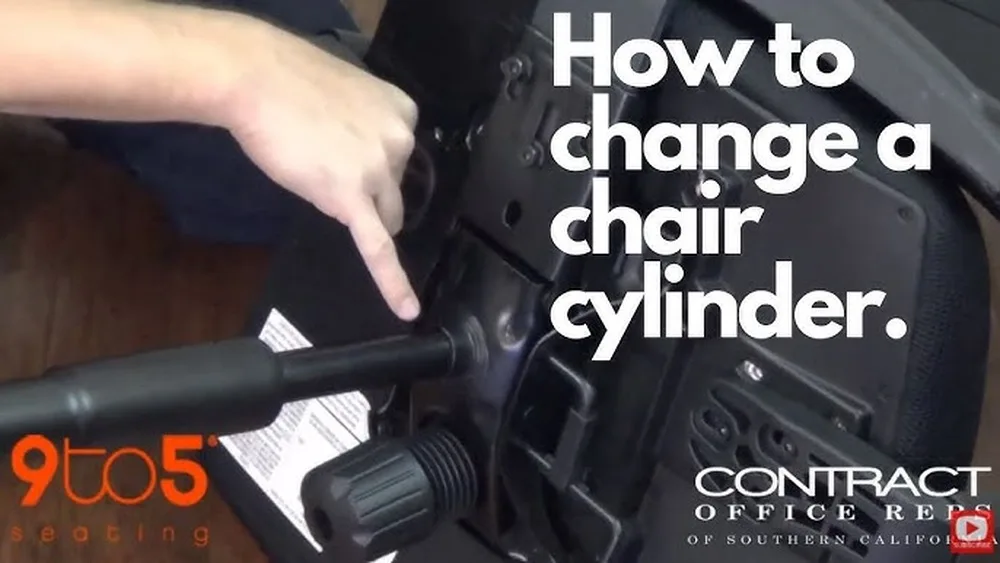
If you’ve ever owned an office chair, you probably know the feeling when it starts to sink every time you sit. Mine did, and it drove me crazy. The problem? The chair cylinder was failing. That’s the part that lets you raise and lower the seat. Most guides say to use a pipe wrench to remove it. But I didn’t have one. And I really didn’t want to buy a tool I’d use only once. So I figured out how to remove a chair cylinder without a pipe wrench—using things I already had at home. I’ll walk you through everything I learned, step by step, so you can do it too.
Understanding The Chair Cylinder
Before we get into the how-to, let’s talk about what the chair cylinder is. It’s the metal tube under your seat that controls the chair’s height. Inside, there’s gas or air that lets the seat go up and down. Most office chairs use the same basic design. Over time, the seal inside can wear out, and the chair starts to sink.
When you want to replace the cylinder, you usually have to take the old one out first. This can be tricky, especially if you don’t have special tools. But don’t worry—I’ll show you how I did it with everyday items.
Why People Use A Pipe Wrench
Most tutorials tell you to use a pipe wrench. That’s because the cylinder is often stuck tight after years of use. A pipe wrench grabs the metal and gives you lots of leverage. But if you don’t have one, or you don’t want to damage the cylinder or chair base, you need another way.
I was in this exact situation. I didn’t want to scratch up my chair. I didn’t want to spend money on a tool I’d only use for five minutes. So I tried different methods until I found something that worked.

Tools I Used Instead
Here’s what I gathered from around the house:
- Rubber mallet (but a regular hammer works if you’re careful)
- Thick towel or old t-shirt
- WD-40 or another spray lubricant
- Adjustable wrench (optional)
- Flathead screwdriver
- Work gloves (to protect my hands)
- Sturdy surface (like a workbench or kitchen table)
I’ll explain why these items help and how to use them.
Step-by-step: Removing The Chair Cylinder Without A Pipe Wrench
I’ll break down each step I took. This method worked for me, and I hope it works for you too.
1. Get The Chair Ready
First, I flipped the chair upside down. I set it on a towel so I wouldn’t scratch the floor or the chair. If the wheels pop off easily, remove them. This makes the chair lighter and gives you more room to work.
2. Remove The Base
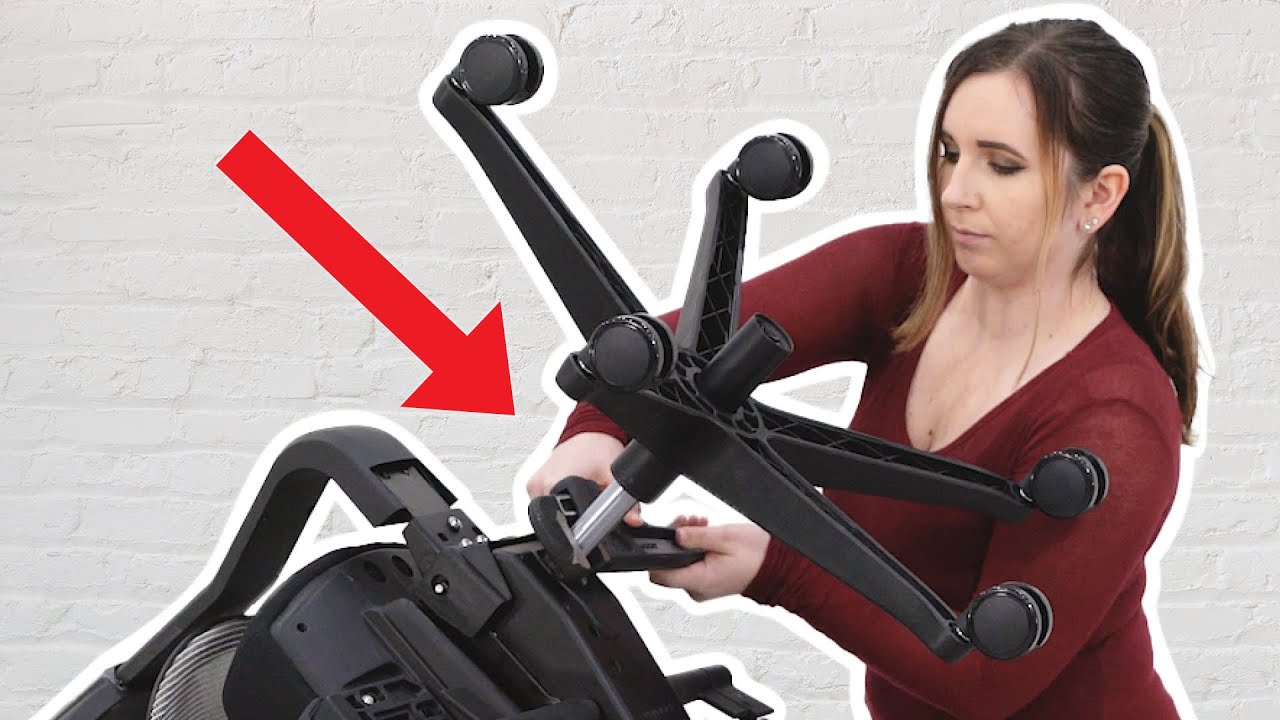
The five-legged base is usually just pressed onto the cylinder. I grabbed the base and pulled hard. Sometimes, you need to wiggle it side to side. If it’s really stuck, I used a rubber mallet to tap around the base where it meets the cylinder. A few firm taps did the trick.
Tip: If you use a regular hammer, wrap the area with a towel to avoid dents.
3. Spray Lubricant
If the cylinder still wouldn’t budge, I sprayed a little WD-40 where the cylinder meets the seat mechanism. I let it sit for about 10 minutes. The lubricant helps loosen rust or grime.
Non-obvious insight: Most people skip this step, but it makes a big difference. Even if your chair looks clean, there’s often gunk inside.
4. Protect The Cylinder
I wrapped a towel or old t-shirt around the cylinder. This stopped my tools from scratching the metal. It also made it easier to grip.
5. Twist And Pull
At this point, I tried twisting the cylinder by hand. Sometimes, you can unscrew it from the seat mechanism. If it wouldn’t move, I used an adjustable wrench (with the towel for padding) to get a better grip. I turned the cylinder left and right, pulling as I turned. After a few tries, it started to come loose.
6. Tap With A Hammer
If twisting didn’t work, I set the chair on its side. I used a hammer (with a towel for padding) to tap the bottom of the cylinder. Don’t hit too hard—just enough to break the seal. After a few taps, I pulled again, and the cylinder finally popped out.
Practical tip: Don’t rush this part. Gentle tapping works better than brute force.
7. Remove Stubborn Cylinders
Sometimes, the cylinder is really stuck. Here’s what I tried:
- Sprayed more lubricant and waited longer.
- Used a flathead screwdriver to gently pry between the cylinder and seat plate.
- Asked a friend to help hold the chair while I pulled.
After a few rounds, even the toughest cylinder gave up.
Why This Method Works
I learned that most chair cylinders are held in by friction, not screws. Once you break the grip—by twisting, tapping, or using lubricant—they come out. You don’t need a pipe wrench. The key is patience and using what you have.
Here’s a quick look at the difference between using a pipe wrench and my method:
| Method | Tools Needed | Chance of Damage | Cost |
|---|---|---|---|
| Pipe Wrench | Pipe wrench | High (scratches, dents) | Medium (need to buy tool) |
| No Pipe Wrench (my method) | Household items | Low (if careful) | Low (no extra cost) |
Common Mistakes And How To Avoid Them
When I tried this the first time, I made a few mistakes. Here’s what I learned:
- Skipping the lubricant: The first time, I didn’t use any WD-40. The cylinder wouldn’t budge. Once I sprayed it, things got much easier.
- Hitting too hard: I got impatient and hit the cylinder too hard with a hammer. It dented the metal. Light taps work better.
- Not protecting surfaces: I scratched my kitchen floor by not using a towel. Always protect your work area.
- Twisting the wrong way: Some cylinders unscrew, others just pull out. If it doesn’t turn, don’t force it—try pulling.
- Not asking for help: Some chairs are heavy. When I asked a friend to hold the seat, the job got much easier.
What To Do After Removal
Once I got the cylinder out, I felt relieved. But I wasn’t done yet. Here’s what I did next:
- Cleaned the inside of the chair base. Sometimes there’s dirt or old grease.
- Checked the new cylinder to make sure it matched the old one (diameter and length).
- Installed the new cylinder by pushing it into place—no tools needed for this part.
- Sat on the chair to test it. The new cylinder worked perfectly.
When To Replace Vs. Repair
You might wonder: do I need to replace the whole chair? Or just the cylinder? In most cases, only the cylinder fails. Replacing it is much cheaper than buying a new chair.
Here’s a quick comparison:
| Option | Cost | Time Needed | Best For |
|---|---|---|---|
| Replace Cylinder | $10-30 | 30-60 minutes | Chairs in good shape |
| Buy New Chair | $60-300+ | 1-2 hours (shopping, assembly) | Chairs with other damage |
Real-life tip: I bought a replacement cylinder online for $18. My chair felt new again.
Safety Tips
When I did this, I wanted to avoid injury. Here are some things I kept in mind:
- Wear gloves to protect your hands from sharp edges.
- Don’t use too much force—metal parts can break.
- Make sure the chair is stable before you start.
- Keep kids and pets away while you work.
Alternatives If You’re Still Stuck
If your cylinder is really, really stuck, here are a few things you can try:
- Use boiling water (carefully) to heat the metal. Sometimes heat helps loosen the bond.
- Try a strap wrench (if you have one). It’s less damaging than a pipe wrench.
- Take the chair to a local repair shop. Sometimes, pros have the right tools.
How To Prevent Future Problems
After fixing my chair, I realized I could help the new cylinder last longer:
- Don’t overload the chair. Stick to the weight limit.
- Clean and oil the moving parts once a year.
- Avoid dropping the chair or using it as a step stool.
Why I’d Do It Again
Honestly, I was proud of myself for fixing the chair without fancy tools. It saved money, was better for the environment, and I learned something useful. Now, if a friend’s chair starts to sink, I know what to do.

Frequently Asked Questions
How Do I Know If My Chair Cylinder Is Broken?
If your chair sinks when you sit or won’t stay at the set height, the cylinder is likely broken. You might also hear hissing or see oil leaking.
Can I Repair The Old Chair Cylinder Instead Of Replacing It?
Most of the time, it’s not worth repairing. The gas or seals inside are hard to fix. Replacing with a new cylinder is faster and lasts longer.
What If My Cylinder Still Won’t Come Out?
Spray more lubricant, let it sit, and try again. If it’s really stuck, use gentle heat or ask a local repair shop for help.
Will Removing The Cylinder Void My Chair’s Warranty?
Check your warranty before you start. Some brands void the warranty if you take the chair apart yourself. If your chair is new, contact the seller first.
Where Can I Buy A Replacement Chair Cylinder?
You can find them online or at office supply stores. Make sure to measure your old cylinder first. For more details, check out this Wikipedia guide on office chairs.
I hope my experience helps you fix your chair and avoid buying tools you don’t need. With some patience and a few common items, you can get your chair working again—no pipe wrench required!
As an Amazon Associate, We earn from qualifying purchases