
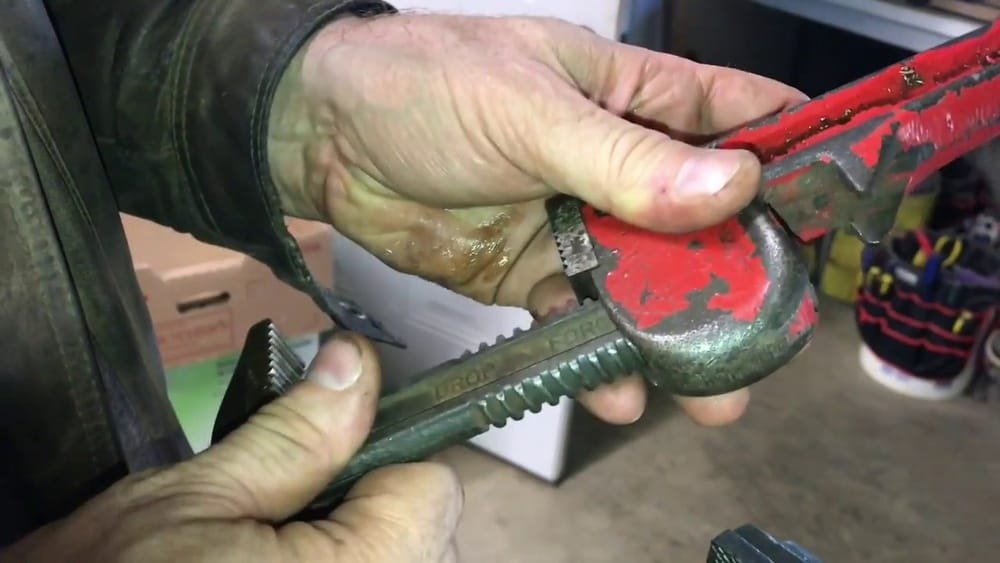
If you’ve used a pipe wrench for years like me, you know how important sharp jaws are. I’ve struggled with slipping wrenches and damaged pipes more times than I can count. When the jaws get dull, you start to lose grip, and jobs take longer.
I learned the hard way that keeping those jaws sharp makes a huge difference. Let me walk you through everything you need to know about sharpening pipe wrench jaws, based on what I’ve tried, failed at, and finally mastered.
Why Sharp Pipe Wrench Jaws Matter
At first, I didn’t pay much attention to the jaws. I thought, “It’s just a wrench, right? ” But after slipping off a rusty pipe and hurting my knuckles (more than once), I realized the jaws play a big role.
Sharp jaws grip better. They bite into the pipe instead of sliding around. This means you use less force, damage fewer pipes, and finish faster.
Dull jaws can also ruin your tools. If you keep forcing a dull wrench, you can bend the handle or strip the adjustment nut. I’ve even cracked a jaw before. That mistake was expensive. Keeping the jaws sharp saves money and keeps your work safe.
When Should You Sharpen Pipe Wrench Jaws?
Some people wait until the wrench barely works. I learned to catch the signs earlier. Here’s what I look for:
- The wrench slips even when adjusted tight
- The teeth look rounded or shiny
- It leaves marks but doesn’t grip the pipe
- You notice more effort is needed
If you see these, it’s time for sharpening. I check my wrenches every few weeks, especially when I use them a lot.

Tools And Materials You’ll Need
I used to think you needed fancy equipment. That’s not true. Most people can do this with basic tools:
- A flat file (medium or fine)
- A small triangular file (for inside jaw teeth)
- A sturdy workbench with a vise
- Wire brush
- Safety glasses and gloves
- Lubricant (like WD-40)
- A rag or old towel
Some pros use a rotary tool with a grinding bit. I only use that if the jaws are really worn. For most jobs, a file works best. It gives you more control and less risk of over-sharpening.
Preparing The Pipe Wrench
First, I always clean the wrench. Dirt and rust get in the way. I use a wire brush to scrub the jaws and body. If there’s heavy rust, a little WD-40 helps loosen it. Wipe everything with a rag until it’s clean.
Next, secure the wrench in a vise. I like to wrap the handle with a towel so it doesn’t get scratched. The jaws should face up and be easy to reach.
If the wrench comes apart, sometimes I remove the jaws. This gives better access, but most of the time, I sharpen them while they’re still on.
Step-by-step: How I Sharpen Pipe Wrench Jaws
Let me break it down into simple steps. This is exactly how I do it:
1. Inspect The Jaws Closely
Look for broken or missing teeth. If you see deep cracks or big pieces missing, sharpening won’t help. You’ll need to replace the jaws. But if they’re just dull, you’re good to go.
2. Shape The Teeth With A Flat File
Hold the flat file at the same angle as the teeth. I use short, smooth strokes, always in one direction. Filing back and forth can round the teeth. I start at the base and move toward the tip.
After a few strokes, I check my progress. You want the teeth to look crisp and even. Don’t remove too much metal—just enough to sharpen the edges.
3. Clean Between The Teeth With A Triangular File
This part takes patience. I use a small triangular file to clean out the grooves. Gunk and old pipe bits love to hide here. Filing these spaces helps the jaws bite better.
One tip: Don’t rush. If you slip, you can cut yourself or damage the teeth.
4. Wipe Away Metal Shavings
After filing, metal dust will collect on the jaws. I use a rag to wipe it off. Sometimes I use compressed air, but a rag works fine for home use.
5. Test The Jaw Sharpness
I grab a scrap piece of pipe and try the wrench. If it grips firm with little pressure, I know I’m done. If it still slips, I check for spots I missed and file again.
Common Mistakes I’ve Made (and How To Avoid Them)
My first few times, I made some classic mistakes. Here’s what I learned:
- Filing too much – Taking off too much metal weakens the jaws. Just a few light passes are enough.
- Wrong angle – Filing at the wrong angle makes the jaws duller, not sharper. Match the angle of the original teeth.
- Not cleaning first – Dirt and rust can clog your file and scratch the jaws. Always clean before sharpening.
- Forgetting safety gear – Tiny metal bits can fly into your eyes. Safety glasses are a must. Gloves help too.
How Often Should You Sharpen Pipe Wrench Jaws?
In my experience, how often depends on how much you use the wrench. If you use it daily, check the jaws every month. For occasional use, every three to six months is enough.
I learned to trust my hands. When the wrench doesn’t feel right, I check the jaws. It’s better to sharpen a little more often than to wait until they’re ruined.
Comparing Different Tools For Sharpening
I’ve tried several ways to sharpen pipe wrench jaws. Here’s a quick comparison based on my results:
| Tool | Control | Speed | Risk of Damage |
|---|---|---|---|
| Flat file | High | Medium | Low |
| Rotary tool (grinder) | Low | Fast | High |
| Bench grinder | Medium | Very Fast | Very High |
| Sharpening stone | Medium | Slow | Low |
I stick with a flat file and triangular file for most jobs. I only use power tools if the jaws are really damaged.

Signs It’s Time To Replace, Not Sharpen
Sometimes, sharpening won’t save your wrench. Here’s how I know when it’s time to buy new jaws:
- Teeth are broken or missing
- The jaw is bent or cracked
- The wrench won’t grip even after sharpening
Replacement jaws are easy to find for most brands. If you’re not sure, check the model number stamped on the wrench. You can find parts guides on manufacturer websites or on sites like RIDGID.
Tips For Making Your Pipe Wrench Jaws Last Longer
After ruining a couple of wrenches, I started treating mine better. Here’s what helps:
- Clean after every use. Dirt and rust dull the teeth.
- Store in a dry place. Moisture causes rust.
- Don’t use the wrench as a hammer. This ruins the jaws fast.
- Use the right size wrench for the job. Forcing a small wrench on a big pipe damages the teeth.
How Pipe Wrench Jaw Designs Affect Sharpening
Not all jaws are the same. Some have deep, wide teeth. Others are fine and narrow. I noticed that wider teeth are easier to file, but fine teeth need extra care. If you have a high-end wrench, the jaws might be hardened steel.
These take longer to file, but they stay sharp longer.
Here’s a quick look at how different jaw styles compare:
| Jaw Type | Ease of Sharpening | Durability |
|---|---|---|
| Wide, deep teeth | Easy | Medium |
| Fine, narrow teeth | Harder | High |
| Hardened steel jaws | Hardest | Very High |
If your wrench has hardened jaws, use a good quality file. Cheap files wear out fast and don’t cut well.
What If You Don’t Have The Right Tools?
Sometimes, I’m not in my shop. I’ve used creative solutions in a pinch, like a small diamond file or even a nail file. These work for touch-ups but aren’t great for heavy sharpening.
If you can’t get a triangular file, a small flat file can fit between some teeth. Just be careful not to widen the grooves too much.
Safety Tips From My Experience
I’ve had a few close calls, so here’s what I always do:
- Wear safety glasses
- Work in good light so you can see the teeth
- Always file away from your body
- Keep your hands dry so the file doesn’t slip
One time, I tried sharpening without gloves. A metal shaving stuck in my finger and took days to heal. It’s not worth the risk.
Frequently Asked Questions
How Can I Tell If My Pipe Wrench Jaws Are Sharp Enough?
When the jaws grip a pipe firmly with little force, they’re sharp. If the wrench slides or you need to squeeze hard, they need more sharpening.
Can I Use Sandpaper Instead Of A File?
Sandpaper can clean the jaws, but it won’t sharpen the teeth well. For best results, always use a file.
What File Size Is Best For Pipe Wrench Jaws?
A 6-inch flat file works for most jaw sizes. For grooves, a small triangular file (about 4 inches) fits well.
Is It Safe To Use A Grinder For Sharpening?
A grinder works fast but removes a lot of metal. It’s easy to ruin the jaws. I recommend a hand file for better control, unless the jaws are badly damaged.
Where Can I Find Replacement Jaws?
Replacement jaws are sold online and at hardware stores. Check the wrench brand’s website or look for your model number. For example, Home Depot has a good selection.
Sharpening pipe wrench jaws isn’t hard, but it makes a big difference. After I started doing it myself, my work got easier and faster. Take your time, use the right tools, and your wrenches will last for years. If you care for your tools, they’ll take care of you on every job.
As an Amazon Associate, We earn from qualifying purchases