
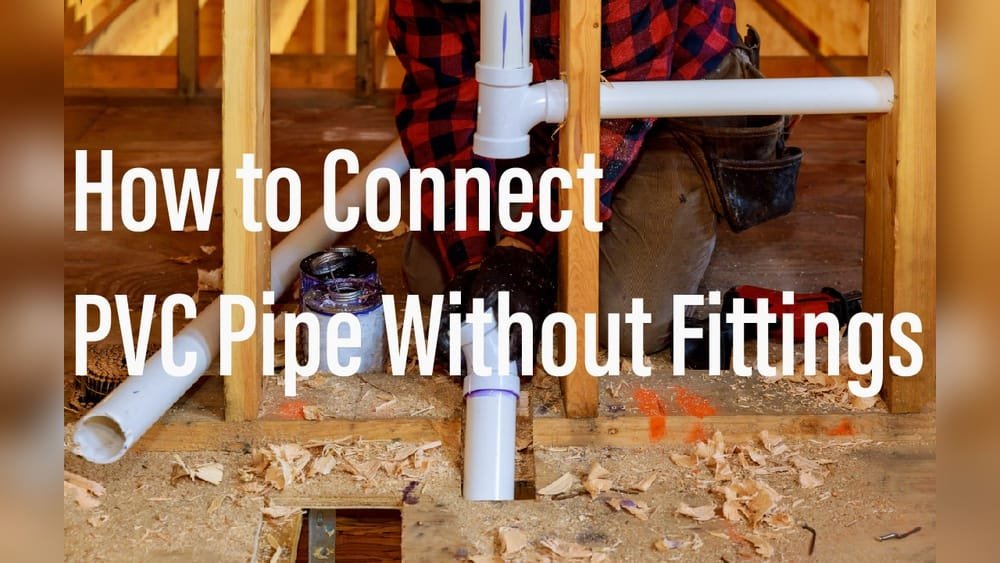
Connecting two PVC pipes without threads is something I’ve done many times, both at home and while helping friends. The first time, I was nervous. Would it leak? Would it hold strong? I quickly learned that with some simple tools and the right steps, anyone can join PVC pipes securely—even without threads. If you’ve ever found yourself staring at two smooth-ended pipes, unsure how to link them, you’re not alone. Let me walk you through what I’ve learned, step by step. I’ll share the methods I trust, the mistakes I’ve made, and the tricks that save time and money. No confusing terms, no guesswork. Just real advice you can use today.
Why Connect Pvc Pipes Without Threads?
At first, I thought every pipe needed threads to connect. But I soon realized that most PVC plumbing actually uses smooth ends, not threads. Threads are more common on metal pipes, or for certain plumbing fixtures. For the majority of home repairs or small projects, you’ll likely be working with non-threaded PVC.
Here’s why you might need to connect pipes without threads:
- Home repairs: Fixing leaks or broken sections in your plumbing.
- DIY projects: Building things like a garden irrigation system, pool lines, or even a simple frame.
- Quick fixes: When you don’t have access to threaded adapters or the right fittings.
Knowing how to join smooth PVC pipes opens up a lot of possibilities. It’s a skill I’ve used for everything from fixing a leaky drain to building a homemade sprinkler.
Main Ways To Connect Non-threaded Pvc Pipes
Over the years, I’ve tried several methods. Some are permanent, others can be undone later. Each has its own strengths. Here are the main methods I’ve used:
1. Using Pvc Solvent Cement (the Most Reliable)
This is the method I trust for permanent, leak-proof connections. It’s the standard in the plumbing world. The first time I used PVC cement, I was surprised by how strong the bond was. It’s like the pipes become one solid piece.
What You Need
- PVC solvent cement (sometimes called PVC glue)
- PVC primer (optional but recommended)
- A clean rag
- Sandpaper or a file
Step-by-step
- Cut the pipes cleanly: Use a hacksaw or a pipe cutter for a straight edge. A crooked cut can cause leaks.
- Smooth the edges: I always sand or file the ends so there are no burrs. This helps the pipes slide together and ensures a tight seal.
- Dry-fit first: Before glue, test the fit. The pipes should slide in snugly, not loosely. If it’s too tight, lightly sand the inside of the fitting.
- Clean the surfaces: Wipe away dust and dirt. Any debris can weaken the bond.
- Apply primer: This step is often skipped, but I’ve found it makes a difference. Primer softens the PVC and cleans it even more.
- Spread the cement: I brush cement inside the fitting and on the pipe’s end. Work quickly, as it dries fast.
- Push and twist: Insert the pipe into the fitting with a quarter-turn twist. This helps spread the glue evenly.
- Hold for 30 seconds: This prevents the pipe from pushing out.
- Let it cure: Wait at least 15 minutes before handling, and a full 2 hours before running water.
My Tips
- Don’t use too much cement. It can drip inside the pipe and cause blockages.
- Once you glue, you can’t undo it. So double-check your alignment!
- For outdoor projects, use cement rated for exterior use.
2. Using Pvc Compression Fittings (for Removable Joints)
When I know I’ll need to take the pipes apart later, I go for compression fittings. These are great for temporary setups or places where you might need to make repairs in the future.
What You Need
- PVC compression fitting
- Wrench (sometimes)
- Pipe cutter or hacksaw
How It Works
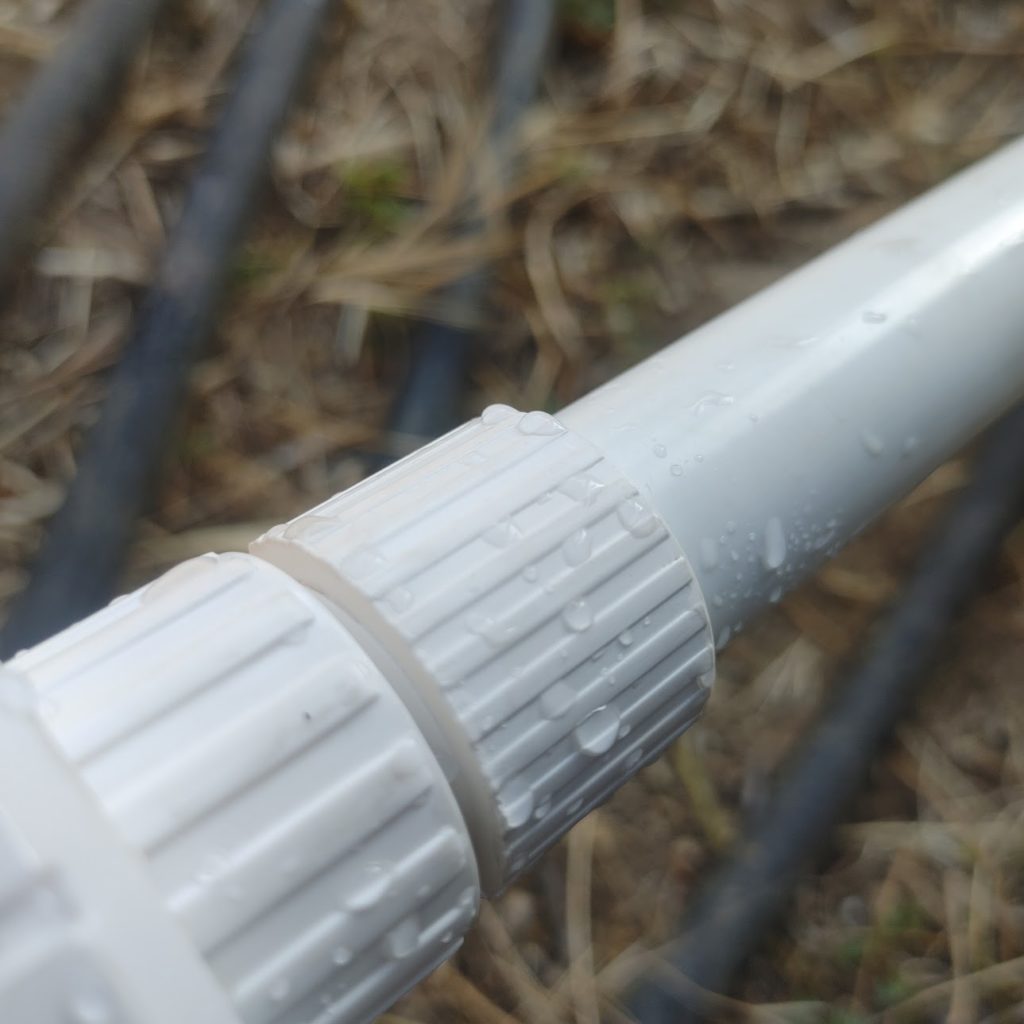
Compression fittings have a rubber gasket inside. When you tighten the fitting, it squeezes the pipe, creating a watertight seal without glue.
Steps
- Cut and clean the pipes: As always, smooth edges are a must.
- Slide on the nut and gasket: Put these on the pipe before inserting the pipe into the fitting.
- Push the pipe in: Make sure it bottoms out inside the fitting.
- Tighten the nut: Hand-tight is usually enough. For large pipes, use a wrench, but don’t over-tighten.
My Experience
- Compression fittings work best for low-pressure lines, like drainage or irrigation.
- If you notice a drip, tighten just a bit more or check that the gasket is seated right.
- They make disassembly easy if you ever need to move or replace a section.
3. Using Rubber Couplings (flexible And Fast)
For odd repairs or joining pipes of slightly different sizes, I reach for rubber couplings. These are flexible sleeves with metal clamps at each end.
What You Need
- Flexible rubber coupling (also called Fernco or no-hub coupling)
- Screwdriver or nut driver
Steps
- Slide the coupling over one pipe: Push it halfway on.
- Align both pipes: Bring the second pipe into position.
- Center the coupling: Slide it so it covers both pipe ends equally.
- Tighten the clamps: Use a screwdriver to tighten the metal bands until snug.
Why I Like Them
- They’re great for repairs in tight spots, like under sinks.
- They handle small differences in pipe size.
- Not as strong as glued joints, but good for quick fixes.
4. Using Push-fit (push-to-connect) Fittings
Push-fit fittings are newer, but I’ve used them for simple repairs. They have metal teeth and rubber seals inside. Just push the pipe in, and it locks tight.
Pros
- Fast—no glue, no tools.
- Can be removed with a special tool.
- Good for temporary fixes or when you’re in a hurry.
Cons
- Usually more expensive than other methods.
- Not always rated for high pressure.
5. Using Pipe Sleeves Or Couplings
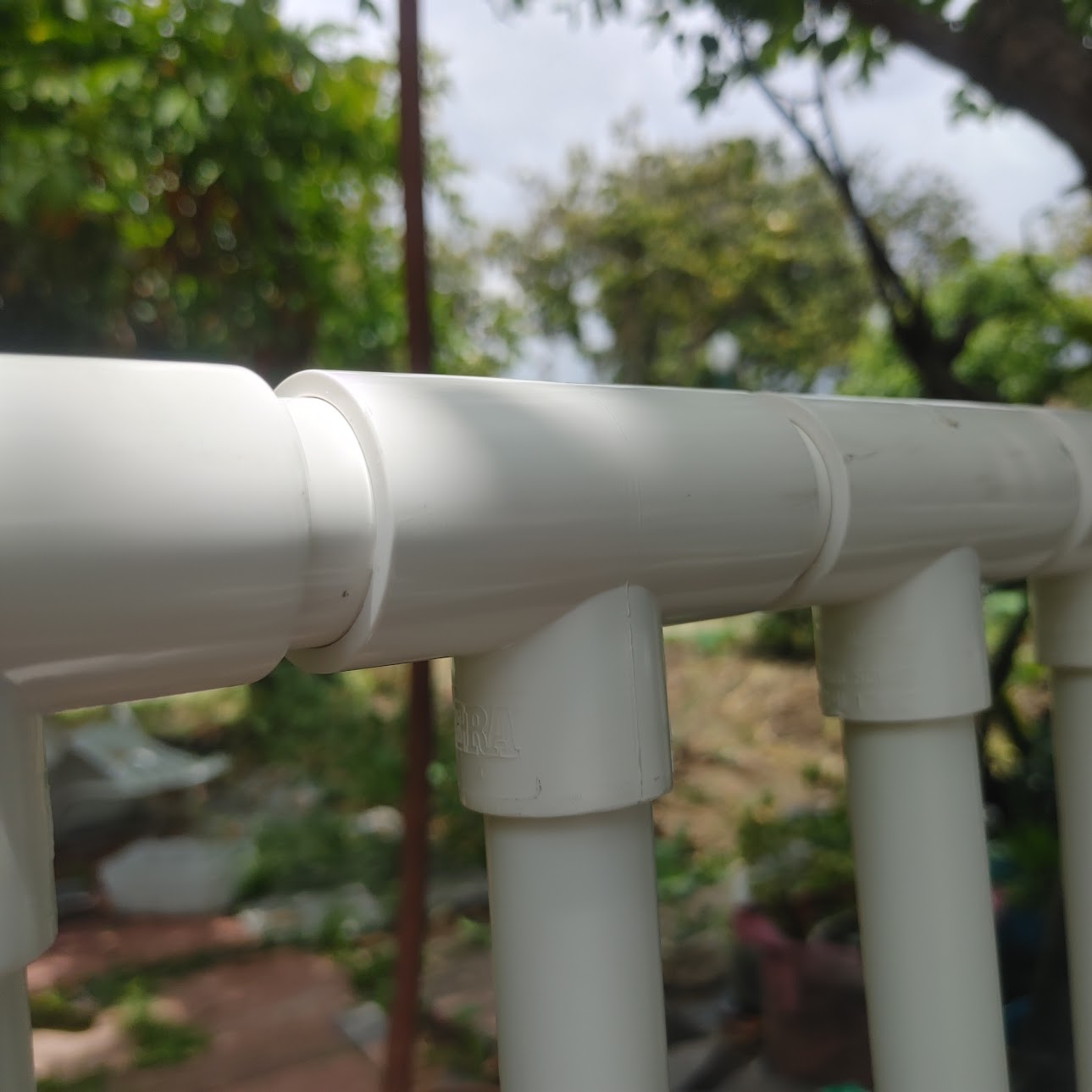
When you need to connect two straight pieces of pipe, a simple PVC coupling (a short, straight connector) is often all you need. These come in many sizes.
How I Use Them
- Slide the coupling over the ends of both pipes.
- Glue or use a compression version, depending on your needs.
Comparison: Which Method Should You Choose?
Here’s a quick way to see the main differences between these connection options:
| Method | Strength | Ease of Use | Removable? | Cost |
|---|---|---|---|---|
| PVC Cement | Very high | Moderate | No | Low |
| Compression Fitting | Medium | Easy | Yes | Medium |
| Rubber Coupling | Medium | Very easy | Yes | Medium |
| Push-Fit | Medium | Very easy | Yes (with tool) | High |
| Pipe Coupling | High (if glued) | Easy | No (if glued) | Low |
Tools And Materials: What Works Best
When I started, I bought a lot of extra tools I didn’t need. Now, I stick to the basics. Here’s what I really use:
- PVC pipe cutter or hacksaw: For clean, straight cuts.
- Sandpaper: Smooths the edges.
- Rag or towel: For wiping dust and moisture.
- PVC cement and primer: For permanent jobs.
- Compression or push-fit fittings: For quick or temporary connections.
- Screwdriver: If using rubber couplings.
One thing I learned: always double-check the diameter of your pipes and fittings. PVC comes in different sizes (like ½”, ¾”, 1″, etc.), and you want everything to match. If you buy the wrong size, the pipes won’t fit, no matter how much you sand or squeeze.
Here’s a quick look at common PVC pipe sizes and where I usually use them:
| Pipe Size | Common Use |
|---|---|
| 1/2 inch | Garden irrigation, small repairs |
| 3/4 inch | Home plumbing, sprinkler lines |
| 1 inch | Main water lines, pool plumbing |
| 2 inch | Drainage, large systems |
Step-by-step Example: Fixing A Leaky Pvc Drain
Let me walk you through a real repair I did under my kitchen sink. The old PVC drain had a crack, and both ends were smooth, no threads. Here’s how I fixed it:
- Measured the broken section: I cut out the damaged part using a hacksaw.
- Cut a new piece of pipe: I made sure it was the same length as the old one.
- Cleaned and sanded the ends: No burrs, no dust.
- Used a slip coupling: This is a long coupling that can slide over the pipe.
- Applied primer and cement: First on the pipe, then inside the coupling.
- Slid the coupling over both ends: I twisted slightly to spread the glue.
- Held everything in place: For about 30 seconds.
- Waited: Two hours before running any water.
That repair has lasted for years. The key is taking your time and prepping the pipe ends well.
Mistakes To Avoid (from My Experience)
I’ve made my share of errors. Here are some things I wish I’d known sooner:
- Don’t skip cleaning. Dirt, grease, or water can weaken the joint.
- Don’t rush the glue. Let it dry fully, or you’ll get leaks.
- Don’t overtighten compression fittings. You can crack the fitting or the pipe.
- Don’t use indoor-rated cement outside. Sunlight and rain can break it down.
- Don’t mismatch pipe sizes. Even a small difference means a bad seal.
Two Surprising Things Beginners Miss
- Temperature matters. In cold weather, glue takes longer to dry. In hot weather, it dries faster—sometimes too fast. I once tried gluing pipes outside on a hot day, and the cement dried before I could connect them!
- Pipe orientation is final. Once you glue PVC, you can’t twist or adjust it. So, dry-fit everything and make sure the pipes face the right way before applying cement.
Safety Tips
- Always work in a well-ventilated area when using cement or primer. The fumes are strong and not good to breathe in.
- Wear gloves. PVC cement can be hard to get off your skin.
- If you cut yourself on a pipe edge, clean the wound right away.
When To Call A Professional
Most home repairs are simple. But if you’re working on high-pressure water lines, or if you’re unsure about local plumbing codes, it’s best to get help. Some jobs, like main supply lines or gas pipes, should only be done by licensed plumbers.
For most DIY projects, though, the steps above will serve you well.
For more on the science behind PVC pipes and fittings, check out this Wikipedia article.
Frequently Asked Questions
How Long Does Pvc Cement Take To Cure?
Most PVC cement sets in minutes, but you should wait at least 15 minutes before moving the joint. For full strength, wait 2 hours before running water. If the temperature is cold, wait longer.
Can I Use Regular Glue For Pvc Pipes?
No, you need PVC solvent cement. Regular glue won’t bond the plastic well, and you’ll likely get leaks. Solvent cement actually melts the pipe surfaces together.
Are Compression Fittings As Strong As Glued Joints?
Compression fittings are strong enough for low-pressure lines, like drains. For high-pressure water lines, I always use glued joints for safety.
What If My Pipes Don’t Fit Exactly?
If the pipes are just slightly off, a rubber coupling can help. For bigger differences, use an adapter or reducer fitting. Never force pipes together.
Can I Reuse Pvc Fittings After They’ve Been Glued?
No, once a fitting is glued, it’s permanent. You’ll have to cut it out and use a new fitting if you need to change things.
Connecting PVC pipes without threads has saved me time, money, and frustration on many projects. With the right method, a little patience, and some basic tools, you can make strong, reliable connections that last. Don’t be afraid to try—every project is a chance to learn and improve.
As an Amazon Associate, We earn from qualifying purchases