
Can You Spot Weld Stainless Steel? My Hands-on Guide
A few years back, I stood in my garage with a pile of stainless steel sheets and a borrowed spot welder. I had a simple question: Can you spot weld stainless steel? Like many people, I was unsure. I had welded mild steel before, but stainless seemed a bit mysterious. Would it work? Would the welds be strong? Would I ruin my materials?
Let me walk you through what I learned, mistakes and all. If you’re thinking about spot welding stainless steel—whether for a DIY project, car repair, or just curiosity—this guide is for you. I’ll share real tips, common problems, and what surprised me most along the way.
What Is Spot Welding?
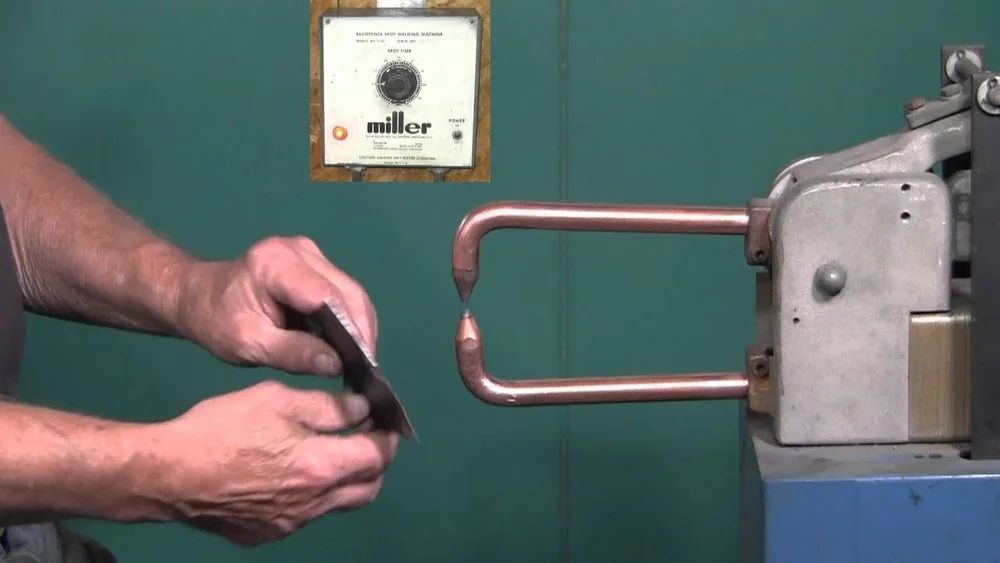
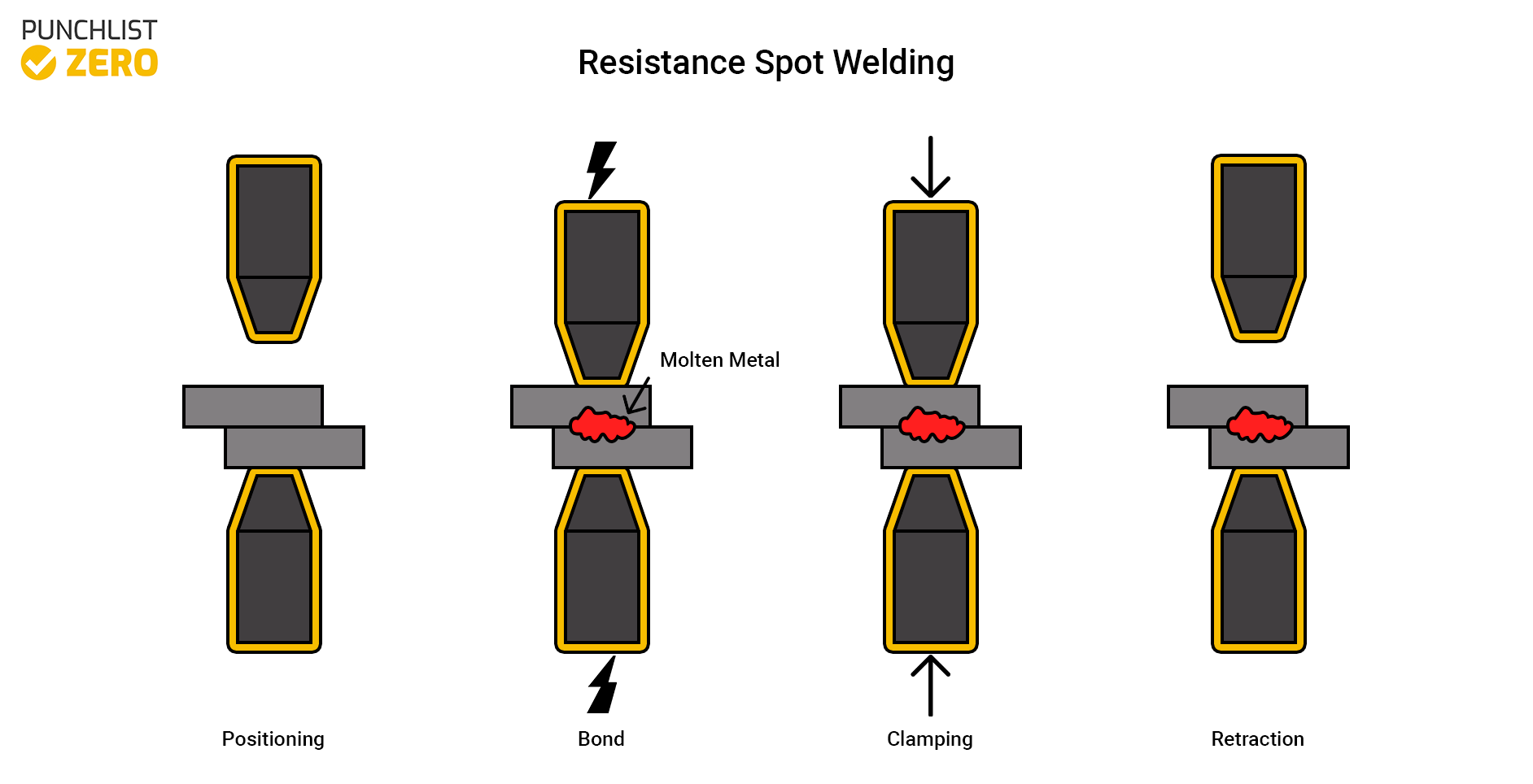
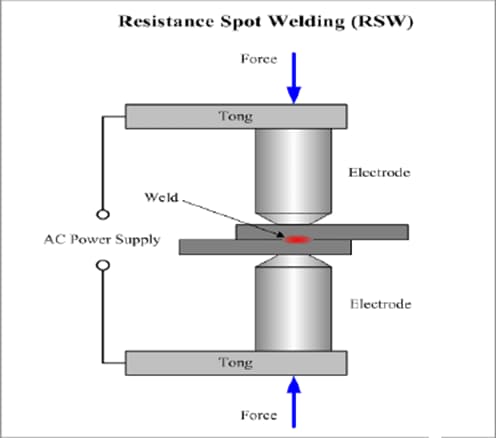
Spot welding, in simple words, is a way to join two metal sheets by pressing them together with electrodes and sending a burst of electric current. The heat melts a small spot, fusing the metals. It’s fast, clean, and doesn’t need extra material like rods or gas.
It’s used everywhere: car bodies, kitchen appliances, even some jewelry. The beauty is in its simplicity. But does it work with stainless steel? Let’s get to that.
Is It Possible To Spot Weld Stainless Steel?
Yes, you absolutely can spot weld stainless steel. I’ve done it, and so have many professionals. In fact, spot welding is a popular method for joining stainless steel in factories, especially for things like sinks, food equipment, and even medical devices.
But—there’s always a but—stainless steel isn’t exactly the same as mild steel. It’s a bit trickier, and you need to keep some things in mind to get good results.
Why Spot Welding Stainless Steel Is Different
My first attempt was rough. The welds looked weak, and some didn’t hold at all. Here’s what I found out:
- Stainless steel resists heat more than regular steel. This means it needs more energy to melt and join.
- It’s easy to overheat and cause burn-through, leaving ugly holes.
- Stainless steel forms a thin layer of chromium oxide on the surface. This helps it resist rust, but can get in the way of a good weld.
After a few trial runs, I realized that small changes in settings made a big difference. Patience and practice were key.
Spot Welding Process: Step By Step
If you’re planning to try this, here’s the process I followed. This method worked well for me with sheets between 0. 5mm and 2mm thick.
1. Clean The Surfaces
Dirt, oil, and even fingerprints can ruin a spot weld. I used rubbing alcohol and a clean rag. Sometimes I lightly sanded the spots to remove that invisible oxide layer.
2. Line Up The Sheets
I clamped the stainless sheets tightly. Any gap will weaken the weld.
3. Set The Spot Welder
For stainless, I had to increase the current or weld time compared to mild steel. Most spot welders let you adjust both. I started low and slowly increased until the welds looked good and held strong.
4. Weld In Short Bursts
Each weld took about 0. 5 to 1 second. Too long, and I’d burn through the metal. Too short, and the welds didn’t hold.
5. Space The Welds Correctly
I kept each spot about 20mm apart. Closer, and the heat would warp the metal.
6. Check The Welds
I tested by trying to pull the sheets apart. If the welds popped off, I adjusted the settings and tried again.
Choosing The Right Spot Welder For Stainless Steel
Not every spot welder is up to the job. Here’s what I learned about picking the right one:
| Feature | Why It Matters | My Experience |
|---|---|---|
| Power Output | Stainless needs more heat | Low-power models struggled. Look for at least 5kVA. |
| Adjustable Timer | Prevents burn-through | Essential for dialing in the right weld time. |
| Electrode Quality | Good copper tips last longer | Cheap tips wore out fast and left weak welds. |
| Cooling System | Prevents overheating | My air-cooled welder worked, but water-cooled is better for big jobs. |
If you’re just doing a few welds at home, a small handheld spot welder can work. For big or thick jobs, you’ll need something more powerful.
Best Types Of Stainless Steel For Spot Welding
Not all stainless steel is the same. I learned this the hard way when I accidentally used a hardenable grade that didn’t weld well. Here’s a quick rundown:
| Type | Weldability | Common Uses |
|---|---|---|
| 304 (Austenitic) | Very Good | Sinks, cookware, appliances |
| 316 (Austenitic) | Very Good | Marine, medical tools |
| 430 (Ferritic) | Good | Automotive trim, kitchenware |
| 410 (Martensitic) | Poor | Cutlery, tools |
Austenitic types like 304 and 316 are the easiest to spot weld. Ferritic types can work, but martensitic types are tough and often crack. So, check your metal before you start.
Common Mistakes I Made (so You Don’t Have To)
Spot welding stainless steel sounds simple, but it’s easy to make mistakes. Here are a few I ran into, and how I fixed them:
1. Not Cleaning The Metal
Even tiny bits of oil or oxide ruined welds. Now, I always clean well.
2. Wrong Welder Settings
I started with the same settings as mild steel. That didn’t work. Stainless needs more current or time.
3. Holding The Trigger Too Long
Burn-through happened fast. Short bursts are better.
4. Welding Near The Edge
Welds close to the sheet’s edge often failed. I now keep at least 10mm from the edge.
5. Using The Wrong Electrodes
Cheap electrodes wore out and made ugly welds. Investing in good copper tips saved me time and money.
Spot Welding Vs Other Welding Methods
I tried other welding methods with stainless steel: MIG, TIG, and stick welding. Each has pros and cons. Here’s how spot welding stacks up:
| Method | Speed | Skill Needed | Best For |
|---|---|---|---|
| Spot Welding | Very Fast | Beginner | Sheet metal, quick joins |
| MIG Welding | Medium | Beginner/Intermediate | Thicker metals, longer seams |
| TIG Welding | Slow | Advanced | Precise, clean welds |
| Stick Welding | Slow | Intermediate | Heavy-duty jobs |
For thin sheets and quick jobs, spot welding is hard to beat. But for thicker or more complex shapes, MIG or TIG is often better.
How To Check If Your Spot Welds Are Good
The first time I finished a batch of spot welds, I thought I was done. But then, a few welds popped loose. Here’s how I now check my welds every time:
- Visual check: The weld should be smooth, round, and flat. No cracks or holes.
- Pull test: Try to peel the sheets apart. A good weld will tear the metal around the spot before it lets go.
- Hammer tap: Tap the weld lightly. A dull sound means a strong weld. A sharp “ping” often means it’s weak.
Sometimes, I cut a test sample and bend it until it breaks. This tells me if the weld fused both sheets properly.
Safety Tips I Wish I Knew Earlier
Spot welding seems safe, but there are real hazards. Here’s what I always do now:
- Wear gloves: The metal gets hot fast, and I’ve burned my fingers more than once.
- Eye protection: Even though it’s not as bright as arc welding, sparks can fly.
- Work in a ventilated space: Burning stainless can release fumes. I open a window or use a fan.
- Avoid wet surfaces: Electricity and water don’t mix. Once, a small puddle almost gave me a shock.
Practical Tips For Best Spot Welds
After many tries, these simple tricks helped me get better results:
- Practice on scrap pieces first. Every batch of stainless acts a bit different.
- Keep electrodes clean. Dirty tips make weak welds.
- Let the welder cool down between long runs. Overheating ruins weld quality.
- Use a steady hand. Press the electrodes firmly and keep them still during the weld.
- Don’t rush. Take your time setting up each weld for the best strength.
When Not To Use Spot Welding On Stainless Steel
Spot welding is great, but not for everything. Here’s when I avoid it:
- Thick pieces: Over 2mm thick, spot welders struggle.
- Complex shapes: If the electrodes can’t reach, it won’t work.
- High-stress joints: For critical parts, I use TIG or MIG for stronger, longer welds.
Real-world Examples
I’ve used spot welding on stainless for:
- Repairing kitchen shelves: Fast and neat.
- DIY battery packs: Clean, reliable joins.
- Car body patches: Holds tight, looks good under paint.
A friend in the food industry told me his company uses spot welding for every stainless table and sink. The welds are fast, smooth, and easy to keep clean.
Helpful Resources
If you want to dive deeper, the Wikipedia page on spot welding has solid technical info and diagrams.

Frequently Asked Questions
Can You Spot Weld Stainless Steel At Home?
Yes, you can. I’ve done it with a small spot welder in my garage. Just make sure your welder is strong enough and you clean the metal well. For thin sheets, it’s very doable.
What Is The Best Thickness For Spot Welding Stainless Steel?
I’ve had the best luck with sheets between 0. 5mm and 2mm thick. Thicker than that, the welder might not fuse the metal well. Thinner sheets can burn through if you’re not careful.
Do You Need Special Electrodes For Stainless Steel?
Copper electrodes are standard, but for stainless, it helps to use high-quality copper tips. They last longer and give better welds. Keep them clean for best results.
Are Spot Welds On Stainless Steel Strong Enough?
For most uses—like kitchen items, car panels, or light frames—spot welds are strong enough. For heavy or high-stress parts, I use another welding method for extra strength.
Is Spot Welding Stainless Steel Safe?
It’s safe if you take basic precautions. Wear gloves, protect your eyes, and work in a well-ventilated area. Stainless fumes can be harmful in high amounts, so never weld in a closed room.
Spot welding stainless steel can seem intimidating, but with the right setup and a little patience, it’s not hard to get great results. Trust me, the feeling when your welds hold tight is worth the effort.
As an Amazon Associate, We earn from qualifying purchases