
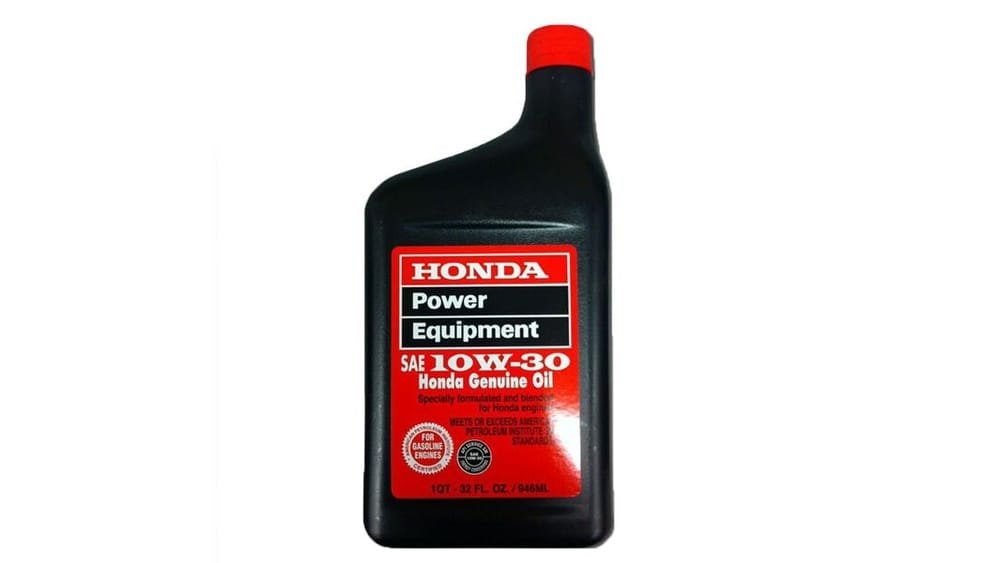
If you ever stood in your garage with an air compressor at your feet, oil bottle in your hand, and a puzzled look on your face, you’re not alone. I’ve been there too—wondering, “What oil should I use in my air compressor?
” I learned the hard way that oil isn’t just oil. The type you use can make your compressor run smooth or send it to an early grave. Let me walk you through what I’ve learned over the years, so you don’t repeat my mistakes.
Why Air Compressor Oil Matters
At first, I thought any oil would do. I used whatever was lying around—engine oil, some leftover 3-in-1, even motorbike oil once. Big mistake. My compressor started making weird noises, got hot fast, and eventually, the inside rusted. I realized air compressors need special oil because of how they work.
The oil’s main job is to lubricate moving parts, reduce friction, and carry away heat. It also helps fight rust and keeps dirt from wearing down the machine. If you pick the wrong oil, your compressor might overheat, wear out faster, or even stop working. So, getting the right oil is not just a small detail—it’s a must for keeping your compressor alive.
Types Of Air Compressor Oil
I’ll be honest. The first time I went shopping for compressor oil, I had no idea there were different kinds. Let’s break down the main options you’ll find.
1. Standard Mineral Oil
This is the most common type. It’s made from refined crude oil. Most basic home compressors use this. It’s affordable and easy to find.
Pros:
- Cheap
- Works fine for small jobs
- Good for light use
Cons:
- Doesn’t last as long
- Breaks down faster in heat
I used mineral oil for my first little pancake compressor. For simple jobs like inflating tires, it worked well.
2. Synthetic Oil
Synthetic oil is made in a lab. It lasts longer, keeps its quality in high heat, and protects the machine better.
Pros:
- Runs cleaner
- Handles heat better
- Lasts much longer
Cons:
- More expensive
- Not always needed for small home compressors
I switched to synthetic when I bought a bigger compressor for painting. I noticed it ran cooler and quieter.
3. Non-detergent Oil
This is key. Air compressors don’t like detergents. Regular motor oil has detergents to clean car engines, but in a compressor, it can make foam and leave behind gunk. Always use non-detergent oil unless your manual says otherwise.
4. Oil-free Compressors
Some compressors don’t need oil at all. They use special coatings inside. These are common for small, portable models. If your compressor is oil-free, don’t add oil. I did this once by mistake—made a big mess and almost ruined the pump.
What Viscosity To Choose (the “weight” Of Oil)
You’ll see numbers like SAE 20 or SAE 30 on oil bottles. This means how thick the oil is. Lower numbers (like SAE 20) are thinner and flow easier in the cold. Higher numbers (SAE 30) are thicker and better for warm weather.
Most compressors use SAE 20 or SAE 30 non-detergent oil. My garage gets cold in winter, so I use SAE 20 then, and switch to SAE 30 in summer.
Here’s a simple table to help you see when to use each oil:
| Oil Type | Best For | Temperature Range |
|---|---|---|
| SAE 20 | Winter/cold garages | Below 32°F (0°C) |
| SAE 30 | Summer/hot shops | Above 32°F (0°C) |
| Synthetic 20W-50 | Wide range, heavy use | -20°F to 120°F (-29°C to 49°C) |
How To Choose The Right Oil For Your Compressor
This choice depends on a few things. I learned to always check the user manual first. If you lost yours (like I did), check the brand’s website or look for a sticker near the oil fill cap.
Here are my go-to steps:
- Read the Manual: The right oil type is usually listed here.
- Consider the Weather: Thin oil for cold, thick oil for hot.
- Look at Your Usage: For heavy or daily work, synthetic oil is worth it.
- Check If It’s Oil-Free: Some compressors don’t need oil at all.
I once used the wrong oil (SAE 10W-30 with detergent) and noticed my air tools started spitting out oil mist. That was a pain to clean up. After that, I stuck to non-detergent only.
Popular Air Compressor Oil Brands
I’ve tried a bunch of brands over the years. Some are better than others. Here are a few I trust:
- Makita Compressor Oil: Smooth and reliable for all-day jobs.
- Royal Purple Synthetic: Best for heavy-duty work, but pricey.
- DEWALT Compressor Oil: Easy to find and works well for mid-size compressors.
- Campbell Hausfeld: Good budget pick for home use.
When in doubt, I choose the same brand as my compressor. It avoids any warranty issues.
How Often To Change Air Compressor Oil
This part surprised me. My first compressor burned up because I never changed the oil. Most manuals say to change oil after the first 50-100 hours, then every 200-500 hours after that. For home use, that’s about once a year. If you use your compressor daily, check it every few months.
I mark my calendar to remind myself. If the oil turns dark or smells burnt, I change it right away.
How To Change The Oil (step-by-step)
Changing the oil isn’t hard, but it’s easy to mess up. Here’s how I do it:
- Unplug the Compressor: Safety first—never work with it plugged in.
- Let It Cool: Hot oil can burn you.
- Find the Drain Plug: Usually at the bottom of the pump.
- Drain the Oil: Use a pan, and tilt the compressor if needed.
- Replace the Plug: Wipe any drips.
- Add New Oil: Pour slowly, watch the sight glass or dipstick.
- Check the Level: Don’t overfill—too much oil is as bad as too little.
I always use a funnel and some old rags. Oil can stain floors and clothes fast.
Signs You’re Using The Wrong Oil
I learned to spot these warning signs over time:
- Loud or knocking noises
- Excess heat from the pump
- Oil leaks or foaming
- Rusty or milky oil
- Burnt smell
If you see any of these, drain the oil and refill with the right one. I saved my compressor from damage by catching these early.

Mineral Vs. Synthetic Oil: What’s Best?
Let me compare from experience. I used mineral oil for years—cheap and easy for light jobs. But when I started using my compressor for big projects, I switched to synthetic.
Here’s how they stack up:
| Feature | Mineral Oil | Synthetic Oil |
|---|---|---|
| Price | Low | High |
| Heat Resistance | Fair | Excellent |
| Oil Change Interval | Short | Long |
| Best For | Light, home use | Heavy, pro use |
From my experience, synthetic oil is worth the extra money if you use your compressor a lot. For simple jobs, mineral oil does fine.
Common Mistakes (and How I Fixed Them)
I’ve made plenty of errors over the years. Here are a few, so you can avoid them:
- Using motor oil with detergents: This creates foam and leaves residue inside.
- Not checking the oil level: Low oil overheats the pump.
- Mixing oil types: This can cause gunk or loss of protection.
- Ignoring the manual: Each compressor is different—don’t guess.
- Forgetting seasonal changes: Thick oil in winter can slow start-ups.
Now, I keep a small bottle of the right oil on my workbench, and I check the oil before any big job.
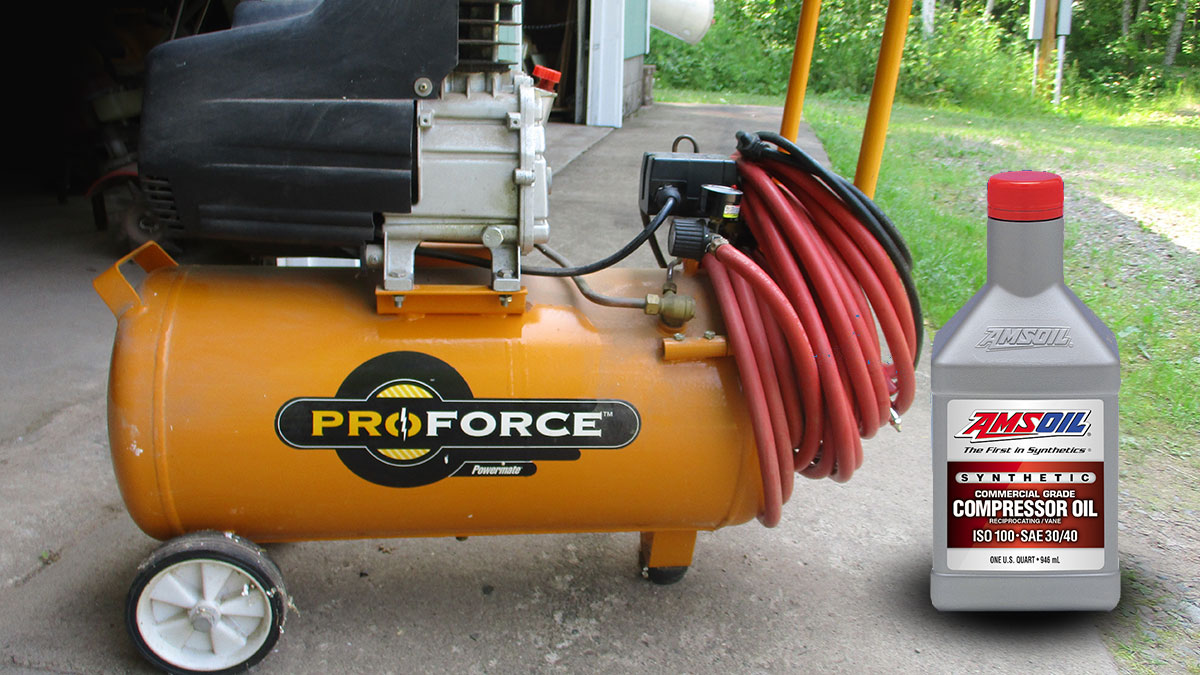
My Favorite Oil Choices For Different Uses
I get asked a lot, “What’s the best oil for my compressor? ” My advice depends on what you do.
- Light, occasional use: Go with SAE 30 non-detergent mineral oil.
- Year-round, garage use: Use synthetic 20W-50 for wide temp range.
- Heavy-duty, pro shop: Royal Purple Synthetic or Makita Synthetic.
- Cold climate: SAE 20 non-detergent or synthetic.
If you want more technical details, the Wikipedia Air Compressor page is a good place to start.
Practical Tips For Long Compressor Life
After years of trial and error, here’s what keeps my compressor running smooth:
- Check the oil monthly—top up before it gets low.
- Drain water from the tank after each use to fight rust.
- Keep the intake filter clean—dirt kills compressors fast.
- Store oil indoors—cold oil can get thick and hard to pour.
- Label your oil so you don’t use the wrong type by mistake.
I once ruined a full quart of expensive synthetic by leaving the cap loose—dust got in, and I had to toss it. Lesson learned.

Frequently Asked Questions
What Happens If I Use Motor Oil In My Air Compressor?
Motor oil often has detergents. These can make foam and leave deposits inside your compressor. This can cause overheating and damage over time. Always use non-detergent oil made for compressors.
How Do I Know If My Compressor Is Oil-free?
Check your user manual or look for a label on the machine. Oil-free compressors don’t have an oil fill cap or sight glass. If you’re unsure, call the manufacturer.
Can I Use Synthetic Oil In Any Air Compressor?
Most compressors can handle synthetic oil, but always check your manual first. Some older models may not work well with synthetic, but most modern ones are fine.
How Much Oil Does My Compressor Need?
It depends on the size. Small home compressors usually need about 6–8 ounces (175–240 ml). Larger shop compressors can take 1–2 quarts (1–2 liters). Never overfill—check the sight glass or dipstick.
How Often Should I Change Air Compressor Oil?
For home use, change oil once a year or every 200–500 hours. For heavy daily use, check and change every few months. Always change after the first 50–100 hours on a new compressor.
—
Choosing the right oil for your air compressor isn’t hard once you know what to look for. I’ve learned from mistakes, and now I stick to non-detergent, right viscosity, and regular checks. My compressors run smoother, last longer, and don’t break down when I need them most.
If you follow these tips, your compressor will serve you well for years. Happy compressing!
As an Amazon Associate, We earn from qualifying purchases