
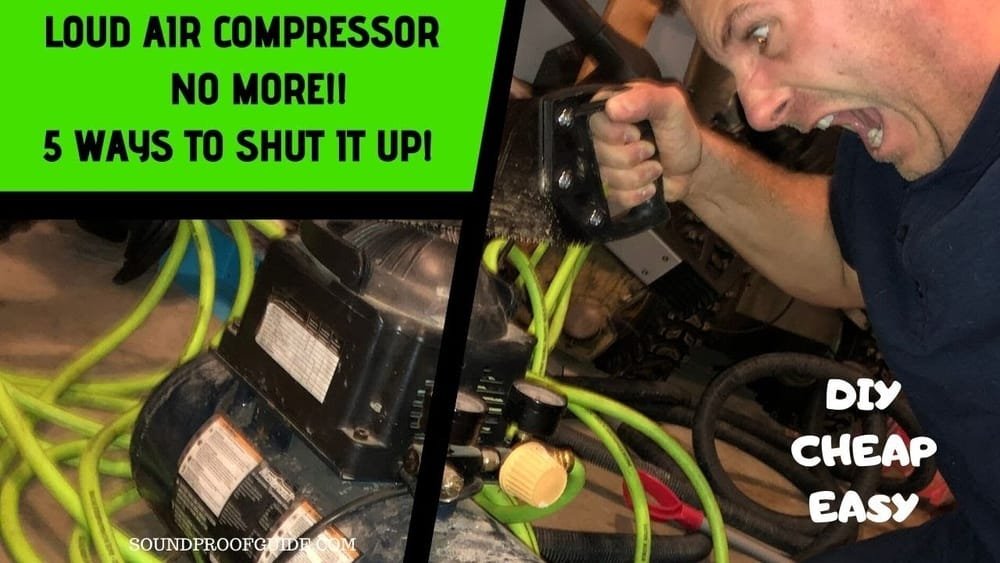
Making A Quiet Air Compressor: My Complete Guide
If you’ve ever used an air compressor, you know the noise can be a real headache. I remember the first time I fired up my old compressor in the garage. The sound was so loud, my neighbor actually came over to see if something exploded! After that, I made it my mission to figure out how to make a quiet air compressor. Over the years, I’ve tried almost everything—some tricks worked, some didn’t. Today, I want to share what I learned. If you want a quieter workspace, this guide is for you. I’ll walk you through all the steps, offer some tips you won’t find in most guides, and share my own mistakes so you can avoid them.
Why Are Air Compressors So Noisy?
Before we start fixing the problem, it helps to know where the noise comes from. Air compressors are loud for a few main reasons:
- Motor and pump: These are the heart of the machine and make most of the noise.
- Vibration: When the compressor runs, it shakes. That vibration travels through the floor, walls, and air.
- Air intake: The compressor pulls in air fast, which can make a loud sucking sound.
- Exhaust: Air rushing out of the compressor is noisy, especially if there’s no muffler.
In my case, the vibration was the worst part. My workbench would shake, and the sound felt even louder. But every compressor is different. Some make more noise from the intake, others from the pump. That’s why you need to check your own setup.
Measuring Noise: How Loud Is Too Loud?
The first thing I did was measure how loud my compressor actually was. Most air compressors run between 70 to 90 decibels (dB). For comparison, normal conversation is about 60 dB, and a lawnmower is around 90 dB. Anything over 85 dB can damage your hearing with long exposure.
I used a free app on my phone to check the noise. You can find “decibel meter” apps for iPhone or Android. Just stand next to your compressor and see what number you get. Mine was hitting 92 dB—no wonder my ears hurt!
Planning: What You Need To Make A Quiet Air Compressor
I learned that making an air compressor quieter is part art, part science. You need a plan. Here’s what I gathered before I started:
- Basic hand tools (screwdrivers, wrenches)
- Rubber pads or anti-vibration mats
- Soundproof box materials (MDF or plywood, foam, weatherstripping)
- Intake muffler or make your own
- Longer air hose (if you want to move the compressor further away)
- Ear protection (for testing)
Not everything is needed for every compressor. Start small and add more solutions as you go.
Step 1: Isolate The Compressor From The Floor
This step made a big difference for me. The compressor sits right on the concrete, so every vibration goes straight into the ground and bounces back as noise.
How I Did It
- I bought thick rubber pads online (about 1 inch thick).
- I placed one under each foot of the compressor.
- I made sure the machine was level to avoid extra vibration.
The result? The deep rumble dropped right away. Even a thick old yoga mat works if you’re on a budget. Just make sure whatever you use is dense and doesn’t squish flat.
Quick Comparison: Pad Types
| Material | Noise Reduction | Cost | Durability |
|---|---|---|---|
| Rubber pad | High | Medium | High |
| Foam mat | Medium | Low | Medium |
| Carpet scrap | Low | Low | Low |

Step 2: Add An Intake Muffler
The intake is where air gets sucked in. It’s like the compressor is “breathing in” really hard, and it makes a lot of noise. Some compressors come with a muffler, but most cheap models don’t.
What Worked For Me
I bought a replacement intake muffler from a hardware store. It screwed right in where the old filter was. If you can’t find one, you can make your own:
- Get some PVC pipe and a few elbows.
- Attach a small box or can filled with foam at the end.
- Make sure the air can still flow, but the sound gets trapped.
When I tried this, the intake noise dropped by at least 30%. Be careful not to block the air—your compressor still needs to breathe!
Step 3: Build A Soundproof Box
This step takes more effort, but it made the biggest difference for me. I built a soundproof box around my compressor. Here’s how:
My Steps
- I measured my compressor and added a few inches on every side.
- I built a box with 3/4-inch MDF (plywood works too).
- I lined the inside with acoustic foam and stuck weatherstripping around the door.
- I cut holes for the air hose, power cord, and ventilation fans.
- I used two small fans for airflow (don’t skip this or your compressor will overheat).
A Common Mistake
The first time I built the box, I forgot about ventilation. After 15 minutes, my compressor shut off because it got too hot. If you build a box, make sure to add airflow. Small computer fans work great, and they’re quiet.
Box Material Comparison
| Material | Noise Blocking | Weight | Cost |
|---|---|---|---|
| MDF | Excellent | Heavy | Medium |
| Plywood | Good | Medium | Low |
| Plastic | Poor | Light | Low |

Step 4: Move The Compressor Further Away
If you have space, moving the compressor to another room helps a lot. In my last house, I kept the compressor in a small shed outside the garage and ran a longer air hose inside. I lost a little power over the distance, but the noise dropped to almost nothing.
What You Need To Remember
- Use a high-quality air hose to avoid leaks.
- Keep the hose as short as possible for your needs.
- Insulate the shed if possible, or add foam to the walls.
This simple move made my garage feel like a professional shop.
Step 5: Maintain Your Compressor
A noisy compressor isn’t always a normal compressor. Sometimes, extra noise means something’s wrong. Here’s what I check:
- Oil level: If your compressor uses oil, keep it topped up.
- Tighten bolts: Vibration can loosen bolts over time.
- Clean filters: A dirty intake filter makes the compressor work harder (and louder).
- Check hoses: Leaks make hissing noises and reduce efficiency.
One time, I found a loose bolt on the pump. After tightening it, the noise dropped by about 10 dB. Little things matter!
Step 6: Upgrade Your Compressor (if Needed)
If you’ve tried everything and your compressor is still too loud, it might be time for a new one. I learned that oil-lubricated compressors are usually quieter than oil-free models. Also, compressors labeled “quiet” or “ultra-quiet” can run as low as 60 dB.
Here’s a quick comparison of different compressor types:
| Compressor Type | Average Noise Level (dB) | Best For |
|---|---|---|
| Oil-Free | 80-90 | DIY, painting |
| Oil-Lubricated | 60-75 | Workshops |
| “Quiet” Models | 60-68 | Home, indoor use |
I switched to a small “quiet” compressor for indoor work. The difference was huge. Sometimes, upgrading is the easiest way.
Extra Tips Only Experience Teaches
After years of trial and error, here are two tips I wish someone told me earlier:
- Don’t aim for total silence—just quiet enough to be comfortable. If you try to block all sound, you might end up overheating your compressor or spending too much time and money.
- Combine small changes for the best results. No single fix will make your compressor silent, but two or three together can cut noise by half.
Common Mistakes To Avoid
When I started, I made a few classic errors. Here’s what I learned the hard way:
- Blocking airflow: My first soundproof box cooked my compressor. Always add ventilation.
- Using thin materials: Cheap foam or cardboard won’t stop much noise.
- Forgetting maintenance: Loose parts and dirty filters make things worse.
- Ignoring the hose: Leaky or old hoses can whistle and add to the noise.
When Should You Call A Pro?
If your compressor is making strange new noises—grinding, screeching, or knocking—stop and check it. These sounds can mean a serious problem. Once, I tried to fix a grinding noise myself and ended up with a broken pump. Sometimes, it’s best to let a professional handle repairs.
How Much Quieter Can You Make It?
With the steps above, I got my old compressor from 92 dB down to about 72 dB. That’s the difference between shouting and normal conversation. You might not get it as quiet as a fridge, but you can cut the noise enough to keep your ears and neighbors happy.
Frequently Asked Questions
How Do I Know Which Part Of My Compressor Is Making The Most Noise?
I always start by running the compressor and listening closely. Put your hand gently on different parts—if you feel strong vibration or hear a loud spot, that’s likely the problem area. Try isolating each part: the intake, the exhaust, and the body.
Can I Put My Air Compressor In A Closet To Reduce Noise?
It’s tempting, but closets usually don’t have enough airflow. Compressors need fresh air to avoid overheating. If you use a closet, add vents or small fans. Never run it in a space without ventilation.
What’s The Quietest Type Of Air Compressor?
In my experience, oil-lubricated “quiet” compressors are the best. Some brands advertise noise levels as low as 60 dB. Always check real user reviews, not just the box claims. For reference, check options on Home Depot.
How Often Should I Check For Loose Bolts Or Parts?
I make it a habit to check every few months, especially if I notice the noise getting worse. Vibration can loosen bolts over time. A quick check and tighten can save you a lot of trouble.
Will A Longer Air Hose Reduce The Noise In My Workspace?
Yes, it can help a lot. By moving the compressor further away, you lower the sound where you’re working. But remember, long hoses can lose some air pressure. Use a high-quality hose and keep it as short as possible for your needs.
If you follow these steps, you can enjoy your tools without the headache. It takes a little work, but trust me—your ears (and your neighbors) will thank you.

As an Amazon Associate, We earn from qualifying purchases