
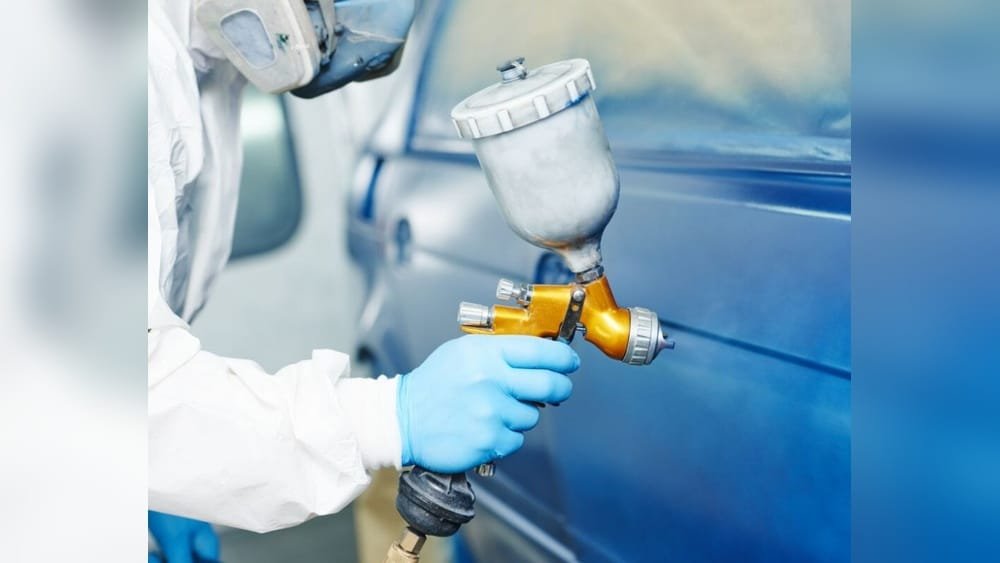
If you’re thinking about painting cars and wondering, “What size air compressor do I really need?”, you’re not alone. I remember the first time I tried to spray paint a car in my garage. I thought any old compressor would do. Spoiler alert: it was a disaster. The paint job came out uneven, my spray gun sputtered, and I had to redo everything. After that, I did a lot of research and tried different setups. Today, I want to share what I’ve learned—so you can skip the frustration and get a smooth, pro-level finish.
Why Air Compressor Size Matters For Car Painting
Air compressors are the heart of any car painting setup. Size matters because painting a car isn’t like filling your tires or using a nail gun. You need steady airflow, the right pressure, and enough power to keep your spray gun running smoothly. If your compressor is too small, you’ll get uneven spray, overspray, and even splotchy paint. If it’s too big, you may spend more money than you need.
I learned the hard way that a mismatched compressor makes everything harder. The paint dries wrong. You get tired, and you waste time fixing mistakes. That’s why getting the right size is so important.
Understanding Key Air Compressor Specs
Before you choose, let’s break down the three most important specs:
- CFM (Cubic Feet per Minute): This is how much air the compressor delivers. Spray guns need a steady flow, usually between 6-12 CFM for car painting.
- Tank Size: This is measured in gallons. A bigger tank means more reserve air, so the compressor doesn’t have to run constantly.
- PSI (Pounds per Square Inch): This is the pressure. Most spray guns need 30-50 PSI.
When I first bought a compressor, I only looked at PSI. Big mistake. My gun kept running out of air. Always check CFM first, then tank size, then PSI.
What Size Air Compressor Do You Need For Painting Cars?
After lots of trial and error (and a few ugly paint jobs), here’s the setup I found that works for most car painting tasks:
- CFM: Minimum 10 CFM at 40 PSI for full car jobs. Smaller parts (like bumpers or doors) might work with 7-9 CFM, but you’ll finish faster and with fewer problems if you go higher.
- Tank Size: At least 50 gallons for painting a whole car in one go. For small touch-ups, you might get by with 30 gallons, but you’ll need to stop and let the compressor catch up.
- PSI: Most spray guns work best at 30-40 PSI. Some HVLP guns need a bit less, like 20-25 PSI, but still need good CFM.
Here’s a quick comparison of common setups I’ve seen or used:
| Compressor Size | CFM @ 40 PSI | Tank Size | Best For |
|---|---|---|---|
| 20-gallon, small portable | 4-5 CFM | 20 gallons | Touch-ups, small parts |
| 30-gallon, mid-size | 6-7 CFM | 30 gallons | Panels, bumpers |
| 60-gallon, professional | 10-13 CFM | 60 gallons | Full car |
When I upgraded to a 60-gallon compressor with 12 CFM, it was a game changer. My spray gun never sputtered, and I could paint a whole car in one session.
The Types Of Spray Guns And Their Air Needs
Not every spray gun needs the same air supply. Here’s what I found after using different guns:
Hvlp (high Volume, Low Pressure) Guns
- CFM: 8-13 CFM
- PSI: 15-25 PSI
- Pros: Less overspray, saves paint, better for beginners.
- Cons: Needs more air volume.
I use HVLP guns for almost every job. They give a smooth finish and waste less paint.
Lvlp (low Volume, Low Pressure) Guns
- CFM: 5-7 CFM
- PSI: 10-20 PSI
- Pros: Works with smaller compressors, good for small jobs.
- Cons: Not great for full cars.
I tried an LVLP gun when I only had a small compressor. It worked for painting a fender, but not a whole car. The finish was okay, but it took a long time.
Conventional (high Pressure) Guns
- CFM: 10-14 CFM
- PSI: 40-60 PSI
- Pros: Fast coverage.
- Cons: Uses more paint, more overspray.
These are less common now, but if you use one, you need a bigger compressor.
Here’s a table comparing their air needs:
| Spray Gun Type | CFM Range | PSI Range | Best Use |
|---|---|---|---|
| HVLP | 8-13 | 15-25 | Full car, panels |
| LVLP | 5-7 | 10-20 | Small parts |
| Conventional | 10-14 | 40-60 | Large jobs, fast coverage |
How To Match Your Compressor And Spray Gun
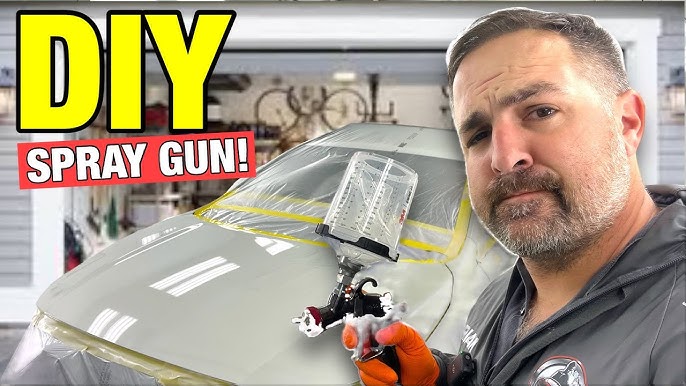
This is where many people (myself included, once) go wrong. Your compressor’s CFM must be equal to or greater than your spray gun’s CFM. If your spray gun needs 10 CFM, but your compressor only gives 6, you’ll get weak spray and uneven paint.
Always check your spray gun’s manual for its CFM and PSI needs. Then, look for a compressor that matches or beats those numbers.
Here’s how I do it:
- Check spray gun specs (CFM and PSI).
- Look at the compressor’s output at 40 PSI (not just max PSI).
- Make sure the compressor’s CFM is at least equal to the spray gun’s CFM, ideally 10-20% higher for buffer.
Real-world Examples
Let me share a few setups I’ve used and what happened:
My First Setup: 20-gallon Compressor, 4.5 Cfm
I tried painting a car door. After two minutes, the compressor couldn’t keep up. The spray gun started spitting and paint looked patchy. I had to stop every few minutes for the compressor to catch up. The finish was rough and uneven.
Upgraded: 30-gallon Compressor, 7 Cfm
This worked better for small jobs. I painted a bumper and a fender without too many stops. But painting a whole car was still too much. The compressor ran nonstop and got very hot.
Final Setup: 60-gallon Compressor, 12 Cfm
This changed everything. I painted an entire sedan in one day. The spray was smooth, the finish was glossy, and I didn’t have to stop. It was worth the investment.
Common Mistakes When Choosing Air Compressors For Car Painting
I’ve made most of these mistakes myself. Here’s what to avoid:
- Ignoring CFM: PSI isn’t enough. Always check CFM.
- Buying Too Small: You’ll waste time waiting for air.
- Not Checking Spray Gun Specs: Match compressor to gun, not the other way around.
- Running Compressor Too Hard: Small compressors get hot and wear out faster.
- Using Long Thin Hoses: I once used a thin, 50-foot hose. The pressure drop ruined the spray. Always use a short, thick hose for best results.
Extra Tips For Great Results
These small details made a big difference for me:
- Use a water separator: Moisture in your air line can ruin paint. I always connect a water trap before the spray gun.
- Keep tank full: Start painting with the tank at full pressure for longer spray time.
- Test spray pattern: Before painting the car, spray on a piece of cardboard to check the spray pattern.
- Clean filters and lines: Dirty filters drop pressure and add dust to your paint.
- Practice first: If you’re new, practice on an old panel or scrap metal. It’s much easier to fix mistakes there.
When To Rent Or Buy A Compressor
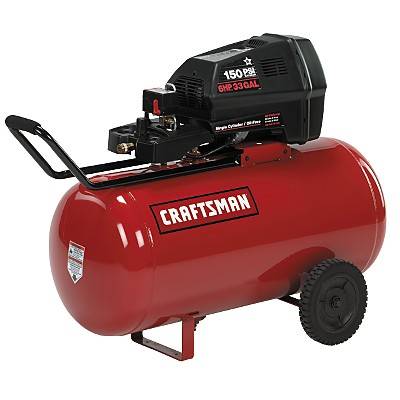
When I first started, I didn’t want to spend a lot. If you only plan to paint once, renting a big compressor can save money and space. But if you want to do more projects, buying makes sense.
Here are some quick pros and cons:
| Option | Pros | Cons |
|---|---|---|
| Rent | No big cost, no storage, always get right size | Can be expensive over time, limited choice |
| Buy | Always available, cost-effective long-term | Upfront cost, needs space |
I started by renting, but after a few projects, I bought my own.
Don’t Forget Safety And Maintenance
Painting cars means breathing in fumes and working with electrical equipment. I always use a respirator mask and make sure my workspace is well-ventilated. Also, I check my compressor oil and filters before every job. A breakdown in the middle of painting is the last thing you want.

Final Thoughts: My Honest Advice
If you want a smooth, pro-level car paint job, don’t cut corners on the air compressor. For full cars, go for at least a 60-gallon tank and 10-12 CFM. For smaller jobs, you might get by with less, but you’ll work slower.
It took me a few mistakes to learn, but now my paint jobs come out clean and even. If you follow these tips and match your compressor to your spray gun, you’ll save yourself a lot of stress and get results you can be proud of. For more detailed specs and expert advice, you can always check AutoBody101.
Frequently Asked Questions
What Happens If I Use A Compressor That’s Too Small?
If your air compressor is too small, your spray gun will lose pressure. You’ll see uneven paint, sputters, and sometimes even dry patches. I tried this once, and the finish looked terrible. Always match or exceed your spray gun’s CFM needs.
Can I Use A Small Compressor For Touch-up Jobs?
Yes, for small areas like a fender or bumper, a 20-30 gallon compressor can work. Just be ready to stop and let it catch up. For whole cars, I don’t recommend it.
Is A Bigger Compressor Always Better?
Not always. Bigger compressors cost more, use more electricity, and take up space. Get the right size for your needs. For full car painting, 60 gallons is ideal, but for smaller jobs, 30 gallons might be enough.
How Important Is The Air Hose Size?
Very important! A thick, short hose keeps pressure steady. Thin or long hoses cause pressure drop, which can ruin your spray pattern. I always use a 3/8-inch hose, no longer than 25 feet.
Do I Need A Special Power Supply For Large Compressors?
Some big compressors need 220V power. Check before you buy. My garage only had 110V, so I had to add a new outlet for my 60-gallon compressor. Plan ahead to avoid surprises.
Painting cars at home is rewarding, but the right air compressor size makes all the difference. I hope my experience helps you avoid the mistakes I made and get great results on your next project.
As an Amazon Associate, We earn from qualifying purchases