
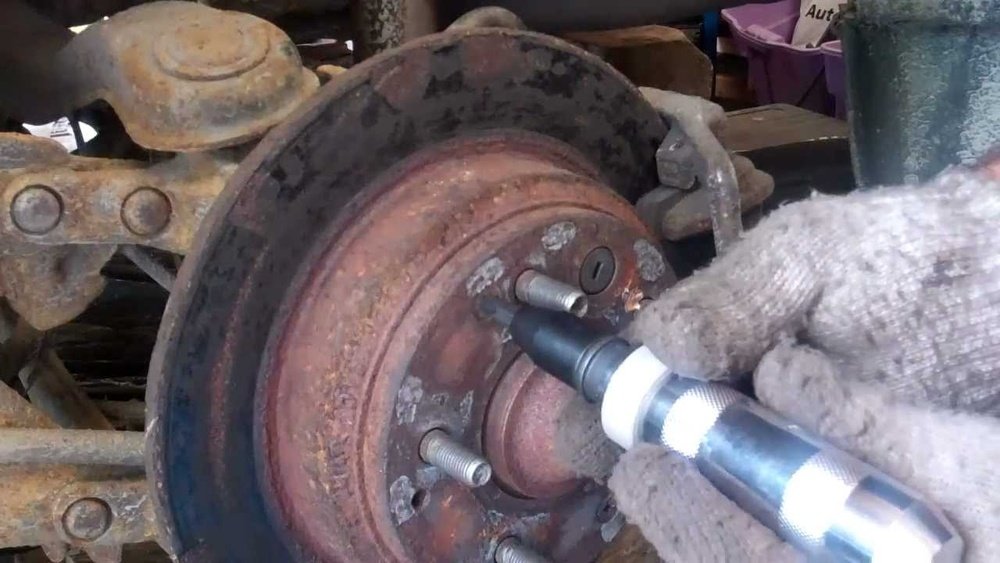
If you’ve ever tried to loosen a stubborn screw or a rusty bolt, you know how tough it can be. I’ve had my fair share of battles with screws that just won’t budge. That’s when I first learned about the impact screwdriver. It changed how I work on cars, bikes, and even around the house. Let me walk you through what an impact screwdriver is used for, why it matters, and how it can make your life easier.
What Is An Impact Screwdriver?
An impact screwdriver is a hand tool that delivers strong, sudden force to screws and bolts. When you hit the top with a hammer, the tool converts the force into a twisting motion. This helps to loosen or tighten screws that regular screwdrivers can’t handle. The first time I used one, I was amazed at how quickly it broke free a bolt that had been stuck for years.
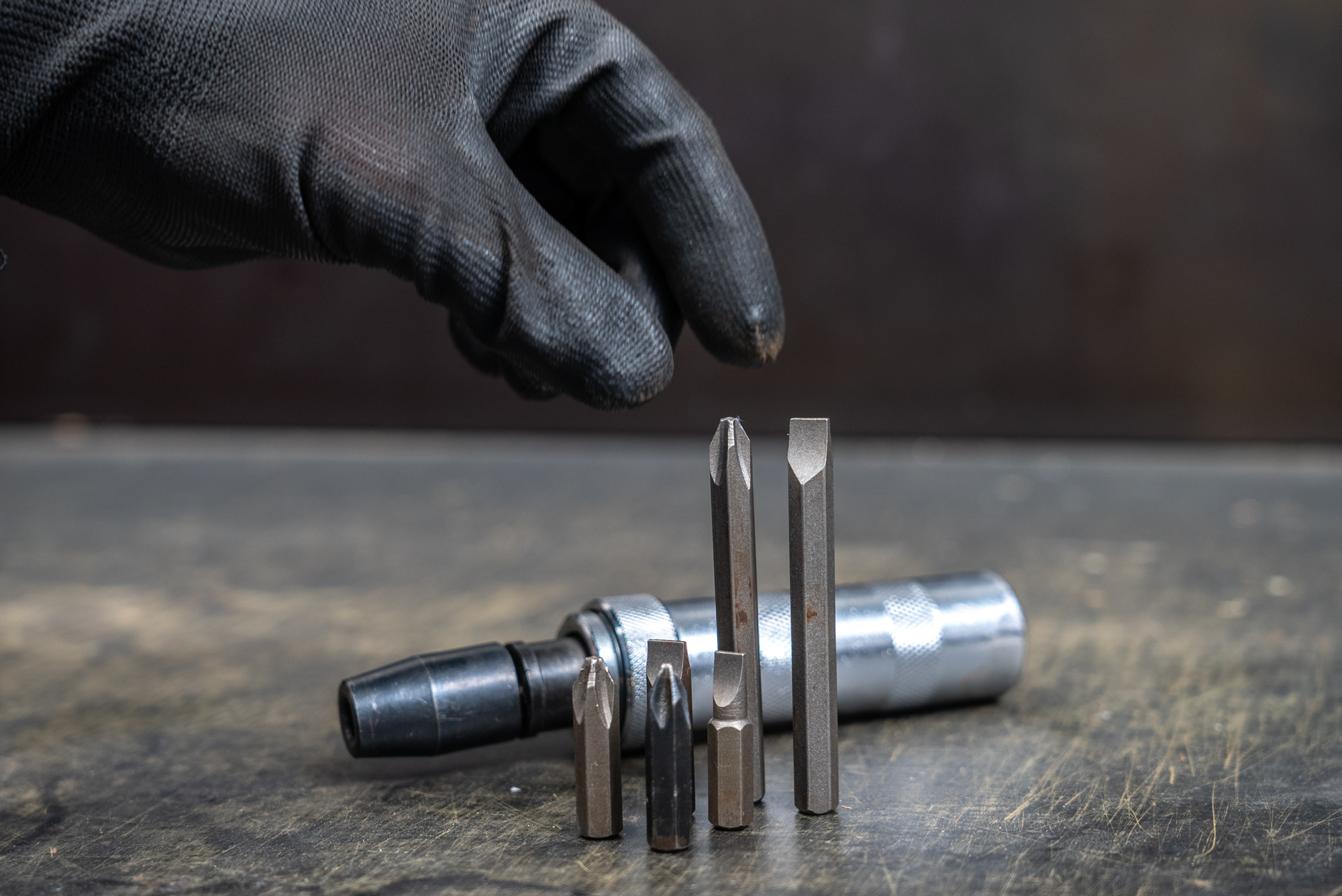
There are both manual and powered (electric or cordless) impact screwdrivers. But the classic manual version is what most people think of. It’s simple, tough, and doesn’t need batteries. The tool often comes with several bits for different screw types.
Why Use An Impact Screwdriver?
I reached for an impact screwdriver after hours of struggling with a stuck screw. My regular screwdriver only stripped the head. That’s when I realized the real value of this tool. Here’s why people (like me) rely on it:
- Breaks loose frozen screws and bolts
- Prevents stripping screw heads
- Adds extra torque without much effort
- Works in tight spots where power tools can’t fit
The twisting force, combined with the downward hit, makes it a lifesaver when dealing with rusted or painted-over fasteners. It’s a tool you don’t know you need until you face a truly stubborn screw.
How An Impact Screwdriver Works
The first time I used an impact screwdriver, I was nervous about hitting my hand or damaging the screw. But the design is very safe if you use it right.
- You pick the right bit for your screw.
- Insert the bit into the impact screwdriver.
- Place the tip on the screw head.
- Hold the tool firmly and hit the top with a hammer.
Inside, the tool converts the hammer’s downward force into a turning motion. It twists the screw as it’s pushed into the slot. This does two things at once:
- Loosens the screw without slipping out.
- Drives the bit deeper into the head for a solid grip.
I’ve found this especially helpful with old door hinges, brake rotors, or anything outdoors that gets rusty.
Common Uses Of An Impact Screwdriver
Let’s talk about where I actually use my impact screwdriver. Here are the situations where it shines:
1. Automotive Repairs
Working on cars means dealing with rust and hard-to-reach bolts. Brake rotors and calipers often have screws that refuse to move. My impact screwdriver has saved me hours in the garage. Instead of rounding off the screw, one or two hits usually free it.
2. Motorcycle Maintenance
If you ride motorcycles, you know those tiny screws on engine covers can be a pain. I once stripped a carburetor screw because I didn’t have the right tool. Since then, I always use an impact screwdriver for these jobs.
It breaks the screw loose without damage.
3. Home Improvement Projects
Old doors, fences, and deck boards often have weathered screws. The impact screwdriver lets me remove them without ripping the wood. It’s also great for fixing furniture that’s been outside for years.
4. Diy Electronics And Appliances
Sometimes, I open up old electronics for repairs. The screws are tiny and often stuck from years of use. A gentle tap with the impact screwdriver loosens them without stripping.
5. Construction Jobs
In construction, screws can get painted over, filled with caulk, or rusted. I helped a friend replace siding, and the only tool that worked was my impact screwdriver. It handled dozens of stuck screws in a single afternoon.
Manual Vs. Powered Impact Screwdrivers
I’ve used both manual and powered versions. Each has its own strengths. Here’s a quick comparison:
| Feature | Manual Impact Screwdriver | Powered Impact Driver |
|---|---|---|
| Power Source | Hammer (hand-powered) | Electric/Battery |
| Best For | Stuck or rusted screws | Fast driving/removal of many screws |
| Control | High precision | Speed and convenience |
| Cost | Lower | Higher |
| Maintenance | Minimal | Battery/parts may need care |
I reach for the manual version when I need control and extra force, especially on a single tough screw. The powered impact driver is great for building decks or assembling furniture quickly.
Types Of Impact Screwdrivers
Not all impact screwdrivers are the same. Here’s what I’ve seen in my toolbox and at friends’ workshops:
1. Manual Impact Screwdriver
This is the classic tool. You hit the top with a hammer. It’s simple, reliable, and doesn’t need power. It’s my go-to for stuck fasteners.
2. Cordless Impact Driver
This is a power tool, like a heavy-duty drill. It’s great for driving screws into wood and metal. I use this for building projects where speed matters.
3. Pneumatic Impact Screwdriver
This tool uses air power. You’ll find it in auto shops. It’s not common for home use, but I borrowed one once for a big car repair.
4. Inline Impact Screwdriver
A smaller, straight design for tight spaces. I’ve used one for electronics and small appliances.
Here’s a table comparing the main types I’ve used:
| Type | Main Use | Power Source | Common in |
|---|---|---|---|
| Manual | Breaking stuck screws | Hammer strikes | Home/garage |
| Cordless | Fast screw driving | Battery/electric | Construction/DIY |
| Pneumatic | Heavy-duty jobs | Compressed air | Auto shops |
| Inline | Small/electronics | Manual | Repair shops |
Key Features To Look For
If you want to buy your first impact screwdriver, here’s what I wish I knew before I got mine:
- Solid construction – It should feel heavy and strong.
- Good grip – A handle that won’t slip, even with greasy hands.
- Bit variety – Multiple bits for Phillips, flathead, Torx, and more.
- Easy bit change – Quick-release or magnetic bits save time.
- Reliable brand – My first cheap impact screwdriver broke after a few uses. Now I stick to trusted brands.
Don’t just buy the cheapest one. A good impact screwdriver lasts for years.
Real-world Examples From My Experience
Here are a few times an impact screwdriver saved me:
- Car brake job: The rotor screws were rusted tight. I tried everything before using my impact screwdriver. Two strikes, and the screw spun out easily.
- Old fence repair: The screws were so old I thought I’d have to rip out the wood. Instead, the impact screwdriver broke them loose without damage.
- Motorcycle engine: Tiny screws on the cover were stuck. I used the smallest bit and a gentle tap. The screws came out without stripping.
I’ve also seen people ruin projects by not using the right tool. Once, a friend stripped every screw on his door hinges. It took hours to drill them out. If he’d used an impact screwdriver, it would’ve taken minutes.
Common Mistakes And How To Avoid Them
I made a few mistakes when I first started. Here’s what I learned:
- Using the wrong bit: Always match the bit to the screw head. The wrong size will strip the screw.
- Not hitting hard enough: A weak tap won’t work. Give it a firm, controlled hit.
- Skipping lubrication: For rusty screws, add a little oil first. It makes a big difference.
- Holding the tool loosely: Keep a firm grip to avoid slipping and injury.
- Over-tightening: This tool adds torque fast. Don’t overtighten when installing screws.
Safety Tips
Impact screwdrivers are safe if you respect them. I always:
- Wear safety glasses to protect my eyes from flying debris.
- Make sure the bit is seated firmly before hitting.
- Keep my other hand away from the striking area.
- Use gloves when working with rusty metal.
A moment of carelessness can lead to injury. Take your time and focus on each step.
Impact Screwdriver Vs. Regular Screwdriver
Many people ask if they really need an impact screwdriver. Here’s how I compare them:
| Feature | Impact Screwdriver | Regular Screwdriver |
|---|---|---|
| Torque | High (with hammer) | Low (manual only) |
| Best Use | Stuck/rusted screws | Everyday screws |
| Risk of Stripping | Low | High on stuck screws |
| Effort Needed | Less (uses hammer force) | More (all hand force) |
I still use regular screwdrivers for most jobs. But when things get tough, the impact screwdriver is my secret weapon.
Non-obvious Insights Most Beginners Miss
Here are a couple of things I wish someone told me early on:
- You can use impact screwdrivers to tighten as well as loosen. By changing the tool’s direction, you can drive screws in with more force than your wrist alone.
- Preparation is key: Before you start, clean the screw head and use a drop of oil. This reduces the risk of breaking the screw or the bit.
- Patience matters: If the screw doesn’t budge with one hit, don’t pound harder right away. Try a little more oil, wait a minute, then try again.
Most beginners think the tool is only for removing screws, but it’s also great for installing tough fasteners, especially in hard materials.

Where To Learn More
If you want to dig deeper into the mechanics or history of impact screwdrivers, I recommend checking out this detailed guide on Wikipedia. It covers types, uses, and more.
Frequently Asked Questions
What Is The Main Purpose Of An Impact Screwdriver?
The main purpose is to loosen or tighten stuck screws and bolts. It uses both downward and turning force to break free fasteners that regular screwdrivers can’t move.
Can An Impact Screwdriver Be Used For All Screws?
No, it’s best for stuck, rusted, or tight screws. For everyday screws, a regular screwdriver or cordless driver is faster and easier.
Is An Impact Screwdriver Safe For Beginners?
Yes, with care. Wear safety glasses, keep your hands clear, and use the right bit. Start with gentle strikes until you get the feel.
How Do I Know If I Need A Manual Or Powered Impact Screwdriver?
If you mostly work on rusty, stuck screws, go with a manual tool. For building projects or repeated tasks, a powered impact driver saves time.
Can I Use An Impact Screwdriver On Delicate Electronics?
Yes, but use a light touch and the correct bit size. For tiny screws, an inline manual impact screwdriver is best. Avoid heavy hammer strikes.
If you’ve ever struggled with a stubborn screw, an impact screwdriver is worth having in your toolbox. It’s helped me save time, avoid damage, and finish tough jobs with confidence. Once you try it, you’ll wonder how you managed without one.

As an Amazon Associate, We earn from qualifying purchases