
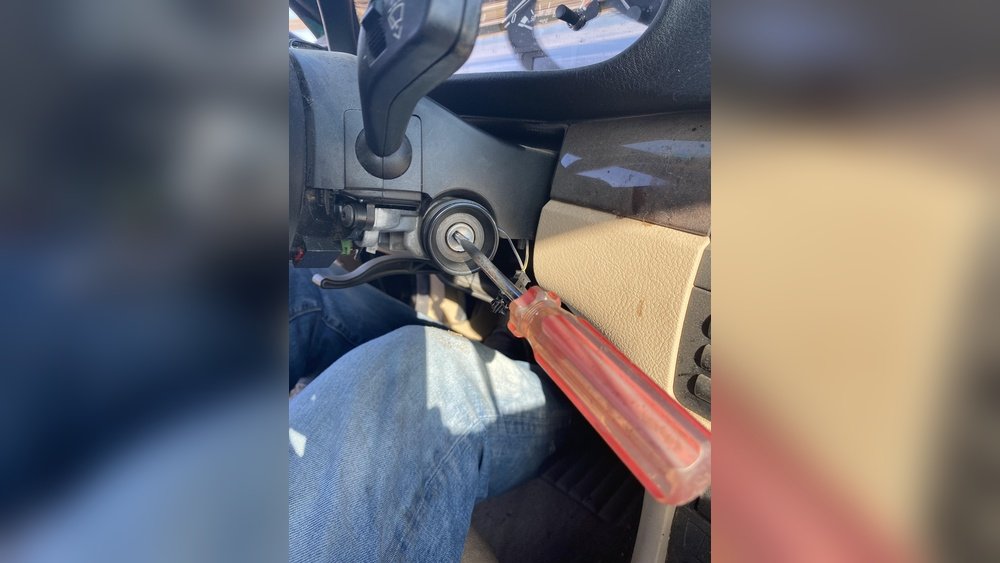
I never thought I would need to start a car with a screwdriver until I found myself stuck in a parking lot late at night. My key had broken off in the ignition, and I had no spare. At first, I panicked.
But with a little patience, some online research, and a trusty screwdriver from my glove box, I managed to get my old car running. Looking back, I want to share what I learned so you don’t feel as lost as I did.
This guide is for educational purposes only. Using a screwdriver to start a car is not recommended unless you own the car and have no other choice. Always follow the law, and call a professional if you’re unsure. But if you ever get stuck, like I did, here’s how to handle it safely and smartly.
When You Might Need To Use A Screwdriver
I had never imagined using a screwdriver to start my car. But it’s more common than you think, especially with older vehicles. Here are a few situations where you might need to do this:
- Lost or broken key: Like my case—key snapped off in the ignition.
- Faulty ignition switch: The key turns, but nothing happens.
- Jammed lock: Sometimes, the lock cylinder just won’t budge.
If your car is newer (usually 2000 and later), it likely has electronic anti-theft systems. These make starting with a screwdriver almost impossible, and trying can damage your car. So, my experience mostly applies to older cars, the kind without electronic immobilizers.
How Car Ignition Systems Work
Before I tried anything, I wanted to understand what I was dealing with. The ignition switch is the part you turn with your key. It sends power from the battery to the starter and other systems. Without the key turning this switch, the car won’t start.
Here’s a simple comparison that helped me:
| Ignition Type | Can Start with Screwdriver? | Anti-Theft System? |
|---|---|---|
| Older Mechanical (pre-2000) | Often Yes | No |
| Modern Electronic | No | Yes |
| Push-Button Start | No | Yes |
If your car is like mine—a 1998 sedan—the screwdriver method can work. But with anything newer, it’s best to call for help.

What You’ll Need
When I found myself in that parking lot, I used what I had on hand. Here’s what you should gather before starting:
- Flathead screwdriver (medium or large)
- Phillips screwdriver (sometimes helpful)
- Needle-nose pliers (for wires, if needed)
- Work gloves (for safety)
- Flashlight (if it’s dark)
Do not use a rusty or damaged screwdriver. It can slip and hurt your hand. I learned this the hard way—my knuckles were sore for days.
Safety First
Trying to start a car with a screwdriver can be risky. There are sharp edges and electrical wires under your steering column. Here’s what I did to stay safe:
- Double-check ownership: Only do this if you own the car.
- Park in a safe place: I made sure I was not blocking traffic.
- Disconnect the battery: If you need to cut wires, always disconnect the battery first.
- Keep a fire extinguisher nearby: Just in case. Electrical sparks are possible.
- Work slowly and carefully: Rushing leads to mistakes and injuries.
The Main Ways To Start A Car With A Screwdriver
Not all cars are the same. Over the years, I’ve tried three main methods. The best one depends on your car’s design. Here’s how each works and what I found out the hard way.
1. Using The Screwdriver As A Key
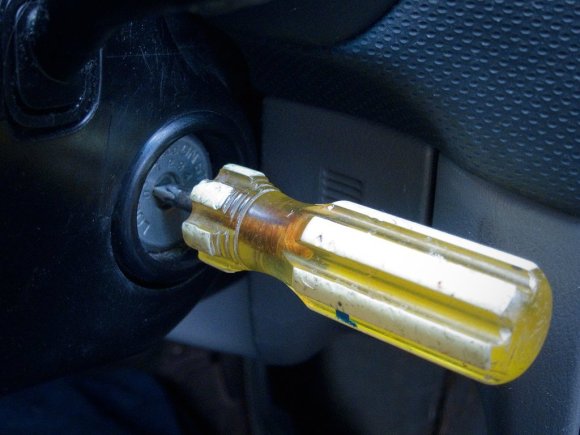
Some old cars have loose or worn ignition switches. In my first attempt, I simply pushed the flathead screwdriver into the ignition, turned it, and the car started.
Steps I followed:
- Insert the flathead screwdriver into the key slot.
- Turn it gently, as you would a key.
- If it doesn’t turn, don’t force it—try another method.
This only works if the lock cylinder is loose or already damaged. For me, it worked once, but it’s rare. Forcing the screwdriver can break the ignition.
2. Hotwiring From Under The Steering Column
This is the method that worked for me. It’s a bit like what you see in movies, but in real life, there’s less drama and more patience.
How I Did It:
- Remove the plastic cover: I used my Phillips screwdriver to unscrew the panel under the steering wheel.
- Locate the wiring harness: It’s a bundle of wires coming from the ignition.
- Identify the right wires: In my car, there were three main wires: battery, ignition, and starter.
Here’s a simple wire color guide I made for myself:
| Wire Function | Common Color | What It Does |
|---|---|---|
| Battery | Red | Powers the system |
| Ignition | Brown/Yellow | Turns on electronics |
| Starter | Yellow/Green | Cranks the engine |
Note: Wire colors can differ. Always check your car’s manual or a repair guide for your make and model.
- Strip the wires: With my pliers, I gently stripped the ends of the battery and ignition wires.
- Touch them together: This turns on the dashboard and fuel system.
- Momentarily touch the starter wire: I used the screwdriver to bridge the starter and battery wires. The car cranked and started!
After starting, I separated the starter wire and made sure the others stayed connected. Driving with exposed wires is risky, so I wrapped them in electrical tape once the car was running.
3. Bypassing The Ignition Switch
If your ignition switch is bad, but you can access the starter motor under the hood, you can jump it directly. I tried this once on my uncle’s old truck.
Here’s what I did:
- Open the hood.
- Locate the starter solenoid: It’s near the battery, with thick wires.
- Use the screwdriver to bridge the terminals: Touch the screwdriver between the positive battery terminal and the ignition terminal on the solenoid.
- Ask a friend to turn the key to ON: This way, the engine starts when you touch the terminals.
This method is safer if you know what you’re doing, but it can cause sparks. Always wear gloves and eye protection.
Common Problems And Troubleshooting
I ran into a few issues while doing this. Here’s what I learned:
- Car won’t start: Check if the wires are stripped enough and making good contact.
- Sparks or smoke: Stop immediately. Disconnect the battery and check for crossed wires.
- No dashboard lights: You probably missed the ignition wire.
- Engine cranks but doesn’t start: The fuel pump relay may need power, or the immobilizer is blocking the start.
One thing beginners often miss is the importance of wire order. Mixing up the starter and ignition wires can blow a fuse. I learned to double-check everything before connecting.
Will This Work On All Cars?
The short answer is no. I learned the hard way that many modern cars use transponder chips in the keys. If the chip is missing, the engine computer won’t allow the car to start, even if you hotwire it.
Here’s a quick comparison of car types and difficulty:
| Car Type | Year | Difficulty |
|---|---|---|
| Old Trucks/Sedans | Pre-2000 | Easy to Medium |
| Mid-2000s Sedans | 2000-2010 | Medium to Hard |
| Modern Cars | 2010-Present | Very Hard or Impossible |
Always check your car’s manual. If you see a key symbol on the dashboard, you likely have an immobilizer.
Risks And Downsides
Using a screwdriver to start a car is not a long-term fix. Here’s what I learned:
- It damages the ignition: My ignition never felt the same after.
- It can trigger airbags: Some wires near the steering column control the airbag. Cutting the wrong one is dangerous.
- It may set off alarms: Many cars have built-in alarms that activate if the ignition is tampered with.
- It looks suspicious: Police may question you if they see exposed wires.
If you have time, it’s always better to call a locksmith or a tow truck.
What To Do After You Get Home
After I finally got home, I didn’t just leave things as they were. Here’s what I recommend:
- Get a replacement key or ignition switch: Driving with a screwdriver is risky.
- Repair any wires: Use proper connectors and electrical tape.
- Check fuses: Starting with a screwdriver can blow fuses.
- Have a mechanic inspect your car: Especially if you cut or moved any wires.
Leaving your car in “hotwired” mode is unsafe and can drain your battery.
Smart Tips Most People Miss
From my own mistakes, here are a couple of things beginners miss:
- Always take photos before you start: This way, you remember which wires go where. I forgot once and spent hours troubleshooting.
- Label your wires: Use masking tape and a pen. It makes reassembly much easier.
And one more: never force the screwdriver in the ignition. If it doesn’t fit, try another method.
Alternatives If You’re Stuck
If you’re not comfortable with wires, try these safer options:
- Call roadside assistance: Most insurance plans cover this.
- Try a locksmith: They can make a new key quickly.
- Ask a friend for help: Sometimes, a fresh set of eyes can spot something you missed.
You can read more about ignition systems and car security on the Wikipedia ignition system page.
Frequently Asked Questions
How Do I Know If My Car Can Be Started With A Screwdriver?
If your car is older than 2000 and does not have electronic anti-theft systems, there’s a good chance you can use this method. Check your manual or search online for your car’s model.
Will This Damage My Car?
Yes, it can. Using a screwdriver can break the ignition, damage wires, or set off alarms. Only do this in emergencies, and repair the damage as soon as possible.
Is It Legal To Start My Car This Way?
It is only legal if you own the car and are not bypassing security features for theft. Never use these methods on a car you do not own.
Why Won’t My Car Start Even After Hotwiring?
Modern cars have immobilizer systems that prevent starting without the original key. If you have dashboard warning lights or the engine won’t turn over, this could be the reason.
What Should I Do If I Can’t Identify The Wires?
If you’re unsure about the wires, stop and call a professional. Guessing can damage your car or cause injury.
If you ever find yourself stuck like I was, remember that patience, clear thinking, and a good screwdriver can go a long way. But always put safety first, and fix things properly once you’re home.

As an Amazon Associate, We earn from qualifying purchases