
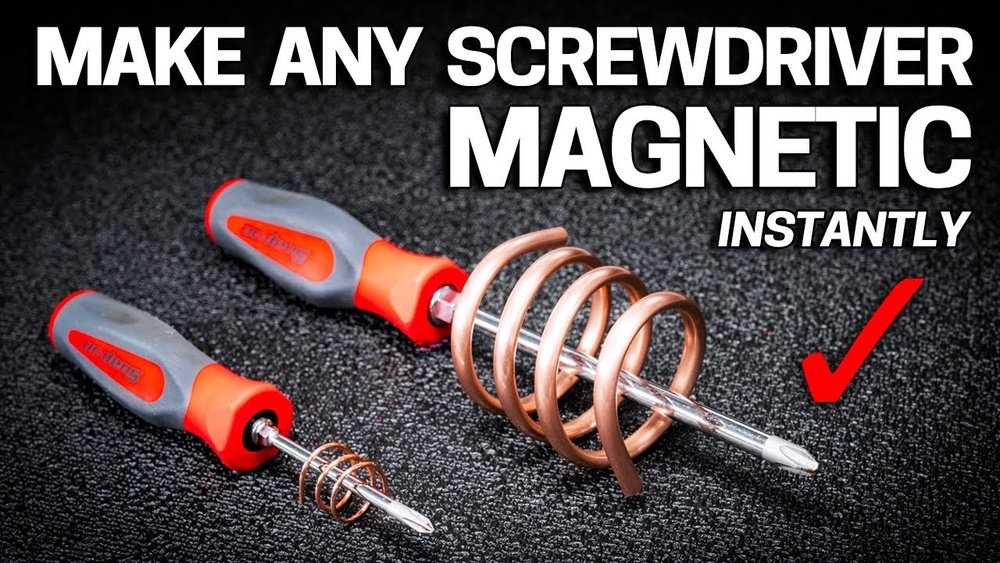
How To Magnetize A Screwdriver: My Personal Experience And Guide
If you’ve ever tried to pick up a tiny screw with a regular screwdriver, you know how frustrating it can be. The screw keeps falling, rolling away, or just won’t stay put. I used to drop screws all the time, especially when working on electronics or assembling furniture.
Then I learned how to magnetize a screwdriver, and wow—what a difference! Suddenly, those little screws stuck right to the tip. No more chasing them around the floor.
Today, I want to share everything I’ve learned about magnetizing a screwdriver. I’ll walk you through the methods I’ve tried, the science behind it, and some tips you won’t find in most guides. I’ll also clear up common mistakes, compare tools, and answer the questions I wish I’d known when I started.
Why Magnetize A Screwdriver?
Let me start with a story. The first time I tried to fix my glasses, I spent more time searching for lost screws than actually fixing them. My screwdriver was just too plain—it couldn’t hold those tiny screws. After I magnetized it, the job took half the time.
Here’s why I think it matters:
- No more dropped screws: Especially in tight spaces or awkward angles.
- Faster assembly: Screws stay on the tip, so you can guide them easily.
- Less frustration: Less time spent searching for lost screws.
If you work with electronics, appliances, or even toys, a magnetized screwdriver is a simple way to make life easier.
The Science Behind Magnetizing A Screwdriver
I used to wonder: How does a screwdriver become magnetic? It’s all about how metal atoms line up.
Most screwdrivers are made from steel, which is mostly iron. Iron is what we call “ferromagnetic.” When you rub a magnet along the screwdriver’s shaft, you actually force the tiny particles (domains) inside to line up. This makes the tool act like a magnet.
But not all metals work. Stainless steel, for example, often won’t magnetize unless it has enough iron. I learned this the hard way when my fancy stainless set stayed stubbornly non-magnetic!
Methods I’ve Tried To Magnetize A Screwdriver
I’ve experimented with different techniques. Some are quick and easy. Others need more tools. Here are the best methods I know.
1. Using A Strong Magnet
This is the classic way. It’s cheap, safe, and works almost every time.
Steps:
- Find a strong magnet. Neodymium magnets work best. I use an old hard drive magnet.
- Hold the screwdriver by the handle.
- Place the magnet at the tip of the shaft.
- Stroke the magnet along the shaft, moving in one direction only. Don’t go back and forth.
- Repeat 20–30 times.
- Test with a screw. If it doesn’t stick, try more strokes.
Tip: The key is to stroke only one way. If you go back and forth, you “undo” your work.
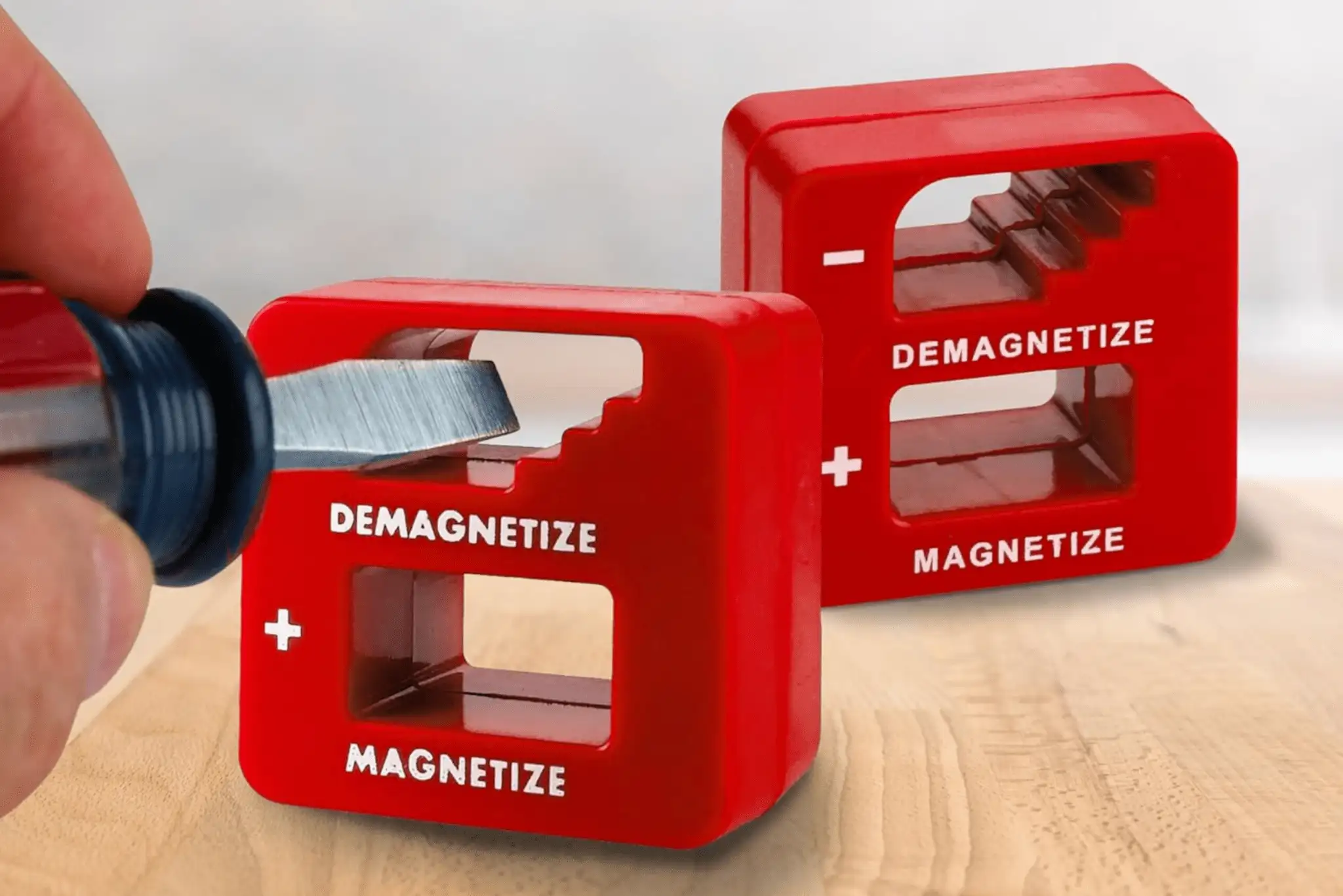
2. Electric Magnetizer/demagnetizer Tool
I bought one of these online for a few dollars. It’s a small plastic block with holes marked “+” and “–”.
Steps:
- Insert the screwdriver in the “magnetize” hole.
- Pull it out slowly.
- Repeat a few times.
These tools use a strong magnetic field to align the metal’s domains. They work fast and don’t need much effort.
3. Using A Car Battery (for Advanced Users)
I only tried this once, and I recommend caution. You can use electric current to magnetize steel, but it’s not for beginners.
Steps:
- Wrap insulated copper wire (about 20 turns) around the screwdriver’s shaft.
- Connect the wire ends to a car battery for 1–2 seconds.
- Remove carefully.
This method uses the magnetic field from the current. It’s powerful, but also risky. I only did this with supervision.
4. Magnetizing Multiple Screwdrivers At Once
If you have several tools, you can tape them together and stroke them all with a big magnet. Saves time!
5. Magnetizing By Impact (not Recommended)
Some say you can hit the screwdriver with a hammer to rearrange domains. I tried this, but it only worked a little—and it risked damaging the tool.
Comparing Magnetizing Methods
Let’s compare the main methods I’ve used. This might help you pick the best one.
| Method | Effectiveness | Tools Needed | Time Needed | Safety |
|---|---|---|---|---|
| Strong Magnet | High | Magnet | 2–5 minutes | Very Safe |
| Electric Magnetizer | High | Magnetizer Tool | 1–2 minutes | Very Safe |
| Car Battery | Very High | Wire, Battery | 1 minute | Risky |
| Hammer Impact | Low | Hammer | 1 minute | Risk of Damage |
What Type Of Screwdriver Works Best?
Not all screwdrivers are created equal. I’ve learned that some work much better than others.
| Screwdriver Material | Easy to Magnetize? | Stays Magnetized? |
|---|---|---|
| High-Carbon Steel | Yes | Yes |
| Chrome Vanadium | Yes | Moderate |
| Stainless Steel | No/Low | No |
| Cheap Alloy | Maybe | No |
I stick with high-carbon steel screwdrivers whenever I can. They hold their magnetism for weeks, sometimes months.
How Long Does The Magnetism Last?
This was a big question for me at first. I found that:
- A freshly magnetized screwdriver works well for a few weeks to a few months.
- Heavy use, dropping, or hitting the tool can weaken the effect.
- You can always re-magnetize it. I do it every month or so if I use the tool a lot.
If you use your screwdriver for tough jobs, expect to re-magnetize more often.
Mistakes I Made (so You Don’t Have To)
When I started, I messed up a few times. Here are some common errors:
- Rubbing back and forth: This cancels the magnetism. Only stroke in one direction.
- Using a weak magnet: Refrigerator magnets are too weak. Use a neodymium or big speaker magnet.
- Trying with stainless steel: Some stainless steel screwdrivers never magnetize. Check the material first.
- Magnetizing the handle: Only the shaft/tip should be magnetized, not the plastic handle.
- Dropping the tool: Each drop can “shake out” the magnetism.
I Wish Someone Had Told Me These Things Earlier!
My Favorite Magnetizing Tips
After lots of trial and error, these tips work best for me:
- Clean the screwdriver before you start. Dirt or oil can block the effect.
- Mark which way you stroke with the magnet. I use a piece of tape.
- Store magnetized tools away from strong magnets or heat. Both can remove magnetism.
- For small screws, use a precision screwdriver set—these are easier to magnetize.
- Always test with a real screw before you start your job.
Demagnetizing A Screwdriver
Sometimes, you don’t want your screwdriver to be magnetic. For example, near computer parts or sensitive electronics, a magnetized tool can cause problems.
Here’s how I demagnetize mine:
- Use the “demagnetize” side of a magnetizer tool (if you have one).
- Stroke the shaft with a magnet—but this time, go back and forth quickly.
- Heat the tip gently with a lighter (not recommended unless you know what you’re doing). Heat scrambles the domains, but it can ruin temper.
Usually, I use my magnetizer tool. It’s fast and safe.
Real-world Uses: When Magnetizing Saved My Day
I’ll never forget assembling a computer in a tight space. I dropped a screw behind the motherboard. Without a magnetized screwdriver, I’d have had to take everything apart. With it, I fished the screw out in seconds.
Another time, when fixing my eyeglasses, the screw stuck right to the tip. No more lost screws on the floor. Even my dad started asking me to magnetize his tools.

Practical Table: Magnetizing Vs Non-magnetizing
Here’s what I noticed in day-to-day use:
| Task | With Magnetized Screwdriver | With Regular Screwdriver |
|---|---|---|
| Electronics Repair | No dropped screws, easier assembly | Frequent drops, slow work |
| Furniture Assembly | Fast, one-hand use | Screws fall off, need both hands |
| Working Overhead | Screws stay in place | Screws fall down |
Safety Tips You Should Know
- Never use a magnetized screwdriver near credit cards or computer hard drives. The magnetic field can damage them.
- If you work with sensitive electronics, keep one screwdriver non-magnetic.
- Don’t try risky methods like using a car battery unless you know what you’re doing.
- Always check the tool’s material before trying to magnetize.

The Small Details Most People Miss
Here are some things I learned through trial and error, that most guides never mention:
- Direction matters. Always stroke the magnet from handle to tip, not the other way. This lines up the domains toward the tip, where you need the magnetism.
- Temperature affects magnetism. If your screwdriver gets very hot (for example, from drilling or grinding), it can lose its magnetism.
- Some coatings block magnetism. If your screwdriver is coated in thick paint or plastic, the effect is weaker.
Where To Buy Good Magnets And Magnetizers
I got my first neodymium magnet from an old hard drive. You can also buy strong magnets and magnetizer blocks online or in hardware stores. Look for “rare earth” or “neodymium” magnets for the best results. If you want more technical info, check out this Wikipedia page about magnetization.
Final Thoughts
Magnetizing a screwdriver is one of those simple tricks that makes a huge difference. I wish I’d known it years ago. It saves time, reduces stress, and just makes working with small screws easier and more fun. It’s quick, safe, and you can do it with things you probably already have at home.
Give it a try—you’ll see the benefits right away.
Frequently Asked Questions
What Kind Of Magnet Works Best For Magnetizing A Screwdriver?
A neodymium magnet is best. These are very strong and easy to find online or in old hard drives. Regular fridge magnets are usually too weak.
How Long Will The Screwdriver Stay Magnetized?
It depends on use and the type of steel. For me, a good magnetization lasts several weeks to months. If you drop the tool or use it for heavy work, you may need to redo it sooner.
Can I Magnetize Any Screwdriver?
Not all. Stainless steel and some alloys won’t hold magnetism. High-carbon steel works best. If the screwdriver won’t magnetize, check the material.
Is It Safe To Use A Magnetized Screwdriver Near Electronics?
Be careful. Magnetized tools can harm hard drives or credit cards. For most electronics repair, it’s fine, but keep a non-magnetized tool handy for sensitive jobs.
How Can I Remove Magnetism From A Screwdriver?
Use a demagnetizer tool or rub the tool with a magnet back and forth. Heat can also work, but it may damage the tool’s hardness.
If you have more questions, feel free to ask. I hope my experience helps you make your screwdriver a lot more useful!
As an Amazon Associate, We earn from qualifying purchases