
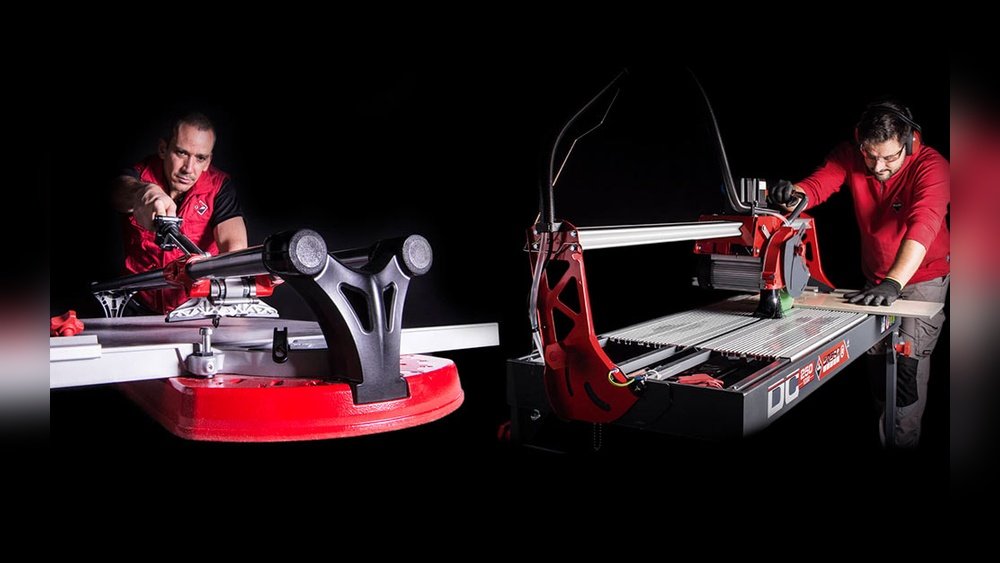
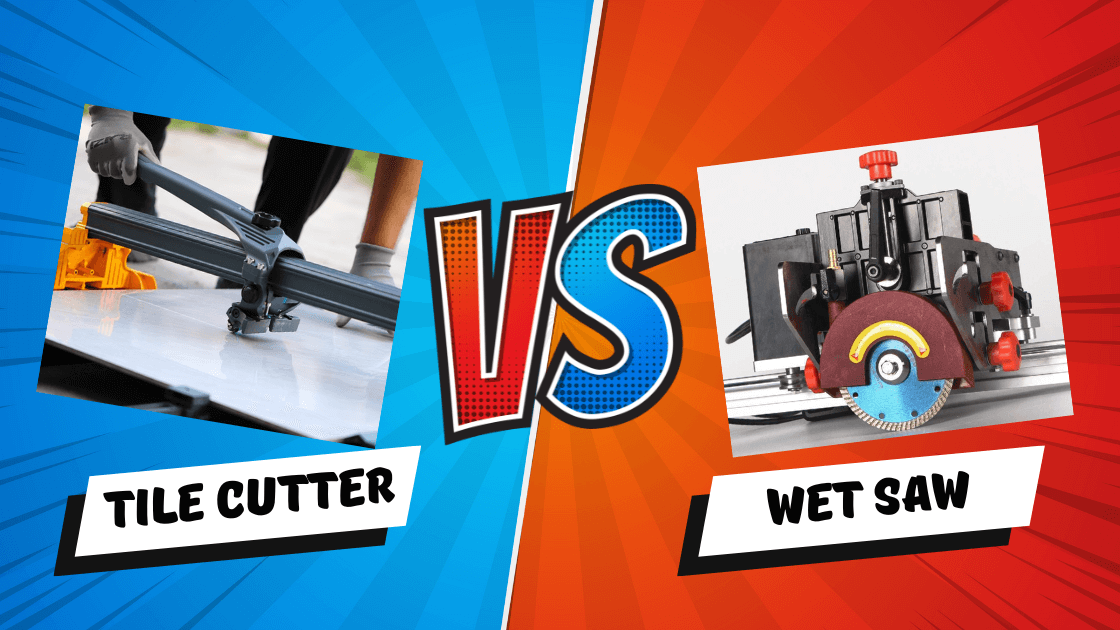
Choosing between a wet tile saw and a tile cutter can feel confusing, especially if you’re new to tiling. The right tool makes a big difference in both the quality of your work and how easy the job feels. This is true whether you’re tiling a bathroom, kitchen backsplash, or a full floor. Each tool has strengths and limitations, and your choice affects your project’s speed, safety, and final look.
Homeowners and professionals often debate these tools, but the best answer depends on your project, experience, and budget. Let’s dive deep into how wet tile saws and tile cutters compare, so you can make a confident, informed decision for your next tiling job.
What Is A Wet Tile Saw?
A wet tile saw is a power tool designed for cutting tiles. It uses a diamond-coated circular blade and water to cool the blade and reduce dust. When you push a tile through the spinning blade, the saw cuts it cleanly, even through hard materials like porcelain or stone. The water helps prevent the tile and blade from overheating, which also reduces chipping.
Wet tile saws are common on construction sites and in the hands of serious DIYers. They can make straight, angled, and even intricate cuts, making them a favorite for complex projects.
Key Features Of Wet Tile Saws
- Electric-powered: Most models plug into standard outlets.
- Water reservoir or pump: Delivers water to the blade.
- Adjustable fence: Helps guide tiles for straight or angled cuts.
- Diamond blade: Specifically designed for cutting ceramic, porcelain, and stone tiles.
Types Of Wet Tile Saws
- Tabletop models: Small, portable, and ideal for small projects or home use.
- Sliding tray saws: Have a tray that moves the tile into the blade, offering greater accuracy.
- Overhead saws: The blade is above, and the tile stays stationary, perfect for large tiles and pro work.
What Is A Tile Cutter?
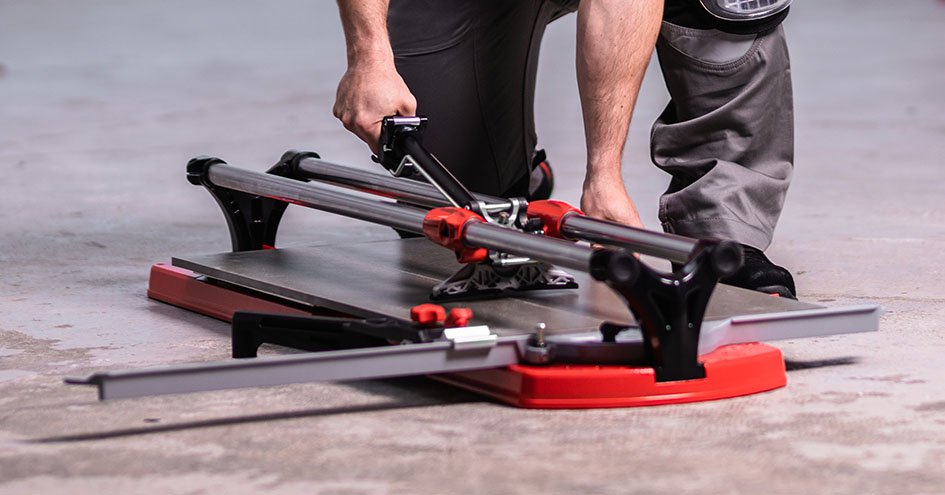
A tile cutter is a manual tool that scores and snaps tiles. It doesn’t use electricity or water. Instead, you place a tile on the cutter, score a straight line with a carbide or tungsten wheel, then push down to snap the tile along the scored line.
Tile cutters are simple, portable, and fast for straight cuts on ceramic tiles. They’re ideal for small jobs, repairs, or for working in places without easy access to power.
Key Features Of Tile Cutters
- Manual operation: No electricity required.
- Scoring wheel: Usually made from carbide or tungsten.
- Breaking bar: Used to snap the tile cleanly after scoring.
- Guides/rulers: Help keep lines straight.
Types Of Tile Cutters
- Basic manual cutters: Simple, affordable, and good for ceramic tiles.
- Professional manual cutters: Larger, with better guides for improved accuracy.
- Rail cutters: Feature dual rails for stability, useful for bigger tiles.
How Wet Tile Saws Work
A wet tile saw’s blade spins at high speed. As you feed the tile into the blade, water is sprayed onto the blade and tile. This keeps the temperature down and stops dust from flying everywhere. The diamond edge of the blade grinds through the tile, whether it’s soft ceramic or tough porcelain.
Some saws let you adjust the cutting angle for miters or bevels. You can also make notches or “L-shaped” cuts by carefully feeding the tile in stages. This versatility makes wet tile saws the tool of choice for complex patterns or tricky corners.
Practical Example
If you need to cut a hole in the middle of a tile for a plumbing pipe, a wet saw can handle it. You can make several cuts from the edge inward, then snap out the center piece and clean up the edges with the saw.
How Tile Cutters Work
Tile cutters use a simple score-and-snap method. You set the tile on the base, align it with the guide, and draw the scoring wheel across the surface to make a shallow groove. When you push the handle, pressure is applied on both sides of the score line, breaking the tile cleanly.
This tool is best for straight cuts. Some high-end models allow for diagonal cuts, but curves and notches are not possible.
Practical Example
When tiling a wall and you need to trim tiles at the edges or around a window, a tile cutter can quickly handle these straight cuts. It’s faster than setting up a saw for each piece, especially for basic projects.
Comparing Wet Tile Saw And Tile Cutter
Understanding the differences between a wet tile saw and a tile cutter is key to picking the right tool. Below is a direct comparison across important factors.
| Feature | Wet Tile Saw | Tile Cutter |
|---|---|---|
| Power Source | Electric | Manual |
| Materials Handled | All tiles (ceramic, porcelain, stone, glass) | Mainly ceramic, thin porcelain |
| Cut Types | Straight, angle, L-shape, notches | Straight, some diagonal |
| Precision | Very high | Good for straight cuts |
| Dust/Noise | Low (water suppresses dust) | Low (manual operation) |
| Setup Time | Longer (needs water, electricity, cleanup) | Short (ready in seconds) |
| Portability | Heavy, less portable | Lightweight, portable |
| Maintenance | Blade and pump care needed | Minimal, just clean the wheel |
| Price Range | $100–$1,000+ | $20–$150 |
When To Use A Wet Tile Saw
A wet tile saw is the best choice when:
- You’re working with hard tiles like porcelain, stone, or glass.
- The project requires complex cuts: L-shapes, notches, curves, or miters.
- You want the cleanest, most accurate edges.
- Large projects where speed and consistency are important.
- You have access to electricity and water.
Real-world Scenarios
- Bathroom floors: Large porcelain tiles often need precise cuts around toilets and vanities.
- Kitchen backsplashes: Intricate patterns and small tiles benefit from the accuracy.
- Professional jobs: Time is money, and faster, cleaner cuts add value.
Non-obvious Insights
- Wet saws cut glass tiles well: Manual cutters often chip or shatter glass tiles, but wet saws with the right blade make smooth cuts.
- Blade choice matters: Using a blade matched to your material reduces chipping and extends the life of both tile and saw.
When To Use A Tile Cutter
A tile cutter is the better choice when:
- You’re using soft or medium ceramic tiles.
- All you need are straight cuts.
- The job is small, or you’re working in a tight space.
- You want quick setup and minimal cleanup.
- You don’t have power or water nearby.
Real-world Scenarios
- Simple bathroom walls: Most cuts are straight, and tiles are easy to snap.
- Rental properties: Fast repairs without hauling heavy equipment.
- DIY projects: First-timers can learn quickly, with less risk.
Non-obvious Insights
- Tile thickness makes a difference: Thicker tiles, even ceramic, can be hard to snap cleanly and may require a wet saw for best results.
- Cutting waste is higher: Manual snapping can lead to more broken tiles, so buy extra material if using a cutter.
Pros And Cons Of Wet Tile Saws
Advantages
- Cuts through all tiles: Handles the toughest materials.
- Highly accurate: Clean edges and professional results.
- Versatile: Makes a range of cut shapes and angles.
- Less chipping: Water cooling keeps cuts smooth.
Disadvantages
- Expensive: Higher upfront cost.
- Bulky: Not easy to move or store.
- Setup and cleanup: Water management adds time.
- Requires power: Not suitable for sites without electricity.
Pros And Cons Of Tile Cutters
Advantages
- Affordable: Much cheaper than saws.
- Portable: Lightweight, easy to carry.
- Fast setup: Start cutting in seconds.
- No electricity or water needed: Use anywhere.
Disadvantages
- Limited to straight cuts: No curves or notches.
- Struggles with hard tiles: Porcelain and stone may crack or chip.
- Less precise edges: Can leave rough or uneven cuts.
- More waste: Higher chance of broken tiles.
Safety Considerations
Both tools are safe if used correctly, but each has its own risks.
Wet Tile Saw
- Wear eye and ear protection: The blade can throw small chips.
- Electricity and water: Risk of shock if equipment is damaged.
- Sharp blade: Never reach near the spinning blade.
Tile Cutter
- Sharp edges: Snapped tiles can be jagged.
- Hand injuries: Keep fingers clear when snapping.
- Flying pieces: Rare, but chips can fly off.
Always read the manual and follow safety guidelines for your tool.
Cost Comparison
The cost of buying and using each tool varies.
| Item | Wet Tile Saw | Tile Cutter |
|---|---|---|
| Average Tool Cost | $200–$800 (quality models) | $30–$100 (quality models) |
| Blade/Wheel Replacement | $20–$60 (diamond blade) | $5–$15 (scoring wheel) |
| Maintenance | Regular cleaning, blade checks | Minimal, lubricate rails |
| Rental Option | $35–$60 per day | Rarely rented (so cheap, usually bought) |
Tip: For a one-time job with many complex cuts, renting a wet tile saw is often cheaper than buying.
Common Mistakes To Avoid
Using The Wrong Tool For The Tile
Trying to cut porcelain with a manual cutter often leads to cracked tiles. Always check the tile type and thickness before choosing your tool.
Skipping Blade Or Wheel Maintenance
A dull blade on a wet saw or a worn scoring wheel on a tile cutter means more chips and rough edges. Replace these parts as needed for best results.
Rushing The Cut
Pushing tiles too fast into a wet saw or snapping before properly scoring leads to ruined tiles. Take your time for clean results.
Not Measuring Twice
A common error is misaligning cuts. Always double-check measurements, especially when using a tile cutter, as mistakes are harder to fix.
Which Tool Is Right For You?
Choosing between a wet tile saw and a tile cutter depends on a few key questions:
- Tile material: Porcelain and stone almost always need a wet saw. Ceramic tiles can often be handled with a cutter.
- Cut shapes: For anything beyond straight lines, a wet saw is necessary.
- Project size: Larger or more complex jobs justify the cost and effort of a wet saw.
- Budget and experience: Beginners may find tile cutters simpler, but risk more waste.
- Work environment: No power or water? Go with a manual cutter.
Think about the entire project, not just the first cut. Renting or borrowing a wet saw is a smart move for big or difficult jobs.
Professional Vs Diy Use
Professionals
Most contractors own both tools. They use tile cutters for fast, straight cuts and wet saws for everything else. This combination saves time and reduces wear on expensive saw blades.
Diyers
For small home projects, a tile cutter may be all you need. But if you’re tackling a bathroom remodel or want perfect edges, consider renting a wet saw. Some home improvement stores provide saws for less than $50 a day.
Environmental And Health Impacts
Wet tile saws minimize dust, which is better for your lungs and the environment. Dry cutting with a manual cutter produces little dust, but snapped tiles can create sharp fragments. Always clean up thoroughly to avoid injuries and keep your workspace safe.
Practical Tips For Better Results
- Practice on scrap tiles: Before making final cuts, test your tool on leftover pieces.
- Mark cuts clearly: Use a pencil and straightedge for visible lines.
- Check for blade/wheel wear: Dull tools make poor cuts.
- Use safety gear: Goggles and gloves protect you from chips and sharp edges.
- Keep tools clean: Water in wet saws can get dirty fast, and tile dust can gum up manual cutters.
Real-world Example: Kitchen Backsplash
Suppose you’re installing a glass mosaic backsplash. You might start with a tile cutter, but soon find the glass cracks instead of snapping. Switching to a wet tile saw with a glass blade produces smooth, clean edges and a professional look.
This is a common scenario where beginners realize the limits of manual tools.
Renting Vs Buying
If you have many tile projects planned, buying a wet tile saw makes sense. For a one-time job, renting is more cost-effective. Tile cutters are inexpensive enough to own, even for occasional use.
Pro insight: Some DIYers buy a used wet tile saw, use it for their project, then resell it online, spending less than the cost of a rental.
Wet Tile Saw And Tile Cutter: Side-by-side Summary
Here’s a quick reference for when to choose each tool:
| Project Type | Best Tool | Why |
|---|---|---|
| Large porcelain floor | Wet tile saw | Handles hard tiles and many cuts |
| Small ceramic wall | Tile cutter | Quick, easy, and portable |
| Intricate patterns or mosaics | Wet tile saw | Precision and special cuts needed |
| Outdoor repair, no power | Tile cutter | No electricity required |
| Glass tile backsplash | Wet tile saw | Clean edges, avoids chipping |
Frequently Asked Questions
What Is The Main Difference Between A Wet Tile Saw And A Tile Cutter?
The main difference is that a wet tile saw uses a powered diamond blade with water to cut through all tile types and shapes, while a tile cutter is manual, scoring and snapping only straight lines, mainly on ceramic tiles.
Can I Cut Porcelain Tiles With A Manual Tile Cutter?
You can try, but manual cutters often crack or chip porcelain tiles, especially if they are thick or hard. A wet tile saw is a safer choice for porcelain.
Do Wet Tile Saws Make A Mess?
Wet tile saws do use water, which can splash and create a wet workspace. However, they produce much less dust than dry cutting and are generally easy to clean if you work carefully.
Are Tile Cutters Good For Beginners?
Yes, tile cutters are simple, portable, and fast for straight cuts on ceramic tiles. They are a good entry tool for most DIYers, as long as the project doesn’t need complex cuts.
Where Can I Find More Information About Tile Cutting Tools?
For more details about tile cutting technology and best practices, check out the Wikipedia Tile Cutter page.
Choosing between a wet tile saw and a tile cutter doesn’t have to be difficult. Take time to match the tool to your material and project needs. The right choice leads to better results, less waste, and a smoother tiling experience—whether you’re doing a single bathroom or the whole house.

As an Amazon Associate, We earn from qualifying purchases