
When you start working with electronics, jewelry, or DIY crafts, you quickly realize the importance of having the right tools. Two common hand tools are flush cutters and wire cutters. At first glance, they may look similar, but their uses, design, and results are quite different. Choosing the right one can make your work cleaner, safer, and more efficient.
This article will give you a clear, detailed look at flush cutters vs wire cutters. You will learn about their differences, how they work, what tasks they suit best, and how to pick the right tool for your needs. Whether you are a beginner or have some experience, you will find practical tips, non-obvious insights, and real-world examples. Let’s cut through the confusion and help you make smart choices for your projects.
What Is A Flush Cutter?
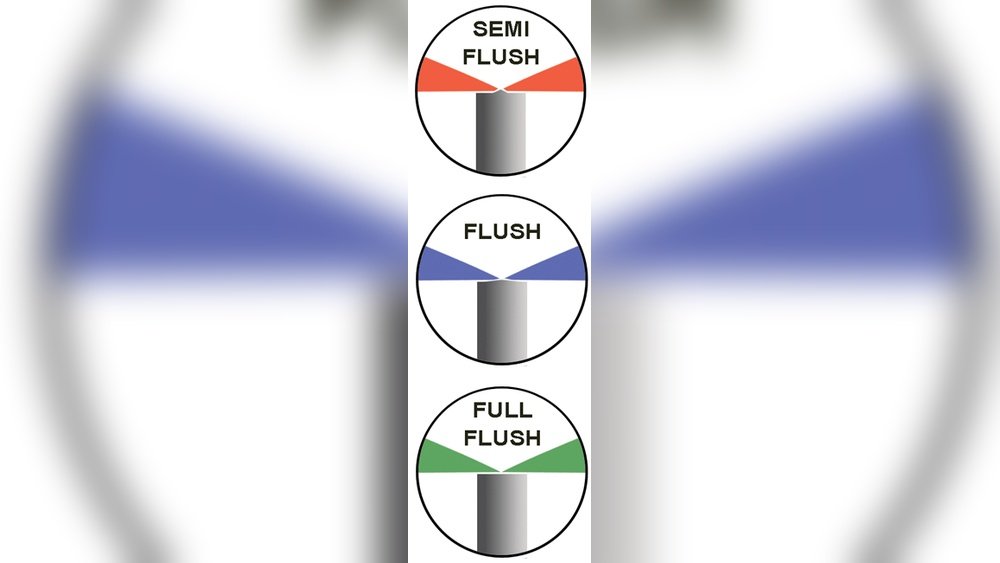
A flush cutter is a type of plier designed to cut wire or small metal pieces as close to the surface as possible. The word “flush” means level or even. Flush cutters have a flat edge on one side of the blade, allowing them to snip material with a flat, smooth finish on one side. This tool is popular in electronics, jewelry making, and model building.
Flush cutters are not for heavy-duty cutting. They work best for thin, soft wires (like copper or silver) and delicate tasks where a neat finish is important. Imagine snipping the end of a wire in a circuit board so it sits flat with no sharp point.
That’s what a flush cutter does best.
How Flush Cutters Work
Flush cutters use a shearing action. The flat side presses against the surface while the angled side slices through the wire. This means:
- One side of the cut is perfectly flat (the “flush” side).
- The other side may have a slight angle or point.
- The cutting edges are sharp, but not as strong as heavy-duty pliers.
Their handles are usually coated with soft material for comfort. The spring-loaded design helps reduce hand fatigue during repetitive work.
What Is A Wire Cutter?
A wire cutter is a more general tool. Sometimes called “diagonal cutters” or “side cutters,” wire cutters are used to cut a wide range of wires. They have two angled blades that cross each other, pinching and cutting the wire by force.
Wire cutters are tougher than flush cutters. They can handle thicker, harder wires, including steel, aluminum, and even small nails or screws in some cases. However, they do not provide the flat, smooth finish that flush cutters offer.
How Wire Cutters Work
Wire cutters use a pinching action. The blades are beveled (angled) on both sides, so:
- Both sides of the cut are angled or pointed.
- The wire end may be sharp or slightly crushed.
- The tool can handle more force and cut harder materials.
Wire cutters come in many shapes and sizes, from small precision models to large, heavy-duty versions for construction work.

Key Differences: Flush Cutter Vs Wire Cutter
Understanding the differences between flush cutters and wire cutters will help you choose the right tool for the job. Here is a direct comparison.
| Feature | Flush Cutter | Wire Cutter |
|---|---|---|
| Cutting Edge Design | Flat on one side, angled on the other | Angled/beveled on both sides |
| Cut Quality | Very smooth, flat, minimal burr | Pointed, may leave a sharp edge |
| Material Strength | Best for soft, thin wire | Can cut harder, thicker wire |
| Common Uses | Electronics, jewelry, crafts | General repair, electrical, construction |
| Durability | Less durable if used on hard wire | More durable, can handle tough jobs |
| Cutting Action | Shearing, precise | Pinching, strong |
Typical Uses: When To Choose Each Tool
Each tool has its ideal uses. Picking the right one can save you time, improve your work, and even prevent injury.
Best Uses For Flush Cutters
- Electronics: Trimming component leads on circuit boards.
- Jewelry: Cutting soft wire cleanly for earrings, necklaces, or rings.
- Model Building: Snipping plastic parts from sprues.
- 3D Printing: Removing support material or cleaning up prints.
- Crafts: Where a smooth, flat finish is important.
Flush cutters are great when you want to avoid sharp wire ends that could scratch skin or snag clothing.
Best Uses For Wire Cutters
- Electrical Work: Cutting house wiring, cables, or stripping insulation.
- DIY Repairs: Snipping nails, screws, or heavy wire.
- Construction: Cutting fencing, mesh, or metal rods.
- Automotive: Working with car wiring or small metal parts.
Wire cutters can handle tougher jobs, but they leave a sharper finish. You may need to file down the cut end if safety is a concern.
How To Identify A Flush Cutter Vs Wire Cutter
Beginners often confuse these two tools because of their similar shape. Here’s how to tell them apart.
- Look at the Jaws: Flush cutters have one flat side and one angled side. Wire cutters have both sides angled.
- Check the Blade Tips: Flush cutters’ tips meet perfectly flat; wire cutters’ tips cross in a “V” shape.
- Test the Cut: Cut a soft wire and check the finish. If one side is smooth and flat, it’s a flush cutter.
- Size and Weight: Flush cutters are usually smaller and lighter, designed for delicate work.
If you’re buying online, always look for clear product photos and check the tool’s description.
How To Use Flush Cutters And Wire Cutters Safely
Both tools are simple to use, but there are smart ways to protect yourself and get better results.
Tips For Using Flush Cutters
- Always use flush cutters only on soft wire. Cutting hard wire can chip or damage the blades.
- Hold the flat side against the surface for the cleanest cut.
- Cut with the full blade, not just the tip, to avoid bending the tool.
- Wear eye protection. Small wire pieces can fly off and cause injury.
- Clean the blades after use. A drop of oil keeps the action smooth.
Tips For Using Wire Cutters
- Choose the right size for your wire. Don’t try to cut thick cable with a tiny tool.
- Grip the handles firmly but don’t force the tool beyond its limit.
- Use the tip for small wires, the base for thick wires.
- Check the blades for dull spots or chips before each use.
- Store wire cutters in a dry place to prevent rust.
Common Mistakes And How To Avoid Them
Many beginners make avoidable mistakes that reduce tool life or lead to poor results.
- Using the Wrong Tool: Never use flush cutters for steel or piano wire. It will ruin the edge fast.
- Cutting Near the Tip: The tips are the weakest part. Always cut near the base for more power.
- Ignoring Safety: Flying wire pieces can cause injury. Always wear safety glasses.
- Not Cleaning Tools: Residue from glue or paint can gum up the blades. Clean after each job.
- Storing in Damp Places: Rust weakens the tool. Keep them dry and oiled.
Material And Build Quality: What Matters
Flush cutters and wire cutters come in different materials and quality levels. Here’s what to look for:
- Blade Material: High-carbon steel or alloy steel lasts longer and stays sharp.
- Handle Design: Ergonomic, cushioned handles reduce hand strain.
- Joint Quality: A smooth, tight joint means better control and longer life.
- Spring Action: A good spring makes repeated cuts easier and reduces fatigue.
Cheap tools can break or dull quickly. For serious projects, invest in a quality brand.

Comparing Price And Value
Flush cutters usually cost between $8 and $40, depending on size and brand. Wire cutters range from $5 to $60, with heavy-duty models costing more.
| Type | Low-End Price | High-End Price | Best For |
|---|---|---|---|
| Flush Cutter | $8 | $40 | Electronics, jewelry, crafts |
| Wire Cutter | $5 | $60 | General repair, electrical, construction |
You do not always need the most expensive tool. But extremely cheap options may have misaligned blades or weak joints.
Real-world Examples
Example 1: Electronics Hobbyist
Maria builds small robots as a hobby. She uses flush cutters to trim the extra wire from soldered joints on her circuit boards. This prevents shorts and gives a neat look. When she tried using wire cutters, the ends were sharp and sometimes damaged the board.
Example 2: Home Electrician
John repairs lamps and small appliances. He uses wire cutters to cut and strip the thick copper wires inside power cords. He tried using flush cutters once, but they dulled quickly and didn’t cut the wire cleanly.
Example 3: Jewelry Maker
Sasha makes beaded bracelets. She uses flush cutters to cut sterling silver wire so the ends don’t scratch skin. She keeps a separate, older pair of wire cutters for trimming memory wire, which is much harder.
These examples show why having both types of cutters is helpful.
Advanced Insights For Serious Users
There are a few things even experienced users often miss:
- Blade Hardness Ratings: Some tools list Rockwell hardness (HRC). A higher HRC (above 58) means the blade is harder and stays sharp longer, but may be more brittle.
- Regrinding Blades: If your cutter gets dull, some high-quality models can be re-sharpened by a pro. Cheap models usually can’t.
- Double-Flush Cutters: Some specialty flush cutters have flat edges on both sides for an even cleaner cut, but they cost more and are rare.
If you work professionally, check these specs before buying.
How To Maintain Your Cutters For Long Life
Proper care can extend the life of your cutters by years.
- Clean after every use with a dry cloth. Remove glue, paint, or debris.
- Oil the joint every month to keep movement smooth.
- Sharpen only if recommended by the manufacturer.
- Store in a dry place and keep them closed to protect the blades.
- Use the right tool for the right material. This is the easiest way to prevent damage.
Environmental And Safety Considerations
Cutting wire and small parts creates waste and sometimes sharp edges. Here’s how to stay safe and eco-friendly:
- Collect all clipped wire pieces and dispose of them properly.
- Never leave sharp wire ends exposed; they can cause injury.
- Use a small tray or mat to catch flying bits.
- If you work with electronics, avoid breathing fumes from melted plastic.
- Choose tools with insulated handles for electrical work.
Flush Cutter Vs Wire Cutter: Which Should You Buy First?
If you’re just starting, the choice depends on your main tasks.
- For electronics, jewelry, or model building: Buy a good flush cutter first. It will make your work neater and safer.
- For general repairs, electrical, or construction: Start with a quality wire cutter. It will handle a wider range of jobs.
Most serious hobbyists and professionals end up owning both. Each tool does its job better than the other.
How To Choose The Right Cutter For Your Needs
Here are some important factors to consider before buying:
- Task Type: What will you cut most often? Thin, soft wires need a flush cutter. Thick, hard wires need a wire cutter.
- Material: Check the tool’s specs. Some are rated only for copper or aluminum, not steel.
- Hand Size: Pick a handle that fits your hand for comfort.
- Cutting Capacity: Check the maximum wire size the tool can handle.
- Spring Action: If you’ll cut a lot, a spring saves your hand.
- Brand and Warranty: Trusted brands often offer better quality and support.
Never buy just by price or appearance. Read reviews and try tools in-store when possible.
Popular Brands And Models
A few brands are known for quality cutters:
- Knipex: German-made, known for precision and long life.
- Hakko: Popular with electronics hobbyists.
- Xuron: Favored in jewelry and model making.
- Channellock: Trusted for heavy-duty wire cutters.
- Klein Tools: Reliable for professional electricians.
Prices vary, but these brands are a good starting point for most users.
When To Replace Your Cutters
Even the best tools wear out. Replace your cutters if:
- The blades are chipped or dull and can’t be re-sharpened.
- The joint becomes loose and wobbly.
- The handles crack or break.
- Cuts are no longer clean, leaving more burrs or angled ends.
Trying to use a damaged cutter can be dangerous.
Comparing Flush Cutter And Wire Cutter For Special Applications
Let’s look at a few special cases.
Cutting Zip Ties And Plastic
Both tools can cut plastic, but flush cutters give a smoother finish that won’t scratch skin. This is important for cable management.
Guitar String Cutting
Regular wire cutters can cut guitar strings, but the cut will be sharp. Some musicians prefer flush cutters for a neater end, but this can damage the tool if the string is steel.
Cutting Cable Ties In Cars
Wire cutters are tough enough for under-the-hood work, but flush cutters are safer for cutting zip ties near wiring or hoses.
Myths And Misunderstandings
- Myth: Flush cutters can do everything wire cutters can. Not true—flush cutters are less durable for hard jobs.
- Myth: All cutters are the same. Quality and type make a big difference in results and safety.
- Myth: Expensive always means better. Some mid-range brands offer great value.
For Professionals: Compliance And Standards
If you work in electronics or electrical trades, you may need tools that meet standards like:
- ESD Safe: For electronics, tools that prevent static discharge.
- UL Listed: For electrical safety.
- VDE Certified: For insulation and safety on live wires.
Always check your industry’s requirements before buying.

Comparison Recap: Which To Use When?
Here’s a simple guide:
| Task | Best Tool | Why |
|---|---|---|
| Trimming electronic leads | Flush Cutter | Smooth, flat cut prevents short circuits |
| Cutting house wire | Wire Cutter | Can handle thick, hard materials |
| Making jewelry | Flush Cutter | Neat ends prevent scratches |
| Cutting nails/screws | Wire Cutter | Stronger, more durable |
| Trimming zip ties | Flush Cutter | Leaves no sharp edge |
Frequently Asked Questions
What Is The Main Difference Between A Flush Cutter And A Wire Cutter?
A flush cutter gives a flat, smooth cut on one side, ideal for delicate work. A wire cutter uses angled blades on both sides, making it better for tough jobs but leaving a pointed end.
Can I Use A Flush Cutter Instead Of A Wire Cutter?
You can use a flush cutter for soft, thin wires, but not for hard or thick wires. Using a flush cutter on hard material will damage the tool.
Why Does The Cut Edge Look Different With Each Tool?
Flush cutters shear the wire, leaving one flat side. Wire cutters pinch and crush the wire, making both sides pointed or angled.
Which Tool Is Safer For Electronics Work?
A flush cutter is safer because it leaves no sharp ends that could cause shorts or injury. It also lets you trim wires close to the board.
How Do I Keep My Cutters In Good Condition?
Clean your cutters after every use, oil the joint, and store them in a dry place. Always use the right tool for the right material to prevent damage. For more on tool care, you can read this Wikipedia guide on wire cutters.
Choosing between a flush cutter and a wire cutter comes down to your project’s needs. Understanding their differences will help you work smarter, safer, and get the best results. Whether you’re building, repairing, or creating, the right tool makes all the difference.
As an Amazon Associate, We earn from qualifying purchases