
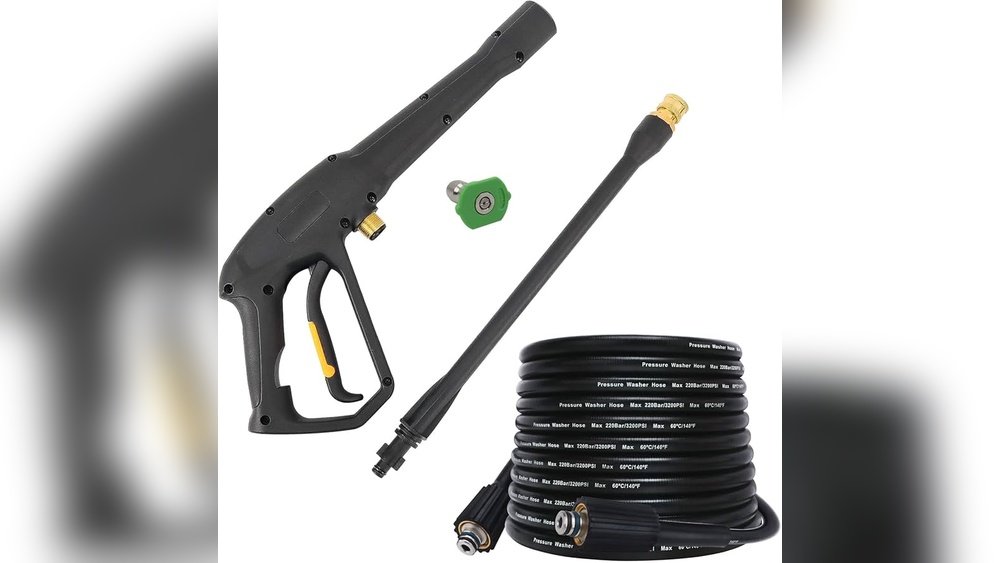
Choosing the right electric pressure washer can feel overwhelming, especially with so many brands competing for your attention. For most homeowners, two names stand out: Greenworks and Westinghouse. Both are respected for their innovation, performance, and reliability. But which one is the better fit for your cleaning needs? In this in-depth guide, you’ll discover how these two brands compare in real-world use, what features matter most, and which models deliver the best value. Whether you want to clean your driveway, deck, or car, this article will help you make a confident decision.
Why Greenworks And Westinghouse Stand Out
Electric pressure washers have become popular for their convenience, quiet operation, and environmental friendliness. Greenworks and Westinghouse are leaders in this space, but each has its unique strengths.
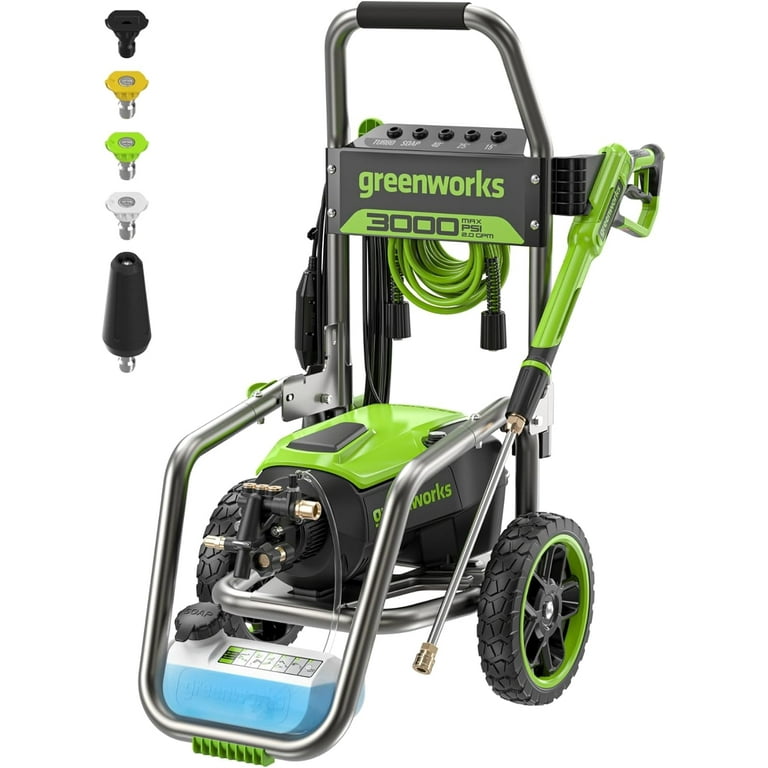
Greenworks is known for its focus on eco-friendly technology and innovation. Their products often feature easy-to-use designs, reliable brushless motors, and compatibility with battery systems. Many users trust Greenworks for everyday home cleaning tasks.
Westinghouse, on the other hand, has a long history in power equipment. Their electric pressure washers are designed with durability in mind and often include advanced features like turbo nozzles or onboard detergent tanks. People choose Westinghouse for their solid build and powerful performance.
Key Features That Matter In Electric Pressure Washers
Before comparing the brands directly, it’s important to understand what really matters when choosing an electric pressure washer. Many buyers focus only on PSI and GPM, but there are other factors that can make a big difference.
1. Pressure Rating (psi)
PSI stands for pounds per square inch. It shows how much force the water has. Higher PSI means more cleaning power. For home use, 1500–2500 PSI is usually enough.
2. Water Flow (gpm)
GPM means gallons per minute. It measures how much water the washer uses. More water means faster cleaning, especially for big areas.
3. Motor Type
Some washers use brushless motors, which last longer and need less maintenance. Others use traditional brushed motors. Brushless is usually better but can cost more.
4. Accessories And Nozzles
Different nozzles let you change the spray for different jobs. Common types: 0°, 15°, 25°, 40°, and soap. Turbo nozzles give extra power for tough stains.
5. Hose Length And Build
A longer hose gives you more reach without moving the machine. Look for hoses that are at least 20 feet and kink-resistant.
6. Portability And Storage
Wheels, handle design, and weight matter if you need to move the washer around your home. Some models have compact designs for easy storage.
7. Price And Warranty
A good warranty can save you money and stress. Compare prices but consider the value of included accessories and after-sales support.
Non-obvious insight: Don’t focus only on max PSI. Consistent pressure and the right nozzle are just as important for cleaning results.
Greenworks Electric Pressure Washer: In-depth Review
Greenworks offers several electric pressure washers, but their most popular is the Greenworks 2000 PSI 1.2 GPM Electric Pressure Washer (model GPW2000). Let’s look at what makes Greenworks stand out.
Performance And Power
The Greenworks GPW2000 delivers 2000 PSI at 1.2 GPM. This is ideal for cleaning patios, siding, cars, and furniture. It uses a reliable brushless motor, which reduces noise and increases life span.
Example: Washing a car with the 25° nozzle takes about 10–12 minutes, and the pressure is strong enough to remove dirt without damaging paint.
Design And Usability
This model is lightweight (about 37 pounds) and has large wheels. The 25-foot hose gives good range. The power cord is 35 feet, so you can cover most driveways.
Changing nozzles is simple with a quick-connect system. The machine stands upright and has a hose reel for neat storage.
Accessories
Included with the GPW2000:
- Four quick-connect nozzles (0°, 25°, 40°, soap)
- Detergent tank
- 25-foot high-pressure hose
- Spray gun and wand
Tip: The soap nozzle is great for applying detergent on siding or cars before rinsing.
Build Quality
Greenworks uses strong plastic and metal parts. The hose connections are solid, and the unit feels stable during use. Some users report minor leaks at the hose connection, but this is usually fixed by tightening or using a rubber washer.
Price And Warranty
The GPW2000 is usually priced around $170–$200. It comes with a 3-year limited warranty, which is better than many competitors.
Non-obvious insight: The brushless motor in Greenworks models may save you money in the long term because it needs less maintenance and has fewer parts that wear out.
Westinghouse Electric Pressure Washer: In-depth Review
Westinghouse also offers several electric pressure washers, but the Westinghouse ePX3050 is one of the top models for home use.
Performance And Power
The ePX3050 provides 2050 PSI at 1.76 GPM. This puts it slightly ahead of the Greenworks in both pressure and water flow. The extra GPM means faster cleaning of large surfaces.
Example: Cleaning a large patio (15′ x 20′) with the turbo nozzle takes about 20 minutes, removing moss and grime easily.
Design And Usability
The ePX3050 is compact and weighs only 19 pounds. It has four wheels and a low center of gravity, so it doesn’t tip over easily. The 17-ounce detergent tank is built-in, and the 20-foot hose is easy to manage.
Nozzle changes are quick, and the handle folds down for storage.
Accessories
Included with the ePX3050:
- Four quick-connect nozzles (0°, 15°, 25°, soap)
- Turbo nozzle (for extra power)
- 20-foot high-pressure hose
- Spray gun and wand
Tip: The turbo nozzle is excellent for removing stuck-on mud or mildew from concrete.
Build Quality
Westinghouse uses a mix of sturdy plastic and metal. The machine feels solid and the connections are tight. Some users mention the hose is a little stiff at first but becomes more flexible over time.
Price And Warranty
The ePX3050 is priced around $130–$160. It comes with a 1-year limited warranty.
Non-obvious insight: The four-wheel design makes a bigger difference than most people expect. If you need to move the washer a lot, the ePX3050 is easier to pull than upright, two-wheel models.

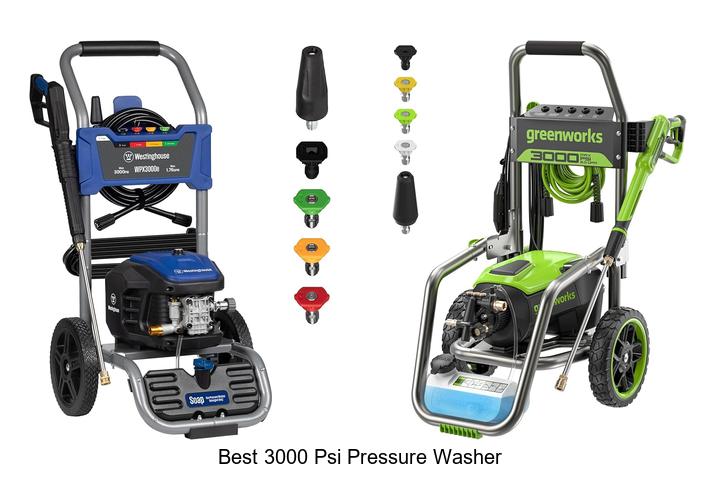
Side-by-side Comparison: Greenworks Vs Westinghouse
To help you see the differences clearly, here is a direct comparison of the top models from each brand.
| Feature | Greenworks GPW2000 | Westinghouse ePX3050 |
|---|---|---|
| Max PSI | 2000 | 2050 |
| GPM | 1.2 | 1.76 |
| Motor Type | Brushless | Universal |
| Weight | 37 lbs | 19 lbs |
| Hose Length | 25 ft | 20 ft |
| Warranty | 3 years | 1 year |
| Turbo Nozzle | No | Yes |
| Detergent Tank | Yes | Yes |
| Price Range | $170–$200 | $130–$160 |
Performance In Real-world Cleaning Tasks
Choosing a pressure washer is not just about specs. You want to know how each brand performs in actual cleaning jobs. Here’s how Greenworks and Westinghouse compare in common situations.
1. Washing Cars
- Greenworks: The brushless motor runs quietly, and the 25-foot hose means you don’t need to move the unit much. With the 40° nozzle, it’s gentle enough for paintwork.
- Westinghouse: The turbo nozzle is too strong for cars, but the 25° nozzle works well. The lightweight, four-wheel design makes it easy to move around the vehicle.
2. Cleaning Driveways And Sidewalks
- Greenworks: Consistent pressure and longer hose help you cover big areas. Cleaning takes a bit longer because of lower GPM.
- Westinghouse: The higher GPM and turbo nozzle clean driveways faster. You finish the job in less time, but you may need to refill the detergent tank more often.
3. Washing Decks And Fences
- Greenworks: The 25° and 40° nozzles are gentle on wood. The upright design is easy to park near your deck.
- Westinghouse: The compact size fits under deck railings. The hose is shorter, so you may need an extension for large decks.
4. Cleaning House Siding
- Greenworks: The tall handle makes it easy to move along siding. The machine stands upright and doesn’t tip.
- Westinghouse: The four-wheel base rolls smoothly over grass and gravel. The extra pressure helps remove old grime faster.
Tip: For siding, always test a small area with a wide nozzle first to avoid damage.
Durability And Maintenance
Greenworks
Greenworks’ brushless motors are designed to last longer and need less upkeep. The main thing to check is the hose connection for leaks. Always drain the pump after use in cold weather to avoid freezing damage.
Practical advice: Use a surge protector to avoid power spikes that can damage the motor.
Westinghouse
Westinghouse units use universal motors, which are reliable but may wear out faster than brushless motors. Lubricate the O-rings on hose connections and store the unit indoors when not in use.
Pro tip: If the hose feels stiff, soak it in warm water before first use to make it more flexible.
Noise, Vibration, And User Comfort
Both Greenworks and Westinghouse electric washers are quieter than gas models. However, there are some differences:
- Greenworks: Runs at about 67–70 dB (normal conversation level). Vibration is minimal.
- Westinghouse: Slightly louder at 70–72 dB, but the difference is small. The four-wheel base absorbs vibration, so the machine stays stable.
For long cleaning jobs, both brands are comfortable to use, but Greenworks’ spray gun feels a bit more ergonomic.
Portability And Storage
- Greenworks: Heavier but stands upright and has a hose reel for tidy storage. Good for garages with limited floor space.
- Westinghouse: Lighter and more compact. The handle folds down, so it fits on a shelf or in a car trunk.
Real-world tip: If you need to carry your washer up stairs or load it into a car, Westinghouse’s lighter weight is a big advantage.
Customer Support And User Experience
Greenworks
Greenworks is known for good customer service. Many users say warranty claims are handled smoothly. Replacement parts like hoses and nozzles are easy to find.
Westinghouse
Westinghouse support is helpful, but some users report delays in email responses. The instruction manual is clear, and the company has a good online FAQ.
Non-obvious insight: Check your local hardware store for parts before you buy. Greenworks parts are usually easier to find in stores.
Value For Money
When it comes to value, both brands offer strong reasons to buy:
- Greenworks: Costs more but gives you a longer warranty and a motor that should last many years.
- Westinghouse: Lower price, higher water flow, and includes a turbo nozzle for tough cleaning jobs.
If you want a washer that will last for many years with little maintenance, Greenworks is a smart investment. If you want the most cleaning power for your money and don’t mind a shorter warranty, Westinghouse is a solid pick.
Who Should Choose Greenworks?
- Homeowners who want reliability and a long-lasting machine
- People who clean cars, decks, or siding regularly
- Those who need a longer hose and upright storage
- Anyone who values a longer warranty
Who Should Choose Westinghouse?
- Budget-conscious buyers who want maximum power for the price
- People who need to move their washer often
- Those who clean driveways, patios, or large areas
- Anyone who wants a turbo nozzle included
Common Buyer Mistakes (and How To Avoid Them)
- Focusing only on PSI: Remember, higher PSI is not always better. Too much pressure can damage surfaces.
- Ignoring hose length: A short hose means more moving the machine around, which gets tiring.
- Overlooking warranty: A longer warranty can save you money if something goes wrong.
- Skipping accessories: Not all washers include all nozzle types or a turbo nozzle. Check the box before buying.
- Not checking storage space: Make sure the washer will fit where you plan to keep it.
Expert Tips For Getting The Most From Your Pressure Washer
- Always use the widest nozzle that cleans the surface. This prevents damage.
- Test the washer on a small area before cleaning the full surface.
- After each use, drain water from the pump and hose to prevent freezing or mold.
- Use only detergents made for pressure washers. Others may damage the pump.
- Store the washer out of direct sunlight and away from freezing temperatures.
Extra insight: For tough stains, apply detergent and let it sit for 3–5 minutes before rinsing. This “dwell time” helps break down dirt.
Real User Stories
Sarah From Ohio
Sarah bought a Greenworks GPW2000 for cleaning her wooden deck and car. She loves the quiet motor and how easy it is to store upright. “I use it every month, and it always starts right up. The 25-foot hose is perfect for my driveway.
”
Mike From Texas
Mike picked the Westinghouse ePX3050 for his concrete patio and siding. “The turbo nozzle is a game-changer. I cleaned years of grime in one afternoon. The wheels roll easily, even on gravel. ”
Additional Comparison: Other Models From Each Brand
Greenworks and Westinghouse both offer a range of models. Here’s a quick look at two more options from each brand:
| Model | Max PSI | GPM | Weight | Price |
|---|---|---|---|---|
| Greenworks GPW1501 | 1500 | 1.2 | 17 lbs | $90–$110 |
| Greenworks GPW2300 | 2300 | 2.3 | 49 lbs | $210–$250 |
| Westinghouse ePX3100 | 2300 | 1.76 | 21 lbs | $190–$220 |
| Westinghouse WPX2700 (Gas) | 2700 | 2.3 | 63 lbs | $260–$290 |
Note: The WPX2700 is a gas model, included for comparison. Most homeowners prefer electric for their ease of use and lower maintenance.
Environmental Impact
Both Greenworks and Westinghouse electric models are much more environmentally friendly than gas pressure washers. They use less water and produce no exhaust fumes. Greenworks focuses especially on eco-friendly materials and packaging.
Interesting fact: Electric pressure washers use about 80% less water than garden hoses for the same cleaning job. This saves money and helps the planet.
Availability And Where To Buy
You can find both brands on major online stores like Amazon, Home Depot, and Lowe’s. Greenworks is also sold at some local hardware stores, while Westinghouse has wider availability in big box retailers.
For more technical specs or user manuals, check the brands’ official websites or visit Wikipedia for a deeper look at pressure washer technology.
Frequently Asked Questions
What Is The Main Difference Between Greenworks And Westinghouse Electric Pressure Washers?
The biggest differences are in motor type, water flow, and design. Greenworks uses brushless motors for longer life and quieter operation, while Westinghouse focuses on higher water flow and portability with a four-wheel design.
Can Both Brands Handle Tough Cleaning Tasks Like Oil Stains Or Mold?
Yes, both brands can handle tough jobs with the right nozzle and detergent. Westinghouse’s turbo nozzle gives extra cleaning power, while Greenworks’ consistent pressure is reliable for deep cleaning with pre-soaking.
Which Brand Is Better For Washing Cars?
Both are good choices, but Greenworks is slightly better due to its longer hose, quieter motor, and gentle spray options. Always use the 25° or 40° nozzle for cars to avoid damage.
Do I Need Special Detergents For These Electric Pressure Washers?
Yes, use only pressure washer-safe detergents. Regular soaps can foam too much or damage the pump. Both Greenworks and Westinghouse offer their own cleaning solutions.
How Important Is The Warranty When Choosing A Pressure Washer?
Warranty is very important. A longer warranty, like Greenworks’ 3 years, gives more peace of mind and often means better customer support. If you use your washer often, a good warranty is worth the higher price.
Final Thoughts
Choosing between Greenworks and Westinghouse electric pressure washers comes down to your needs and budget. Greenworks is the better choice for reliability, quiet operation, and a longer warranty. Westinghouse gives you more cleaning power and portability for less money, plus handy features like a turbo nozzle.
Both brands offer strong value and are trusted by thousands of homeowners.
Think about what you will clean most often, how much storage space you have, and how much support you want from the manufacturer. With the guidance in this article, you can now pick the best electric pressure washer for your home with confidence.
As an Amazon Associate, We earn from qualifying purchases