
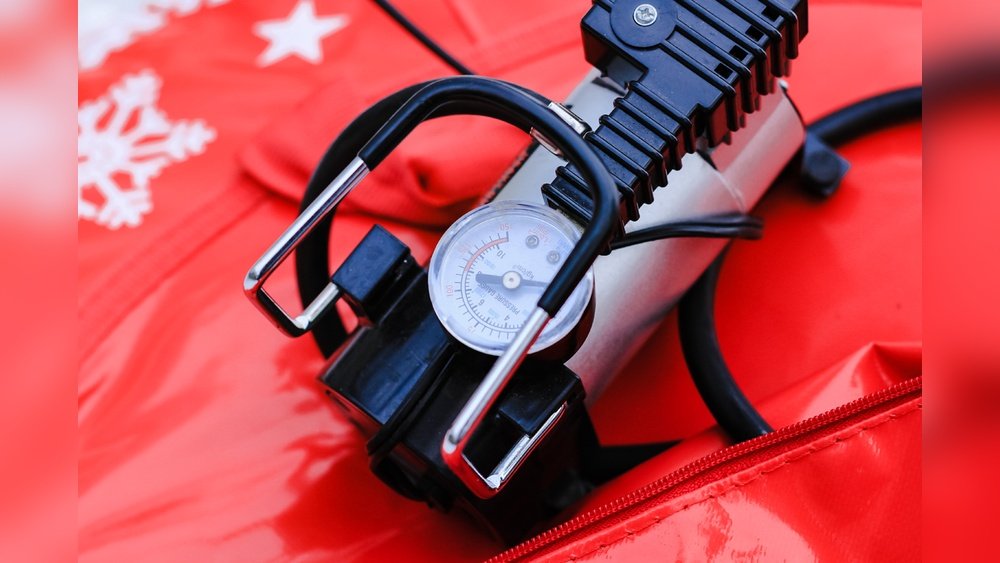
Air Pump Vs Air Compressor: Understanding the Key Differences and Choosing the Right Tool
If you have ever needed to inflate a tire, power a nail gun, or fill up a sports ball, you may have wondered: what is the difference between an air pump and an air compressor? Both tools move air, but they are not the same. Knowing how each works, their best uses, and their strengths and weaknesses can save you time, money, and frustration.
This article will guide you through everything you need to know about air pumps and air compressors. We will break down how they work, show where each tool shines, and compare them side by side. You will also learn practical tips for choosing the right one for your needs, plus answers to common questions. By the end, you will feel confident about which tool to pick and why.
What Is An Air Pump?
An air pump is a simple device that moves air from one place to another. Most air pumps are made for low-pressure jobs. They are often manual (worked by hand or foot) but can also be powered by electricity or batteries.
Some common examples:
- Bicycle pump: Used to fill bike tires.
- Foot pump: Used for inflating air mattresses or sports balls.
- Aquarium pump: Moves air into water for fish tanks.
Air pumps use basic mechanisms like pistons, diaphragms, or bellows. When you push or pull, air is forced into the object you want to inflate.
How Air Pumps Work
The most common type is the piston pump. When you pull up, air enters the chamber through a valve. When you push down, the valve closes, and air is forced out through a hose into your tire, ball, or mattress.
Manual air pumps are portable and require no electricity. Electric air pumps use a small motor to do the work, which is useful for larger inflatables or for people who want less effort.
Typical Applications
Air pumps are best for:
- Inflating bike and car tires (for emergencies or small top-ups)
- Sports balls (basketballs, soccer balls, etc.)
- Air mattresses, pool toys, inflatable boats
- Aquarium aeration
What Is An Air Compressor?
An air compressor is a machine that takes in air from the environment and increases its pressure. This high-pressure air is stored in a tank and can be used for many demanding jobs. Air compressors are powered by electricity, gasoline, or diesel.
Some examples of air compressors:
- Pancake compressor: Small and portable, often used for nail guns.
- Shop compressor: Large, heavy-duty, used in garages and factories.
- Portable 12V compressor: Plugs into a car, used for tires.
How Air Compressors Work
Most air compressors use one of these mechanisms:
- Reciprocating piston: Like a car engine, a piston moves up and down inside a cylinder.
- Rotary screw: Two spinning screws trap and pressurize air.
- Centrifugal: Uses a spinning disk to increase air pressure (common in large industrial machines).
The compressor draws in air, squeezes it to a higher pressure, and stores it in a tank. You can then use the air through a hose, powering tools or inflating objects much faster and with more force than a pump.
Typical Applications
Air compressors are used for:
- Powering pneumatic tools (nail guns, paint sprayers, impact wrenches)
- Inflating tires quickly (cars, trucks, bikes)
- Industrial uses (assembly lines, auto repair, construction)
- Cleaning (blowing dust from electronics or machinery)

Core Differences: Air Pump Vs Air Compressor
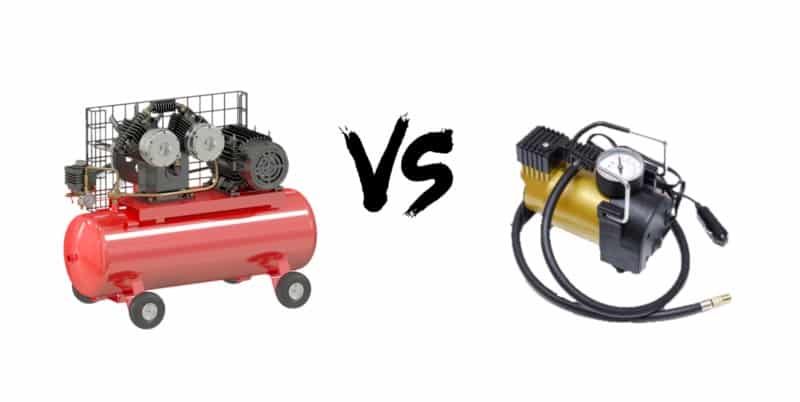
Understanding the main differences will help you choose the right tool for your task. Here is a side-by-side comparison:
| Feature | Air Pump | Air Compressor |
|---|---|---|
| Pressure Output | Low (up to 150 PSI) | Medium to High (up to 175 PSI or more) |
| Power Source | Manual, battery, or electric | Electric, gasoline, or diesel |
| Portability | Very portable | Ranges from portable to stationary |
| Air Volume | Low volume per cycle | High volume, can fill large tanks |
| Applications | Inflating, aerating | Powering tools, industrial uses, fast inflating |
| Cost | Low ($10–$50) | Medium to high ($50–$5000+) |
Key Takeaway
If you need high pressure or want to power tools, choose an air compressor. For simple inflation or small jobs, an air pump is enough.
Types Of Air Pumps
Air pumps come in different designs. Here are the main types:
- Hand Pump: Operated by hand, used for balls, bikes, small tires. Light, cheap, and reliable.
- Foot Pump: Uses your foot to pump air, often faster for larger objects like air beds or boats.
- Electric Air Pump: Runs on batteries or wall power. Used for inflating mattresses, toys, or pool floats.
- Double Action Pump: Pushes air on both up and down strokes—faster inflation, common for SUP boards or large inflatables.
- Aquarium Air Pump: Special pump that pushes small amounts of air into water to oxygenate fish tanks.
Each type has its place. For example, a double-action pump is great for camping, but a hand pump is better for a soccer ball.
Non-obvious Insight
Not all air pumps can handle the pressure needed for car or bike tires. Many electric air pumps for mattresses only output low pressure (less than 1 PSI). Always check the maximum PSI rating before buying.
Types Of Air Compressors
Air compressors also come in many shapes and sizes, each suited for specific tasks.
- Pancake Compressor: Small, round tank. Great for home use, nail guns, and inflating tires.
- Hot Dog Compressor: Similar to pancake, but with a horizontal cylinder tank.
- Twin-Stack Compressor: Two tanks for more air, more consistent pressure.
- Wheelbarrow Compressor: Larger, with wheels and handles for moving around job sites.
- Stationary Compressor: Large, heavy, fixed in one place. Used in workshops or factories.
- Rotary Screw Compressor: Industrial, designed for continuous use.
- Portable 12V Compressor: Plugs into your car’s cigarette socket. Good for emergencies.
- Oil-Free vs Oil-Lubricated: Oil-free models are low-maintenance, oil-lubricated last longer with heavy use.
Practical Example
If you want to power a paint sprayer, a pancake compressor (2–6 gallons, 90–120 PSI) is usually enough. For running an impact wrench, you may need a larger, stationary compressor.
Non-obvious Insight
Many beginners buy small, cheap compressors but find they can’t run bigger tools for long periods. Tank size and CFM (cubic feet per minute) are as important as PSI. Always match the compressor’s output to your tools’ requirements.
Detailed Use Cases: When To Use Each Tool
Let’s look at specific situations and which tool works best.
Inflating Car Tires
- Air Pump: Manual pumps can top up a car tire but are slow. Electric pumps are faster but may take 10–20 minutes per tire.
- Air Compressor: Fills a tire in 2–4 minutes. Good for flat tires or multiple cars.
Recommendation: For home emergencies, a 12V portable compressor is best. For rare use or small top-ups, a foot or hand pump can work.
Powering Tools
- Air Pump: Not suitable. Cannot provide enough pressure or volume.
- Air Compressor: Essential for nail guns, wrenches, sanders, and more.
Recommendation: If you own pneumatic tools, invest in a compressor with the right CFM and tank size.
Inflating Sports Balls
- Air Pump: Fast, easy, portable. Needle adapters fit most balls.
- Air Compressor: Can be used with a ball needle, but over-inflation is a risk.
Tip: Use a hand pump for better control to avoid bursting balls.
Air Mattresses And Pool Toys
- Air Pump: Electric or double-action pumps are ideal. Manual pumps can be tiring for large items.
- Air Compressor: Works, but may be overkill. Some can blow too much air too fast.
Tip: Choose an electric air pump with the right nozzle for convenience.
Aquarium Aeration
- Air Pump: Special low-flow pumps designed for water.
- Air Compressor: Not suitable—too strong and not designed for water use.

How To Choose: Air Pump Or Air Compressor?
When you are shopping for a tool, these are the most important questions to ask:
- What is your main use? For inflating, a pump may be enough. For tools or fast inflation, choose a compressor.
- How much pressure do you need? Check the PSI needed for your task.
- How often will you use it? Frequent or heavy-duty use needs a compressor.
- How portable do you need it to be? Pumps are lighter, but some compressors are also portable.
- What is your budget? Pumps are cheaper; compressors cost more but do more.
Common Mistakes Buyers Make
- Ignoring PSI and CFM ratings: Always match tool and compressor specs.
- Choosing too small a compressor: It may not keep up with tools or tasks.
- Using the wrong tool: For example, trying to use a mattress pump for car tires.
- Overlooking noise: Some compressors are very loud—check decibel ratings if you need quiet operation.
- Not checking power source: Make sure you have the right power available (12V, 110V, gas, etc.)
Advantages And Disadvantages
Here’s a summary of the main pros and cons of each tool:
| Air Pump | Air Compressor | |
|---|---|---|
| Pros |
|
|
| Cons |
|
|
Safety Tips And Maintenance
Both air pumps and compressors are safe when used correctly, but there are important safety steps to remember.
Air Pump Safety
- Do not exceed max PSI: Over-inflating can cause items to burst.
- Use correct adapters: For balls or bikes, a wrong adapter can damage valves.
- Check for leaks: Worn hoses or connections can waste effort.
Air Compressor Safety
- Read the manual: Compressors are powerful machines.
- Drain the tank: Moisture can build up, causing rust or tank failure.
- Wear hearing protection: Some compressors are loud.
- Check hoses and fittings: High-pressure leaks can be dangerous.
- Never exceed rated pressure: Doing so can damage tools or cause injuries.
Maintenance Tips
- Air pumps: Simple cleaning and lubrication (if needed) keep them working well.
- Air compressors: Check oil (if oil-lubricated), clean filters, and drain tank after use. Replace worn hoses and parts as needed.
Environmental Impact
Most manual air pumps have almost no environmental footprint—they need no power and last for years. Electric air pumps and compressors use energy, so their impact depends on how often you use them and your local power source.
Gas-powered compressors create emissions, so choose electric if you want to be greener. Also, regular maintenance (like draining water and cleaning filters) helps extend machine life and reduces waste.
Real-world Examples And Statistics
- A foot pump can inflate a car tire from flat to 35 PSI in about 10–15 minutes, but it is tiring.
- A small 12V air compressor can fill the same tire in about 3–5 minutes.
- A pancake compressor (6-gallon, 2.6 CFM at 90 PSI) can run a finish nailer all day for home projects.
- Industrial rotary screw compressors can supply air for dozens of tools and machines at once, running continuously.
According to the U. S. Department of Energy, compressed air systems account for about 10% of all electricity used in American manufacturing—showing their huge role in industry.
Advanced Tips For Getting The Most Out Of Each Tool
- For air pumps, keep adapters and needles in a small bag so you don’t lose them.
- For compressors, buy a pressure regulator and moisture trap—these protect your tools and improve performance.
- Use the right hose length: Longer hoses reduce pressure, so choose the shortest one that works.
- Store your tools properly: Keep them dry and away from direct sunlight to prevent aging or cracking.
- Know your limits: Don’t try to fill large truck tires with a hand pump—it’s not safe or practical.
When Should You Own Both?
Some people find it useful to have both an air pump and an air compressor. For example:
- Cyclists: A hand pump for on-the-road emergencies, and a compressor at home for fast fills.
- Homeowners: A foot pump for balls and toys, a compressor for DIY projects.
- Car owners: A small 12V compressor in the trunk, plus an electric air pump for camping gear.
This way, you always have the right tool for the job, without overworking one tool or risking damage.
Air Pump Vs Air Compressor: Which Is Right For You?
If you mainly inflate small items (balls, floats, bike tires), an air pump is cheap and easy. If you need to power tools, do construction, or inflate car tires often, an air compressor is the better investment.
Ask yourself:
- What will I use this for most?
- How much am I willing to spend?
- Do I want speed or simplicity?
- Will I need to use it away from power sources?
Answering these will make your choice clear.
For more technical details and history about these tools, you can check the Wikipedia page on Air Compressors.
Frequently Asked Questions
What Is The Main Difference Between An Air Pump And An Air Compressor?
The biggest difference is pressure and power. An air pump moves air at low pressure, usually for inflating small objects. An air compressor creates high-pressure air, stores it in a tank, and powers tools or fills tires quickly.
Can I Use An Air Pump To Inflate Car Tires?
Yes, but with limits. A hand or foot pump can inflate car tires, but it is slow and tiring. Some electric air pumps can do the job, but always check the maximum PSI—many pumps cannot reach the 30–35 PSI needed for cars.
Are Air Compressors Safe For Home Use?
Modern air compressors are safe if you follow instructions. Always check hoses, don’t exceed pressure limits, and wear hearing protection if needed. Small home compressors are designed for safety, but larger models need more care.
What Does Psi And Cfm Mean When Buying A Compressor?
PSI (pounds per square inch) is the pressure the compressor can provide. CFM (cubic feet per minute) is how much air it can deliver. Both must match your tool or task. For example, a paint sprayer may need 3 CFM at 40 PSI.
Do I Need To Maintain My Air Pump Or Compressor?
Yes. Air pumps need little maintenance—just keep them clean. Air compressors need more care: drain water from the tank, check oil (if required), and clean air filters. Good maintenance helps them last longer and work safely.
—
Whether you need to fill a soccer ball or power a nail gun, knowing the difference between an air pump and an air compressor helps you get the job done right. Choose wisely, stay safe, and enjoy the convenience each tool offers.
As an Amazon Associate, We earn from qualifying purchases