
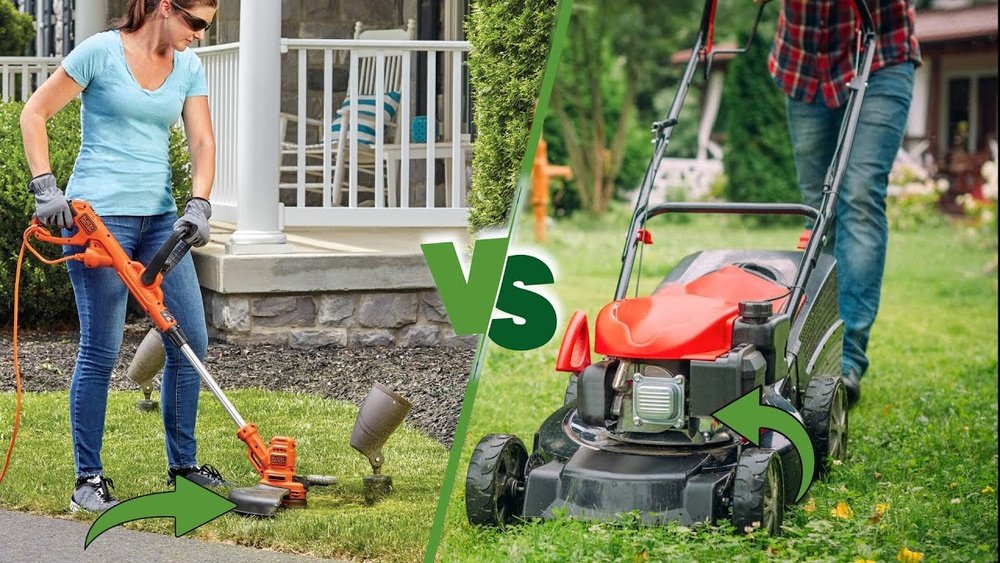
String Mower Vs Lawn Mower: Choosing the Right Tool for Your Yard
Taking care of a yard can be both satisfying and challenging. The right equipment makes all the difference, especially when it comes to keeping grass and weeds under control. Two common machines often compared are the string mower and the lawn mower. While both help maintain your outdoor space, they serve different purposes, handle tasks differently, and suit different types of lawns and gardens.
Many homeowners wonder if one tool is enough or if both are necessary. The answer depends on your yard’s layout, the types of grass and weeds you have, and your own comfort level with yard work. This guide explores the differences between string mowers and lawn mowers in detail, covering their designs, strengths, weaknesses, and best uses.
By the end, you’ll know which machine is best for your needs—or if using both might give you the perfect result.
What Is A String Mower?
A string mower—sometimes called a walk-behind string trimmer or a trimmer mower—is a powerful machine designed to cut through tall grass, thick weeds, and brush. It uses a fast-spinning nylon string instead of a metal blade. The string whips at high speed, slicing through vegetation that would bog down a regular lawn mower.
Unlike handheld string trimmers, string mowers are larger, often with two wheels and a sturdy frame. They’re pushed in front of the operator, similar to a standard push mower. Some models are powered by gas engines, while others use electricity.
Key Features
- Uses a thick, replaceable nylon string as the cutting tool
- Walk-behind, with large wheels for rough terrain
- Handles tall grass, weeds, and light brush up to 1 inch thick
- Ideal for uneven ground, ditches, fence lines, and areas with obstacles
Common Uses
String mowers shine where traditional mowers struggle. For example, if you have a field that’s overgrown with thick weeds, or a yard with lots of rocks and tree roots, a string mower cuts through the growth without damage. They’re also used for clearing trails, cleaning up fence lines, and handling overgrown areas before switching to a regular mower.
What Is A Lawn Mower?
A lawn mower is a machine designed to trim grass to a uniform height. It usually has one or more metal blades that spin horizontally, slicing the grass cleanly as the mower moves over it. Lawn mowers come in many styles, including push mowers, self-propelled models, and riding mowers.
Most people use a lawn mower to keep a yard looking tidy. They’re best suited for areas with maintained, even grass, not for wild or overgrown vegetation.
Key Features
- Uses one or more metal blades for cutting
- Designed for regular, short grass
- Provides an even, finished look to lawns
- Available in manual, electric, and gas-powered models
Common Uses
Lawn mowers are the go-to tool for home lawns, parks, and athletic fields. They create a uniform appearance and help keep grass at healthy lengths. Some mowers come with bagging or mulching options, making it easy to collect or recycle clippings.
Core Differences: String Mower Vs Lawn Mower
Understanding the main differences between these two machines helps you decide which is right for your yard. Below is a summary of the most important factors.
| Feature | String Mower | Lawn Mower |
|---|---|---|
| Cutting Mechanism | Nylon string | Metal blade(s) |
| Best For | Tall grass, weeds, brush | Regular, even lawns |
| Terrain Handling | Uneven, rough, rocky | Smooth, flat |
| Cut Height | Less precise | Very precise |
| Debris Handling | Can handle sticks, rocks | Prone to damage from debris |
| Finish Quality | Rough cut | Clean, manicured look |
Advantages Of String Mowers
String mowers offer some unique benefits, especially for challenging outdoor conditions.
Handles Overgrown Areas
A string mower is built for overgrown grass, weeds, and brush. Its thick nylon string can chew through stems and stalks that would jam or break a lawn mower. This makes it the first choice for reclaiming neglected land or handling fast-growing weeds at the edge of a property.
Tough On Obstacles
One big advantage is the ability to work around rocks, roots, and fence posts. The string simply bounces off hard objects instead of breaking. This reduces the risk of damage to the machine and makes it safer to use in uncertain terrain.
Easy Maintenance
Replacing the nylon string is much simpler and cheaper than sharpening or replacing metal blades. If the string wears down, you can reload it in minutes. There’s also less worry about rust or bending, issues common with metal blades.
Versatile Cutting Angles
Because of its design, a string mower can reach into awkward spots—under bushes, around trees, or along steep ditches. This flexibility is hard to match with standard mowers.
Good For Clearing Before Mowing
Many professionals use a string mower to clear an area first, then switch to a lawn mower for finishing. This two-step process gets the best of both worlds: no stuck blades, and a neat final cut.

Disadvantages Of String Mowers
String mowers are not perfect for every job. Here’s where they fall short.
Not For Fine Lawns
If you want a golf course look, a string mower won’t deliver. The cut is rough, and the height is not as even. For well-maintained turf, a lawn mower is a better choice.
Slower For Large, Flat Lawns
While string mowers can cover ground, they are less efficient on wide, flat, open lawns. The cut width is usually smaller, and the machine moves slower over smooth surfaces compared to a regular lawn mower.
More Effort Required
Pushing a string mower over tough ground or through dense weeds can be physically demanding. They’re heavier and require more strength, especially on hills or soft soil.
Messier Clippings
The cut grass and weeds are often left in place, not collected. This can look messy and may require extra cleanup, especially if you want a tidy yard.
Advantages Of Lawn Mowers
Lawn mowers remain the most popular choice for home lawns. Their strengths are clear:
Clean, Even Cut
A good lawn mower provides a uniform, attractive finish. The height of the grass is easily controlled, and the blades deliver a smooth cut, which keeps grass healthy and strong.
Faster For Regular Lawns
Most lawn mowers have a wide cutting deck, allowing you to cover more ground quickly. Self-propelled and riding mowers make it easy to mow large areas with less effort.
Bagging And Mulching Options
Many models can collect clippings or mulch them, reducing yard waste and feeding nutrients back into the soil. This is a big plus for people who want a clean look or prefer not to rake afterward.
Quiet And Eco-friendly Choices
Electric and battery-powered lawn mowers are quieter and produce no emissions during use. This is good for smaller yards, urban areas, and environmentally conscious homeowners.
Adjustable Cutting Height
With most mowers, you can easily adjust the height of the blades. This helps you follow best practices for lawn health, like leaving grass a bit taller in summer to retain moisture.
Disadvantages Of Lawn Mowers
Even the best lawn mower has limits.
Not For Heavy Growth
Lawn mowers struggle with tall, thick, or wet grass. Blades can get clogged or damaged, and the engine may stall. Trying to mow wild areas can break the machine and create frustration.
Prone To Damage
Metal blades don’t tolerate rocks, sticks, or hidden objects. Hitting these can bend or break the blade, sometimes causing dangerous flying debris.
Limited Terrain Handling
Most lawn mowers are designed for smooth, flat lawns. Slopes, ditches, and rough ground can be hard to mow safely and evenly.
Higher Maintenance
Sharpening blades, cleaning decks, changing oil (for gas models), and other upkeep are needed to keep a lawn mower working well.
Not Ideal For Edges
Getting close to fences, trees, and corners is difficult. You may need to use a string trimmer or hand tools for finishing touches.
Which Tool Is Right For Your Yard?
The best choice depends on your yard size, type of grass, level of maintenance, and how you want your lawn to look.
When To Choose A String Mower
- Your property has tall grass, weeds, or brush
- You need to clear overgrown areas before regular mowing
- Your yard has rocks, roots, or uneven ground
- You want to maintain fence lines, ditches, or wild borders
When To Choose A Lawn Mower
- You have a well-maintained, flat lawn
- You value a neat, manicured appearance
- You want fast, easy mowing for regular grass
- You prefer options for bagging or mulching clippings
When You Might Need Both
Some yards benefit from both machines. For example, you might use a string mower once or twice a year to clear wild patches, then switch to a lawn mower for weekly maintenance. Large rural properties, gardens with lots of trees, or places with seasonal overgrowth often require both.
Comparing Performance: Real-world Examples
Let’s look at a few common yard scenarios to see which tool comes out on top.
Overgrown Field
Imagine you have a half-acre lot that hasn’t been mowed in months. The grass is waist-high, and weeds are thick. A lawn mower would likely stall, get clogged, or break. A string mower, however, can chew through the mess and get the area under control.
Afterward, you could use a lawn mower for regular upkeep.
Typical Suburban Lawn
If your yard is a quarter-acre of even grass, mowed every week, a lawn mower is the clear winner. It will give you the neat look you want, handle most of the work quickly, and let you collect or mulch clippings.
Edges And Obstacles
Suppose your yard has a lot of trees, flower beds, or fences. A string mower is useful for cleaning up the tricky spots a lawn mower can’t reach. Some people trim the edges with a string mower, then use a lawn mower for the main area.
Ditches And Slopes
For yards with steep ditches or uneven terrain, string mowers are much safer and more effective. Lawn mowers can tip over or miss patches of grass, while string mowers handle the rough ground better.
Cost Comparison
Price matters when choosing equipment. Here’s a general comparison.
| Type | Price Range (USD) | Typical Maintenance Cost |
|---|---|---|
| String Mower | $300–$700 | Low (string replacement, basic engine care) |
| Lawn Mower (Push) | $150–$500 | Medium (blade sharpening, oil, filters) |
| Lawn Mower (Riding) | $1,000–$3,000 | High (blades, belts, tires, engine work) |
String mowers usually cost more than basic push mowers but less than riding mowers. Maintenance is simple—mostly string replacement and occasional engine checks. Lawn mowers, especially riding models, can cost much more and require regular blade care, oil changes, and repairs.
Safety Considerations
Both machines come with risks, but the dangers are different.
String Mower Safety
- Less risk of blade injury, since there is no metal blade
- Flying debris can still cause eye or skin injury—wear protection
- More stable on rough ground, reducing the risk of tipping
Lawn Mower Safety
- Metal blades can cause severe injury if mishandled
- Rocks or sticks can become dangerous projectiles
- Riding mowers are hazardous on steep slopes (rollover risk)
- Always check for hidden objects before mowing
No matter which tool you use, always wear sturdy shoes, long pants, and eye protection. Read the manual and follow safety advice.
Environmental Impact
Homeowners often ask about the environmental effects of these machines.
String Mowers
Most string mowers use small gas engines, which emit pollutants. However, their use is often limited to tough jobs a few times per year, so overall emissions may be lower than weekly mowing.
Lawn Mowers
Lawn mowers, especially gas-powered ones, can be a major source of home pollution. According to the US Environmental Protection Agency, gasoline lawn equipment produces 5% of urban air pollution. Electric models are quieter and cleaner, but may not have the power for tough jobs.
If you want to reduce your carbon footprint, choose a battery-powered lawn mower for routine cutting and use a string mower only when absolutely needed.
For more on emissions, see the EPA’s page on small engine emissions.

Common Mistakes When Choosing Or Using Mowers
People often make simple errors that lead to frustration or wasted money. Avoid these common mistakes:
- Buying the wrong tool for the job: Don’t use a lawn mower for heavy weeds, or a string mower for routine grass cutting.
- Ignoring maintenance: Dull blades or worn string reduce performance and can harm your lawn.
- Not adjusting cut height: Cutting grass too short stresses the lawn and encourages weeds.
- Skipping safety gear: Eye and ear protection are essential, especially with string mowers.
- Mowing wet grass: Both machines struggle with wet, heavy grass. Wait until it’s dry for best results.
Two less obvious insights many beginners miss:
- Transitioning from string mower to lawn mower too soon (before grass is trimmed enough) can jam or damage the mower. Wait until the field is reasonably clear and grass is below 8 inches.
- Using cheap string in a string mower often leads to frequent breaks and poor cutting. Invest in high-quality, thick string designed for your machine.
Maintenance Tips For Both Tools
Keeping your mower in good shape saves time and money.
String Mower
- Check string regularly and replace as needed
- Clean debris from the head and engine after use
- Check air filter and spark plug each season
- Store in a dry place to avoid rust or engine problems
Lawn Mower
- Sharpen blades every 20–25 hours of use (or at least once a season)
- Change engine oil as recommended by the manufacturer
- Clean grass clippings from under the deck
- Check and replace air filter, spark plug, and belts as needed
- Store with fuel stabilizer if not used for months
Proper care extends the life of your equipment and keeps your lawn looking its best.
Alternatives And Complementary Tools
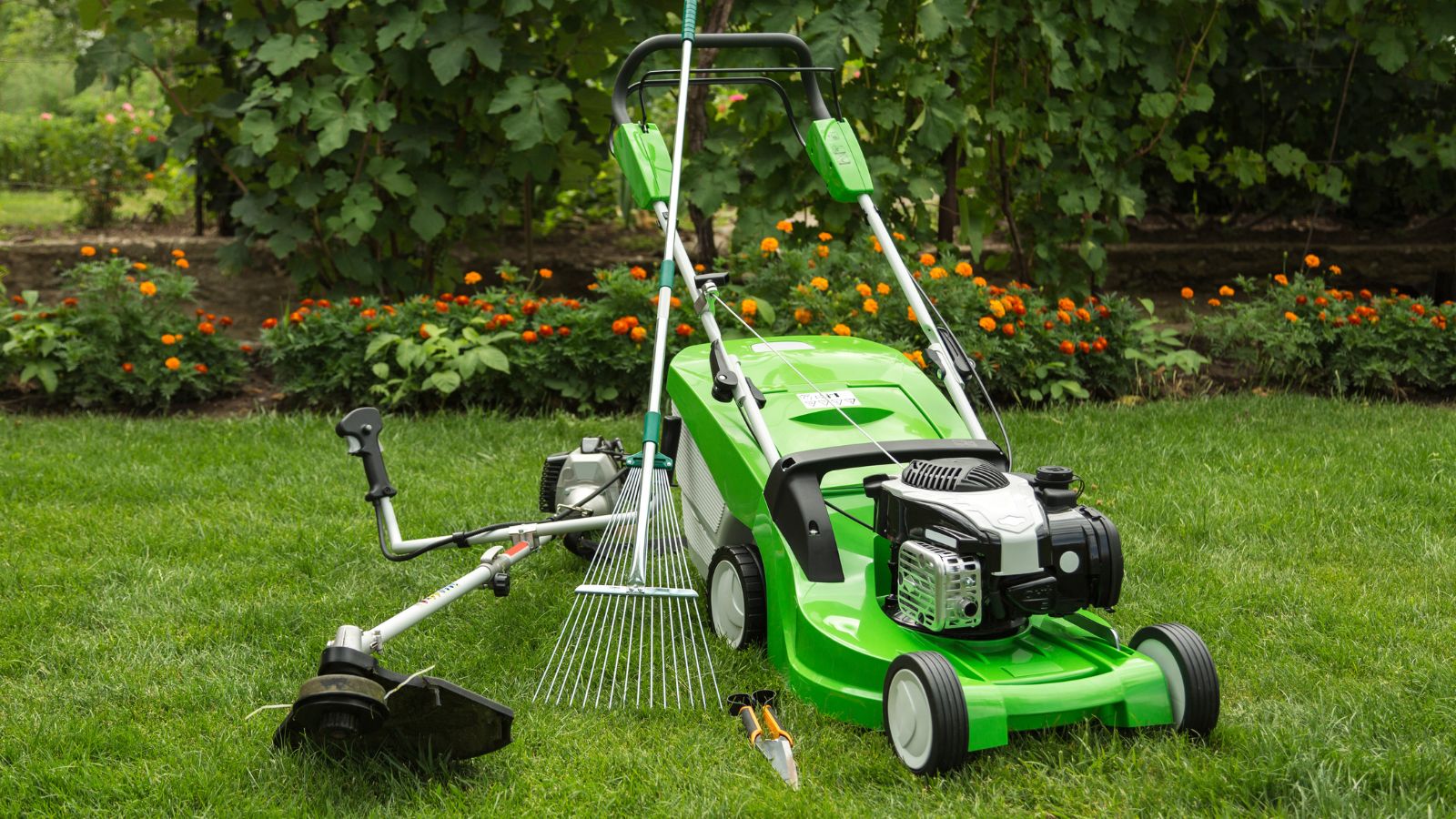
Sometimes, a handheld string trimmer (weed eater) or brush cutter may be enough for small jobs or tight spaces. These are lighter, more portable, and good for finishing touches. However, they are slower and less powerful than a string mower for big, overgrown areas.
For very large properties, some people use tractor-mounted brush hogs or hire professional mowing services. These solutions are more expensive but can save time if you have acres of wild grass or weeds.
User Experience: What Homeowners Say
Many people find that string mowers are a “problem solver” for tough corners and neglected land. Owners like that they can cut down wild areas quickly without breaking blades or hurting the machine.
On the other hand, lawn mower owners appreciate the clean, fast results and the comfortable, familiar feel of using a mower they may have grown up with. The routine is easy, and the results are predictable.
Some homeowners who have both machines say the string mower “rescues” them from disaster when the yard gets away from them, but the lawn mower is their weekly workhorse.
Final Thoughts: Making The Right Decision
Choosing between a string mower and a lawn mower is all about your yard’s needs. If you face wild growth, rough terrain, or lots of obstacles, a string mower is your best friend. For regular, smooth lawns and a polished appearance, a lawn mower is unbeatable.
Remember, no single tool does everything. Some people find that using both machines, or adding a handheld trimmer, gives them the flexibility to handle any situation. Think about your budget, the size and shape of your yard, and how much time you want to spend on yard work.
Take care of your equipment and use it safely, and you’ll enjoy a beautiful, healthy outdoor space for years to come.
Frequently Asked Questions
What’s The Main Difference Between A String Mower And A Lawn Mower?
A string mower uses a fast-spinning nylon string to cut through tall grass, weeds, and brush, making it ideal for rough, overgrown areas. A lawn mower uses metal blades for a clean, even cut on regular lawns. Each tool is designed for different yard conditions.
Can I Use A String Mower Instead Of A Regular Lawn Mower?
You can use a string mower for basic grass cutting, but the finish will not be as neat or even as a lawn mower. For a well-kept lawn, a regular mower is better. String mowers are best for tough jobs like clearing thick weeds or uneven ground.
Is A String Mower Safe To Use Around Rocks And Tree Roots?
Yes, string mowers are generally safer around rocks and roots than lawn mowers because the nylon string bends and breaks instead of causing damage or dangerous projectiles. Always wear eye protection, as debris can still fly.
How Often Should I Replace The String Or Blade On My Mower?
Replace the string on a string mower whenever it wears down or breaks—this may be every few uses, depending on what you’re cutting. For lawn mowers, sharpen or replace blades at least once a season or after 20–25 hours of use for best results.
Which Machine Is More Environmentally Friendly?
Electric lawn mowers are usually more eco-friendly than gas-powered string mowers or lawn mowers, producing no emissions during use. Gas engines pollute more but may be necessary for tough jobs. Use each machine only as needed to reduce environmental impact.
As an Amazon Associate, We earn from qualifying purchases