
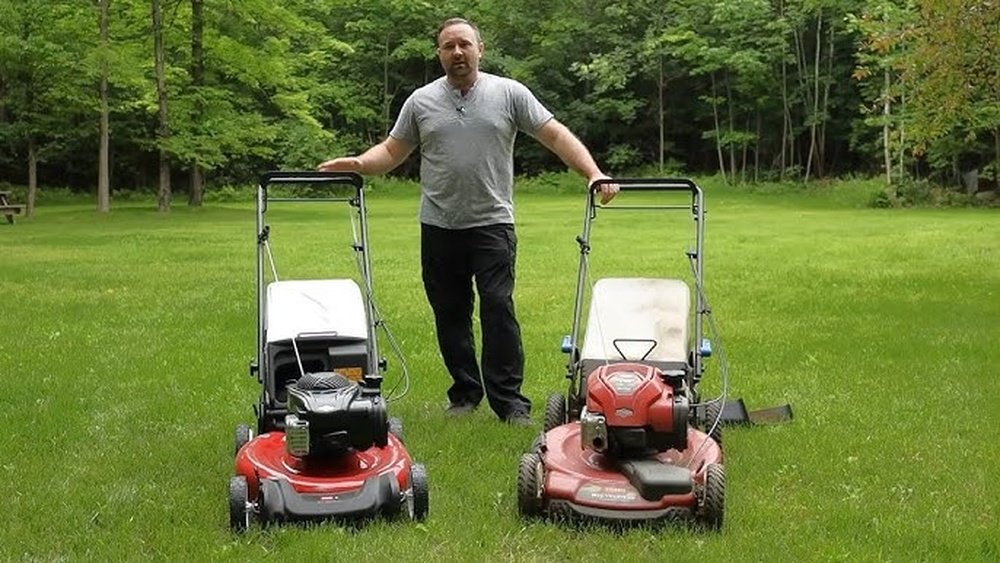
A lush, neatly trimmed lawn can make any yard feel welcoming and well-kept. If you’re shopping for a self-propelled lawn mower, you’ll quickly face an important choice: front wheel drive or rear wheel drive. Many homeowners don’t realize how much this decision affects mowing comfort, speed, and even the quality of the cut. The difference isn’t just about which wheels turn—it’s about how your mower handles slopes, obstacles, and uneven patches. Let’s break down the real differences between front and rear wheel drive lawn mowers, using clear examples, data, and practical tips so you can confidently choose what’s right for your yard.
Understanding Lawn Mower Drive Systems
All self-propelled mowers use a drive system to help move the mower forward, reducing the effort needed from the user. Instead of pushing the full weight, you mostly guide and steer. The drive system can connect to the front wheels, rear wheels, or sometimes all four wheels (all-wheel drive, which is less common and not our focus here).
The key is where the drive power goes. In a front wheel drive mower, the front wheels pull the mower forward. In a rear wheel drive model, the rear wheels push. This simple difference changes how the mower behaves on slopes, turns, and tough terrain.
How Front Wheel Drive Works
In a front wheel drive lawn mower, the engine or motor sends power to the front wheels. When you squeeze the handle, the wheels start turning and pull the mower forward.
This setup is most effective when all four wheels are firmly on the ground. The drive system works best on flat or gently rolling lawns. If you lift the front wheels—like when turning or pulling the mower backwards—the drive system disengages.
Front wheel drive mowers are very popular because they’re often less expensive and easier to maneuver on flat, open yards.
How Rear Wheel Drive Works
A rear wheel drive lawn mower sends power to the back wheels. The rear wheels push the mower forward, while the front wheels are free to swivel and guide.
Rear wheel drive models are usually better on sloped or uneven ground. When you push down on the handle—such as when lifting the front wheels to turn—the mower keeps moving forward, because the drive wheels remain in contact with the grass.
This type gives more consistent traction, especially on hills, thick grass, or rough terrain.
Key Differences: Front Wheel Vs Rear Wheel Drive
Let’s look at the main differences side by side. Here’s a quick comparison:
| Feature | Front Wheel Drive | Rear Wheel Drive |
|---|---|---|
| Traction on Hills | Low | High |
| Turning Ease | Very Easy | Moderate |
| Backing Up | Easy | Requires disengaging drive |
| Price Range | Lower | Higher |
| Best For | Flat, obstacle-free lawns | Slopes, uneven lawns |
Each system has clear strengths and weaknesses. Let’s dig deeper into how these differences play out in real-life mowing.
Performance On Flat Lawns
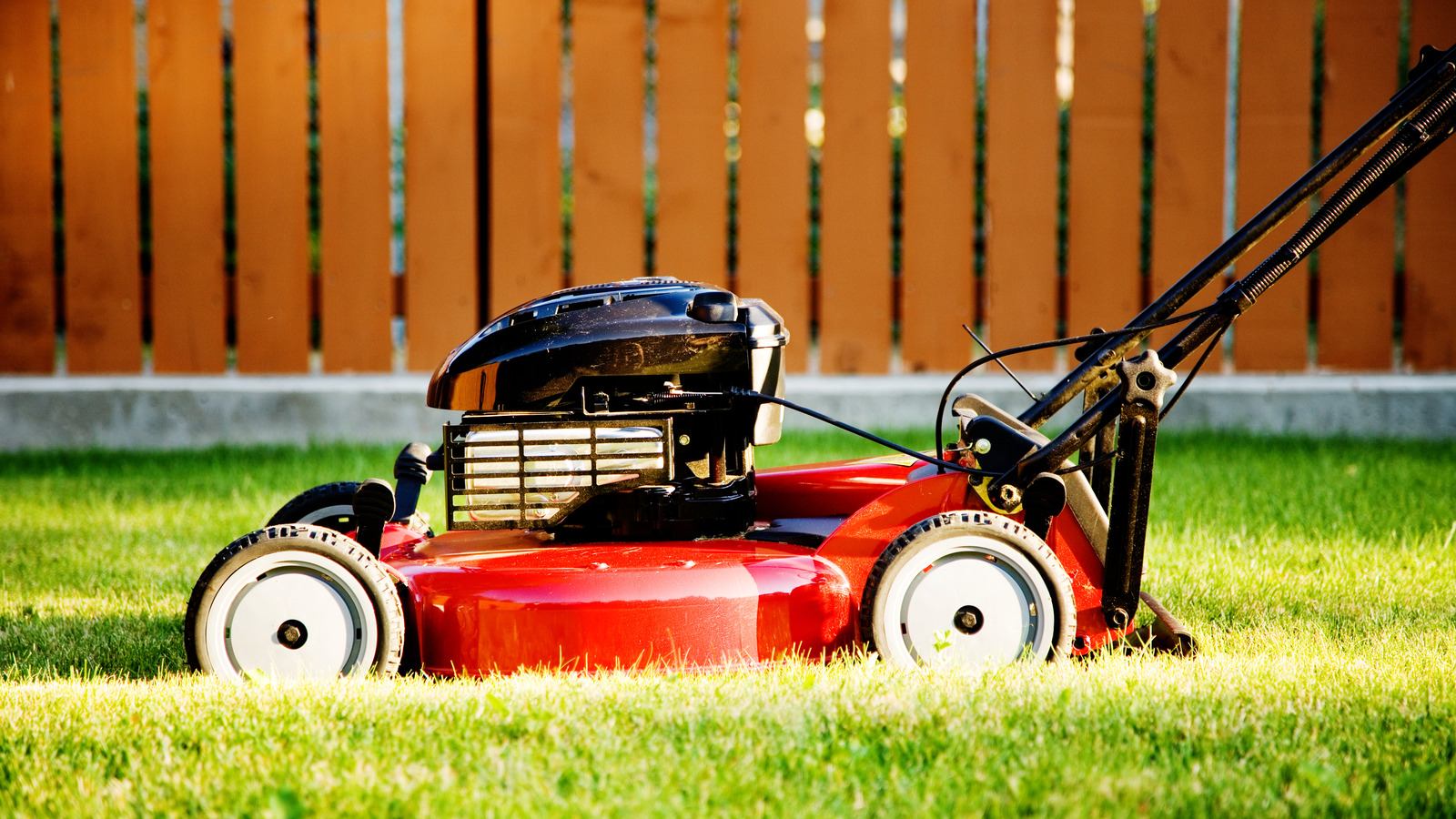
Most American lawns are relatively flat. On these yards, both front and rear wheel drive mowers perform well. However, front wheel drive shines here for a few reasons:
- The mower feels lighter and easier to steer.
- Turning around trees or flower beds is simple—just tip up the front and pivot.
- You can reverse or pull the mower backward without fighting the drive wheels.
Front wheel drive mowers are popular among homeowners with rectangular, open lawns and few obstacles. They also tend to be lighter, which reduces fatigue over long mowing sessions.
Performance On Slopes And Hills
If you have a sloped yard, the type of drive system matters a lot. Rear wheel drive offers a clear advantage.
When you mow uphill, the rear wheels continue to push the mower forward, even if you lift the front slightly. With front drive, the moment you tilt the mower or the front wheels lose contact, the drive stops working. This can make mowing hills tiring and even unsafe.
A study by a consumer equipment magazine found that rear wheel drive mowers completed hilly yards 27% faster on average and required less manual pushing on steep grades.
If your yard has any incline or uneven ground, a rear wheel drive mower will give you much better control and reduce the risk of slipping or stalling.
Maneuverability And Turning
Maneuverability is about how easily you can guide the mower around corners, garden beds, or obstacles. Here’s where front wheel drive has a clear edge:
- You can easily tip up the front, swing the mower around, and set it back down.
- Tight turns are faster and less tiring.
On the other hand, rear wheel drive mowers can feel heavier in the back, and turning requires more effort, especially for beginners. You may need to briefly disengage the drive lever to turn smoothly.
However, for long, straight passes (like mowing along a fence), rear wheel drive gives a more stable, straight path.
Cutting Quality Differences
At first glance, the drive type might not seem to affect the quality of the cut. But in practice, it does make a difference.
On flat lawns, both types usually cut evenly. However, on slopes or uneven ground:
- Rear wheel drive mowers maintain a more consistent blade height, since the rear wheels keep pushing even if the front wheels bounce or lose contact.
- Front wheel drive mowers may “scalp” or miss patches if the front wheels lift, causing uneven cutting.
If you care about a perfectly even cut and have a bumpy or sloped yard, rear wheel drive is a safer bet.
Ease Of Use For Beginners
If you’re new to self-propelled mowers, front wheel drive can feel more intuitive. The mower feels lighter and is less likely to “run away” from you. You can easily pull the mower back if you miss a spot.
However, some beginners are surprised by how the drive disengages when lifting the front wheels. On slopes or with heavy grass, this can make mowing harder than expected.
Rear wheel drive takes a little more practice, especially for smooth turns. But once you learn to control the drive lever, it’s easy to master.
Maintenance Considerations
Both systems require similar basic maintenance: regular cleaning, checking the wheels for wear, and sometimes lubricating moving parts.
But there are a few small differences:
- Front wheel drive mowers tend to wear out the front wheels faster, especially if you turn often or mow rough ground.
- Rear wheel drive models put more stress on the back wheels and axle. Replacing these parts can be more expensive.
Drive system repairs are rare with proper care, but replacement parts for rear wheel drive mowers may cost more.
Price Differences
Cost is always a factor. Front wheel drive mowers are usually less expensive than rear wheel drive models.
A 2023 survey of US home improvement stores showed these averages:
- Front wheel drive: $250 – $400
- Rear wheel drive: $350 – $600
Why the price gap? Rear wheel drive systems are more complex and often included on higher-end models with extra features. However, some affordable rear wheel drive mowers are available if you shop carefully.
Energy Efficiency
Some homeowners worry that rear wheel drive mowers use more fuel or battery power. In reality, the difference is minor. Both systems use similar engines or motors.
However, because rear wheel drive mowers are often heavier and used on tougher terrain, you may notice slightly shorter run times on battery models or higher gas use over a season.
For small, flat yards, a front wheel drive mower can be a bit more efficient, but the savings are not huge.
Real-world Examples
Let’s compare two popular mowers:
| Model | Drive Type | Best Feature | Price (approx.) |
|---|---|---|---|
| Toro Recycler 22″ | Front Wheel Drive | Lightweight, easy turns | $369 |
| Honda HRN216VKA | Rear Wheel Drive | Excellent on slopes | $469 |
The Toro is a favorite for small, flat yards. It maneuvers easily around beds and fences. The Honda is preferred for larger, uneven lawns, where its rear wheel drive keeps the cut even and the mowing experience less tiring.
Common Mistakes When Choosing
Many buyers pick a mower based only on price or brand, not considering their yard’s unique needs. Here are mistakes to avoid:
- Ignoring your lawn’s slope: Even a gentle hill can make front wheel drive frustrating to use.
- Overestimating your strength: Rear wheel drive is easier for long sessions or heavy grass.
- Focusing only on price: A few extra dollars can mean a much better mowing experience.
- Not testing the mower: Try pushing and turning different models at the store.
- Forgetting maintenance: Check how easy it is to clean or replace wheels before you buy.
If possible, borrow or test a neighbor’s mower to feel the difference.

Who Should Choose Front Wheel Drive?
Front wheel drive mowers are best for:
- Small to medium, flat lawns with few slopes
- Yards with lots of turns and tight spots
- Homeowners who want a lightweight, easy-to-move mower
- People who often need to pull the mower backward
If your yard is simple and mostly level, you’ll likely be very happy with a front wheel drive model.
Who Should Choose Rear Wheel Drive?
Rear wheel drive mowers are ideal for:
- Lawns with hills, slopes, or uneven ground
- Yards with thick grass or rough patches
- Homeowners who want the best traction and cut quality
- People who mow long, straight lines
If you struggle with pushing up hills or want a mower that “drives itself” through tough spots, rear wheel drive is worth the extra investment.
Safety Considerations
Mowing hills can be dangerous if your mower loses traction or control. Rear wheel drive reduces this risk by giving you better grip and control on slopes. However, always mow across the face of a hill, not up and down, to reduce the risk of slipping.
With front wheel drive, never pull the mower backward toward yourself on a hill. The drive system won’t help, and you could lose control.
No matter which system you choose, always wear sturdy shoes and keep children and pets away while mowing.
All-wheel Drive: A Brief Note
All-wheel drive mowers are available, but they are heavier and more expensive. Unless you have a very steep or wild lawn, front or rear wheel drive is usually enough. All-wheel drive can be overkill for most homeowners.

Which Is Best For Bagging And Mulching?
If you use a bag or mulch kit, the drive system can affect performance.
- Rear wheel drive is better for bagging heavy, wet grass. The pushing wheels keep the mower moving, even as the bag gets heavier.
- Front wheel drive may struggle if the bag is very full, since the front wheels can lose contact with the ground.
For mulching, both systems work well on flat lawns, but rear wheel drive is more consistent on uneven terrain.
Long-term Value
It’s tempting to buy the cheapest mower, but consider the long-term value. A mower that matches your yard will save you time, energy, and money on repairs. Homeowners who buy a mower unsuited for their terrain often replace it within 2-3 years.
Rear wheel drive mowers generally last longer in tough conditions, while front wheel drive models are best for light, regular use.
Environmental Impact
Both types of drive systems are offered in gas and electric models. Electric mowers have become popular for their lower emissions, quieter operation, and easier maintenance.
If you’re choosing between drive types for environmental reasons, focus more on engine type and mower size. The drive system itself has little impact on emissions or environmental footprint.
For more on the environmental benefits of electric mowers, see this Wikipedia article on lawn mowers.
How To Test Before You Buy
If possible, visit a store and try the mower:
- Push and turn each type to see how they feel.
- Try engaging and disengaging the drive lever.
- Check the weight and balance by gently lifting the front.
- See how easy it is to roll backward.
A few minutes in the aisle can prevent years of frustration at home.
Non-obvious Insights Most Buyers Miss
- Rear wheel drive mowers are better for bagging wet or heavy grass—the weight of the bag won’t reduce traction.
- Front wheel drive mowers can lose power if you lean down on the handle—many people do this without realizing, making hills seem harder than they are.
- The location of the drive can affect where grass clippings collect—on front wheel drive mowers, more debris may gather near the front axle, making cleaning more frequent.
- Some high-end mowers let you switch between front and rear drive—but these are rare and expensive. For most, picking the right system from the start is simpler.
Table: Quick Reference Guide
Here’s a summary for easy decision-making:
| Your Yard | Recommended Drive Type | Why |
|---|---|---|
| Flat, small, few obstacles | Front Wheel Drive | Easy turning, lower cost |
| Hilly, uneven, large | Rear Wheel Drive | Superior traction, better cut |
| Many flower beds, tight spaces | Front Wheel Drive | Simpler maneuvering |
| Thick, heavy, or wet grass | Rear Wheel Drive | Consistent power, less effort |
Final Thoughts
Choosing between a front wheel drive and rear wheel drive lawn mower is about more than price or brand. It’s about matching the mower to your yard’s unique needs. Consider your terrain, mowing habits, and physical comfort. If you have hills, rough patches, or heavy grass, a rear wheel drive model will save you time and energy.
For simple, flat yards, front wheel drive is light, easy, and affordable.
Take time to test a few models if you can. Ask friends or neighbors about their experiences. And remember, a good mower not only keeps your lawn looking great but also makes the job less of a chore.
Frequently Asked Questions
Is Rear Wheel Drive Always Better Than Front Wheel Drive?
No. Rear wheel drive is better for hills and rough ground, but front wheel drive is easier to turn and reverse on flat lawns. Choose based on your yard’s needs.
Can I Use A Rear Wheel Drive Mower On A Flat Lawn?
Yes. Rear wheel drive works well on any terrain, but may feel heavier and cost more. It’s a good choice if you want consistent traction and a straight cut.
Which Drive System Lasts Longer?
With proper care, both systems last for years. Rear wheel drive is often more durable for heavy use, but parts may be more expensive to replace.
Are Electric Mowers Available With Both Drive Types?
Yes. Both front and rear wheel drive self-propelled mowers are available in electric models. Performance differences remain the same as with gas models.
What’s The Main Reason People Regret Their Choice?
The most common regret is buying a front wheel drive mower for a hilly yard. Loss of traction makes mowing harder and less safe on slopes. Always match drive type to your terrain.
As an Amazon Associate, We earn from qualifying purchases