
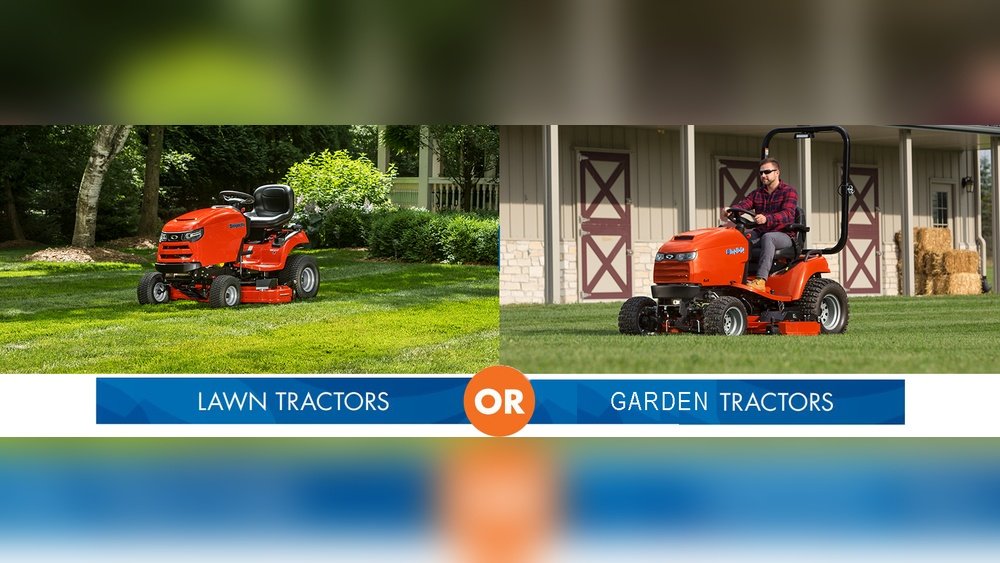
A healthy, green lawn is a source of pride for many homeowners. But to keep it looking great, you need the right equipment. Two popular choices are lawn mowers and garden tractors. At first glance, they might seem similar. Both cut grass, both have four wheels, and both can be found at garden centers. But the differences between them are bigger than many people realize.
Choosing the right machine is not just about price or size. It’s about how much lawn you have, the kind of terrain you deal with, your physical ability, and even what extra tasks you want to handle, like towing or snow clearing.
Making the wrong choice can lead to wasted money, frustration, or even injury. In this article, you’ll learn the real differences between lawn mowers and garden tractors, the pros and cons of each, and how to pick the one that fits your needs best.
What Is A Lawn Mower?
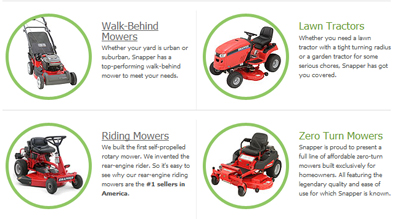
A lawn mower is a machine designed to cut grass to a uniform height. Most people think of push mowers, but the category also includes riding lawn mowers. These machines are usually smaller, lighter, and focused on one main job: mowing the lawn.
Lawn mowers come in several types:
- Manual push mowers: Powered by your strength, good for small lawns.
- Electric mowers: Corded or battery-powered, quieter and eco-friendly.
- Gasoline mowers: More powerful, common for larger lawns.
- Riding lawn mowers: You sit on these, making them suitable for medium-sized lawns.
Key features:
- Cutting width usually between 16 and 42 inches
- Designed mainly for cutting grass, with limited extra attachments
- Smaller wheels and lighter frames for easy turning
- Lower price compared to garden tractors
What Is A Garden Tractor?
A garden tractor is a heavy-duty riding machine built for more than just mowing. While it can cut grass, its real strength is its versatility. Garden tractors have larger engines, heavier frames, and can handle various attachments. They are built for bigger jobs, such as hauling, tilling, plowing, and even snow removal.
Key features:
- Cutting width ranges from 42 up to 60 inches or more
- Powerful engines (often 18-30+ horsepower)
- Strong frames for towing and heavy attachments
- Multiple gear or hydrostatic transmissions
- Support for a wide range of tools: Carts, aerators, snow blowers, plows

Key Differences Between Lawn Mower And Garden Tractor
Let’s look at the main differences that separate these two machines. Below is a side-by-side comparison for quick reference.
| Feature | Lawn Mower | Garden Tractor |
|---|---|---|
| Main Purpose | Grass cutting | Grass cutting + Heavy tasks |
| Engine Power | 3-12 HP | 18-30+ HP |
| Cutting Width | 16-42 inches | 42-60+ inches |
| Attachments | Very limited | Many options |
| Frame Strength | Light | Heavy-duty |
| Price | Lower | Higher |
| Best for | Small-medium lawns | Large lawns, tough jobs |
Advantages Of Lawn Mowers
If your main goal is to cut grass, lawn mowers have several clear advantages:
- Lower cost: Lawn mowers are more budget-friendly. You can buy a good-quality push or riding mower for less than half the price of a garden tractor.
- Easy to use: They are lighter and easier to maneuver, especially in tight spaces, around trees, or flower beds.
- Low maintenance: Fewer parts and lighter engines mean less that can go wrong. Routine care is simple.
- Compact size: Lawn mowers are easier to store. They fit into small sheds or garages.
- Quieter operation: Electric and newer gas mowers are designed to be less noisy. This is important for suburban areas.
- Eco-friendly options: Electric and manual mowers are available for those who want to reduce emissions.
Disadvantages Of Lawn Mowers
But there are also downsides:
- Limited power: Most cannot handle thick weeds, tall grass, or rough terrain well.
- Single function: They are made for mowing only. Few can use attachments like carts or snow blowers.
- Not built for large areas: On big lawns, mowing can take much longer. The smaller deck means more passes.
- Wear and tear: Using a small mower on a big or rough lawn can lead to faster breakdowns.
- Limited comfort: For long mowing sessions, comfort is lower, especially on basic models.
Advantages Of Garden Tractors
Garden tractors shine when you need more than just mowing.
- Versatility: They can mow, tow, plow, till, and even clear snow with the right attachments.
- Powerful engines: Able to cut through tough grass, handle hills, and manage heavy loads.
- Large cutting decks: You can mow big areas much faster.
- Durable construction: Made with stronger materials, they last longer and handle more abuse.
- Comfort features: Many offer comfortable seats, cruise control, and even cup holders for longer jobs.
- Year-round use: With attachments, garden tractors are useful in all seasons, not just spring and summer.
- High resale value: Quality garden tractors hold their value better than basic mowers.
Disadvantages Of Garden Tractors
However, they are not perfect.
- High cost: A quality garden tractor can cost several thousand dollars.
- Large size: They need more storage space and are harder to maneuver in small yards.
- Complex maintenance: More parts and attachments mean more things can break or need care.
- Fuel consumption: Bigger engines use more gas or diesel, increasing running costs.
- Overkill for small lawns: If your yard is under half an acre, a garden tractor is often too much.
- Learning curve: Using attachments or advanced features may require reading manuals and practice.
How To Choose: Lawn Mower Or Garden Tractor?
Making the right choice depends on your needs. Here are the main factors to consider:
1. Size Of Your Lawn
- Under ½ acre: A walk-behind or small riding lawn mower is usually enough.
- ½ to 2 acres: A riding mower can work, but a garden tractor becomes more appealing, especially if you want attachments.
- 2+ acres: A garden tractor is often the best choice. The larger deck and stronger engine save time and effort.
2. Terrain And Obstacles
- Flat and simple: Lawn mowers handle flat, open yards well.
- Hilly or rough: Garden tractors provide more traction and power. Their weight helps with stability.
- Lots of trees or flower beds: A smaller mower is easier to turn and maneuver in tight spots.
3. Other Yard Tasks
- Just mowing: Stick with a mower.
- Hauling, plowing, tilling, snow removal: You need a garden tractor with the right attachments.
4. Physical Ability
- Limited mobility: Riding mowers or garden tractors are easier on your body. Some tractors even have power steering.
- Enjoy walking: A push mower gives exercise and is more affordable.
5. Budget
- Low budget: Push or basic riding mowers are cheapest.
- Ready to invest: A garden tractor is a long-term investment for large or complex properties.
6. Storage Space
- Limited space: Lawn mowers fit in small sheds or garages.
- Plenty of room: Garden tractors need more space for the machine and attachments.

Common Mistakes When Choosing
Many people regret their purchase because they overlook these key points:
- Buying too small: Trying to cut a big or rough lawn with a small mower leads to breakdowns and frustration.
- Ignoring attachments: Some buy a riding mower expecting to tow or plow, only to learn it can’t handle these jobs.
- Underestimating storage needs: Garden tractors and attachments can quickly fill a garage.
- Skipping test drives: Comfort and controls matter, especially for longer mowing sessions. Always test the seat and controls before buying.
- Focusing only on price: The cheapest option may cost more in repairs or time later.
- Not reading the manual: Many features are missed because people skip the instructions.
Detailed Comparison: Features & Performance
To help you decide, let’s compare some key features in detail.
Cutting Performance
- Lawn mowers excel at giving a clean, even cut on small to medium lawns.
- Garden tractors can handle thick grass and uneven ground, but may miss tight corners unless you add special decks.
Attachments And Accessories
- Most lawn mowers allow only simple accessories, like baggers or mulching kits.
- Garden tractors support tillers, snow blowers, aerators, carts, and even small backhoes.
Maneuverability
- Lawn mowers (especially push or zero-turn types) are easy to turn and fit through narrow spaces.
- Garden tractors are bigger and less nimble, but newer models have smaller turning radii.
Speed
- Riding mowers usually operate at 3-5 mph.
- Garden tractors can go up to 8 mph or more, making them faster for big jobs.
Durability
- Garden tractors have heavy-duty transmissions and axles.
- Lawn mowers are lighter but may wear out faster with heavy use.
Safety
- Both machines require caution. Garden tractors, due to their weight and power, can be more dangerous on hills or if used incorrectly.
- Many riding mowers have safety switches that stop the blade if you leave the seat.
Real-world Examples
Example 1:
A homeowner with a 1-acre lawn, few trees, and no extra yard tasks buys a riding lawn mower. They finish mowing in an hour, and maintenance is simple.
Example 2:
A property owner with 3 acres, hills, and a long gravel driveway chooses a garden tractor. They mow faster, use a snow blower in winter, and haul firewood with a trailer.
Insight: Many buyers forget that a garden tractor’s real value comes from year-round use, not just mowing. If you only need to cut grass, the extra cost may not be worth it.
Popular Models: Lawn Mower Vs Garden Tractor
Here’s a look at some widely known models and their specs for comparison.
| Model | Type | Engine HP | Deck Width | Price (USD) |
|---|---|---|---|---|
| Honda HRN216VKA | Push Mower | 3.3 | 21″ | $450 |
| John Deere E130 | Riding Mower | 22 | 42″ | $2,000 |
| Husqvarna TS 348XD | Garden Tractor | 24 | 48″ | $3,500 |
| Cub Cadet XT1 Enduro | Garden Tractor | 22 | 46″ | $2,700 |
Maintenance And Longevity
Both machines require care, but the level and cost are different.
Lawn Mower Maintenance
- Regular blade sharpening (every 20-25 hours of use)
- Oil changes (for gas models)
- Air filter cleaning or replacement
- Belt inspection on riding mowers
- Battery checks (for electric models)
Garden Tractor Maintenance
- All the above, plus:
- Transmission fluid checks
- Greasing moving parts
- Attachment maintenance (blades, tines, blowers)
- Tire pressure monitoring
- Regular inspection of safety systems
Non-obvious insight: Many buyers forget that attachments like snow blowers or tillers need their own care. If you skip this, you risk costly repairs.
Longevity
- A well-cared-for lawn mower can last 7-10 years for most homeowners.
- A garden tractor, with proper maintenance, often lasts 15-20 years or more.
Cost Over Time
Lawn mowers have a lower upfront cost, but may need to be replaced more often. Garden tractors cost more, but last longer and can do more jobs. Below is a rough estimate of total cost over 10 years for both, including maintenance and fuel.
| Machine | Initial Cost | Annual Maintenance | Annual Fuel | Estimated 10-Year Total |
|---|---|---|---|---|
| Lawn Mower | $2,000 | $100 | $60 | $3,600 |
| Garden Tractor | $3,500 | $200 | $150 | $6,500 |
Note: If you use garden tractor attachments, the cost rises but so does value, since you may not need to buy separate machines for tilling, snow removal, etc.
Safety Considerations
Both machines are powerful and can cause injury if used incorrectly.
- Wear sturdy shoes (never sandals) and hearing protection.
- Read the manual before operating, especially for garden tractor attachments.
- Keep kids and pets away while mowing or using attachments.
- Do not mow wet grass; it can clog the deck and cause slipping.
- On slopes, mow up and down, not sideways, to avoid tipping over.
- Disengage blades and turn off engine before clearing jams or making adjustments.
Overlooked tip: Many accidents happen during attachment changes. Always turn off the engine and remove the key first.
Environmental Impact
Lawn equipment engines produce emissions. Consider these points:
- Electric mowers are clean and quiet, but not available for large garden tractors yet.
- EPA-compliant engines: Many new models meet tougher standards, but older machines may pollute more.
- Proper maintenance: A well-tuned engine runs cleaner. Neglecting maintenance increases emissions and noise.
- Grass clippings: Mulching mowers return nutrients to the soil, reducing the need for fertilizer.
If you want to learn more about the environmental impact of outdoor power equipment, visit the EPA’s official resource.
When A Lawn Mower Is Better
- Your yard is under 1 acre, mostly flat, with few obstacles.
- You only want to mow, not haul or plow.
- Budget and storage space are limited.
- You prefer lighter, simpler machines.
When A Garden Tractor Is Better
- Your lawn is over 1 acre, or you have hills, rough areas, or large open spaces.
- You want to do more than just mowing: Hauling, tilling, snow removal, etc.
- You plan to use the machine year-round.
- You are willing to invest in a long-term, multi-use tool.
Frequently Asked Questions
What’s The Main Difference Between A Lawn Mower And A Garden Tractor?
The biggest difference is purpose. Lawn mowers are built mainly for cutting grass on small to medium lawns. Garden tractors are larger, more powerful, and can handle many jobs like hauling, tilling, and snow removal, in addition to mowing.
Can I Use A Garden Tractor On A Small Lawn?
Yes, but it may be overkill. Garden tractors are big and not as easy to turn in small spaces. If your yard is small, a push or riding mower is likely a better fit.
Are Riding Mowers And Garden Tractors The Same?
No. While both are machines you ride, riding mowers are lighter and mainly for mowing. Garden tractors are heavier and designed for many yard tasks using attachments.
How Long Do Garden Tractors Last?
With good maintenance, a garden tractor can last 15-20 years or more. Many people keep the same machine for decades, replacing parts as needed.
What Attachments Can You Use With A Garden Tractor?
You can add snow blowers, plows, tillers, carts, aerators, sprayers, and rollers. Always make sure the attachment is compatible with your tractor model.
A well-kept yard starts with choosing the right machine for your needs. Think beyond just the price tag—consider what you want to accomplish, how much time and effort you want to invest, and your property’s unique challenges. Whether you pick a lawn mower or a garden tractor, proper maintenance and safe use will help you enjoy a beautiful lawn for years to come.
As an Amazon Associate, We earn from qualifying purchases