
When you walk into a hardware store or browse online for woodcutting tools, you’ll quickly run into two names: skill saw and circular saw. Many people use these words as if they mean the same thing. But are they really the same? Or do they have key differences? If you’re planning to work on home projects, build furniture, or just want to make smarter tool choices, understanding these two tools matters. Let’s break down what sets them apart, where they overlap, and how to choose the right one for your needs.
What Is A Circular Saw?
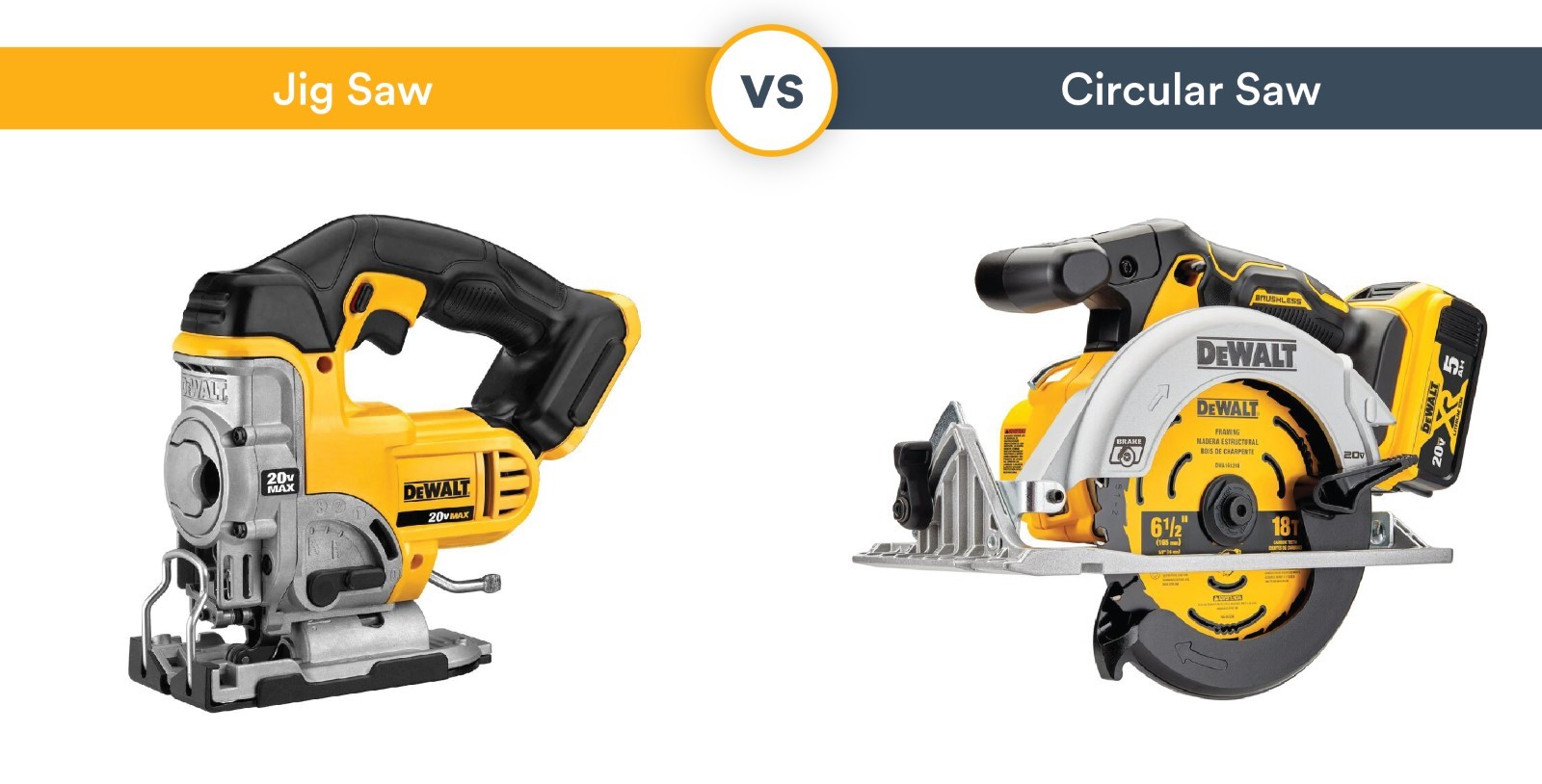
A circular saw is one of the most popular and versatile power tools in woodworking. It uses a round, toothed blade that spins at high speed. This tool can cut wood, plastic, metal, and even masonry—if you use the correct blade. Circular saws are handheld, allowing you to bring the tool to the material instead of moving heavy boards to a stationary saw.
Most circular saws have:
- A powerful electric motor (corded or battery-powered)
- Adjustable cutting depth and bevel (angle)
- A safety guard over the blade
People use circular saws for everything from framing houses to cutting plywood sheets to size. The tool’s portability and cutting speed make it a favorite for both professionals and DIYers.
What Is A Skill Saw?
The term Skill Saw started as a brand name. In 1924, the company Skil invented the first portable circular saw, which became so popular that people began calling all circular saws “skill saws.” Over time, the word “skill saw” became a generic nickname for handheld circular saws, especially in the US. However, not all skill saws are true circular saws, and not all circular saws are Skil Saws.
Today, when someone says “skill saw,” they usually mean a handheld circular saw—but sometimes, they specifically mean a Skil brand saw or a certain type of circular saw (more on this below).
Key Differences Between Skill Saw And Circular Saw
It’s easy to get confused, so let’s dig into the details. Here are the main differences and similarities between these two terms and tools:
| Feature | Circular Saw | Skill Saw |
|---|---|---|
| Definition | Any saw with a round, spinning blade | Brand name (Skil), or nickname for handheld circular saw |
| Common Use | General wood, metal, and masonry cutting | Mainly wood cutting in construction and DIY |
| Design | Can be handheld or stationary (like table or miter saws) | Almost always handheld |
| Brand | Any manufacturer | Originally Skil, now generic |
| Motor Position | Sidewinder or worm drive (varies) | Often refers to worm drive design |
Types Of Circular Saws
Not all circular saws are the same. Here are the main types you’ll see:
- Sidewinder Circular Saw: The most common type. The motor sits beside the blade, making the tool lighter and faster. Most DIY circular saws are sidewinders.
- Worm Drive Circular Saw: The motor is behind the blade, giving more torque but a heavier tool. Many professionals call worm drive saws “skill saws” because Skil popularized this design.
- Cordless Circular Saw: Runs on batteries. Great for portability, but sometimes less powerful.
- Corded Circular Saw: Plugs into an outlet. Offers more power and unlimited run time.
- Mini Circular Saw: Smaller size for light cutting jobs, like laminate or thin plywood.
There are also table saws and miter saws, which use circular blades but are stationary. When people talk about “circular saws” or “skill saws,” they usually mean the handheld versions.
Sidewinder Vs Worm Drive: The Real “skill Saw” Debate
The phrase “skill saw” is often tied to worm drive circular saws, especially on construction sites. Here’s how they compare to the more common sidewinder design:
| Feature | Sidewinder | Worm Drive (Skill Saw) |
|---|---|---|
| Motor Position | Beside the blade | Behind the blade |
| Torque | Lower | Higher |
| Weight | Lighter | Heavier |
| Cutting Speed | Faster blade RPM | Slower blade RPM |
| Blade Orientation | Right side of motor | Left side of motor |
| Best For | DIY, general use | Framing, heavy-duty jobs |
Non-obvious insight: Many beginners do not realize that worm drive (often called “skill saws”) deliver more torque, which helps when cutting thick lumber or wet wood. However, they are heavier and may cause fatigue faster.
When To Use A Skill Saw Vs A Circular Saw
If you’re deciding which tool to buy or use, here are some guidelines:
- For general home use and DIY: A sidewinder circular saw is usually lighter, cheaper, and easier to control. It’s perfect for cutting plywood, shelving, and general carpentry.
- For construction or heavy-duty framing: A worm drive skill saw gives you more cutting power and durability. Many professionals prefer them for framing houses or cutting thick materials.
- For small, quick jobs: A mini or cordless circular saw is handy for quick cuts or when you don’t have a power outlet nearby.
Practical tip: Try lifting both types in the store. The right tool should feel comfortable in your hand, since fatigue can lead to mistakes or accidents.

Pros And Cons
Let’s compare the advantages and drawbacks of each saw to help you choose wisely.
Circular Saw Pros
- Versatile: Cuts many materials with the right blade.
- Portable: Easy to move and use in different places.
- Affordable: Many entry-level models are budget-friendly.
- Widely Available: Most hardware stores have a large selection.
Circular Saw Cons
- Can be dangerous: Requires careful handling—kickback risk if not used properly.
- Less precise: Compared to table or miter saws for fine cuts.
- Messy: Cutting creates dust and chips.
Skill Saw (worm Drive) Pros
- More torque: Handles tough materials better.
- Durable: Built for heavy use on job sites.
- Left-side blade: Easier for right-handed users to see the cut line.
Skill Saw (worm Drive) Cons
- Heavier: Can cause fatigue over long periods.
- More expensive: Usually costs more than sidewinders.
- Maintenance: Worm drives need oiling, while sidewinders do not.
Non-obvious insight: Many homeowners buy a worm drive “skill saw” because they think it’s more powerful, but for most light home projects, a lighter sidewinder is easier and just as effective.
Safety Considerations
Both saws are powerful tools, so safety is critical. Here’s how to use them wisely:
- Always wear eye and ear protection.
- Check the blade guard works smoothly before each use.
- Support your material on both sides, so the cut-off piece doesn’t fall and cause binding.
- Keep hands away from the cutting path.
- Wait for the blade to stop spinning before setting the tool down.
More injuries happen with circular saws than with other saws because users sometimes get too comfortable or rush through cuts.

Common Mistakes Beginners Make
Understanding these tools is only half the battle. Here are mistakes to avoid:
- Using the wrong blade: Make sure to match the blade type to your material (wood, metal, plastic, etc. ).
- Cutting unsupported wood: This can cause the saw to bind or kick back.
- Setting the cutting depth too deep: This increases the risk of accidents and makes the saw harder to control. Set the blade just below the thickness of the material.
- Ignoring blade direction: Install blades with the teeth facing the right way—check the arrow on the blade and saw.
- Not checking for nails or screws: Hitting metal can damage the blade or cause injury.
Choosing The Right Saw For Your Needs
Here’s a quick guide to help you decide:
| Your Need | Best Tool | Why |
|---|---|---|
| DIY and home repairs | Sidewinder circular saw | Lighter, cheaper, easy for most tasks |
| Heavy-duty framing | Worm drive skill saw | More torque, good for thick wood |
| Quick, light cuts | Mini/cordless circular saw | Portable, fast for small jobs |
| Fine, straight cuts | Track saw (a special type of circular saw) | Accurate and clean edges |
Should You Care About The Brand?
Many people wonder if they should buy a Skil brand saw or another brand. Skil is known for inventing the first portable saw, and their tools are still popular. However, today’s market has many strong brands—DeWalt, Makita, Bosch, and Milwaukee are all trusted names.
Focus on:
- Power (measured in amps or volts)
- Weight
- Build quality
- Warranty
Try holding different models before buying. Comfort and balance can make a bigger difference than brand name alone.
Real-world Examples
- Homeowner cutting plywood: Jane wants to build shelves in her garage. She uses a sidewinder circular saw, which is light enough to guide easily. She doesn’t need the extra power of a worm drive.
- Professional framer: Mike builds house frames daily. He chooses a worm drive skill saw because it cuts through thick, wet lumber without slowing down. The extra weight is worth the power for him.
- Remodeling contractor: Sam does jobs all over town. He keeps a cordless circular saw in his truck for quick cuts, but brings out a worm drive for big framing jobs.
The Bottom Line
The “skill saw vs circular saw” debate comes down to language and specific needs. A circular saw is a type of saw with a spinning round blade. A skill saw is either a specific brand or a nickname for a certain type of handheld circular saw, especially the worm drive design. For most DIYers, a standard circular saw (sidewinder) is the best choice. For tough, heavy jobs, a worm drive skill saw shines. The most important thing is to pick a tool that matches your projects, feels comfortable, and is safe to use.
If you want to dive deeper into the history and engineering, you can learn more from the official Wikipedia article on circular saws.
Frequently Asked Questions
What Is The Main Difference Between A Skill Saw And A Circular Saw?
A circular saw is a type of saw with a rotating round blade. The term skill saw originally referred to a brand (Skil) that made the first portable circular saw, but now it often means any handheld circular saw, especially worm drive models.
Can I Use A Skill Saw For All The Jobs A Circular Saw Can Do?
Yes, in most cases. If your “skill saw” is a handheld circular saw, it can handle the same tasks. However, some specialty circular saws (like table saws or miter saws) offer features not found on handheld saws.
Which Is Safer For Beginners, A Sidewinder Or A Worm Drive Saw?
A sidewinder is usually safer for beginners because it’s lighter and easier to control. Worm drive saws are heavier and more powerful, so they require more experience to use safely.
How Do I Choose The Right Blade For My Saw?
Choose a blade based on the material you’re cutting (wood, metal, plastic, etc.) and the type of cut you want (fine, rough, fast). Always match the blade size to your saw’s specifications.
Are Expensive Saws Always Better?
Not always. Higher price can mean better materials and features, but comfort, fit, and your specific needs matter more. Try different models and read reviews before buying.
With this guide, you should feel confident choosing between a skill saw and a circular saw for any project. Remember, the best tool is the one that helps you work safely, efficiently, and with good results.
As an Amazon Associate, We earn from qualifying purchases