
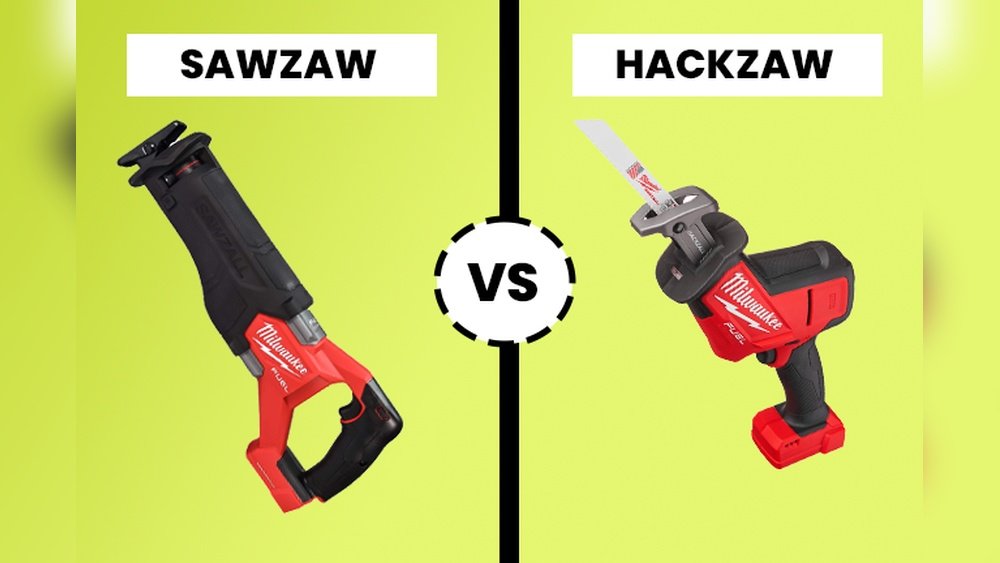
Milwaukee Hacksaw Vs Sawzall: Which One Should You Choose?
When you need to cut through tough materials, having the right tool can make your work faster and easier. Two of the most popular power tools for cutting are the Milwaukee Hacksaw and the Sawzall. Both tools are made by Milwaukee Tool, a trusted name in the construction world. But which one is right for you? The choice depends on your job, your comfort, and the materials you need to cut. In this article, you’ll discover the real differences, strengths, and best uses of each tool. You’ll also learn practical insights most beginners miss, so you can choose with confidence.
What Is A Milwaukee Hacksaw?
The Milwaukee Hacksaw is a compact, one-handed reciprocating saw. It’s designed for light to medium-duty cutting tasks. Unlike a traditional hand-powered hacksaw, this tool uses a battery-powered motor to move the blade back and forth quickly.
Key features of the Milwaukee Hacksaw include:
- Lightweight design: Usually weighs around 4 pounds (with battery).
- Compact size: Fits into tight spaces where larger saws can’t reach.
- One-handed operation: Easy to control, even on ladders or in awkward positions.
- Variable speed trigger: Lets you control the speed for better accuracy.
The Milwaukee Hacksaw is part of the M12 or M18 cordless tool lines, depending on the model. It’s popular with electricians, plumbers, and anyone who needs to cut small pipes, conduit, bolts, or even wood trim.
What Is A Sawzall?
The Sawzall is Milwaukee’s brand name for their standard reciprocating saw. In fact, the Sawzall is so famous that many people use the name for all reciprocating saws, even those from other brands.
Key features of the Milwaukee Sawzall include:
- Two-handed grip: Built for stability and control during tough cuts.
- More power: Handles heavy-duty tasks like demolition, tree limbs, or thick metal pipes.
- Longer stroke length: Cuts faster through thick materials.
- Variety of models: Available in corded and cordless versions, with different power levels.
Sawzall saws are used by professionals in construction, demolition, and remodeling. They’re ideal when you need to cut through tough materials quickly.
Side-by-side Comparison: Hacksaw Vs Sawzall
To help you see the main differences, here’s a comparison of the Milwaukee Hacksaw and Sawzall:
| Feature | Milwaukee Hacksaw | Milwaukee Sawzall |
|---|---|---|
| Design | Compact, one-handed | Full-size, two-handed |
| Weight | ~4 lbs (with battery) | 7–10 lbs (with battery) |
| Best For | Light/medium-duty, tight spaces | Heavy-duty, large materials |
| Stroke Length | 0.625–0.875 inches | 1.125–1.25 inches |
| Power Source | Battery (M12/M18) | Battery or corded |
| Control | One hand | Two hands |
When To Use A Milwaukee Hacksaw
The Milwaukee Hacksaw shines in situations where you need precision and maneuverability. Here are some examples:
- Cutting conduit or EMT: Electricians often work in tight spaces, where a full-size saw is too bulky.
- Plumbing repairs: Slicing through PVC or copper pipes under sinks or behind walls.
- Automotive work: Reaching awkward bolts, clamps, or exhaust components.
- DIY projects: Trimming small wood pieces, cutting drywall, or making quick repairs.
A common beginner mistake is trying to use the Hacksaw for demolition or cutting thick materials like 2×4 studs or large branches. The tool can do the job, but it will be slow, and you may wear out the motor or blade.
Stick to smaller, lighter cuts for the best performance.
When To Use A Sawzall
The Sawzall is built for power and speed. Here’s when it’s the better choice:
- Demolition: Cutting through walls, nails, and studs during remodeling.
- Tree trimming: Slicing through thick branches or roots.
- Metal work: Cutting large pipes, steel rods, or rebar.
- Construction: Removing old windows, doors, or roofing materials.
If you try using a Sawzall in a tight corner or for delicate work, it’s easy to make rough cuts or even damage the material. Another common mistake is using the wrong blade. Always match the blade type to the material—wood, metal, or plastic.
Blade Compatibility
Both the Hacksaw and the Sawzall use universal reciprocating saw blades. However, the blade size and stroke length can affect performance.
- Hacksaw blades are usually shorter (4–6 inches). This keeps the tool balanced for one-handed use.
- Sawzall blades can be much longer (up to 12 inches). Longer blades are better for deep cuts or demolition.
A tip most beginners miss: use a shorter blade for better control in tight spaces, and a longer blade for faster, rough cuts.
Power, Speed, And Battery Life
Power matters, especially if you’re cutting tough materials. Here’s how the two tools compare:
| Specification | Milwaukee Hacksaw | Milwaukee Sawzall |
|---|---|---|
| Stroke Rate | Up to 3,000 SPM (strokes per minute) | Up to 3,000 SPM (varies by model) |
| Battery Platform | M12 or M18 (smaller batteries) | M18 (larger batteries), corded option |
| Run Time | Shorter (depends on battery size and workload) | Longer (bigger batteries available) |
| Torque/Power | Lower | Higher |
A hidden insight: battery life drops much faster when cutting tough materials. If you plan to cut a lot of thick steel or wood, the Sawzall with an M18 high-output battery or a corded model will last much longer.
Ergonomics And Comfort
Comfort is critical, especially for long jobs. The Milwaukee Hacksaw is designed for one-handed use, which can help reduce fatigue if you need to reach or hold materials in place. Its lighter weight makes it better for overhead work or working on a ladder.
The Sawzall, with its two-handed grip and heavier body, is more stable during big cuts. However, using it for small, quick jobs can feel awkward and tiring.
A pro tip: If you have smaller hands, the Hacksaw is easier to control. For users with larger hands or more strength, the Sawzall feels natural, especially with gloves.
Durability And Maintenance
Both tools are built to last, but their durability depends on how you use them:
- Hacksaw: Best for occasional use and lighter materials. Overloading it on demolition jobs can burn out the motor.
- Sawzall: Built for tough tasks. With regular maintenance (changing blades, cleaning vents), it can last for years of heavy use.
Always keep your saw blades sharp and clean to avoid overworking the motor. Replace worn-out brushes or batteries as needed. Milwaukee offers good warranty support if you need repairs.
Price And Value
Price matters, especially for DIY users or small businesses. Here’s a general idea:
- Milwaukee Hacksaw: $120–$180 (tool only), $180–$250 (kit with battery and charger)
- Milwaukee Sawzall: $130–$250 (tool only), $250–$400+ (kit with battery and charger)
The Sawzall costs more, but you get more power and flexibility. For many users, the Hacksaw is the better value if you only need it for light jobs.

Real-world Examples
Let’s look at a few real-world scenarios:
- Electrician running wire: A Milwaukee Hacksaw makes quick work of cutting conduit in a packed utility closet. It’s light enough for overhead cuts and precise enough for clean ends.
- Homeowner removing old deck boards: The Sawzall chews through nails, screws, and thick wood with ease. The extra power makes the job much faster.
- Plumber under a sink: The compact Hacksaw fits behind pipes and under cabinets, making it easy to cut PVC without removing the entire fixture.
Which Tool Should You Buy?
Choosing between the Milwaukee Hacksaw and Sawzall comes down to your needs:
- Choose the Milwaukee Hacksaw if:
- You mostly cut small pipes, metal rods, or trim.
- You need a lightweight tool for overhead or one-handed use.
- You often work in tight spaces.
- You value portability and convenience.
- Choose the Milwaukee Sawzall if:
- You do demolition, remodeling, or heavy-duty jobs.
- You need to cut thick wood, metal, or branches.
- You want more power and longer battery life.
- You don’t mind using both hands for control.
Some advanced users have both tools in their kit—the Hacksaw for quick or delicate cuts, and the Sawzall for tough, all-day work.

User Reviews And Feedback
Most users rate both tools highly, but for different reasons. Here’s a summary of common feedback:
- Milwaukee Hacksaw: Praised for its light weight and ease of use. Users like how it fits into tool bags and is ready for quick jobs. Some wish it had more power for heavier tasks.
- Milwaukee Sawzall: Loved for its brute force and reliability. Pros say it’s a must-have for demolition and remodeling. Some find it too heavy for small or overhead work.
A non-obvious insight: Many buyers regret starting with only one tool. If you do a wide range of jobs, you’ll eventually want both.
Common Mistakes To Avoid
- Using the wrong tool for the job: Don’t force the Hacksaw to do demolition, or you’ll wear it out fast.
- Wrong blade choice: Always match blade type and length to your material.
- Ignoring ergonomics: Use the tool that fits your hand and job, not just the one you own.
- Neglecting maintenance: Dirty vents and dull blades shorten tool life.

Alternatives To Milwaukee
While Milwaukee is a leading brand, other companies make similar tools. For example, DeWalt, Makita, and Bosch offer compact reciprocating saws and full-size models. If you already own batteries from another brand, it can save money to stay in the same system.
To learn more about reciprocating saws in general, check out the overview on Wikipedia.
Frequently Asked Questions
What Is The Main Difference Between A Milwaukee Hacksaw And A Sawzall?
The main difference is size and power. The Hacksaw is compact, lightweight, and designed for one-handed use and small tasks. The Sawzall is larger, more powerful, and built for two-handed use and heavy-duty cutting.
Can I Use The Same Blades In Both Tools?
Yes, both tools use universal reciprocating saw blades. Just make sure to choose the right length and type for your material and tool.
Which Tool Is Better For Beginners?
For most beginners, the Milwaukee Hacksaw is easier to control and less tiring. It’s a good choice for small jobs and getting used to power cutting tools.
Is The Sawzall Too Powerful For Simple Home Projects?
The Sawzall’s power can be overkill for small jobs, but it’s perfect for demolition or large cuts. If you only do light work, the Hacksaw may be a better fit.
How Long Do The Batteries Last On These Tools?
Battery life depends on the tool, battery size, and material you’re cutting. The Sawzall usually gets longer run time with bigger batteries, but both tools can drain quickly on tough jobs. Always keep a spare battery charged.
Choosing between the Milwaukee Hacksaw and Sawzall isn’t just about specs—it’s about the work you do. Think about your most common tasks, your comfort, and your budget. With the right tool, you’ll get cleaner cuts, finish jobs faster, and work more safely.
As an Amazon Associate, We earn from qualifying purchases