
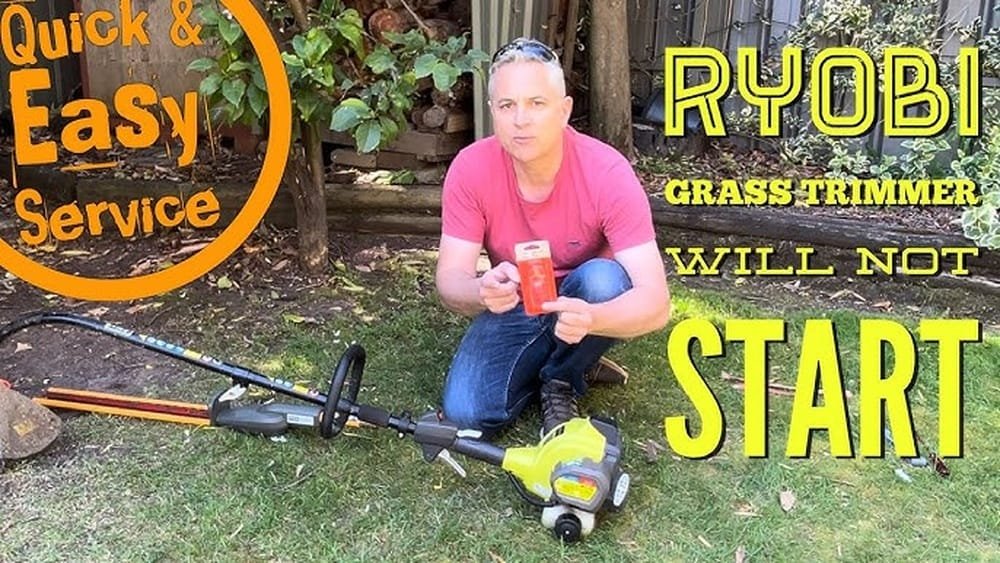
If you’ve ever grabbed your Ryobi string trimmer, ready to tidy up your yard, and it just refuses to start, I know exactly how you feel. I’ve been there—sweaty, frustrated, and staring at a tool that worked just fine last week.
It’s not just an inconvenience; it can ruin your whole day. Over the years, I’ve learned quite a bit about why a Ryobi string trimmer will not start and, more importantly, how to fix it. Today, I want to share everything I’ve picked up, from simple checks to deeper troubleshooting.
Whether you’re a beginner or have some experience, I promise you’ll find something here that will get your trimmer buzzing again.
Common Reasons A Ryobi String Trimmer Won’t Start
Let’s start with the basics. Most Ryobi string trimmers are gas-powered, although there are electric models too. Both types have their own quirks, but many problems are surprisingly simple. I’ll break down what I’ve seen most often.
1. Old Or Bad Fuel
Gasoline goes bad faster than you might think. If you let gas sit in your trimmer for more than a month, it can gum up the engine. I once left mine in the garage all winter—big mistake. The next spring, it just wouldn’t start.
After draining the tank and adding fresh gas, it fired up right away.
Tip: Always use fresh fuel. If possible, add a fuel stabilizer if you plan to store your trimmer for a long time.
2. Clogged Air Filter
A dirty air filter chokes your engine. I noticed my trimmer would sputter or not start at all after a few uses in dusty conditions. When I checked, the filter was clogged with dirt and grass clippings.
What to do: Remove the air filter and tap it gently. If it’s really dirty, wash it with soapy water and let it dry, or just replace it. They’re cheap and easy to swap.
3. Faulty Spark Plug
The spark plug ignites the fuel-air mixture. If it’s dirty or worn, your trimmer won’t start. I keep a spare handy because I’ve found this to be a common issue.
Quick check: Remove the spark plug, look for black soot or damage, and clean or replace it if needed. Make sure the gap is correct (your manual will tell you how).
4. Flooded Engine
If you try to start the trimmer too many times, the engine can flood with fuel. I’ve flooded mine by priming too much or pulling the cord over and over.
Fix: Wait 10-15 minutes, then try again with the choke off. Sometimes, I remove the spark plug and let the chamber dry out faster.
5. Carburetor Issues
The carburetor mixes air and fuel. If it’s dirty, the engine won’t start or will run rough. Small carburetor jets can clog easily, especially with old gas.
What helped me: I bought a can of carburetor cleaner and sprayed it into the intake. For stubborn cases, I removed the carburetor and cleaned it carefully. If you’re not comfortable doing this, a repair shop can help.
6. Faulty Primer Bulb
The primer bulb pulls fuel into the carburetor. If it’s cracked or won’t fill, your trimmer won’t get the fuel it needs.
Check: Press the bulb and look for cracks or leaks. Replace it if it’s damaged. I replaced mine once and was surprised at how cheap and easy it was.
7. Dirty Or Damaged Fuel Filter
A fuel filter keeps dirt out of your engine. Over time, it can clog, especially if you use older gasoline.
How I solved it: I pulled the fuel line out of the tank with a wire hook, swapped the filter, and put it back. If you notice your trimmer stalling or not starting, check this filter.
8. Blocked Exhaust Or Spark Arrestor
The exhaust system on a string trimmer can get blocked with carbon deposits. I once found my trimmer wouldn’t start because the spark arrestor screen was plugged.
Solution: Remove the muffler cover, take out the screen, and clean it with a wire brush. Let it dry, and reinstall.
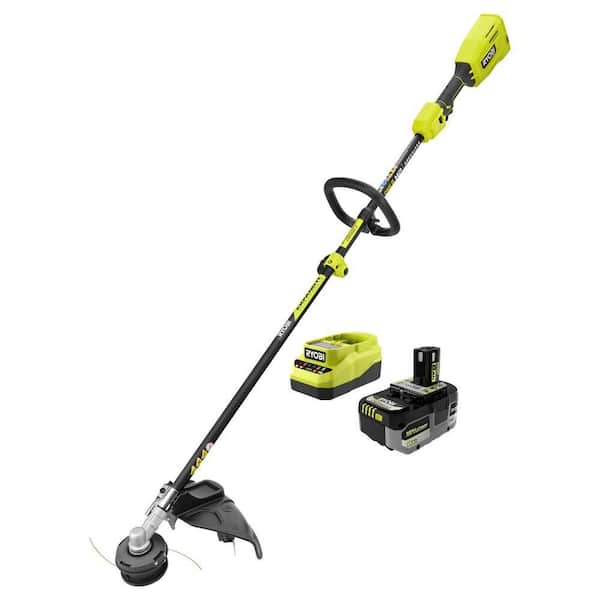
9. Battery Issues (for Electric Models)
If you have a battery-powered Ryobi, check the battery charge. Sometimes, batteries won’t hold a charge after a season or two.
What to try: Make sure the battery is fully charged. If it’s old, try a new one. I’ve found buying a genuine Ryobi battery makes a difference—aftermarket ones can be hit or miss.
10. Bad Electrical Connections
On electric models, loose wires or dirty contacts can stop the trimmer from starting. I had a model where grass got inside the battery slot, stopping the connection.
Fix: Clean the contacts with a dry cloth. Make sure everything is seated properly.
Step-by-step Troubleshooting Guide
Let me walk you through the process I use every time my Ryobi string trimmer won’t start. Following these steps in order saves a lot of time and headaches.
Step 1: Check The Basics
Before you dig in, make sure the trimmer is off and cool. Safety first.
- Is there fresh fuel or a charged battery?
- Is the on/off switch set to “on”?
- Is the choke in the right position for starting?
You’d be surprised how often I’ve forgotten one of these simple things.
Step 2: Inspect The Air Filter
Remove and check the air filter. If it’s dirty, clean or replace it. Even a little dirt can make a big difference.
Step 3: Examine The Spark Plug
Pull out the spark plug. If it’s black, oily, or damaged, swap it out. Set the gap as recommended. I always keep an extra spark plug in my toolbox.
Step 4: Look For Flooding
If you smell strong gas, the engine might be flooded. Wait a bit, then try again without priming.
Step 5: Clean The Carburetor
If the above steps don’t work, spray carburetor cleaner into the intake. Let it sit for a few minutes before trying to start again.
Step 6: Check Fuel And Primer Bulb
Look for cracks in the primer bulb or fuel lines. Replace if you see any damage.
Step 7: Inspect The Fuel Filter
Pull the fuel filter out and see if it’s clogged. Replace if needed.
Step 8: Clean The Exhaust
Remove and clean the spark arrestor screen. A blocked exhaust can stop the engine from starting.
Step 9: Test The Battery And Connections
For electric models, try a different battery if you have one. Clean all contacts.
Here’s a quick comparison of symptoms and likely causes:
| Symptom | Possible Cause | Quick Fix |
|---|---|---|
| Will not start at all | Old fuel, bad spark plug, dead battery | Replace fuel/plug, charge battery |
| Starts, then dies | Dirty air filter, clogged carburetor | Clean filter/carburetor |
| Sputters or stalls | Dirty exhaust, bad fuel filter | Clean exhaust, replace filter |
| Primer bulb won’t fill | Cracked bulb or fuel lines | Replace bulb/lines |
Maintenance Tips To Avoid Starting Problems
I learned the hard way that most string trimmer problems are preventable. Here’s what I do to keep mine running smoothly:
- Use fresh fuel every month. Old gas is the number one enemy.
- Clean or replace the air filter every few uses.
- Change the spark plug once a season.
- Drain fuel before storage if you won’t use the trimmer for a while.
- Check and clean the exhaust at least twice a year.
- Store your trimmer indoors to keep moisture and dirt away.
- Keep spare parts like spark plugs, air filters, and primer bulbs on hand.
Regular care saves time, money, and frustration. I used to ignore these steps, but after a few breakdowns, I realized prevention is way easier than fixing a dead trimmer.
When To Call A Professional
Sometimes, even after you try everything, the trimmer won’t start. If you smell burning, hear odd noises, or see fuel leaks, it’s time to get help. I once tried to fix a stubborn trimmer myself, only to make the problem worse.
A pro can diagnose deeper engine issues or replace complex parts.
If your trimmer is still under warranty, don’t open up the engine too much—you could void the coverage. I always check the manual or call Ryobi’s support line before doing anything tricky.
A Closer Look: Gas Vs. Electric Ryobi String Trimmers
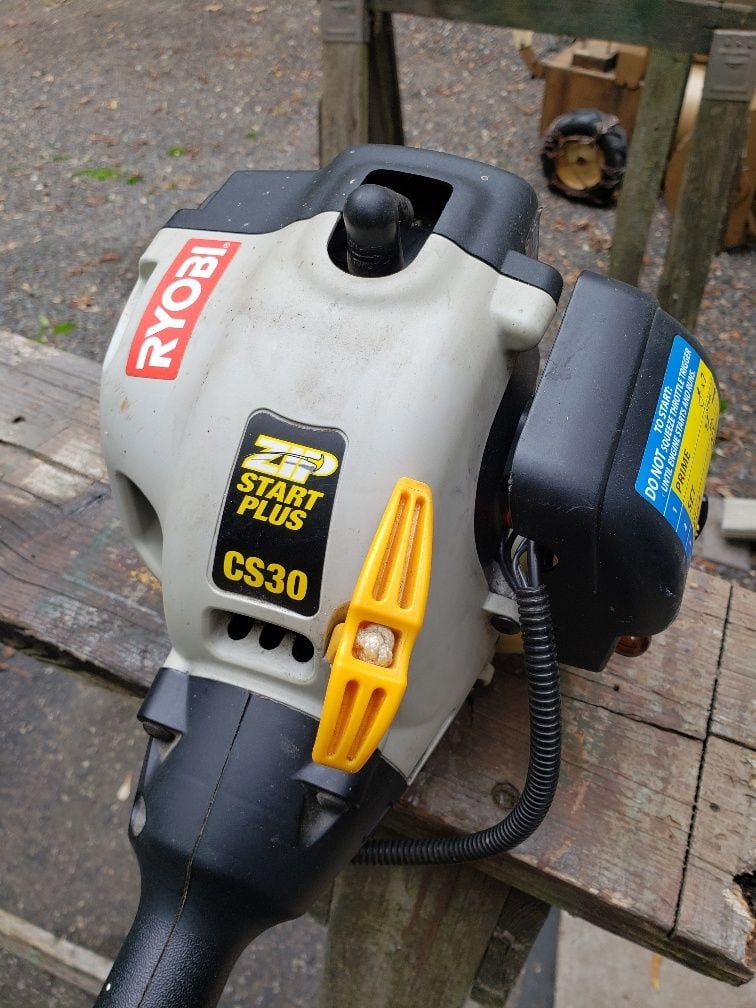
Both gas and electric models have their own challenges. Here’s a quick side-by-side look at what usually goes wrong with each:
| Feature | Gas Trimmer | Electric Trimmer |
|---|---|---|
| Common Start Issues | Fuel, spark plug, carburetor | Battery, electrical contacts |
| Maintenance | More (oil, fuel, parts) | Less (mainly battery care) |
| Noise & Emissions | Louder, more fumes | Quieter, no emissions |
| Long-Term Cost | Higher (parts, fuel) | Lower (mainly battery replacement) |
My experience: electric models are easier for beginners but don’t have as much power. Gas models are tougher to maintain but handle big jobs better.
Extra Insights Most People Miss
Let me share a few things I learned through trial and error:
- Don’t over-prime. Pressing the primer bulb too many times can flood the engine. Two or three presses are usually enough.
- Be gentle with the pull cord. If you yank too hard, you can damage the recoil starter. Smooth, steady pulls work best.
- Use the right oil mix. If you have a 2-cycle engine, always mix oil with your gas in the right ratio. I once ruined an engine by forgetting this step.
- Label your gas can. I keep a separate can just for my string trimmer, so I never mix up old and new fuel.
Troubleshooting Checklist
Here’s the order I run through when my Ryobi won’t start:
- Check fuel or battery
- Inspect air filter
- Check spark plug
- Look for flooding
- Clean carburetor
- Test primer bulb and fuel lines
- Check fuel filter
- Clean exhaust/spark arrestor
- Test battery and connections (electric)
If none of these work, I call for help.
Useful Resources
If you need diagrams or want to see step-by-step videos, Ryobi’s official site has a solid support section. I also check trusted DIY sites like Family Handyman when I get stuck.

Frequently Asked Questions
Why Does My Ryobi String Trimmer Only Start With Starter Fluid?
If your trimmer starts with starter fluid but not on its own, the carburetor is likely dirty or clogged. Clean or rebuild the carburetor and check the fuel filter.
How Often Should I Change The Spark Plug In My Ryobi String Trimmer?
I recommend changing the spark plug once per season, or every 25 hours of use. It’s a cheap and easy fix that prevents many starting problems.
Is It Okay To Use Regular Gasoline In My Ryobi Trimmer?
Always check your manual. Most gas models need unleaded gasoline mixed with 2-cycle oil at a specific ratio. Using straight gasoline can damage the engine.
My Electric Ryobi Trimmer Won’t Start—what Should I Try First?
First, charge the battery fully. Then, clean the battery contacts and make sure the trigger and safety switches work. Try a different battery if possible.
Can I Use Carburetor Cleaner While The Carburetor Is Still Installed?
Yes, you can spray carburetor cleaner into the air intake. This often helps, but for deep cleaning, you may need to remove the carburetor.
If your Ryobi string trimmer still won’t start after trying these steps, don’t lose hope. Sometimes a simple fix is just around the corner. Over the years, I’ve learned that patience and a little know-how go a long way. With regular care and the right troubleshooting, you’ll be back to trimming in no time.
Good luck, and happy yard work!
As an Amazon Associate, We earn from qualifying purchases