
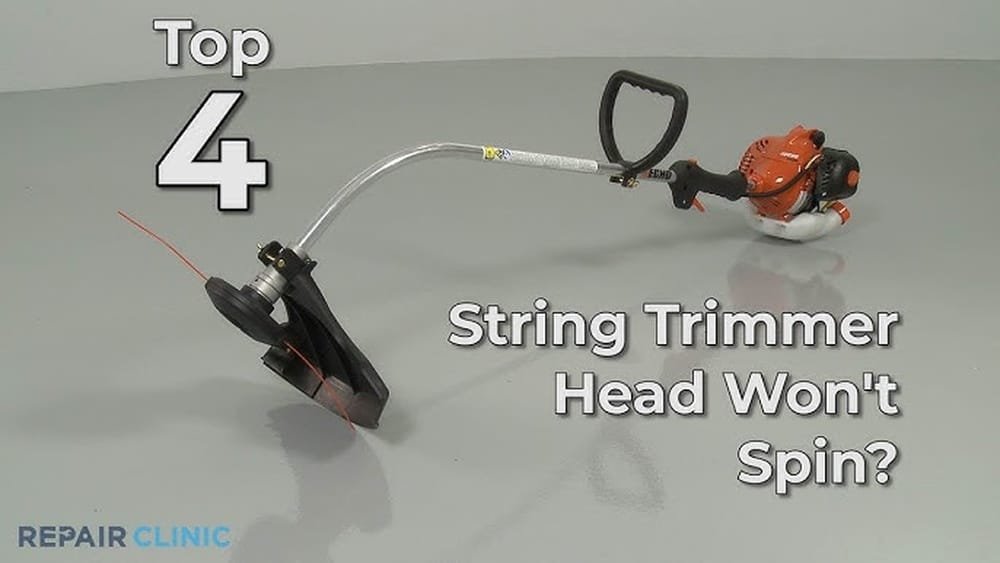
If you’ve ever pulled your string trimmer out, ready to tidy your yard, and the head just sits there… not spinning… I know exactly how you feel. I’ve been there, sweating in the heat, pulling the trigger and hearing only the engine’s roar with zero movement down at the cutting head. It’s frustrating, especially when weeds are winning the battle. Over the years, I’ve fixed this problem on my own trimmers and for friends and family too. If your string trimmer head isn’t spinning, let me walk you through how I tackle it. I’ll share what I’ve learned, the mistakes I made, and the simple fixes you can try—whether you have a gas, electric, or battery trimmer.
Why The String Trimmer Head Stops Spinning
Let me start with the basics. When your string trimmer head doesn’t spin, it means the engine or motor is running, but the power isn’t making it down to the head. I used to think it was always the motor or engine, but I quickly learned that’s rarely the case. The problem is usually mechanical, somewhere between the handle and the head.
Some common causes I’ve seen:
- The drive shaft is broken or disconnected.
- The clutch is worn out (mainly in gas models).
- The trimmer head is jammed with debris or string.
- The throttle cable is loose or damaged.
- The gearbox at the head is faulty.
Knowing these helped me narrow down where to look and what to check first. Let’s go step-by-step, just like I would if you were standing in my garage with me.
Safety First: Before You Start
I can’t stress this enough—safety comes first. I learned the hard way once when I forgot to unplug my electric trimmer before checking the head. The moment I touched the trigger, it spun and nearly caught my hand. Always do these before you start:
- Unplug electric trimmers or remove the battery.
- For gas trimmers, switch it off and disconnect the spark plug wire.
- Wear gloves and eye protection.
Taking a minute for safety saves you from a lot of pain.
Quick First Checks
Before you start taking things apart, check the easy stuff. Sometimes, it’s a simple fix.
- Inspect the Trimmer Head
- Look for tangled string, grass, or debris in the head. I’ve pulled out wads of grass that completely stopped the head from spinning.
- Make sure the string is wound correctly and not jammed.
- Check the Trigger and Throttle Cable
- Squeeze the trigger. Does it feel normal, or is it loose?
- On some models, the cable can pop out of place. I once found the cable had slipped off the trigger end, so the motor ran but didn’t engage the shaft.
- Listen for Unusual Sounds
- A grinding or clicking noise means something’s stuck or broken. A silent head with a smooth-sounding engine often means a disconnected shaft or broken clutch.
Deeper Troubleshooting: Finding The Real Problem
If the easy checks don’t fix it, here’s how I dig deeper. I’ll walk through each part, sharing what to look for and how to fix it.
Step 1: Check The Drive Shaft
The drive shaft is the long rod inside the shaft tube that transfers power from the engine or motor down to the head. If it breaks or disconnects, the head won’t spin.
Here’s how I check it:
- Remove the trimmer head (usually unscrews by hand or with a wrench).
- Try spinning the shaft by hand. If it turns freely with no resistance, the shaft is likely broken.
- For split-shaft models, disconnect in the middle and inspect both ends.
Once, I found my drive shaft had snapped clean in half. Replacing it was straightforward and much cheaper than buying a new trimmer.
Step 2: Inspect The Clutch (gas Models Only)
Gas-powered trimmers have a centrifugal clutch. When you pull the trigger, the clutch engages and spins the drive shaft.
To check the clutch:
- Remove the engine cover (usually a few screws).
- Look for worn, broken, or burned clutch shoes or springs.
- Try spinning the flywheel by hand—if the clutch doesn’t move, it’s faulty.
If the clutch is the problem, you’ll need to replace it. I’ve done this twice. It’s not hard, but you’ll need the right part for your trimmer model.
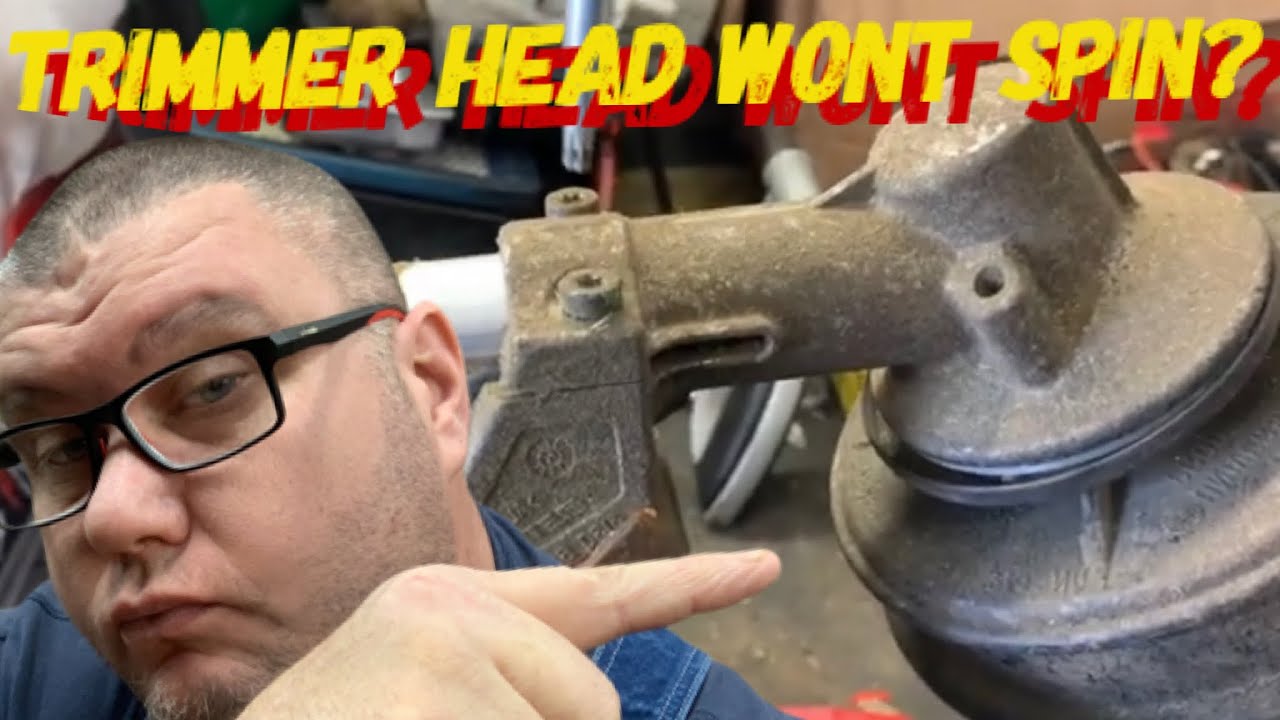
Step 3: Examine The Gearbox
At the head of the trimmer, there’s often a small gearbox that turns the shaft’s rotation into the spinning motion of the head.
What I do:
- Remove the trimmer head.
- Check for obvious damage or missing grease.
- Spin the gearbox by hand—if it feels rough or won’t move, it could be seized.
A little high-temp grease can help if it’s just dry, but sometimes the gears strip and need replacing.
Step 4: Look For Electrical Issues (electric/battery Models)
If you have a cordless or corded trimmer, a broken wire or burnt contact can stop power from reaching the head.
I use a simple test:
- Check for loose or disconnected wires inside the handle.
- Look for signs of melted plastic or burning smells.
- Try swapping batteries or using a different outlet.
I once had a battery trimmer where the trigger switch had failed. Replacing the switch fixed it right away.
Step 5: Test The Motor Or Engine
This is rare, but sometimes the motor (electric) or engine (gas) runs weak, so it doesn’t send enough power.
Signs of trouble:
- The engine revs but seems weak.
- The motor gets hot and smells burned.
Usually, if the motor or engine runs at full power, the issue is further down. But if you suspect a problem here, it may be time for professional help.
Common Problems And How I Fixed Them
I’ve kept a log of the problems I’ve faced and what finally worked. Here’s a quick comparison to help you figure out your issue faster:
| Problem | Cause | What Fixed It |
|---|---|---|
| Head won’t spin, engine runs fine | Broken drive shaft | Replaced shaft |
| Head spins slowly, makes noise | Dry or damaged gearbox | Greased gears or replaced gearbox |
| Trigger feels loose, no response | Disconnected throttle cable | Reconnected cable |
| Nothing happens when powered | Broken switch/wire (electric) | Replaced switch or wire |
| Head stuck, string won’t feed | Debris jammed in head | Cleared head, replaced string |
Tools And Parts You Might Need
Here’s what I keep in my garage for fixing trimmers:
- Phillips and flathead screwdrivers
- Adjustable wrench
- Needle-nose pliers
- Grease (high-temp, for gearboxes)
- Replacement drive shaft, clutch, or gearbox (if needed)
- Extra trimmer line
Having these on hand saves me a trip to the hardware store in the middle of a repair.

How Different Trimmers Compare
Not all trimmers are built the same. Here’s what I’ve noticed after working on gas, electric, and battery models:
| Trimmer Type | Common Failure Point | Repair Difficulty |
|---|---|---|
| Gas | Clutch, drive shaft | Moderate to hard |
| Electric (corded) | Switch, wiring | Easy |
| Battery | Trigger switch, wiring | Easy to moderate |
Gas trimmers are tougher to fix but last longer. Electric and battery trimmers are simpler, but if the motor goes bad, it’s often not worth fixing.
Tips I Wish I Knew Earlier
Let me share a few things I learned the hard way:
1. Clean The Head After Each Use
Grass and dirt build up fast. Taking a minute to clean the head after you finish keeps everything running smoothly.
2. Check The String Regularly
If the string is too short or wound wrong, the head won’t spin right. I once thought my gearbox was broken when it was just tangled string.
3. Grease Moving Parts
A dry gearbox or shaft wears out fast. A dab of grease every few months made my trimmer last much longer.
4. Store In A Dry Place
Water rusts the shaft and gearbox. I ruined one trimmer by leaving it outside.
5. Use The Right String
Thick or cheap string can jam the head. I found that using the size and type recommended in the manual made a big difference.

When To Call A Professional
Most fixes are easy with basic tools, but sometimes it’s not worth the hassle:
- If the engine or motor is burned out
- If the gearbox is totally seized and you can’t find a replacement
- If you don’t feel comfortable opening up the shaft
I’ve taken one trimmer to a pro because it was cheaper and faster than buying all new parts. Sometimes, that’s the smart move.
How Much Repairs Usually Cost
Here’s a rough idea of what I’ve paid (or seen at repair shops):
| Part/Repair | DIY Cost | Shop Cost |
|---|---|---|
| Drive Shaft | $15-$35 | $40-$70 |
| Clutch | $20-$40 | $50-$90 |
| Gearbox | $15-$30 | $35-$60 |
| Trigger Switch | $5-$15 | $30-$50 |
Doing it yourself saves money, but make sure you know your limits.
What Beginners Often Miss
Here are two things I see people overlook all the time:
- Forgetting to disconnect power before checking anything. I’ve seen people get hurt because they thought the trimmer was off, but it wasn’t.
- Missing simple fixes. Many times, it’s just a jammed head or tangled string, not a big mechanical problem.
Also, check your warranty! Some repairs are covered, but opening the trimmer yourself can void it. I learned that lesson with my first battery trimmer.
Where To Find Parts And Help
I usually buy parts from hardware stores or order online. Some brands have great support pages. If you’re stuck, I recommend looking for a repair video or visiting the manufacturer’s website for guides. For more details, you can also check resources like the Wikipedia page on string trimmers.
Frequently Asked Questions
Why Does My String Trimmer Head Only Spin Sometimes?
This usually means something is loose or partially broken. It could be a slipping clutch, a worn drive shaft, or a throttle cable that works only in certain positions.
Can I Fix A String Trimmer Head That Won’t Spin Without Special Tools?
Most fixes need only basic tools like screwdrivers and a wrench. If you need to replace the clutch or gearbox, you might need a puller or special socket. I get by with a basic tool set for 90% of repairs.
How Do I Know If The Drive Shaft Is Broken?
If you remove the trimmer head and try to spin the shaft by hand, it should turn with some resistance. If it spins freely or not at all, it’s probably broken.
Is It Safe To Open Up My Trimmer?
It’s safe if you disconnect all power (unplug, remove battery, or spark plug wire). Wear gloves, and keep track of screws and small parts. If you’re unsure, ask for help.
Should I Repair Or Replace My Trimmer?
If the repair costs more than half the price of a new trimmer, or if the motor/engine is bad, I suggest replacing it. For small problems like jammed heads or drive shafts, repair is usually worth it.
—
If your string trimmer head isn’t spinning, don’t panic or toss it out yet. Most issues are simple and fixable with a little patience and the right tools. I hope my experience makes your repair a lot less stressful. If you get stuck, remember—there’s always help online or at your local shop. Good luck, and here’s to a tidy yard!
As an Amazon Associate, We earn from qualifying purchases