
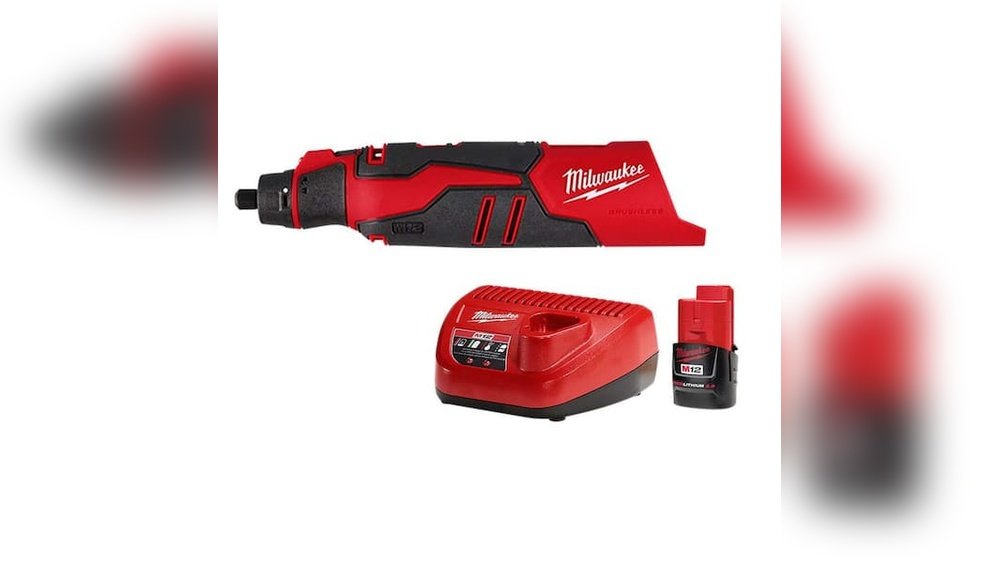
Is A Dremel Considered A Power Tool?
If you ever walked down the tool aisle at a hardware store, you probably saw a Dremel tool and wondered, “Is a Dremel really a power tool? ” I remember asking myself the same thing. Back then, I thought power tools were only big, noisy machines like drills or saws.
But after years of using a Dremel for all sorts of projects, I’ve learned it’s more than just a handy gadget. Let me share what I discovered, so you know exactly where a Dremel fits in the world of tools—and if it’s right for you.
What Is A Dremel?
A Dremel is a brand name, but many people use it to talk about small rotary tools. These tools spin at high speeds and can do a lot of things. I bought my first Dremel when I wanted to carve wood.
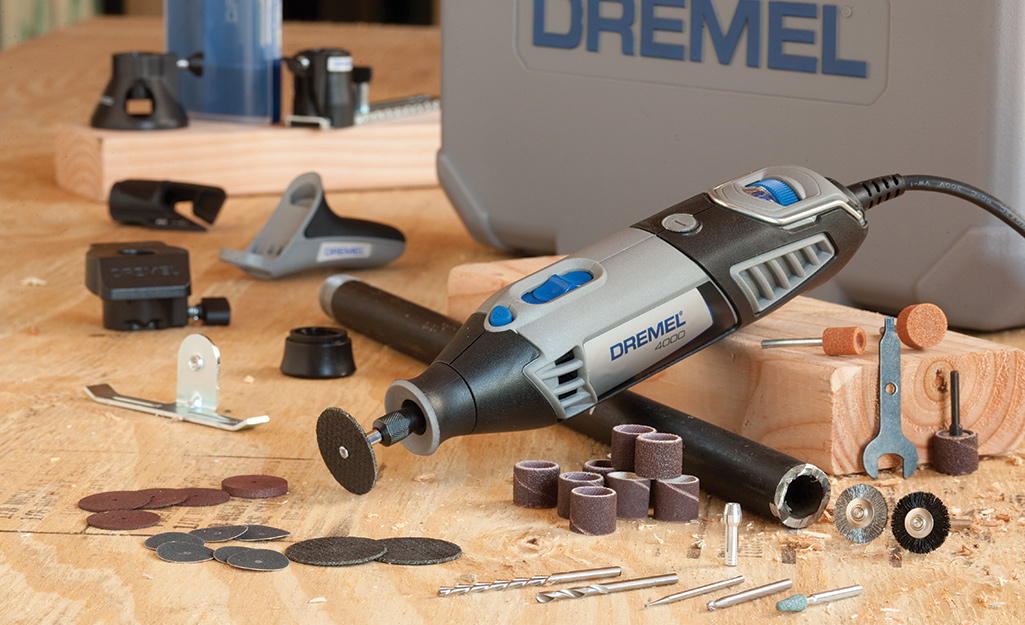
Soon, I found it could cut, grind, sand, polish, and even clean. It’s small enough to hold in one hand, which makes it feel less scary if you’re new to tools.
Most Dremel tools are electric. You plug them into the wall or use a battery. The main part of the tool spins a small bit or attachment. You can swap these bits to do different jobs. For example, I use a cutting wheel to slice through old screws, a sanding band for smoothing edges, and a brush for cleaning rust.
Dremel makes several models. Some are corded, some are cordless. They also make other tools, but when people say “Dremel,” they usually mean the rotary tool.
What Is A Power Tool?
Let’s keep it simple: a power tool is any tool that runs on electricity, batteries, or air, not just your muscles. This includes drills, saws, sanders, and yes, rotary tools like the Dremel. The key is that the tool’s main power comes from a motor, not from you pushing or pulling.
I grew up thinking only big tools counted. But as I started doing DIY projects, I realized that power tools come in all sizes. Some are heavy-duty, like a circular saw. Others are small and precise, like the Dremel. The main thing is, if it plugs in or runs on batteries and does the work for you, it’s a power tool.
Here’s a quick comparison of common tool types:
| Tool Type | Powered by Electricity? | Main Use |
|---|---|---|
| Hand Saw | No | Cutting wood/plastic |
| Drill | Yes | Drilling holes |
| Dremel | Yes | Cutting, sanding, grinding, more |

Is A Dremel A Power Tool? My Experience
Let’s answer the big question: Is a Dremel considered a power tool? From my hands-on use, the answer is a clear yes. The Dremel is powered by electricity or a battery. It’s got a motor inside that spins the tool’s bit at high speeds. I’ve never used my own strength to turn a Dremel. I just guide it. The motor does all the work.
When I first got my Dremel, I was surprised by how much power it had for something so small. It could cut through metal bolts that my hand tools couldn’t touch. The sanding drum made quick work of rough edges on wood.
All that power came from the tool itself, not from me pushing hard.
There’s another way to look at it. If you take the bit out, the tool does nothing. But as soon as you put a bit in and turn it on, the Dremel spins at thousands of revolutions per minute (RPM).
My model goes up to 35,000 RPM. No way could I do that by hand!
How Does A Dremel Compare To Other Power Tools?
You might wonder how a Dremel stacks up against bigger power tools. Here’s what I’ve noticed:
- Size: The Dremel is light and easy to hold. I can use it for hours without my arm getting tired. Big tools like angle grinders or drills are heavier and need two hands.
- Precision: For small, detailed work, the Dremel is hard to beat. I’ve used it to engrave glass, polish jewelry, and even shape model cars. Bigger tools would be too clumsy for these jobs.
- Power: The Dremel isn’t as strong as a saw or drill meant for thick materials. If I need to cut a 2×4, I use a saw. But for small metal rods or screws, the Dremel works fine.
- Versatility: I’ve changed attachments in seconds to go from sanding to polishing. Most big tools do just one thing.
Here’s a simple comparison I made for myself:
| Tool | Best For | Power Level | Precision |
|---|---|---|---|
| Dremel | Detail work, hobbies | Low-Medium | Very High |
| Drill | Drilling holes | Medium-High | Medium |
| Angle Grinder | Heavy cutting/grinding | High | Low |
What Can You Do With A Dremel?
When I show friends my Dremel, they’re amazed at what it can do. Here are some real things I’ve done with mine:
- Cutting: I cut off rusty bolts, plastic pipes, and even wall tiles.
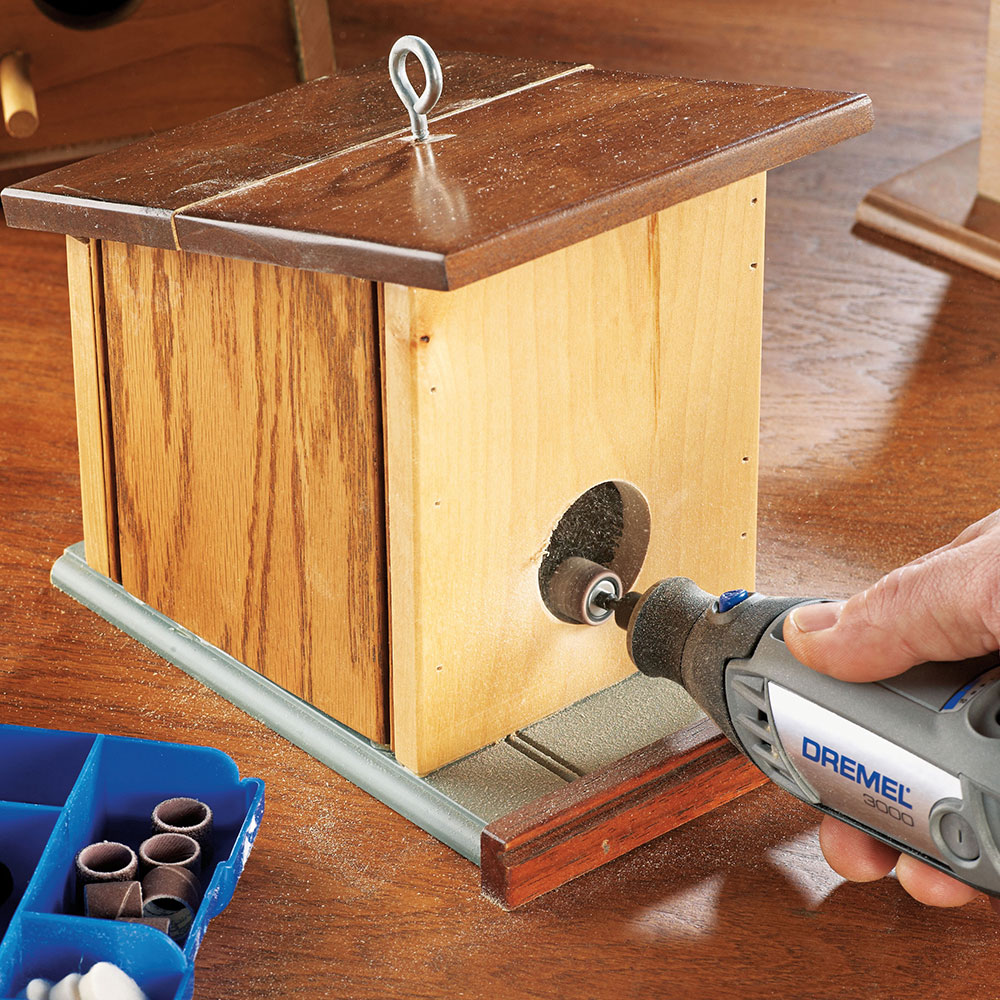
- Sanding: I smooth rough wood, fix furniture, and shape small parts.
- Grinding: I sharpen garden tools and remove rust from metal.
- Polishing: I polish jewelry and chrome trim on my car.
- Engraving: I’ve personalized gifts by engraving names into glass and metal.
- Cleaning: With a wire brush bit, I clean old tools and bike chains.
There are dozens of attachments for special tasks. Sometimes, I find a new use just by looking through my Dremel kit.
Why Some People Don’t Realize It’s A Power Tool
I’ve met people who think Dremels are “just hobby tools.” I used to think that, too. The reason is simple: Dremels are small, quiet, and easy to use. They don’t feel as powerful as a big saw or drill. But the size doesn’t matter. The motor inside does the work, and that’s what makes it a power tool.
Another reason is that Dremels are popular with artists and crafters, not just builders. But I’ve seen pros use them for tile work, car repair, and metalworking. They’re just as useful in the garage as in an art studio.
Key Features That Make A Dremel A Power Tool
Based on my experience, here are the main reasons why a Dremel is a true power tool:
- Electric Motor: The heart of every Dremel is its motor. It spins the bit at high speed, doing the work for you.
- Multiple Attachments: You can attach cutting wheels, sanding drums, or polishing pads, just like with other power tools.
- Variable Speed: Most Dremels let you control the speed. This helps when you need to go slow for detail work or fast for cutting.
- Corded and Cordless Models: Just like drills and saws, Dremels come in both plug-in and battery-powered versions.
- Consistent Power Delivery: Unlike hand tools, the Dremel gives you steady power as long as you hold the button.
Common Mistakes People Make With Dremels
I’ve made a few mistakes with my Dremel, especially when I was new. Here are some things to watch out for:
- Using the wrong bit: Each job needs a special bit. I once tried to sand metal with a wood bit, and it wore out fast.
- Pushing too hard: The Dremel does the work. If you push, you can break the bit or burn out the motor.
- Skipping safety gear: Even though it’s small, a Dremel can throw sparks and dust. I always wear safety glasses.
- Running at the wrong speed: Too fast can melt plastic; too slow won’t cut metal. I had to learn which speed to use for each job.
- Not securing the workpiece: Small parts can spin out of your hand. I use clamps or a vise to hold things steady.
If you avoid these mistakes, your Dremel will last longer and work better.
Benefits Of Owning A Dremel
I can’t imagine my workshop without a Dremel now. Here’s why I recommend it:
- Versatile: One tool, many jobs. I can switch from cutting to polishing in seconds.
- Space-Saving: It fits in a drawer, unlike big saws or sanders.
- User-Friendly: It’s easy to handle, even for beginners.
- Affordable: Compared to other power tools, Dremels are usually cheaper.
- Perfect for Small Jobs: When I don’t want to drag out a big tool, the Dremel is ready to go.
When Not To Use A Dremel
There are limits. I learned these the hard way:
- Heavy-Duty Cutting: For thick wood or steel, a saw or angle grinder is better.
- Large Surfaces: Sanding a table top with a Dremel takes forever.
- Extended Use: The motor can get hot if you use it for hours non-stop.
In those cases, I switch to a bigger power tool. But for detail work, the Dremel is my first choice.
How To Choose The Right Dremel
If you want to buy a Dremel, here’s what I wish someone told me:
- Think about corded vs. cordless. Corded has more power, but cordless is easier to move around.
- Check the speed range. More speed options give you more control.
- Look at the accessories. Some kits come with lots of bits; others have just a few.
- Read reviews. Some models are better for certain jobs.
I bought a mid-range model with 30 accessories. It’s done everything I need, from fixing my bike to making gifts.
Here’s a quick comparison:
| Model | Power Source | Max Speed (RPM) | Accessory Count |
|---|---|---|---|
| Dremel 3000 | Corded | 35,000 | 25-28 |
| Dremel 8220 | Cordless | 30,000 | 28-33 |
| Dremel Lite | Cordless | 25,000 | 10-15 |
Real-world Examples
Let me give you a few stories from my own workshop:
- I once had to cut a small notch in a tile for plumbing. My big saw was too much. The Dremel made a clean cut in minutes.
- My daughter wanted her name on a glass jar. The Dremel with a diamond bit did it perfectly.
- I bought an old bicycle with rusty bolts. The Dremel’s wire brush cleaned them up like new.
These little wins proved to me that the Dremel is more than a craft tool—it’s a true power tool.
Final Thoughts
If you ever wondered, “Is a Dremel considered a power tool? ” the answer from my experience is yes. It has a real motor, runs on electricity or batteries, and does the hard work for you. Its size and versatility make it special, but that doesn’t change what it is.
Whether you’re a pro or just starting out, a Dremel belongs in your toolbox.
If you want more official info on power tools, check out the Wikipedia page on power tools.
Frequently Asked Questions
Is A Dremel Strong Enough To Cut Metal?
Yes, I’ve used my Dremel to cut small metal rods, screws, and bolts. Use a metal cutting wheel, and go slow. For thick metal, a bigger tool might be better.
Can A Dremel Replace Other Power Tools?
Not always. It’s great for detail work, but for large or heavy jobs, you still need saws, drills, or grinders. I use my Dremel for small tasks and big tools for big projects.
Are Dremels Safe For Beginners?
Absolutely. They’re easy to control and less intimidating than big power tools. Just remember to wear safety glasses and follow the instructions.
How Long Does A Dremel Last?
With good care, mine has lasted over five years. Change bits when they get worn, don’t push too hard, and let the motor rest during long jobs.
What’s The Difference Between A Rotary Tool And A Dremel?
Dremel is a brand. Other companies make rotary tools, too. But Dremel is the most famous, and many people use the name for all rotary tools, even if they’re not the same brand.
As an Amazon Associate, We earn from qualifying purchases