
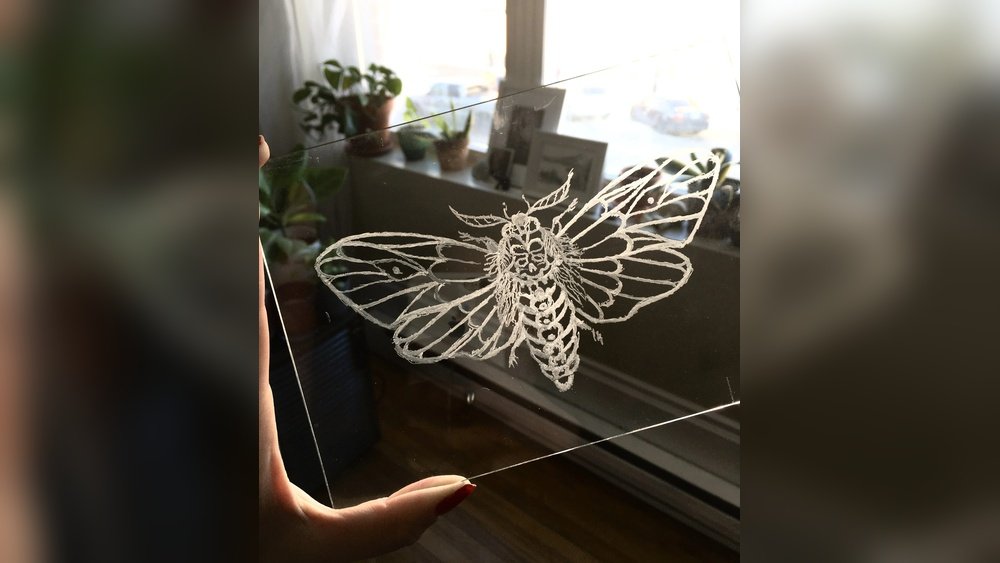
Etching glass with a Dremel was something I always thought looked tricky. I used to see beautiful glass art at craft fairs and wonder, “Could I ever make that? ” The truth is, with some patience and the right tools, anyone can do it.
In this guide, I’ll share everything I learned from my first shaky lines to my favorite glass gifts. I’ll walk you through each step, the tools I use, and the little things I wish I knew before I started.
Why Etch Glass With A Dremel?
I tried different ways to decorate glass—stickers, paint, even chemical etching creams. But using a Dremel tool gave me more control. I could draw freehand or use patterns. Mistakes were easier to fix. And the designs last forever, even after washing.
Etching with a Dremel is a fun way to personalize gifts. I’ve made custom wine glasses for friends, labeled jars for the kitchen, and even decorated mirrors. The best part? Every piece is unique. You don’t need to be an artist.
If you can trace a line, you can etch glass.
What You Need To Get Started
Let’s talk about the basics. Here’s what I use every time:
- Dremel rotary tool – Most models work, but I use one with variable speed.
- Diamond-tipped bits – These are best for glass. The fine tip gives more detail.
- Safety glasses – Tiny glass dust can fly up. Never skip eye protection.
- Dust mask – The dust is not safe to breathe.
- Tape (painter’s or masking tape) – It keeps the design in place and protects areas.
- Soft cloth – For cleaning before and after.
- Stencil or pattern (optional) – I often print simple designs to tape under the glass.
- Marker or wax pencil – For tracing or sketching.
- Lamp or good lighting – Seeing details is everything.
If you’re just starting out, you don’t need anything fancy. I got my first set of bits and a Dremel at the hardware store.
Choosing The Right Glass
Not all glass is the same. I learned the hard way that thin glass can crack. Here’s what I look for now:
- Thick glass (like jars, mugs, or sturdy vases) is best.
- Avoid delicate, thin wine glasses or cheap glass from the dollar store.
- Tempered glass is tougher, but sometimes it resists etching.
I always test on a cheap piece first. Old jars or bottles are perfect for practice.
Picking The Right Dremel Bit
The Dremel can use many bits, but for glass, diamond-tipped bits are my favorite. Here’s a simple table I made to compare bit types and uses:
| Bit Type | Best For | My Experience |
|---|---|---|
| Diamond tip | Fine lines, details | Clean, sharp lines; lasts longer |
| Silicon carbide | Shading, rough texture | Good for backgrounds, wears down fast |
| Engraving bit | Broad lines | OK for big shapes, not as clean |
Diamond tips cost a bit more, but they don’t wear out quickly. For most designs, I start with a fine tip and sometimes switch to a larger one for bigger areas.
Setting Up Your Workspace
I learned early that comfort is key. Etching takes time. Here’s how I set up:
- Good lighting: A bright desk lamp stops eye strain.
- Sturdy table: The glass shouldn’t wobble.
- Towel under the glass: It keeps the piece from sliding and absorbs vibrations.
- Open window or fan: Dust can build up fast.
I always keep a small vacuum nearby to clean up when I’m done. Glass dust is messy.
Preparing The Glass
Before I start etching, I clean the glass with soap and water. Any grease or fingerprints can mess up the lines. Here’s my prep routine:
- Wash and dry the glass.
- Wipe with rubbing alcohol for extra grip.
- Tape the stencil or pattern to the inside or back of the glass.
- Use painter’s tape to cover areas I don’t want to etch.
If I’m drawing freehand, I sketch lightly with a wax pencil. It wipes off easily.
Transferring Your Design
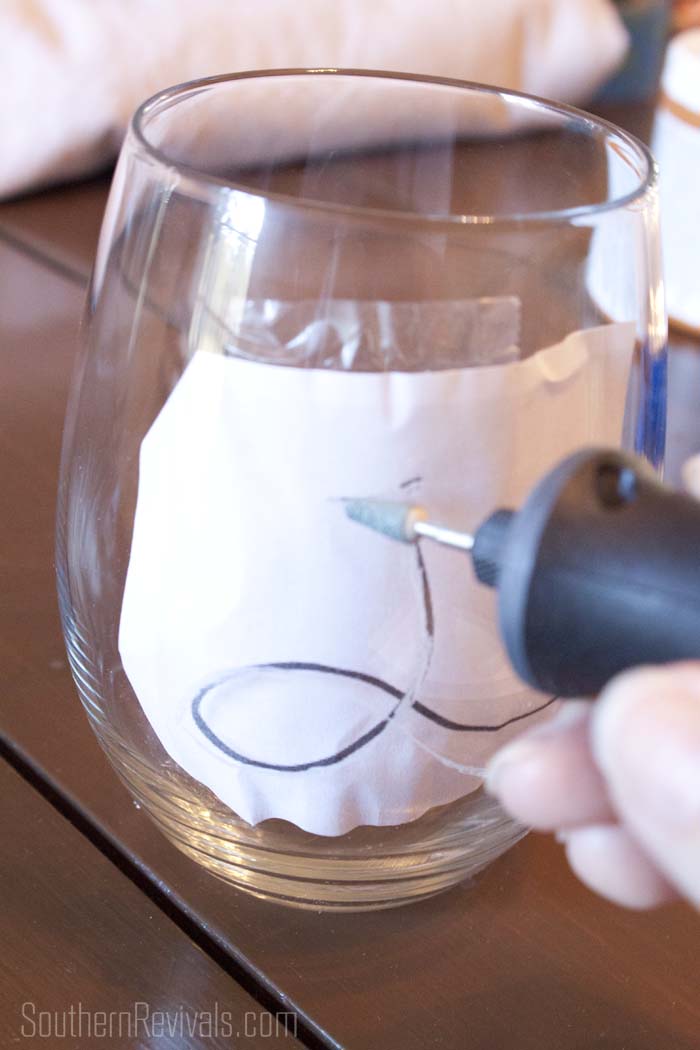
For my first projects, I stuck with simple shapes—stars, hearts, or names. I’d print out the design, tape it inside the glass, and trace over it. It’s like tracing on a window. Over time, I got braver and tried more complex patterns.
If you want to make your own stencil, sticky vinyl works well. Cut out your shape and stick it on the glass. The edges keep the Dremel from slipping.
How To Etch Glass With A Dremel: Step-by-step
Let me break down exactly how I etch a piece, from start to finish.
1. Choose And Prepare Your Glass
Pick a thick, clean piece. Make sure it’s dry and free from oil.
2. Secure Your Design
Tape your stencil or pattern inside the glass. If freehand, sketch your lines.
3. Set Up The Dremel
Attach a diamond-tipped bit. I set my Dremel to a speed between 8,000 and 12,000 RPM. Too fast and it can slip; too slow and it scratches instead of etches.
4. Wear Safety Gear
Put on safety glasses and a mask. Glass dust is invisible but harmful.
5. Start Etching
Hold the Dremel like a pencil. Go slowly. Let the tool do the work—don’t force it. I use short, gentle strokes. The first time, I pressed too hard and the bit jumped. Lighter pressure works better.
I always start with the outline. For shading or filling, I use a larger bit or make small circles.
6. Check Your Progress
Stop often. Wipe away dust with a cloth. Hold the glass to the light to see missed spots.
7. Finish And Clean
When I’m happy with the design, I wash the glass with water and soap. Rubbing alcohol removes any leftover marker or wax.
8. Seal (optional)
Sometimes I spray a clear sealer over the design. It’s not needed, but it adds a little shine and protects the etching from fingerprints.
My Top Tips For Success
I learned these lessons through trial and error. I hope they save you some trouble!
- Practice first: Don’t start on your favorite glass. Old jars are perfect for learning.
- Work slowly: Rushing makes mistakes. Taking breaks keeps your hands steady.
- Let the tool do the work: Pressing too hard can crack the glass or wear out the bit.
- Clean often: Dust can hide mistakes.
- Try different bits: Each shape makes a different line. Experiment to find your style.
Common Mistakes And How To Avoid Them
I made plenty of mistakes in the beginning. Here are a few and how I fixed them:
- Cracking the glass: Usually from pressing too hard or using thin glass. Solution: Use thicker glass and lighter pressure.
- Uneven lines: I moved too fast or changed speed. Solution: Keep a steady hand and speed.
- Slipping: The bit slipped off the line. Solution: Start the bit before touching the glass, and use a guide or tape.
- Design too light: I didn’t etch deep enough. Solution: Go over lines again, but don’t force it.
Cleaning And Caring For Etched Glass
Etched glass is pretty tough, but a little care helps it last. Here’s how I keep my pieces looking good:
- Wash by hand with mild soap.
- Avoid harsh scrubbers; they can dull the design.
- For tough stains, soak in warm water.
- If you use a sealer, reapply every year.
I’ve had etched mugs and jars for years. The designs still look sharp.
Creative Project Ideas
Once I got comfortable, I started making gifts and home décor. Here are a few projects I loved:
- Custom wine glasses: Add names or dates for weddings or anniversaries.
- Decorated jars: Label jars with “Coffee,” “Sugar,” or fun words.
- Mirrors: Add a border or corner design.
- Picture frames: Etch names or quotes around the edge.
- Holiday ornaments: Small glass discs or old light bulbs make great canvases.
I gave etched jars filled with candy to my friends last Christmas. They loved them more than store-bought gifts.

Comparing Dremel Etching With Other Methods
Curious how Dremel etching stacks up? Here’s a simple comparison based on my experience:
| Method | Pros | Cons |
|---|---|---|
| Dremel etching | Precise, customizable, durable | Loud, takes practice, dust |
| Chemical etching | Quick, covers large areas | Less detail, harsh chemicals |
| Sandblasting | Professional look, even texture | Expensive, messy, needs gear |
For me, Dremel etching is best for small, detailed designs and at-home projects.
Safety: What You Should Never Skip
I can’t stress safety enough. The Dremel is powerful, and glass dust is dangerous. Here’s what I always do:
- Wear safety glasses—every single time.
- Use a mask or work outside.
- Keep kids and pets away.
- Clean up right after—glass dust can linger.
I once skipped the mask for “just a minute. ” My throat was scratchy all night. Never again.

How To Make Your Designs Stand Out
Want to go beyond basics? Here’s what worked for me:
- Layer designs: Etch once, then add a second pattern over it.
- Combine with paint: Fill etching with glass paint for color.
- Try different textures: Use different bits for shading and lines.
- Add lights: Etched jars with tea lights inside look amazing.
A little creativity makes each piece special.
Troubleshooting: Fixing Common Problems
Sometimes things go wrong. Here’s how I handle issues:
- Mistake in the design: I try to turn it into part of the pattern. If it’s small, I add a new detail to cover it.
- Uneven depth: I go over the shallow areas again, slowly.
- Cloudy glass: Clean with vinegar or rubbing alcohol.
Don’t be afraid to mess up. Every project teaches you something new.
Where To Find Patterns And Inspiration
When I started, I looked everywhere for simple patterns. Here are my favorite sources:
- Free clip art websites
- Coloring book pages
- Stencils from craft stores
- Hand-drawn sketches
I print or trace them and tape them inside the glass. Nature shapes, names, and geometric patterns work best.
If you want more ideas or want to connect with other hobbyists, the Dremel Wikipedia page is a great place to start.
Frequently Asked Questions
How Do I Keep My Lines Straight While Etching?
I tape my pattern inside the glass and work slowly. Using painter’s tape as a guide on the outside helps too. Resting my hand on the table keeps it steady.
What Speed Should I Use On My Dremel?
I stick to 8,000–12,000 RPM for most glass. Lower speeds scratch, higher speeds can slip. Always test on scrap glass first.
Can I Etch Curved Glass Like Wine Glasses?
Yes, but go slow. Curved surfaces are tricky. Hold the glass steady and use small strokes. Practice on a cheap glass first.
Is It Safe To Drink From Etched Glasses?
Yes, as long as you clean them well after etching. The design is part of the glass and won’t wash off. Avoid etching near the rim for extra safety.
What’s The Best Way To Fix A Mistake?
If it’s small, add a detail or pattern to cover it. For big mistakes, you can try etching the whole area to blend it in. Sometimes, I just start over on a new piece—no shame in learning!
Etching glass with a Dremel turned into one of my favorite hobbies. It’s creative, relaxing, and the results make great gifts. The first try might feel awkward, but stick with it. Each piece gets easier. And nothing beats seeing your own design catch the light.
If you’re ready, grab your Dremel, pick a glass, and start making something special!
As an Amazon Associate, We earn from qualifying purchases