
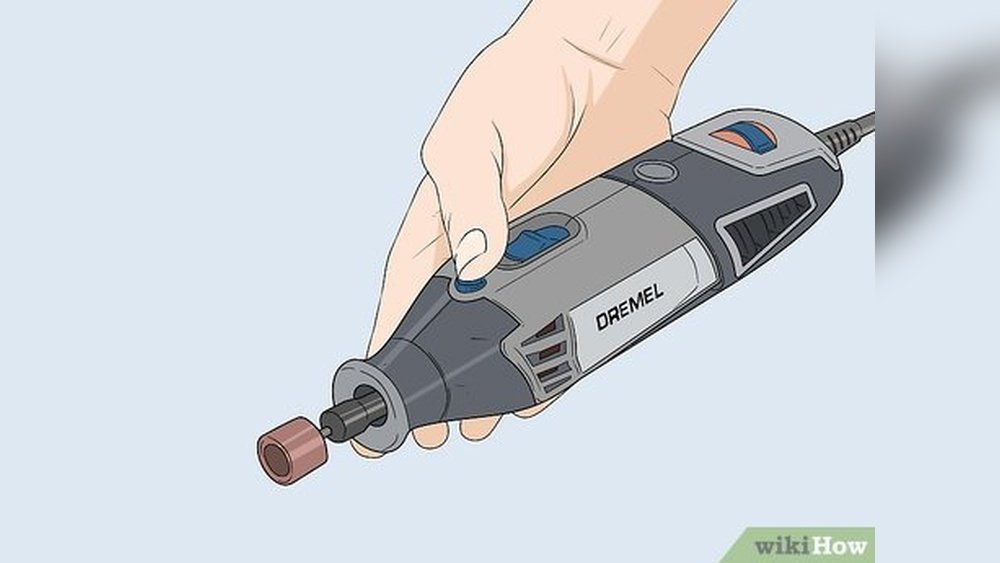
Changing a Dremel bit seems easy until you actually try it for the first time. I remember standing in my garage, Dremel in hand, sweating just a bit. I wasn’t sure if I would break something or hurt myself. But after doing it many times—sometimes right, sometimes wrong—I learned the best way to change a Dremel bit quickly and safely.
Let me walk you through everything you need to know, step by step, just like I wish someone had done for me.
Why Changing A Dremel Bit Matters
If you own a Dremel rotary tool, you already know it can do a lot: cutting, sanding, polishing, grinding, and more. But it can only do those things if you use the right bit. I’ve ruined projects because I used the wrong bit or didn’t change it out when I should have. The right bit not only makes the job easier, but it also keeps you safe and your tool working well.
Understanding Your Dremel
Before you get started, it helps to know a little about your Dremel. I’ve owned a few different models over the years. Some have a collet system; others use a keyless chuck. Here’s a quick way to see the difference:
| Feature | Collet System | Keyless Chuck |
|---|---|---|
| Bit Change Tool | Wrench needed | No tool needed |
| Bit Types | Standard Dremel bits | Wider variety, some non-Dremel bits |
| Speed of Change | Slower | Faster |
| Common Models | 3000, 4000 | Some 4300, newer |
If you’re not sure which system you have, just look at the tip. If there’s a nut that looks like it needs a wrench, that’s a collet. If you can twist it by hand, it’s a keyless chuck.
What You Need Before You Start
Let’s keep it simple. Here’s what I always have ready before I change a Dremel bit:
- My Dremel tool (unplugged or battery out)
- New bit I want to install
- Wrench (if using the collet system)
- Small brush or rag (for cleaning dust)
I learned the hard way—don’t skip the cleaning step. Grit and dust can make bits stick or damage your tool.
Safety First: My Top Tips
I want to be honest—once, I forgot to unplug my Dremel. The bit spun as I tried to change it and nearly cut my finger. Since then, I always:
- Unplug the Dremel or remove the battery.
- Wear safety glasses, just in case.
- Keep my hands dry and clean.
A lot of people skip safety steps, but trust me, it’s not worth the risk.
Step-by-step: How To Change A Dremel Bit (collet System)
Most Dremel tools use a collet system. Here’s how I do it, step by step:
1. Turn Off And Unplug
I always double-check that my Dremel is off and unplugged. If it’s cordless, I pull the battery out.
2. Press The Shaft Lock Button
There’s a little blue or black button near the tip. I press and hold this so the shaft can’t spin. This step is key. If you skip it, you’ll struggle to loosen the nut.
3. Loosen The Collet Nut
Using the Dremel wrench (it’s usually clipped to the cord or in the case), I turn the collet nut counterclockwise. Sometimes, it’s tight. If it won’t budge, I wiggle the bit a bit while holding the shaft lock.
4. Remove The Old Bit
I pull the old bit straight out. If it’s stuck, a gentle twist usually frees it. I clean out any dust with my brush or rag.
5. Insert The New Bit
I slide the new bit all the way in. I make sure at least half the shank is inside the collet for a good grip.
6. Tighten The Collet Nut
Still holding the shaft lock, I turn the nut clockwise with the wrench until snug. Not too tight, but firm.
7. Release Shaft Lock And Test
I let go of the shaft lock and spin the bit by hand to check it’s straight. If it wobbles, I try again.
My “beginner Mistake” Moment
The first time I tried, I didn’t push the bit in far enough. It shot out when I turned the Dremel on! Now, I always check that the bit is secure before starting.
How To Change A Dremel Bit (keyless Chuck)
If you’re lucky enough to have a keyless chuck, changing bits is even easier. Here’s how I do it:
- Unplug the Dremel or remove the battery.
- Hold the chuck with one hand and twist it counterclockwise to loosen.
- Pull out the old bit.
- Insert the new bit.
- Twist the chuck clockwise by hand until it’s snug.
You don’t need a wrench. This is great if you switch bits often.

Which System Is Better?
I get asked this a lot. Here’s a quick comparison from my own experience:
| System | Speed | Bit Compatibility | Durability |
|---|---|---|---|
| Collet | Slower | Standard bits only | Very sturdy |
| Keyless Chuck | Fast | Many bit types | Can loosen over time |
For heavy work, I like the collet system. For craft or light jobs, the keyless chuck is a time-saver.
Common Dremel Bit Types And When To Change Them
Over the years, I’ve used all sorts of bits. Here are some I change most often:
- Cutting wheels: When the edge is worn or it gets too small.
- Sanding drums: When the grit is smooth or clogged.
- Grinding stones: When they lose shape or glaze over.
- Polishing wheels: When they’re blackened or frayed.
If the bit isn’t working well, makes weird noises, or vibrates, I swap it out. Using a worn bit is frustrating and can ruin your project.
How Long Does A Bit Last?
This depends on what you’re doing. For example:
| Bit Type | Average Lifespan (with regular use) |
|---|---|
| Cutting Wheel | 10-30 minutes |
| Sanding Drum | 1-2 hours |
| Grinding Stone | 10+ hours |
| Polishing Wheel | 30-60 minutes |
If you push too hard or use the wrong speed, bits wear out faster. I learned to let the tool do the work—don’t force it.
Stuck Bit? Here’s What I Do
Sometimes, a bit just won’t come out. Here’s what’s worked for me:
- Add a drop of oil to the collet and wait a few minutes.
- Gently tap the tool with a wooden handle.
- Use pliers, but grip the bit—not the tool—to avoid damage.
Don’t force it. If it’s really stuck, I let the tool sit overnight with oil.
Cleaning And Maintenance Tips
I used to skip cleaning, but now I see how much longer my bits last when I take care of them. Here’s my simple routine:
- Wipe down the collet and nut with a dry cloth after every change.
- Use compressed air to blow out dust if you have it.
- Store bits in a case—never loose in a toolbox.
A dirty collet can make bits wobble or get stuck.
Real-world Example: My First Dremel Project
I’ll never forget my first project—engraving a wooden sign for my parents. I changed bits five times in one afternoon! At first, it was slow, but by the end, I could swap a bit in under a minute. The key was getting comfortable with the steps and not being afraid to make mistakes.
When To Replace The Collet Or Chuck
Collets and chucks wear out too. If your bit slips, the collet may be stretched or dirty. If you see cracks or can’t tighten it, it’s time for a new one. I’ve replaced mine every few years. New parts are cheap and easy to find.
Must-know Tips Most People Miss
Here are two things I wish I’d known sooner:
- Collets come in different sizes. If your bit won’t fit, check if you have the right collet. Dremel usually gives you a few sizes in the box.
- Don’t overtighten. I once used all my strength and cracked a collet nut. “Firm” is enough—don’t overdo it.
Using Specialty Bits
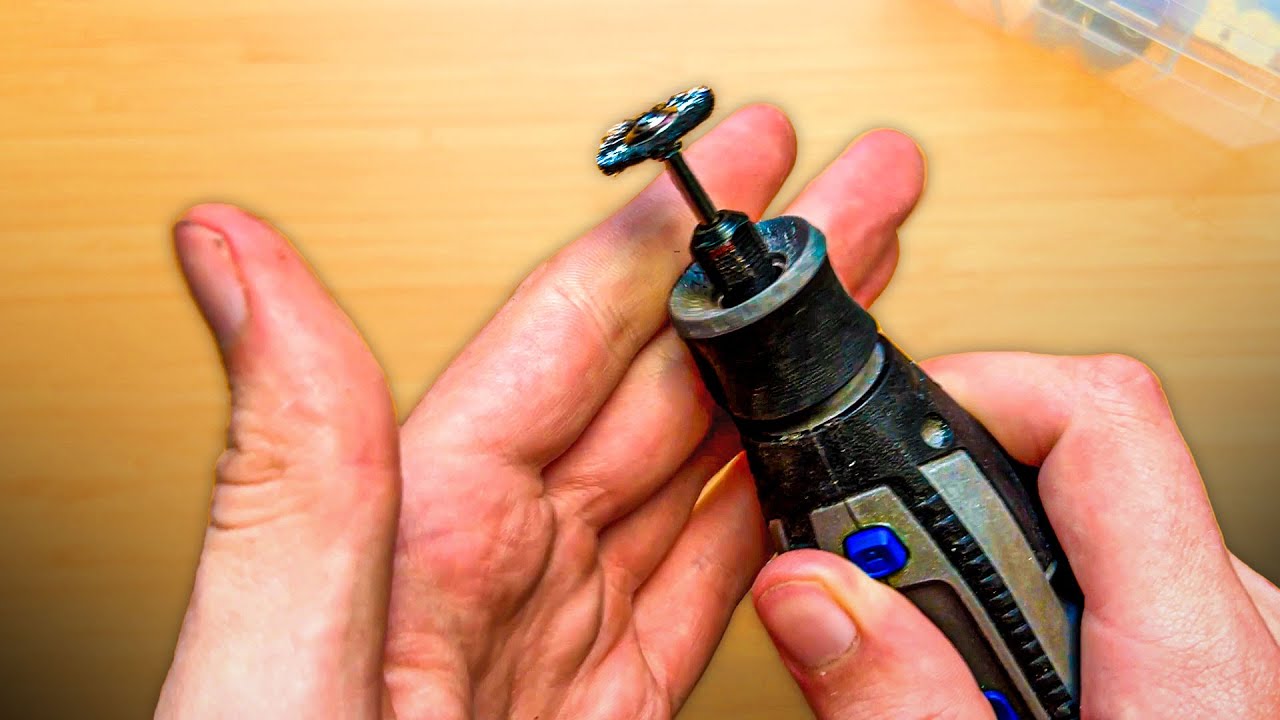
Some bits, like diamond or steel wheels, need extra care. I always check the package for instructions. Some need a special mandrel. If you’re not sure, look it up on the Dremel website or check the manual.
Troubleshooting: Common Problems
- Bit won’t tighten: Check for dirt in the collet or try a different collet size.
- Bit wobbles: Remove and reinsert, making sure it’s straight.
- Bit stuck: Add oil, wait, and gently work it loose.
If you run into a weird problem, the answer is usually in the manual or on the Dremel FAQ page.

Frequently Asked Questions
How Do I Know If My Dremel Has A Collet Or Keyless Chuck?
Check the tip of your tool. If there’s a nut you need to loosen with a wrench, it’s a collet system. If you can twist it by hand, it’s a keyless chuck.
What Should I Do If My Dremel Bit Is Stuck?
Add a drop of oil to the collet, wait a few minutes, then try again. Gently wiggle the bit or use pliers. Never force it—this can damage the tool.
Can I Use Other Brands Of Bits With My Dremel?
Yes, but make sure the shaft size matches your collet or chuck. Most Dremel tools use 1/8-inch shafts, but some are different. Always check before using.
How Tight Should I Make The Collet Nut Or Chuck?
Tighten until the bit feels snug and doesn’t move, but don’t use too much force. “Hand tight plus a little” is enough. Overtightening can break the collet.
How Often Should I Change My Dremel Bit?
Change your bit when you notice reduced performance, strange noises, or visible wear. For most jobs, this means swapping bits every project or two.
Changing a Dremel bit might feel tricky at first, but it gets easier. With practice, you’ll be able to swap bits in under a minute. Always stay safe, keep your tool clean, and don’t rush. You’ll get better results and enjoy your projects much more.
Happy crafting!
As an Amazon Associate, We earn from qualifying purchases