
Wrapping Teflon tape on threaded pipe sounds easy, but I learned it’s a skill that matters a lot in plumbing. When I first tried, I made mistakes—leaks, wasted tape, and even loose fittings. Over time, I found the right way to do it, and now I want to share everything I learned, step-by-step.
If you’ve ever wondered how to use Teflon tape correctly, or felt confused by mixed advice online, this article will clear things up. I’ll explain what Teflon tape is, why it’s important, how to apply it properly, and some practical tips you won’t find everywhere.
Whether you’re a DIY beginner or just want to avoid leaks, stick with me.
What Is Teflon Tape And Why Use It?
I used to think Teflon tape was just a thin white strip you wrap around pipes. It’s actually PTFE (Polytetrafluoroethylene) tape, made to seal threaded joints. Teflon tape fills the tiny gaps between threads, stopping water, air, or gas leaks. If you screw two pipes together without tape, you risk leaks because the threads aren’t airtight.
Using Teflon tape is common for:
- Plumbing pipes
- Gas lines
- Air compressor fittings
It’s cheap, easy to use, and can save you hours of fixing leaks later. The tape also makes it easier to unscrew joints in the future.
A big insight I learned: Not all Teflon tape is the same. There are different thicknesses and types. For example, gas-rated tape is yellow, not white. If you use regular white tape for gas pipes, it’s unsafe.
Types Of Teflon Tape
When I started, I grabbed the first roll I saw. But after reading and experimenting, I realized there are several types, each for a specific job.
| Type | Color | Use Case | Thickness |
|---|---|---|---|
| Standard PTFE Tape | White | Water pipes | 0.003″ (3 mil) |
| Heavy Duty PTFE Tape | White | High-pressure water | 0.004″ (4 mil) |
| Gas-rated PTFE Tape | Yellow | Gas lines | 0.004″ (4 mil) |
| Stainless Steel PTFE Tape | Gray | Metal pipes | 0.004″ (4 mil) |
For most home plumbing, I use white standard tape. For gas lines, I always use yellow. If you’re connecting stainless steel pipes, gray tape prevents seizing.
Another tip: Thicker tape works better for old or loose threads. Thin tape is fine for new, tight threads.
Tools And Materials Needed
You don’t need much for this job, but having the right tools makes things easier.
- Teflon tape (choose the right type)
- Clean cloth
- Pipe wrench (optional)
- Scissors (optional, for cutting tape)
That’s it. I sometimes use scissors, but you can tear Teflon tape by hand.
Preparing The Pipe
Before you start wrapping, make sure the threads are clean. Dirt, oil, or old tape will stop the new tape from sealing well.
Here’s what I do:
- Wipe the threads with a clean, dry cloth. Make sure there’s no grease or debris.
- Remove old tape if you see any. Scrape gently—don’t damage the threads.
- Check for damage. If threads are dented or rusted, fix them first.
This step is boring, but skipping it causes leaks. I learned the hard way—once, I wrapped tape on dirty threads, and water leaked out after a week.

How To Wrap Teflon Tape On Threaded Pipe
Now comes the main part. I’ll break down the steps, so you can follow along and avoid mistakes.
Step 1: Start At The Pipe End
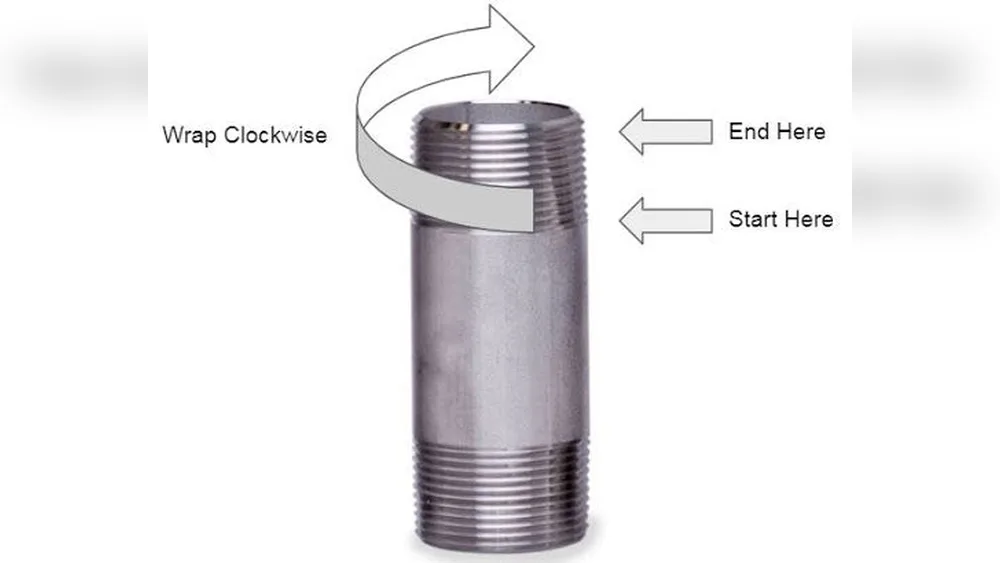
Hold the pipe in one hand. Place the end of the Teflon tape on the first thread, near the pipe tip. Leave a tiny bit hanging off the edge—about 1/8 inch. This helps the tape cover the first thread fully.
Step 2: Wrap Clockwise
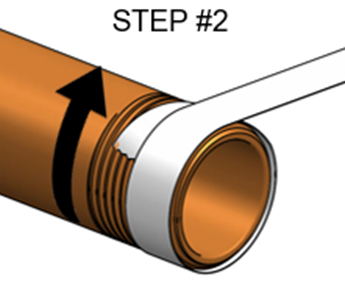
Always wrap clockwise—the same direction the pipe will screw into the fitting. If you wrap the other way, the tape can unravel when you screw the pipes together.
A big mistake I made early on was wrapping counterclockwise. The tape rolled off as I tightened the fitting, and leaks appeared.
Step 3: Stretch The Tape Slightly
As you wrap, pull the tape gently. It should lie flat and stick to the threads. Don’t pull too hard, or it might break. If you wrap too loose, the tape bunches up and doesn’t seal well.
Step 4: Overlap And Cover The Threads
Wrap the tape around the pipe, overlapping by half the width each time. Cover all threads, but don’t wrap over the pipe’s smooth part.
For most pipes, 2-4 wraps is enough. Thin tape needs more wraps; thick tape needs fewer. I usually do 3 wraps for regular water pipes.
Step 5: Tear Or Cut The Tape
After wrapping, tear the tape off or cut it. Press the loose end down so it sticks to the threads.
Step 6: Screw The Pipe In
Now, screw the pipe into the fitting. The tape compresses and fills gaps. Tighten it by hand first, then use a wrench if needed. Don’t over-tighten—you can strip the threads.
Common Mistakes And How To Avoid Them
I made plenty of mistakes before I got the hang of it. Here are the most common, and how to avoid them:
- Too much tape: If you wrap too many layers, the fitting won’t screw on easily, or tape will bunch up. Stick to 2-4 wraps.
- Too little tape: If you use only one wrap, leaks may happen.
- Wrong direction: Always wrap clockwise.
- Tape on non-threaded area: Keep tape only on threads. If you wrap over the smooth pipe, it can get into the system.
- Dirty threads: Clean pipes seal better.
- Wrong tape type: Use yellow for gas, gray for stainless steel.
One time, I used too much tape on a shower fitting. It was hard to screw in, and the tape tore inside, causing a small leak.
How Teflon Tape Compares To Pipe Dope
Some people use pipe dope instead of Teflon tape. I’ve tried both, and there are differences.
| Sealant Type | Ease of Use | Mess | Application | Durability |
|---|---|---|---|---|
| Teflon tape | Very easy | Clean | Wrap | Long-lasting |
| Pipe dope | Medium | Messy | Brush-on | Very durable |
I prefer Teflon tape for most jobs—it’s faster and cleaner. Pipe dope is better for bigger pipes or when tape doesn’t seal well.
Teflon Tape On Different Pipe Materials
Not all pipes are the same. Here’s what I learned about wrapping Teflon tape on different materials:
| Pipe Material | Teflon Tape Type | Wrap Tips |
|---|---|---|
| Brass | White | 2-3 wraps, easy to seal |
| Plastic (PVC) | White (thicker) | 3-4 wraps, don’t over-tighten |
| Stainless Steel | Gray | 2-3 wraps, prevents seizing |
| Iron | White or yellow | 3 wraps, check for rust |
For plastic pipes, I learned that over-tightening can crack the fitting. Use tape, but tighten gently.
Extra Tips For A Leak-free Seal
Here are some tips I wish I knew earlier:
- Don’t wrap tape too close to the pipe end. If tape hangs out, it can get inside the pipe and cause blockages.
- Check for leaks after assembly. Run water and watch for drips.
- If you see leaks, unscrew and re-wrap. Don’t try to patch leaks from outside.
- Store tape in a cool, dry place. Old tape gets brittle and doesn’t seal well.
- Practice on spare pipes. If you’re new, practice wrapping before real jobs.
One non-obvious insight: Teflon tape is not good for flare fittings. Flare fittings don’t have threads that need sealing. If you wrap tape there, you’ll cause leaks or damage.
When Not To Use Teflon Tape
I learned that Teflon tape is great, but not for every situation.
- Compression fittings: These don’t need tape, as the seal comes from the compression ring.
- Flare fittings: No tape needed.
- Plastic slip fittings: Tape is useless here.
If you wrap tape on these, you can cause leaks or damage the connection.

Safety Precautions
Plumbing seems safe, but always take care. Here’s what I do:
- Wear gloves if working with old, rusty pipes.
- Ventilate the area if working with gas lines.
- Use the right tape for gas pipes—never use white tape on gas lines.
If you’re not sure, ask a professional. Safety matters more than saving a few minutes.
Troubleshooting Leaks
Sometimes, leaks happen even after careful wrapping. Here’s how I fix them:
- Turn off water or gas before unscrewing anything.
- Unscrew the fitting and check for damaged threads or tape.
- Clean the threads and re-wrap tape, making sure it’s snug.
- Screw back in and test for leaks.
If leaks persist, the threads may be damaged or misaligned. In that case, I replace the fitting.
Frequently Asked Questions
How Many Wraps Of Teflon Tape Should I Use?
Most pipes need 2-4 wraps. Thin tape needs more wraps, thick tape needs fewer. For old, loose threads, add one extra wrap.
Can I Use Teflon Tape On Gas Lines?
Yes, but only yellow gas-rated tape. Never use white tape for gas lines—it’s not safe. Always follow local codes.
Should I Use Teflon Tape Or Pipe Dope?
Both work, but Teflon tape is easier and cleaner for small pipes. Pipe dope is better for large pipes or very rough threads. Sometimes, pros use both together.
What If I Wrapped Tape The Wrong Way?
If you wrapped counterclockwise, the tape will unravel when you screw in the fitting. Unscrew, remove old tape, and re-wrap clockwise.
Is Teflon Tape Waterproof?
Yes. Teflon tape creates a waterproof seal when applied correctly. It blocks leaks in water, air, and gas pipes.
If you want more details, you can check out Wikipedia’s page on PTFE tape.
Wrapping Teflon tape is simple, but doing it right means fewer leaks and less stress. I used to rush, but now I take a few extra seconds to wrap carefully. The result is a tight, leak-free seal every time. If you follow these steps, you’ll have pipes that last and joints that stay dry.
Remember, practice makes perfect. Happy plumbing!
As an Amazon Associate, We earn from qualifying purchases