
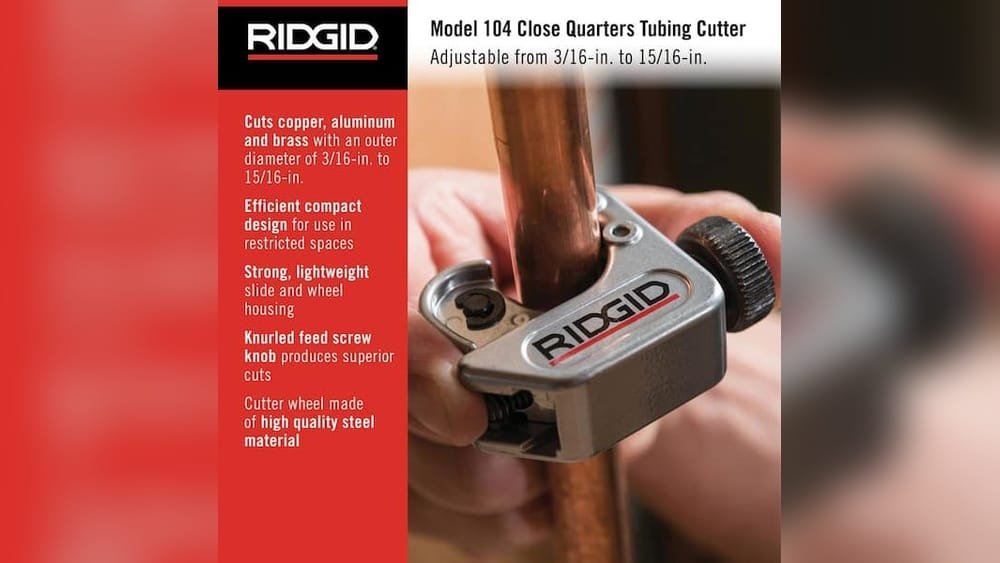
I remember the first time I used a Ridgid pipe cutter. I was helping a friend fix a leaky copper pipe in his kitchen. We had watched a few online tutorials, but nothing prepared us for the real job. The tool looked simple, but there were tricks to getting a clean cut. After that experience, I learned a lot about using the Ridgid pipe cutter. I’ve used it for home repairs, DIY projects, and even taught my nephew how to use it safely. Today, I want to share everything I know so you can use this tool with confidence.
What Is A Ridgid Pipe Cutter?
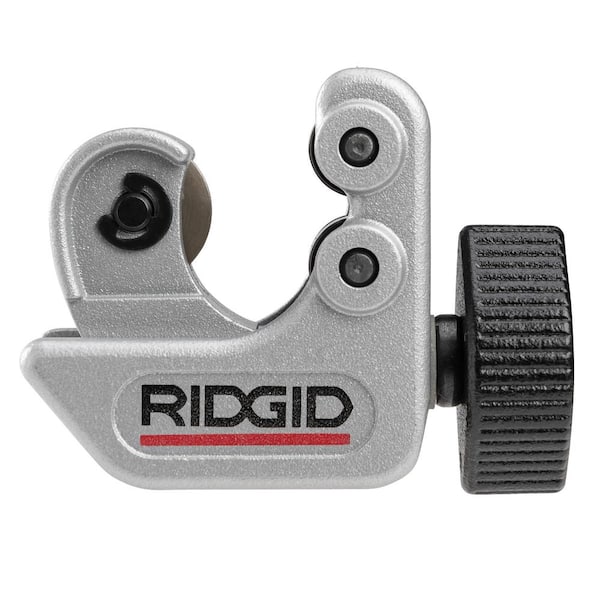
A Ridgid pipe cutter is a hand tool that helps you cut pipes quickly and cleanly. You usually use it for copper, steel, or PVC pipes. The tool has a sharp cutting wheel, adjustable jaws, and a handle. When you turn the handle, the jaws squeeze the pipe, and the wheel cuts through it. Unlike a hacksaw, it leaves a smooth edge and doesn’t create much mess.
Ridgid is a trusted brand. Many professionals use it because it’s durable and easy to use. If you want reliable cuts and less hassle, I recommend starting with this tool.
Why Use A Pipe Cutter Instead Of A Saw?
When I first tried cutting pipes, I used a hacksaw. The result? Uneven edges and lots of metal shavings everywhere. Sawing is noisy and tiring. With a Ridgid pipe cutter, you don’t have these problems. The cutter gives you a straight, clean cut. You don’t need to sand the edges much afterward. If you work inside, you won’t make a big mess.
Here’s a quick comparison I made from my experience:
| Method | Cut Quality | Effort | Mess |
|---|---|---|---|
| Ridgid Pipe Cutter | Smooth & Straight | Low | Minimal |
| Hacksaw | Jagged & Uneven | High | Lots of Debris |
Choosing The Right Ridgid Pipe Cutter
Before you start, you need the right tool for your pipe. Ridgid makes several models. I’ve used both the basic and advanced types. Let me break it down:
Pipe Material Matters
- Copper: Use a standard Ridgid tube cutter.
- Steel: Get a heavy-duty cutter.
- PVC: Use a cutter designed for plastic.
Pipe Size
Ridgid cutters come in different sizes. Some fit small pipes (like 1/4 inch), others work with bigger pipes (up to 2 inches). Always check your pipe diameter before buying.
Here’s a quick table to help:
| Pipe Material | Recommended Ridgid Cutter | Pipe Size Range |
|---|---|---|
| Copper | Ridgid 104/205 | 1/8” – 1 1/8” |
| Steel | Ridgid 42A/Heavy Duty | 1/2” – 2” |
| PVC | Ridgid Plastic Cutter | Up to 1 5/8” |
Special Features
Some cutters have a fold-out reamer. This helps smooth the inside edge after cutting. Others have a quick-release knob, which saves time. I recommend these if you plan to cut pipes often.
Step-by-step: How To Use A Ridgid Pipe Cutter
I’ll walk you through the process. These steps come from my own practice, so I’ll add tips that helped me avoid mistakes.
1. Prepare The Pipe
First, make sure the pipe is clean. Wipe off any dirt, grease, or paint. If the pipe is wet, dry it. Dirty pipes can damage the cutter wheel and make the cut uneven.
2. Mark Your Cutting Line
Use a pencil or marker to draw a line where you want to cut. I use a thin Sharpie for accuracy. Double-check your measurement. If you cut in the wrong place, you waste pipe and money.
3. Open The Cutter
Turn the knob to open the jaws. Place the pipe between the jaws and align the cutter wheel with your mark. Make sure the pipe sits flat in the jaws.
4. Tighten The Cutter
Turn the knob until the cutter wheel touches the pipe. Don’t overtighten. You want the wheel snug, not crushing the pipe.
5. Rotate The Cutter
Hold the pipe steady. Rotate the cutter around the pipe. After one full turn, tighten the knob a bit more. Repeat this process: turn, tighten, turn, tighten.
6. Finish The Cut
After several turns, the wheel will slice through the pipe. You’ll hear a slight “pop” as the pipe separates. Don’t rush. If you force the cutter, you can bend the pipe or break the wheel.
7. Deburr The Edge
The cut pipe will have a sharp inside edge. Use the reamer (often built into the Ridgid cutter) to smooth it. If you skip this step, you risk leaks or injury.
8. Clean Up
Wipe the pipe and your workspace. Put the cutter away. Check the cut for smoothness.

Safety Tips: What I Learned The Hard Way
I once cut a pipe too quickly and ended up with a bent tube. Another time, I didn’t deburr, and water leaked from the joint. Here are some tips I wish I knew earlier:
- Wear gloves to protect your hands from sharp edges.
- Safety goggles help if you work with steel or dirty pipes.
- Don’t force the cutter. Patience gives a cleaner cut.
- Always deburr after cutting. This prevents leaks and injuries.
- Keep the cutter wheel sharp. Replace it if it feels dull.
Common Mistakes And How To Avoid Them
Every tool has a learning curve. I’ve made plenty of mistakes. Let me share some so you can avoid them.
Cutting Too Fast
If you turn the cutter knob too quickly, the pipe can get crushed. Take your time. Tighten after each full turn, not before.
Misaligned Cuts
If you don’t line up the wheel with your mark, you get uneven cuts. Always double-check alignment before starting.
Skipping Deburring
This is a big one. Skipping deburring leads to rough edges, which can cause leaks or hurt your hands. Always use the reamer.
Using The Wrong Cutter
Not all Ridgid cutters work for every pipe. Using a copper cutter on steel can damage the tool. Choose the right model.
Practical Tips For Best Results
After using the Ridgid pipe cutter for years, I found some tricks that help.
- Lubricate the wheel: A drop of oil on the cutter wheel makes the job easier. The tool moves smoother, and the cut is cleaner.
- Support the pipe: If the pipe is long, support both ends. This stops wobbling and gives a straight cut.
- Check the wheel: Before each job, inspect the cutter wheel. Replace it if you see chips or wear.
- Use gentle pressure: Let the tool do the work. You only need mild pressure to cut most pipes.
- Practice on scrap: If you’re new, try cutting a scrap pipe first. This builds confidence.
Maintenance: Keeping Your Ridgid Pipe Cutter In Top Shape
A well-maintained cutter lasts for years. I learned this after my first cutter got rusty and stiff.
- Clean after each use: Wipe the tool with a dry cloth.
- Oil moving parts: A bit of machine oil stops rust and keeps the cutter smooth.
- Store in a dry place: Moisture causes rust. I keep mine in a toolbox.
- Replace cutter wheel: If cuts start to feel rough, change the wheel. Ridgid sells replacement wheels.
Advanced Use: Cutting Pipes In Tight Spaces
Sometimes, pipes are behind walls or inside cabinets. I’ve dealt with this many times. Ridgid makes mini cutters for tight spots. They work the same way but are smaller. I once used a Ridgid mini cutter inside a bathroom cabinet.
It fit perfectly and gave a clean cut.
If you need to cut in a tight space:
- Choose a mini cutter.
- Use short, gentle turns.
- Be patient. Tight spots take more time.
Comparing Ridgid Pipe Cutters With Other Brands
I tried other brands before sticking with Ridgid. Here’s what I noticed:
| Brand | Durability | Ease of Use | Cut Quality |
|---|---|---|---|
| Ridgid | High | Easy | Smooth |
| Generic | Medium | Average | Rough |
| Milwaukee | High | Easy | Smooth |
Ridgid cutters last longer and feel better in my hand. The cuts are more reliable, and the tool is less likely to slip. If you want quality, Ridgid is worth the price.
Non-obvious Insights You Should Know
Most beginners don’t realize two things:
- Pipe hardness affects cutting time. Steel pipes take much longer than copper or plastic. Don’t expect the same speed for every material.
- Cutter wheel angle matters. If the wheel isn’t square to the pipe, the cut will be crooked. Take a moment to check the alignment before you start.
These two points made a big difference in my results. I used to rush, but now I check both before each cut.
Real-life Example: Fixing A Leak
Last month, I helped my neighbor fix a leaky copper pipe. We used a Ridgid cutter. The job took less than ten minutes. We marked the pipe, cut it, deburred the edge, and replaced the joint. The water stopped leaking immediately.
This tool turned a big headache into a simple task.
If you want more detailed specs and professional guides, you can check Ridgid’s official site.

Frequently Asked Questions
How Do I Know Which Ridgid Pipe Cutter To Use?
Look at your pipe material and size. Ridgid makes cutters for copper, steel, and plastic. Check the size range on the tool. For most home jobs, the Ridgid 104 or 205 works well for copper pipes.
Can I Use A Ridgid Pipe Cutter On Pvc?
Yes, but only with the Ridgid plastic cutter. Metal pipe cutters won’t work well on PVC. The plastic cutter is designed for softer materials.
How Often Should I Replace The Cutter Wheel?
If you notice rough cuts or the wheel feels dull, replace it. For regular use, I change mine every six months. Ridgid sells spare wheels at hardware stores.
What Should I Do If My Pipe Cutter Gets Rusty?
Clean the tool with a wire brush. Apply machine oil to moving parts. Store in a dry place. If rust is severe, it may be time to buy a new cutter.
Is It Safe To Use A Ridgid Cutter Indoors?
Yes. The tool is quiet and doesn’t make much mess. Wear gloves and goggles for safety. Make sure your workspace is clean and dry.
Using a Ridgid pipe cutter changed how I approach plumbing tasks. It made repairs faster, cleaner, and safer. With the right tool and a bit of practice, you can handle pipe cutting like a pro. If you follow these steps and tips, you’ll avoid common mistakes and get great results every time.
As an Amazon Associate, We earn from qualifying purchases