
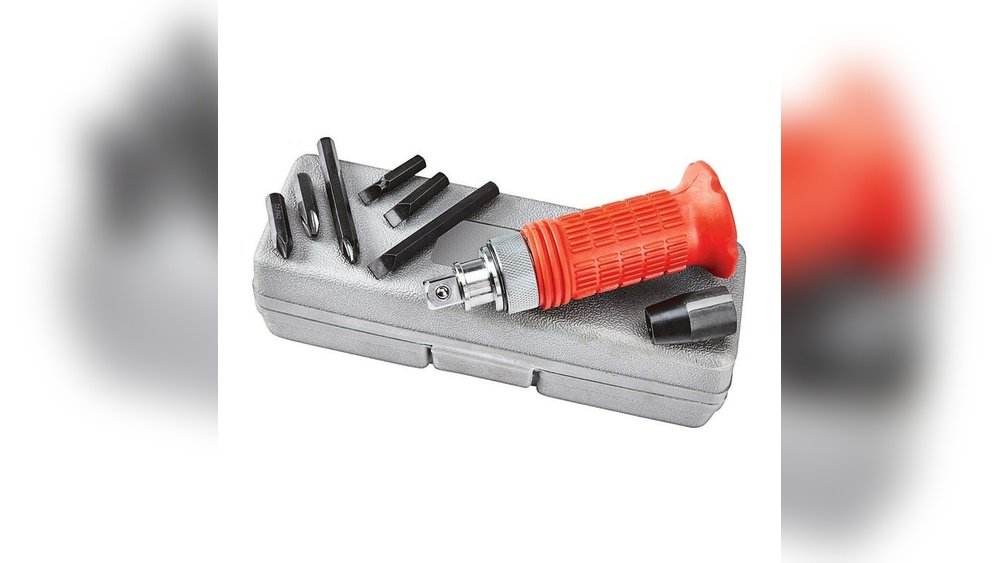
If you’ve ever wrestled with a stuck screw, you know the frustration. That was my story—until I learned how to use a Pittsburgh impact screwdriver. I wish someone had shown me earlier! This tool changed the way I work with rusted or frozen screws. If you’re curious or just bought your first one, I want to share what I’ve learned, step by step, in plain, easy English. By the end, you’ll know how to use this tool safely and confidently, just like I do.
What Is A Pittsburgh Impact Screwdriver?
The first time I held a Pittsburgh impact screwdriver in my hand, I was surprised. It looked like a heavy, solid tool with a thick handle and a metal shaft. This tool is special because it turns the force from a hammer hit into a twisting motion. That means when you hit the back with a hammer, it not only pushes but also spins the bit. The result? Even stubborn screws come loose.
People often use this tool for cars, motorcycles, and old machines. Rust, paint, or time can lock screws in place. A normal screwdriver might strip the head or slip, but an impact screwdriver gives the extra force needed to break that grip.
When Should You Use An Impact Screwdriver?
In my early days, I tried to remove frozen screws with just a regular screwdriver. Often, I ended up damaging the screw head. Now, I reach for my Pittsburgh impact screwdriver in these situations:
- The screw is rusty or painted over.
- The screw is very tight, and normal screwdrivers don’t work.
- The screw is in metal or hard materials.
- I want to avoid stripping the screw head.
If you’ve tried and failed with other tools, the impact screwdriver might be your next best step.

Parts Of A Pittsburgh Impact Screwdriver
Understanding the parts made a big difference for me. Here’s what you’ll find:
| Part | Function |
|---|---|
| Handle | Grip for your hand and absorbs shock. |
| Shaft/Body | Connects the handle to the bit holder. |
| Bit Holder | Holds screwdriver bits (Phillips, flat, etc.). |
| Direction Switch | Lets you choose tighten or loosen. |
| Bits | The tips that fit the screw heads. |
The first time, I missed the direction switch and ended up tightening the screw instead of loosening it! Always check the direction before starting.
How A Pittsburgh Impact Screwdriver Works
Let me explain how the magic happens. When you hit the back with a hammer, the tool’s inside mechanism turns the downward force into a twist. Think of it as a shock absorber that also spins. This quick twist helps break the screw free without damaging the head.
You don’t need to hit hard. A sharp, controlled tap is often enough. The design helps avoid slipping and reduces the risk of hurting yourself or the screw.

Step-by-step: How To Use A Pittsburgh Impact Screwdriver
When I first tried, I was nervous. What if I broke the screw? Over time, I learned a safe and simple process. Here’s what works for me:
1. Choose The Right Bit
Pick a bit that matches your screw head. If the bit is too small or too big, it can slip. I once damaged a screw because I used a worn bit. Now I always double-check.
2. Insert The Bit Into The Tool
Push the bit firmly into the bit holder. Make sure it clicks or locks in place.
3. Set The Direction
Most Pittsburgh impact screwdrivers have a switch or collar. Turn it to “loosen” if you want to remove a screw. I once made the mistake of leaving it on “tighten” and wondered why nothing happened.
4. Place The Bit On The Screw
Hold the tool so the bit sits straight in the screw head. Crooked placement can strip the screw. I use my other hand to steady the tool.
5. Hold The Tool Firmly
Use one hand to grip the handle and keep the shaft straight. The other hand holds the hammer.
6. Strike The End With A Hammer
Give a sharp, controlled hit to the end of the tool. You’ll feel the tool twist as you hit. Don’t swing too hard at first. Start light, then add force if needed.
7. Check The Screw
After one or two hits, try turning the screwdriver by hand. If the screw is still stuck, repeat the process.
8. Remove The Screw
Once the screw loosens, unscrew it fully by hand or with a regular screwdriver.
Here’s a quick comparison of the steps I use for different screw types:
| Screw Type | Bit Type | Direction | Tips |
|---|---|---|---|
| Phillips | Cross | Loosen | Use new bits for best grip |
| Flat | Flat | Loosen | Center the bit carefully |
| Torx | Star | Loosen | Check for exact fit |
Safety Tips I Learned The Hard Way
Safety matters. My first attempt was clumsy. I slipped and hit my hand with the hammer. Ouch! Here’s what I do now to stay safe:
- Wear safety glasses. Metal bits can chip.
- Keep your hand away from the end you hit.
- Place the work on a stable, solid surface.
- Use gloves if the screw area is oily or greasy.
- Start with light hammer taps.
One thing many people miss: always inspect the bit and tool before use. Cracked or worn bits can break under force.
Common Mistakes And How To Avoid Them
I’ve made a few mistakes and seen others do the same. Here’s what to watch for:
1. Using The Wrong Bit Size
If it’s loose, it will damage the screw.
2. Not Checking The Direction Switch
You could be tightening instead of loosening.
3. Hitting Too Hard At First
Start with less force. You can always increase.
4. Not Keeping The Tool Straight
Angled hits can slip and cause injury.
5. Forgetting To Wear Safety Gear
Always protect your eyes and hands.
How The Pittsburgh Impact Screwdriver Compares To Other Tools
I used to think a regular screwdriver or even a power drill could do the job. But for stuck screws, the impact screwdriver is different. Here’s how they stack up:
| Tool | Best For | Risk of Stripping | Manual Effort |
|---|---|---|---|
| Impact Screwdriver | Stuck/Rusted Screws | Low | Medium (Hammer Needed) |
| Regular Screwdriver | Loose Screws | High | High |
| Power Drill | New Screws | Medium | Low |
The impact screwdriver stands out because it combines force and twist. That’s something a power tool can’t always do without risk.

My Best Tips For Beginners
I’ve taught friends how to use this tool, and these tips always help:
- Practice on old screws first. Get a feel before working on important jobs.
- Keep the bits clean and sharp. Dirt or wear reduces grip.
- Don’t rush. Take time to set the tool straight.
- Store the tool in a dry place to avoid rust.
- If the screw doesn’t budge, try a little spray oil and wait a few minutes.
A hidden trick: Sometimes, tapping the screw head lightly with a hammer before using the tool helps break rust bonds.
Maintenance: How I Keep My Impact Screwdriver Working
My screwdriver has lasted years because I take a few minutes to care for it:
- Wipe it clean after each use, especially the bits.
- Check for rust or damage and apply a little oil if needed.
- Store bits in the case to avoid losing them.
- Don’t use the tool for jobs it’s not made for, like chiseling.
If you ever lose a bit, replacements are easy to find at hardware stores.
When Not To Use An Impact Screwdriver
Even though I love this tool, sometimes it’s not the right choice. I avoid it in these cases:
- Very small or delicate screws (electronics, glasses).
- Plastic parts that could crack from force.
- When the screw is already loose enough for a hand tool.
Knowing when not to use the tool is just as important as knowing how to use it.
Where To Buy And What To Look For
I got mine at a local hardware store, but you can also find Pittsburgh impact screwdrivers online. When buying, check for:
- A heavy-duty steel body.
- A good set of bits (Phillips, flat, Torx).
- A secure direction switch.
- A comfortable, non-slip handle.
Don’t just buy the cheapest. A better tool lasts years and is safer to use. For more on tool history and types, I found the article at Wikipedia helpful.
Frequently Asked Questions
How Much Force Should I Use With An Impact Screwdriver?
Start with light hammer hits. You don’t need to swing hard. The tool’s design turns even small hits into powerful twisting force. If the screw doesn’t loosen after a few taps, increase your force slowly.
Can I Use Regular Screwdriver Bits With A Pittsburgh Impact Screwdriver?
Yes, but only if they fit snugly and are made for impact use. Weak or worn bits can break or damage the screw. I always use the bits that came with my tool or buy replacements labeled for impact use.
What Size Screws Can I Remove With An Impact Screwdriver?
Most Pittsburgh impact screwdrivers work on medium to large screws. They’re great for cars, motorcycles, door hinges, and machines. Avoid tiny screws—they might break.
Is A Pittsburgh Impact Screwdriver Safe For Beginners?
Absolutely. With simple safety steps—glasses, gloves, steady hands—it’s a safe tool. Practice a few times to build confidence before working on important projects.
Can I Use An Impact Screwdriver To Tighten Screws?
Yes! Just set the direction switch to “tighten. ” It’s useful for making sure large screws are extra secure. But be careful not to overtighten, especially on fragile materials.
I hope my experience helps you get the most from your Pittsburgh impact screwdriver. It’s a tool I trust, and with practice, you’ll soon feel the same. Don’t get discouraged if it feels awkward at first—confidence comes with a few good results. Good luck, and happy fixing!
As an Amazon Associate, We earn from qualifying purchases