
What Does A Phillips Screwdriver Look Like
When I first started fixing things around the house, I got confused by all the different screwdrivers. There were flat ones, big ones, tiny ones, and a bunch with funny-shaped tips. I remember holding a Phillips screwdriver for the first time and thinking, “Why does this look like a plus sign?
” If you’ve ever wondered what a Phillips screwdriver really looks like, or maybe you grabbed the wrong one for a project, you’re not alone. I want to share exactly what I’ve learned from hands-on experience—so you’ll never have to guess again.
The Unique Shape Of A Phillips Screwdriver
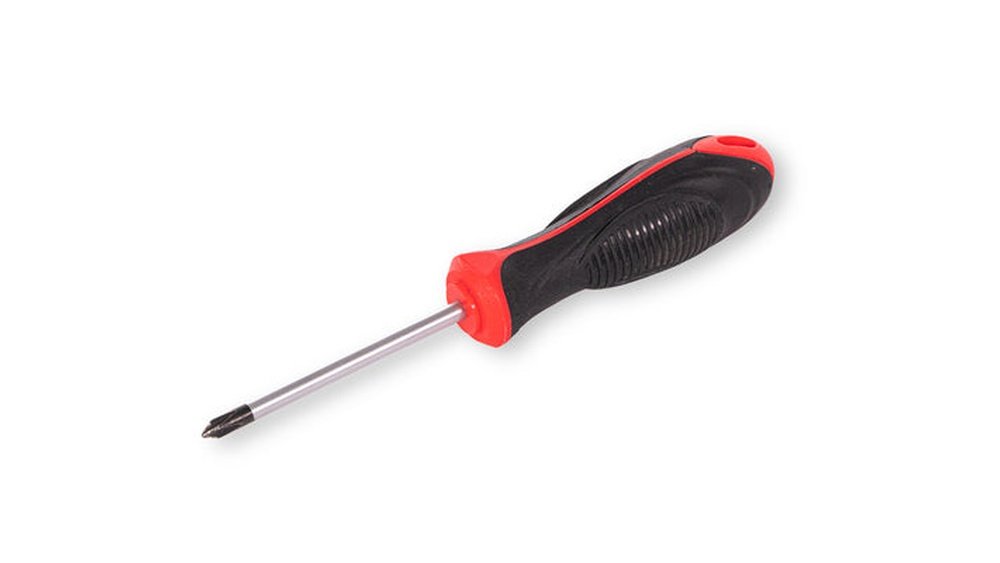
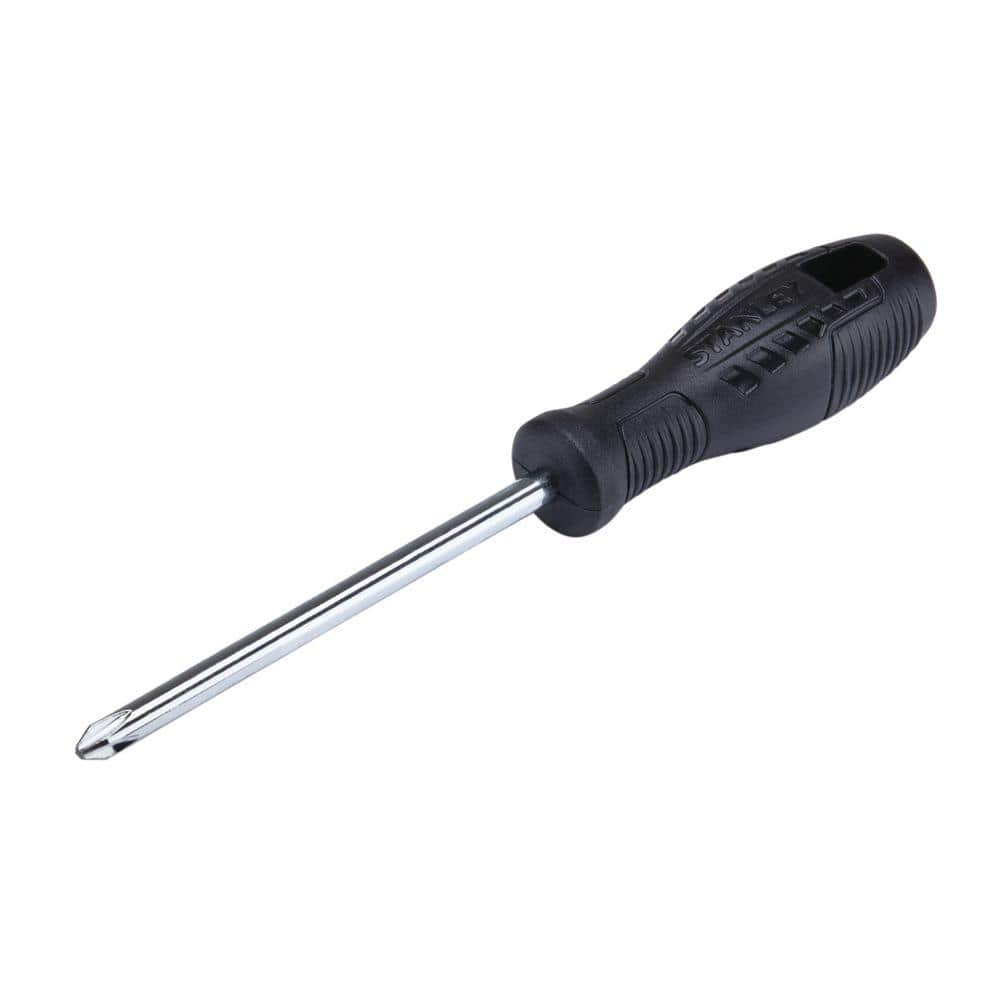
Let’s start with the tip. The first thing you’ll notice about a Phillips screwdriver is the cross-shaped tip. It’s not flat and it’s not a star—it’s a plus sign, just like the one on your keyboard. If you look straight at the tip, you’ll see four blades that meet in the middle. Each blade is at a right angle to the next, forming a perfect cross.
What I found most interesting is that the tip isn’t pointy. Instead, it’s a bit rounded and the blades are tapered. This means the tip gets wider as it goes up toward the handle. This design helps the screwdriver fit neatly into the matching cross slot on a Phillips screw.
When you push down and turn, the fit helps stop the tool from slipping out. That’s a big plus (pun intended) when you’re working on something delicate, like a laptop or a light switch.
How Phillips Differs From Other Screwdrivers
At first, I thought all screwdrivers were basically the same. But when you put a Phillips next to a flathead, the difference is obvious. Here’s a comparison that helped me finally “get it”:
| Feature | Phillips Screwdriver | Flathead Screwdriver |
|---|---|---|
| Tip Shape | Cross (plus sign) | Straight, flat |
| Best for | Phillips screws (cross slots) | Slotted screws (single groove) |
| Slipping | Less likely | More likely |
| Common Uses | Electronics, appliances, furniture | Older furniture, electrical work |
From my own repairs, I’ve learned that using the wrong type of screwdriver can ruin the screw and your tool. If you try a flathead on a Phillips screw, it just slips and chews up the edges. That’s why knowing what a Phillips looks like matters so much.

Key Features Of A Phillips Screwdriver
When you pick up a Phillips screwdriver, there are a few things that always stand out:
- Cross-shaped tip – The “plus” shape is easy to spot.
- Rounded, tapered blades – Not sharp, but slightly rounded for a secure fit.
- Thin shaft – Most Phillips screwdrivers have a slim shaft, so you can reach into tight spaces.
- Comfortable handle – Handles come in all shapes and sizes, but most have a thick grip. This gives you more power without hurting your hand.
- Size numbers – You might see numbers like #0, #1, #2, or #3 on the handle or shaft. These tell you the size of the tip (I’ll explain these in a bit).
I remember the first time I saw a tiny Phillips screwdriver in an eyeglasses repair kit. It was so small it looked like a toy, but the tip still had that perfect cross. Even on big screwdrivers for heavy-duty work, the tip looks almost the same—just bigger and stronger.
The Most Common Phillips Screwdriver Sizes
You’ll often hear people talk about “number two Phillips” or “number one Phillips.” This used to confuse me, but it’s actually simple. The number tells you the size of the tip. Here’s a handy chart I made for myself after stripping a screw (don’t make my mistake!):
| Size Number | Tip Width (mm) | Best For |
|---|---|---|
| #0 | 2.5 mm | Small electronics, eyeglasses |
| #1 | 3.0 mm | Light fixtures, small appliances |
| #2 | 4.0 mm | Home repairs, furniture assembly |
| #3 | 5.0 mm | Large appliances, heavy woodwork |
Most of the time, I use a #2 Phillips. It fits the screws in door hinges, wall plates, and kitchen cabinets. When I fix my sunglasses, I use a #0. If the screwdriver doesn’t fit the screw well, I try the next size up or down. That simple step has saved me a lot of frustration.
Materials And Build Quality
Not all Phillips screwdrivers are created equal. The first set I bought was cheap. The tips wore down fast, and the handle cracked after a few months. Now, I look for these things:
- Hardened steel tips – These last longer and won’t get chewed up by tough screws.
- Magnetized tips – These help hold the screw in place, especially in tight spots.
- Ergonomic handles – A soft grip is much easier on your hand if you’re working for a while.
- Chrome or black oxide finish – This protects the metal from rust.
A good Phillips screwdriver feels sturdy in your hand, and the tip stays sharp after many uses. If you’re shopping for tools, don’t go for the cheapest. Even spending a few extra dollars can make your life easier.
When To Use A Phillips Screwdriver
The first time I built a flat-pack bookshelf, I realized how often Phillips screws are used. Here are some of the most common places I use my Phillips screwdrivers:
- Assembling furniture – Almost every screw in new furniture has a cross slot.
- Fixing electronics – Laptops, phones, and game controllers use tiny Phillips screws.
- Home repairs – Door hinges, outlet covers, light switch plates.
- Automotive work – Some car parts and battery covers.
- Toys and gadgets – Anything with a battery compartment.
One important thing I learned: If a screw has a cross-shaped slot, don’t force a Phillips screwdriver if it doesn’t fit perfectly. Sometimes, it’s a special type (like Pozidriv), which looks almost the same but is just a bit different.
Mistakes I Made (so You Don’t Have To)
I’ve stripped more than a few screws in my day. Here are some mistakes I made with Phillips screwdrivers:
- Using the wrong size – Too small and the tip spins; too big and it won’t fit.
- Not pressing down – Without pressure, the tip jumps out and ruins the screw.
- Wrong screwdriver type – I once used a Pozidriv by mistake. It almost fit, but it damaged the screw head.
- Cheap tools – My first screwdriver bent after removing a stubborn screw.
If you want your Phillips screwdriver to last, always match the size to the screw and use good quality tools. A magnetized tip also saves you from dropping screws in hard-to-reach spots (like inside a computer case).
How To Spot A Phillips Screwdriver Fast
After a while, you’ll be able to grab a Phillips screwdriver by sight or touch. Here’s my trick:
- Look at the tip. If it’s a clear cross or plus sign, it’s Phillips.
- Check for size markings. Most Phillips screwdrivers have a “#” and a number.
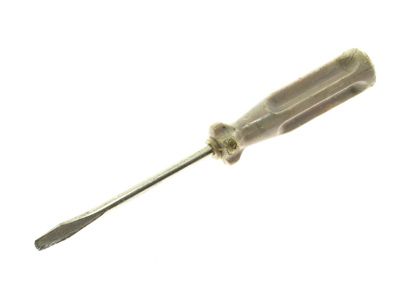
- Compare with a flathead. If you’re unsure, put them side by side. The Phillips tip is always symmetrical, but the flathead is just a single line.
I keep my Phillips screwdrivers in a separate section in my toolbox. That way, I’m not hunting around when I need the right tool.
Phillips Vs. Other Specialty Screwdrivers
Sometimes people ask me, “Is a Phillips screwdriver the same as a Pozidriv or a JIS? ” The answer is no, but they do look similar. I learned this the hard way when a Japanese screwdriver wouldn’t fit a Phillips screw right.
Here’s a quick comparison for clarity:
| Type | Tip Appearance | Common Use |
|---|---|---|
| Phillips | Cross-shaped, slightly rounded | General household, electronics |
| Pozidriv | Cross with extra lines between arms | European screws, IKEA furniture |
| JIS (Japanese Industrial Standard) | Cross, less rounded | Japanese cars, electronics |
| Torx | Six-pointed star | Automotive, computers |
If you want to see the official explanation and detailed images, check the Wikipedia screw drive types page.
Why The Phillips Design Matters
The Phillips screwdriver wasn’t invented by accident. Its shape helps guide the tool into the screw and allows a certain amount of “cam-out. ” That means, if you turn too hard, the screwdriver will slip before you break the screw or tool.
This was super useful in factories, where workers used power tools and needed to avoid overtightening.
In my own work, I’ve found that the Phillips design helps me avoid stripping screws—if I use the right size and keep the tool straight.
Non-obvious Insights I’ve Learned
After years of using Phillips screwdrivers, here are two tips most beginners miss:
- Check for wear on the tip – Even good screwdrivers wear down. If the cross is starting to look rounded or shiny, replace it. A worn tip slips and damages screws.
- Clean the screw head before using – If the screw slot is full of paint, dirt, or rust, the screwdriver won’t grip. I use a toothpick or a small brush to clear it out first.
These simple steps make your tools last longer and save you a lot of frustration.
Frequently Asked Questions
What Is The Main Difference Between A Phillips And A Flathead Screwdriver?
A Phillips screwdriver has a cross-shaped tip that fits into matching cross slots. A flathead has a straight, flat tip for single-groove screws. Phillips screwdrivers are much less likely to slip out during use.
How Do I Know Which Phillips Screwdriver Size To Use?
Check the size of the screw slot. Use a #0 or #1 for small screws in electronics, a #2 for most household screws, and a #3 for large screws. The screwdriver should fit snugly without wiggling.
Can I Use A Phillips Screwdriver For Pozidriv Screws?
It’s not a good idea. Pozidriv screws look similar but have extra lines. A Phillips screwdriver can damage the slot and slip out. Always use the correct driver for each screw type.
Why Does My Phillips Screwdriver Slip Out Of The Screw?
This usually means you’re using the wrong size, the tip is worn out, or the screw slot is damaged. Press down firmly and keep the screwdriver straight to avoid slipping.
Are Phillips Screwdrivers Magnetic?
Some are, but not all. Magnetized tips are helpful for holding screws in tight spots, but you can also buy a magnetizer to make your screwdriver magnetic if you need to.
If you ever wondered what makes a Phillips screwdriver special, I hope my experiences have cleared it up for you. With the right tool and a little know-how, you’ll be ready for any screw that comes your way. Happy fixing!
As an Amazon Associate, We earn from qualifying purchases