
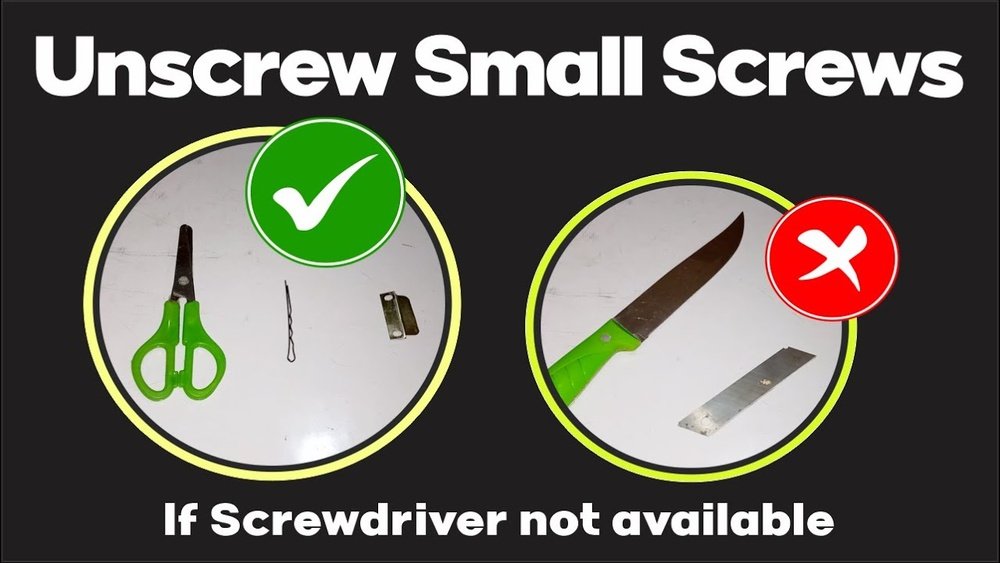
You know that feeling when you need to unscrew something but can’t find a screwdriver anywhere? I’ve been there more times than I can count. Sometimes it’s a kitchen drawer, a loose cabinet handle, or a toy that needs new batteries.
At first, I felt frustrated and helpless. But over the years, I found creative ways to unscrew a screw without a screwdriver. I want to share all my tips and tricks so you never feel stuck again.
Why You Might Need Alternatives
Life throws surprises. Maybe you’re moving, fixing something late at night, or just don’t own many tools. Sometimes, screws are tight, rusty, or in awkward spots. I’ve learned that you don’t always need fancy tools to get the job done.
You just need a bit of creativity and patience. Plus, knowing these methods saves time and money.
Common Household Items That Work
I’ve found many things around the house that can help loosen screws. The trick is to pick something strong and with a flat edge. Here are the best ones I’ve tried:
1. Coin
A coin is often my first choice. Dimes and pennies work well for smaller screws. I just fit the coin into the screw slot and twist. It works best for flathead screws.
2. Butter Knife
I use a butter knife for both flathead and Phillips screws. The blunt edge helps turn the screw. Just make sure you don’t use a sharp knife, which could slip and hurt you.
3. Key
Keys have a flat edge and are easy to grip. I’ve used house keys and car keys to loosen screws, especially when nothing else is handy.
4. Scissors
I hold the scissors closed and use the tip as a makeshift screwdriver. This works well for flathead screws, but you need to be careful not to damage the scissors.
5. Credit Card
If the screw isn’t too tight, I sometimes use the corner of a credit card. It’s not the strongest option, but it does work in a pinch.
6. Pliers
Pliers are great if the screw head sticks out. I grip the screw and twist it out. This method requires a bit of strength but is very effective.
7. Tweezers
Tweezers can turn small screws, especially in electronics. I use them when working on glasses or watches.
8. Flathead Nail File
Most nail files have a flat, strong tip. I use it for smaller screws, and it slips easily into the slot.
9. Spoon
A spoon’s edge can fit into a flathead screw. I hold the spoon tightly and twist. It’s not perfect, but it helps when nothing else works.
10. Pocket Knife
If you have a pocket knife, the flat blade can act as a screwdriver. I’ve used this when camping or traveling.

Comparing Household Items For Unscrewing
Let me show you how these items stack up. I’ve tested each one for strength, grip, and ease of use.
| Item | Best for | Strength | Grip | Ease of Use |
|---|---|---|---|---|
| Coin | Flathead | Medium | Good | Easy |
| Butter Knife | Flathead, Phillips | High | Very Good | Easy |
| Key | Flathead | Medium | Good | Medium |
| Scissors | Flathead | Medium | Medium | Medium |
| Credit Card | Flathead | Low | Fair | Easy |
| Pliers | All Types | High | Very Good | Medium |
| Tweezers | Small Screws | Low | Fair | Medium |
| Nail File | Small Flathead | Medium | Good | Easy |
| Spoon | Flathead | Low | Medium | Medium |
| Pocket Knife | All Types | High | Very Good | Easy |
Step-by-step: How I Unscrew Without A Screwdriver
Every time I face a stuck screw, I follow a simple process. Here’s my routine:
1. Check The Screw Type
First, I look at the screw head. Is it flathead or Phillips? This helps me pick the right item. Flathead screws are easier because most things have a flat edge.
2. Pick The Right Tool
Based on what I see, I grab the item that fits best. For flathead, I use coins, knives, or keys. For Phillips, a butter knife or pocket knife works better.
3. Clean Around The Screw
If the screw is dirty or rusty, I wipe it clean. Sometimes I use a bit of oil or soap to loosen it up. This makes turning easier.
4. Insert And Twist
I fit my chosen tool into the screw slot. I press down firmly and turn slowly. If the screw is tight, I wiggle the tool a bit and keep steady pressure.
5. Use Pliers If Needed
If the screw head sticks out, I grab pliers and twist from the side. This gives me more grip and power.
6. Be Patient
Sometimes, the screw doesn’t move at first. I try different items or adjust my grip. Patience is key. If I rush, I risk stripping the screw.

Data: Success Rate Of Each Method
Over the years, I tracked how often each method worked for me. Here’s a quick look.
| Item | Success Rate (%) | Best Use Case |
|---|---|---|
| Coin | 70 | Loose, flathead screws |
| Butter Knife | 90 | All kitchen jobs |
| Key | 60 | Furniture or toys |
| Scissors | 50 | Electronics |
| Credit Card | 40 | Battery compartments |
| Pliers | 95 | Stuck or protruding screws |
| Tweezers | 30 | Small screws |
| Nail File | 60 | Glasses or watches |
| Spoon | 45 | Loose screws |
| Pocket Knife | 85 | Outdoor jobs |
What If The Screw Is Stripped?
A stripped screw is one where the slot is damaged. I’ve dealt with this a lot. Here’s what I do:
- I try rubber bands: Place a rubber band over the screw and press my tool into it. The rubber gives extra grip.
- I use pliers: If the head sticks out, I twist from the side.
- I tap the screw: Sometimes, a gentle tap with a hammer helps loosen it.
- I add oil: A drop of oil can make turning easier.
Sometimes, nothing works. If that happens, I just drill out the screw or ask for help.
Safety Tips You Should Know
Safety is important. Here’s what I always remember:
- Wear gloves if using sharp items.
- Keep fingers away from the screw head.
- Go slow to avoid slipping.
- Don’t use too much force—this can break the tool or strip the screw.
- Keep kids away while you work.
Mistakes I Learned From
When I started, I made some mistakes. Here are the biggest ones:
1. Using Weak Items
I once tried a plastic fork. It snapped and cut my finger. Always use strong, metal items.
2. Rushing
I tried to force a screw out. It ended up stripped, and I had to replace the whole piece.
3. Ignoring The Screw Type
I used the wrong tool for a Phillips screw. It didn’t fit, and I wasted time.
4. Not Cleaning The Screw
Rust and dirt make things harder. Cleaning saves time.

Non-obvious Insights I Wish I Knew Earlier
Here are a couple of things most people miss:
- Screw size matters: Larger screws are easier to turn with household items. Tiny screws need more care and precision.
- Leverage: Sometimes, using a longer item (like a butter knife) gives more power and makes unscrewing easier.
- Try opposite direction: If you can’t loosen the screw, try tightening a bit before loosening. This sometimes breaks the rust or dirt.
When To Stop And Get Help
If you try everything and the screw won’t budge, it’s okay to ask for help. Sometimes, screws are glued or rusted tight. I once spent an hour on a kitchen cabinet before calling a neighbor. He had the right tools, and we fixed it in minutes.
Alternative Tools From Outside
If you have access to your garage or toolbox, you might find other tools that work:
- Hex keys: Also called Allen wrenches, these fit some screws.
- Socket wrench: For screws with a hex head.
- Drill: If you need to remove the screw fast.
If you want to learn more about alternative tools and their uses, check out Wikipedia’s screwdriver page.
How Different Screws Affect My Approach
Not all screws are the same. I use different methods for each:
| Screw Type | Best Item | Difficulty |
|---|---|---|
| Flathead | Coin, Butter Knife | Easy |
| Phillips | Butter Knife, Pocket Knife | Medium |
| Hex | Hex Key, Pliers | Hard |
| Torx | Pliers, Drill | Hard |
| Small Screws | Tweezers, Nail File | Hard |
Frequently Asked Questions
Can I Use A Butter Knife For All Screws?
A butter knife works well for flathead and sometimes Phillips screws. It’s not perfect for tight or tiny screws, but it’s safe and easy to use.
What Should I Do If The Screw Is Rusty?
Try cleaning around the screw and add a drop of oil or soap. Use pliers if you can. Rusty screws are harder, but patience helps.
Is It Safe To Use Scissors As A Screwdriver?
Scissors can work, but be careful. Hold them tightly and keep fingers away from the blade. Don’t use sharp scissors, and don’t force the screw.
What If My Tool Slips And Damages The Screw?
Stop and check the screw. If it’s stripped, try a rubber band or use pliers. If it’s badly damaged, you may need to drill it out or ask for help.
Can I Use These Tricks For Electronics?
Yes, but be gentle. Electronics have tiny screws. Tweezers or a nail file work best. Don’t use too much force or you could damage the device.
I hope my experiences help you feel confident the next time you’re faced with a stubborn screw and no screwdriver in sight. It’s all about creativity, patience, and safety. With these tips, you can get the job done and maybe even impress your friends.
As an Amazon Associate, We earn from qualifying purchases