
If you’ve ever been stuck with a flat tire or needed to inflate a ball in the middle of a field, you know how handy a portable air compressor can be. I remember the first time I used one. I was in the middle of nowhere, my car tire was flat, and I had no idea what to do.
That little device saved me hours of waiting for help. Over the years, I’ve used portable air compressors for all kinds of things—car tires, bike tires, air mattresses, and even blowing dust off my workbench. I want to share everything I’ve learned, from the basics to some tips that you won’t find in most manuals.
What Is A Portable Air Compressor?
A portable air compressor is a small, lightweight machine that pumps air into things like tires, balls, or inflatable toys. You plug it in (some use your car’s cigarette lighter, others a regular power outlet, and some use batteries), connect a hose to the thing you want to inflate, and let it do the work. It’s much smaller than the big compressors you see in workshops. I can toss mine in the trunk or carry it to the backyard with one hand.
The main reason I bought my first portable compressor was for emergencies. Later, I found it’s great for everyday stuff—especially when you don’t want to drive to a gas station just for air.
Types Of Portable Air Compressors
When I started looking for a compressor, I was surprised by how many types there were. Here are the main ones I’ve used or seen friends use:
| Type | Main Power Source | Best For |
|---|---|---|
| 12V DC (Car) | Car cigarette lighter | Car tires, emergencies |
| 120V AC (Home) | Wall plug | Home use, inflating sports gear |
| Battery-Powered | Rechargeable battery | Bikes, quick jobs, portability |
Some compressors also come with extra features like built-in lights, digital displays, or automatic shut-off. I always suggest picking one that fits your main use. If you’re mostly inflating car tires, a 12V model is great. If you want something for the house, go for the plug-in type.

Essential Parts And Accessories
Before using a portable air compressor, it’s good to know the main parts. This helped me avoid confusion the first time.
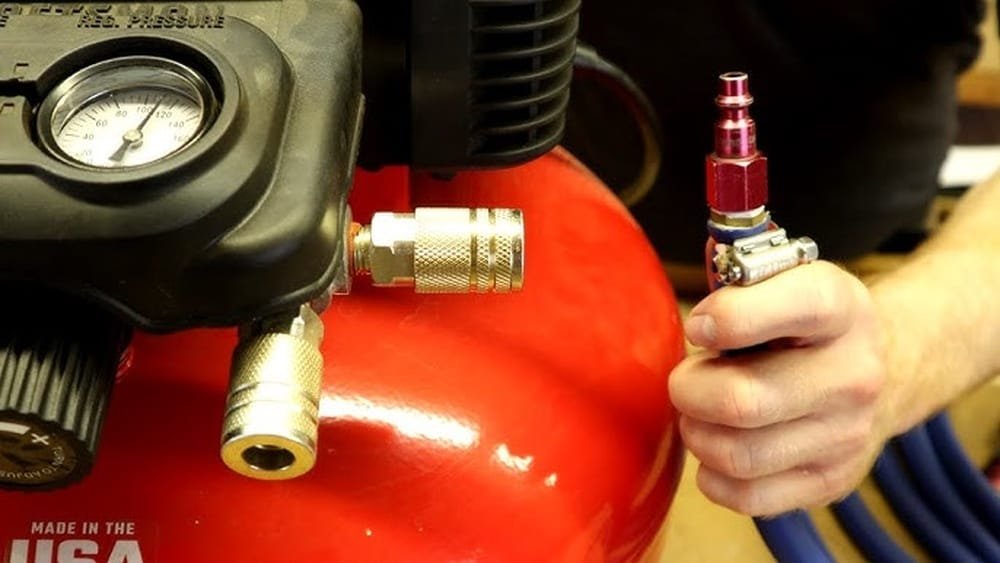
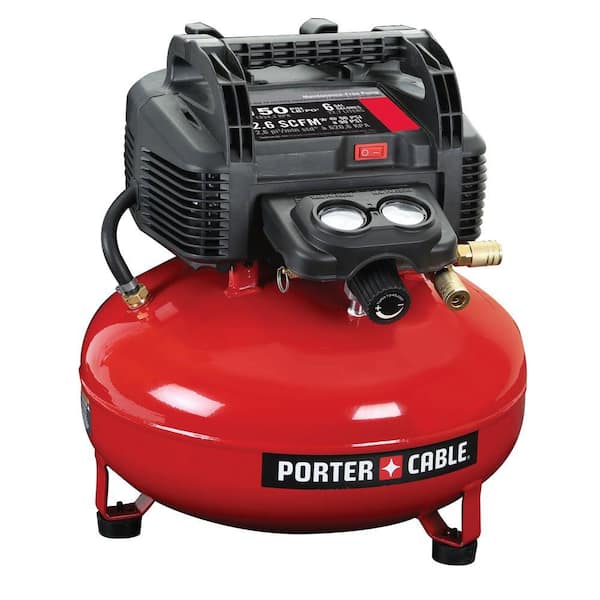
- Compressor body: The main unit with the motor inside.
- Power cord: For plugging in (either to a wall or car).
- Air hose: Carries air from the compressor to the object.
- Nozzle/adapters: Different shapes for car tires, bikes, or balls.
- Pressure gauge: Shows how much air you’re adding.
- On/Off button or switch: Starts and stops the compressor.
- Carrying case: Handy for storage and travel.
Some models include extra adapters for inflating things like air mattresses or pool toys. I keep these in a small bag so I don’t lose them.
How To Use A Portable Air Compressor: Step-by-step
I’ll walk you through the process I use every time I inflate a tire or anything else. It’s simple once you know the steps.
1. Safety First
Before I do anything, I check my surroundings. If I’m by the road, I make sure I’m in a safe spot. I turn on my hazard lights if I’m inflating a car tire. For indoor use, I make sure the area is dry and the cord won’t trip anyone.
2. Gather Everything You Need
I always make sure I have:
- The air compressor
- The right nozzle or adapter
- A power source (car, wall, or battery charged)
- An air pressure gauge (if not built-in)
Having everything ready saves a lot of time.
3. Check The Recommended Pressure
Every tire, ball, or inflatable has a recommended PSI (pounds per square inch). For car tires, this is usually printed on a sticker inside the driver’s door or in the owner’s manual. Balls and mattresses have it printed on them. I never guess the number—it’s easy to over- or under-inflate, which can be dangerous.
4. Attach The Nozzle
I pick the right adapter for what I’m inflating. For car and bike tires, it’s usually a screw-on or clamp-on nozzle. For balls, it’s a thin needle. I make sure it’s secure, so no air leaks out.
5. Connect The Power
- For car use: I plug the compressor into the 12V outlet.
- For home use: I use the wall plug.
- For battery models: I make sure the battery is charged.
Most compressors won’t run if they aren’t plugged in or if the car isn’t in accessory mode.
6. Turn On The Compressor
I switch it on and keep an eye on the pressure gauge. Most compressors make a loud buzzing sound—that’s normal. I watch the gauge rise as air goes in. For car tires, it usually takes 2-5 minutes to go from flat to full.
7. Monitor The Pressure
This is where many people make mistakes. I never walk away during inflation. If the compressor doesn’t have an auto-stop, I check the gauge every 10–15 seconds. Over-inflating can damage what you’re filling.
8. Turn Off And Disconnect
Once I reach the right pressure, I turn off the compressor before removing the nozzle. This prevents air from escaping or the hose from whipping around.
9. Double-check The Pressure
I use a separate gauge if I have one. Sometimes the built-in gauges aren’t exact, especially on cheaper models. A quick check gives me peace of mind.
10. Pack Up
I let the compressor cool for a minute before putting it away. I wrap the cords and hoses neatly. Keeping things organized means I’ll be ready next time—especially in emergencies.
Practical Tips That Make A Big Difference
After using portable air compressors for years, I’ve learned some tricks that save time and trouble.
- Keep the engine running for car compressors. Plugging into the cigarette lighter can drain your battery fast if the engine is off. I made this mistake once, and my car wouldn’t start afterward.
- Don’t overheat the compressor. Small units can get hot if you run them too long. Most manuals say not to run for more than 10-15 minutes at a time. I let mine rest if I have a lot to inflate.
- Use the right adapter. Forcing the wrong nozzle can damage both the compressor and what you’re inflating. Double-check before connecting.
- Check for leaks. If inflation seems slow, listen for hissing or feel for air around the connection.
- Store in a dry place. Moisture can damage the motor and electronics. I keep mine in the trunk, but in a dry storage box.
- Test before trips. I always test my compressor before a long drive. It’s better to find problems at home, not on the side of the road.
Common Mistakes And How To Avoid Them
I wish someone had told me these when I started. They would have saved me a lot of hassle.
- Ignoring the recommended PSI. Don’t guess. Too much or too little air can cause problems.
- Leaving the compressor running unattended. I’ve seen tires blow out because someone walked away.
- Using a weak power source. A loose car connection or weak battery can cause the compressor to stall.
- Not checking the hose for cracks. Old hoses can leak or burst under pressure. I check mine every few months.
- Forgetting to cool down the compressor. Heat shortens the life of the motor.
Real-life Example: Inflating A Car Tire
One rainy night, I came out of a movie theater and saw my car tire was flat. I was glad I had my portable compressor. Here’s how it went:
- I moved my car to a safe spot, away from traffic.
- I plugged the compressor into the cigarette lighter.
- I checked the recommended PSI (32 PSI for my car).
- I attached the nozzle, making sure it was snug.
- I started the car engine and switched on the compressor.
- I watched the gauge carefully. It took about 3 minutes to reach 32 PSI.
- I turned off the compressor, checked the pressure again, and packed up.
Without that compressor, I would have been stuck for hours. This experience made me a big fan of portable air compressors.
Comparing Portable Air Compressors
Over the years, I’ve tried different brands and models. Here’s a simple comparison of what I noticed:
| Feature | Budget Model | Mid-Range Model | High-End Model |
|---|---|---|---|
| Inflation Speed | Slow (5-8 min/tire) | Medium (3-5 min/tire) | Fast (1-3 min/tire) |
| Noise Level | Loud | Average | Quieter |
| Accuracy | ±3 PSI | ±1 PSI | Very accurate |
| Extra Features | Basic | Auto shut-off, light | Digital, presets, USB |
If you’re only using a compressor for emergencies, a budget model is fine. For regular use, I like the mid-range or high-end ones. The auto shut-off is especially helpful. It stops at the exact PSI you set.
When To Use A Portable Air Compressor
I use my compressor for more than just car tires. Here are some common uses:
- Bike tires: No need to pedal to a gas station.
- Sports balls: Quick to inflate soccer balls and basketballs.
- Air mattresses: Saves your lungs and time.
- Pool toys: Fast and easy for summer fun.
- Yard tools: Some tools need a bit of air pressure to work.
I’ve even used mine to clean dust from tight corners by blowing air gently. Just be careful with electronics.
How To Care For Your Compressor
A little maintenance goes a long way. Here’s what I do to keep mine working well:
- Wipe it clean: Dirt and dust can clog vents.
- Check the cords: Look for frays or damage before each use.
- Keep adapters together: I store all the nozzles in the carrying case.
- Charge batteries: For cordless models, I top off the charge every month.
- Lubricate if needed: Some models recommend oiling moving parts. Check your manual.
If you take care of your compressor, it can last for years. My oldest one is over five years old and still works.
Safety Tips Everyone Should Know
Using a portable air compressor is safe if you follow a few rules:
- Never exceed the recommended pressure. Over-inflated tires can burst.
- Keep kids and pets away. The noise and moving parts can be dangerous.
- Don’t use in wet conditions. Water and electricity don’t mix.
- Unplug after use. Don’t leave the compressor plugged in, especially in the car.
Choosing The Right Portable Air Compressor
If you’re shopping for your first compressor, here’s what I look for:
| Consideration | Why It Matters |
|---|---|
| Power Source | Match where you’ll use it most (car, home, outdoors) |
| Maximum PSI | Should be higher than what you need to inflate |
| Size & Weight | Easy to carry and store |
| Noise Level | Less noise is better for indoor use |
| Extra Features | Auto shut-off, digital display, lights, USB ports |
It’s easy to get overwhelmed by choices. I recommend reading reviews and checking what real users say. A great resource for comparing models is Wikipedia.
Frequently Asked Questions
What Can I Inflate With A Portable Air Compressor?
You can inflate car tires, bike tires, balls, air mattresses, pool toys, and even some yard tools. Make sure you have the right adapter for each item.
How Do I Know The Correct Pressure For My Tire?
Check the driver’s side door jamb for a sticker, or look in your car’s owner’s manual. For bikes and balls, the recommended PSI is usually printed right on them.
Can I Use A Portable Compressor For Large Truck Tires?
Most small compressors can inflate regular car tires but may struggle with large truck or RV tires. Check the maximum PSI and flow rate before trying.
How Often Should I Check My Compressor?
I check mine every month and before any long trip. Make sure it turns on, the cords aren’t damaged, and the battery (if cordless) is charged.
Is It Safe To Leave My Compressor In The Car?
Yes, but keep it dry and out of direct sunlight if possible. Extreme heat or cold can shorten the battery life and damage the motor.
Using a portable air compressor has made my life much easier. With a little care and the right know-how, it’s a tool I think everyone should keep handy. If you haven’t used one yet, give it a try. I think you’ll be as surprised as I was by how useful it is.
As an Amazon Associate, We earn from qualifying purchases