
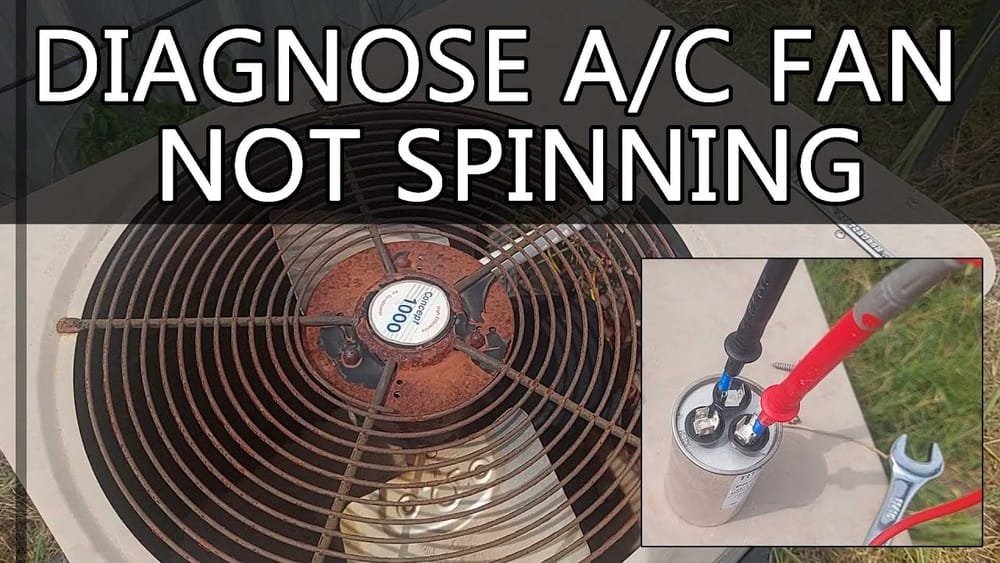
If you’ve ever walked into a hot room on a summer day and found your air conditioner not blowing cold air, you know how frustrating it feels. I’ve been there myself. One afternoon, I noticed my AC was running, but the air coming out was warm. When I checked the outdoor unit, I saw the compressor fan wasn’t spinning at all. That’s when I started my journey into understanding why an air conditioner compressor fan might stop running and how to handle it. I want to share what I’ve learned, so you don’t have to sweat through the same confusion.
Why The Compressor Fan Matters
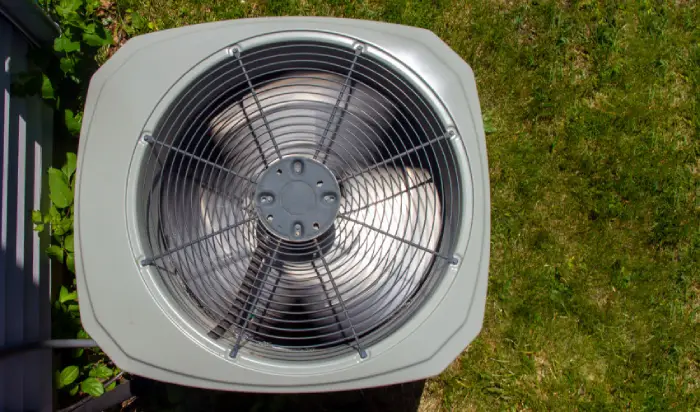
The compressor fan is a big part of how your AC cools your home. It sits in the outdoor unit, spinning blades to pull air through the coils. This helps get rid of heat from inside your house. If the fan doesn’t run, heat builds up, and your AC can’t cool. Worse, the system may overheat and break down.
A dead fan doesn’t just mean no cool air—it can mean a big repair bill if you ignore it. That’s why spotting the signs early is so important.
Signs Your Compressor Fan Isn’t Running
I learned to spot the warning signs the hard way. If you’re not sure what to look for, here’s what I noticed:
- Warm air blowing from the vents, even when the AC is on.
- The outdoor unit is making a humming sound but the fan is still.
- The fan blades don’t move, even if you try to push them gently with a stick (never your hand).
- The AC turns on and off quickly (short cycling).
- Sometimes, there’s a burning smell near the outdoor unit.
If you see any of these, you should act fast. Ignoring the problem can make things worse.
Common Reasons The Compressor Fan Stops Working
Through experience and research, I found several reasons why the compressor fan might not run. Here are the most common ones I came across:
1. Power Problems
Sometimes, the simplest answer is the right one. I once found the circuit breaker had tripped. No power means no fan.
2. Faulty Capacitor
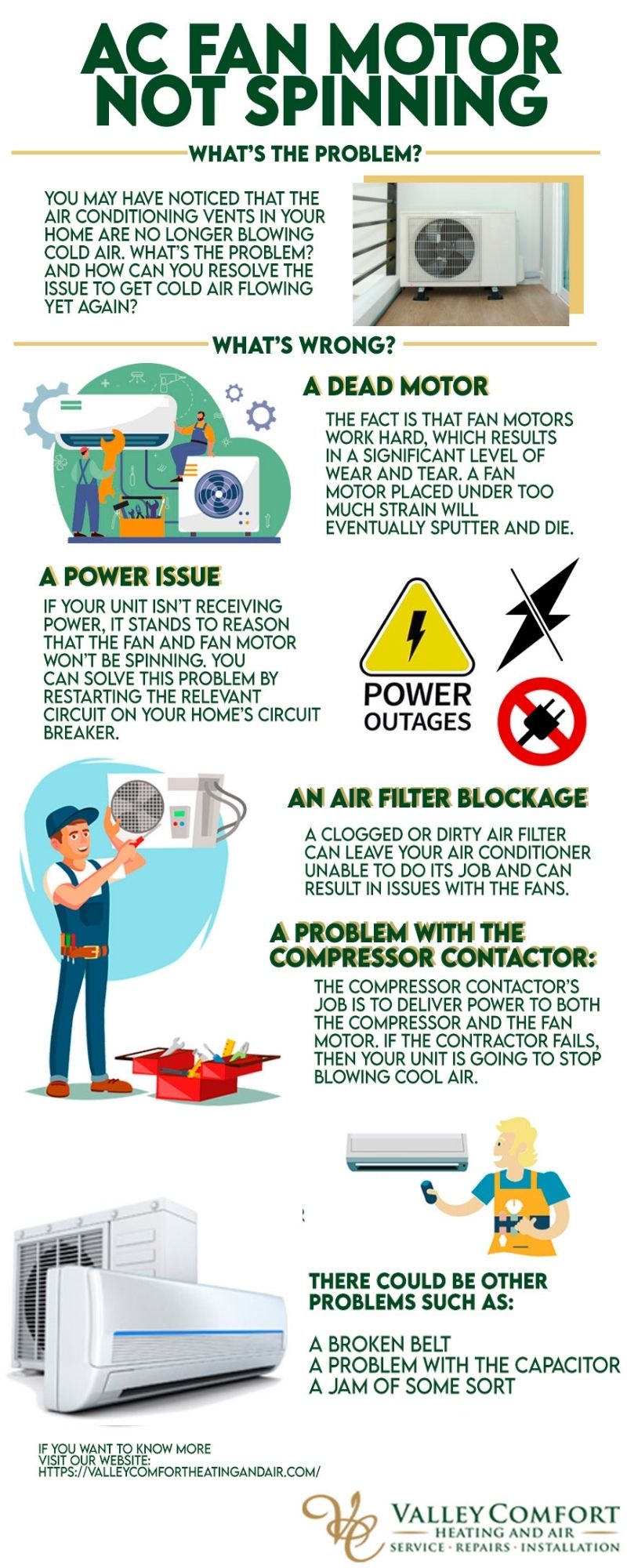
The capacitor is a small part but does a big job. It gives the fan a boost to start spinning. When it fails, the fan can’t start. This happened to me once, and replacing the capacitor fixed everything.
3. Burned-out Motor
The fan motor can burn out over time, especially during long, hot summers. I had to replace my motor after years of heavy use.
4. Bad Contactor
The contactor acts like a switch, letting power reach the fan and compressor. If it sticks or breaks, the fan won’t run.
5. Stuck Or Broken Fan Blades
Leaves and debris can jam the fan blades. Once, a twig got stuck, and the fan couldn’t turn. In another case, a blade had cracked and needed replacing.
6. Wiring Problems
Loose or broken wires mean the fan doesn’t get the power it needs. I saw this after some backyard animals chewed through the wires.
7. Thermostat Issues
A faulty thermostat might not tell the AC to start the fan, even if your house is warm.
8. Dirty Condenser Coils
If coils are dirty, the system can overheat and shut down the fan to prevent damage.
Here’s a quick comparison of how often I’ve seen these problems:
| Problem | How Common (1-5) | Repair Difficulty |
|---|---|---|
| Capacitor Failure | 5 | Easy |
| Fan Motor Burnout | 4 | Hard |
| Contactor Issue | 3 | Medium |
| Fan Blade Jam | 2 | Easy |
| Wiring Problem | 2 | Medium |
| Thermostat Fault | 1 | Medium |
What To Do When The Compressor Fan Stops
When my fan stopped, I learned the value of a step-by-step approach. Here’s what worked for me:
Step 1: Stay Safe
Before touching anything, turn off the power at the breaker. AC units use high voltage, and safety is a must.
Step 2: Check For Obvious Problems
Look for debris around the fan. Sometimes, a simple clean-up fixes the issue. Try spinning the blades with a stick (never your fingers). If they move freely, the problem is likely electrical.
Step 3: Inspect The Capacitor
If the fan hums but doesn’t spin, the capacitor may be bad. I used a multimeter to check, but you can also look for bulging or leaking on the capacitor itself.
Step 4: Test The Fan Motor
If you replaced the capacitor and the fan still won’t spin, the motor might be dead. Motors can be tested with a multimeter for continuity, but replacing them is best left to a pro.
Step 5: Check The Contactor
A faulty contactor may not let power through. I once tapped mine with the handle of a screwdriver, and the fan started right up—clear sign it was failing.
Step 6: Inspect Wiring
Look for any burned, loose, or chewed wires. If you spot damaged wires, call a technician unless you have electrical experience.
Step 7: Look At The Thermostat
If everything else is fine, try adjusting the thermostat settings. Sometimes the problem is as simple as dead batteries or a setting that got changed by mistake.
Here’s a quick table showing what I check, in order:
| Check | What to Look For | DIY? |
|---|---|---|
| Power | Tripped breaker, loose plug | Yes |
| Debris | Leaves, twigs, dirt | Yes |
| Capacitor | Bulging, leaking | Yes (with care) |
| Fan Motor | No noise, no movement | No (call pro) |
| Contactor | Click sound, visible damage | Maybe |
| Wiring | Frayed, chewed, burned | No (call pro) |
| Thermostat | Settings, batteries | Yes |
When To Call A Professional
I enjoy fixing things, but sometimes you need a pro. Here are times I learned it’s best to call for help:
- If the problem involves wiring or motor replacement.
- If you’re not sure what’s wrong after basic checks.
- If you smell burning or see smoke.
- If you feel unsafe at any point.
Professional HVAC techs have special tools and training. They can quickly spot problems and fix them safely. In my case, calling a pro saved me money because they fixed the real problem, not just what I thought was wrong.
Preventing Compressor Fan Problems
After my experience, I started doing regular maintenance. Here’s what helps:
- Clean the outdoor unit every few months. I remove leaves, grass, and dirt.
- Change the air filter inside the house on schedule.
- Check the fan blades for damage after storms or heavy use.
- Listen for odd noises when the AC runs.
- Schedule a yearly checkup with a pro. They can spot small problems before they get big.
A little care goes a long way. Since I started doing these things, my AC has been much more reliable.
Two Surprising Things I Learned
There are two things I wish I’d known sooner:
- Sometimes, a failing capacitor can let the fan run slowly or weakly, not just stop it completely. I once replaced a capacitor after noticing the fan was spinning much slower than normal. The fix was quick and cheap.
- If your fan stops, don’t keep running the AC. The compressor can overheat and fail, which is a very expensive fix. I learned this from a technician, and it saved me from burning out my compressor.
Real-life Example
A neighbor of mine ignored a stopped fan for a few days, thinking the AC would “fix itself. ” The compressor burned out, and the repair bill was over $1,500. After seeing that, I always check my AC right away if I notice anything odd.
Helpful Resources
If you want to learn more about how AC systems work, I found the Wikipedia Air Conditioning page helpful. It gives a simple overview and some technical details if you’re curious.
Frequently Asked Questions
Why Is My Ac Running But The Fan Is Not Spinning?
Usually, this means there’s a problem with the capacitor, motor, or contactor. It could also be a power issue. Check for tripped breakers and visible damage, then call a professional if you’re not sure.
Is It Safe To Run My Ac If The Compressor Fan Isn’t Working?
No, it’s not safe. Running the AC without the fan can overheat the compressor. This can lead to a costly breakdown. Turn off your system and get it checked right away.
Can I Replace The Capacitor Myself?
It’s possible, but you must be careful. Capacitors can hold a charge even when the power is off. If you decide to do it, watch a few videos and make sure you discharge the capacitor first. If you’re not comfortable, call a professional.
How Often Should I Clean The Outdoor Unit?
I recommend cleaning it every 2-3 months, or more often if you have trees and plants nearby. Keeping it free from debris helps the fan work well and prevents overheating.
What’s The Average Cost To Fix A Compressor Fan?
It depends on the problem. A new capacitor might cost $100–$250 with labor. A new fan motor can cost $300–$600. Wiring or contactor repairs are usually in between. Prices can vary, so get a quote from a trusted HVAC technician.
If your air conditioner compressor fan isn’t running, don’t panic. Most problems are fixable, and acting early can save you time, money, and sweat. From my own experience, staying calm and following these steps made a big difference. Don’t be afraid to call a pro if you need help—sometimes, that’s the smartest move. Stay cool and good luck!

As an Amazon Associate, We earn from qualifying purchases