
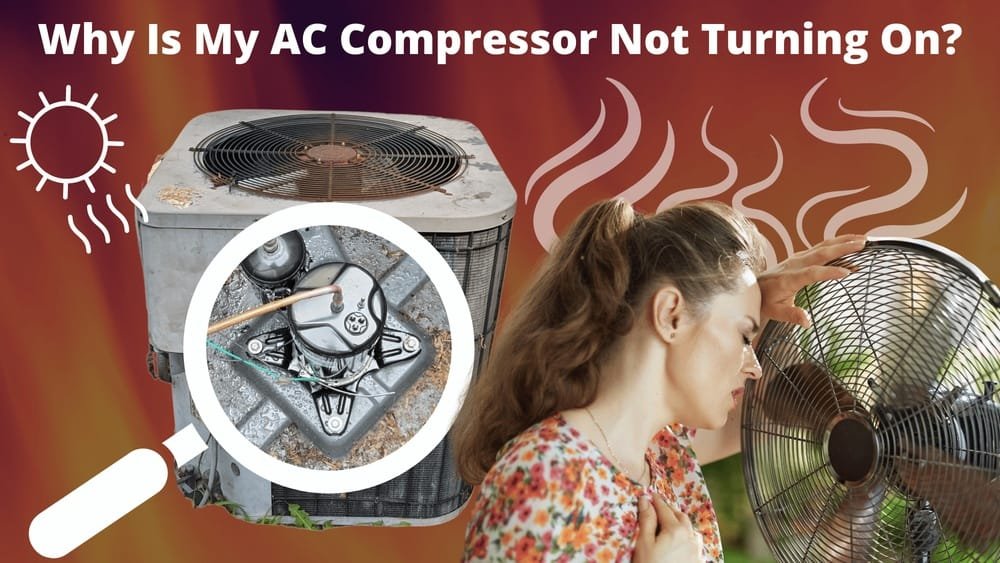
If you’ve ever come home on a hot day and found your GE air conditioner compressor not turning on, you know how frustrating it feels. I’ve been there more than once. It’s the kind of problem that makes you sweat—literally! I want to walk you through what I learned, step by step, to help you fix it or at least understand what’s wrong. I’ll use simple words, share my real-life stories, and give you tips to avoid the mistakes I made.
My First Encounter: The Compressor That Wouldn’t Start
One summer, my window unit was blowing warm air. At first, I thought maybe the temperature outside was just too high. But after a while, I noticed the fan ran, but the room never got cool. I listened closely and realized something: the compressor wasn’t making any sound at all. That’s when I started searching for answers.
Why The Compressor Matters
The compressor is the heart of your air conditioner. It moves the refrigerant that carries heat out of your room. If it doesn’t work, you only get air movement, not cooling. I learned that fixing the compressor is not always hard, but it does take some detective work.
Common Reasons Why A Ge Air Conditioner Compressor Won’t Turn On
Let me share the main causes I’ve discovered. Each one is a real thing I checked or faced while fixing my unit.
1. Power Issues
The first thing I checked was the power. Sometimes it’s something simple, like:
- The unit isn’t plugged in fully
- The outlet isn’t working
- The circuit breaker has tripped
In my case, the breaker had tripped. I flipped it back, and the compressor hummed back to life. It was such a relief! But sometimes, it’s not so easy.
2. Thermostat Problems
If your thermostat isn’t set low enough, the compressor won’t start. Once, my thermostat dial had slipped. It was set to “fan only.” I turned it to “cool,” and the compressor kicked in. It’s easy to overlook, but always double-check.
3. Dirty Air Filter
I used to ignore the air filter. But a dirty filter can block airflow and cause the compressor to overheat or not turn on at all. When I finally checked mine, it was clogged with dust. After cleaning it, the unit started cooling again.
4. Faulty Capacitor
The capacitor gives the compressor a little power boost to start. If it’s bad, the compressor just sits there. I heard a “click” but no startup hum. I learned how to spot a bad capacitor—it looks swollen or leaks fluid.
Replacing it fixed my problem once.
5. Overheating Or Overload
Sometimes, the compressor shuts off to protect itself. This can happen if:
- The outside temperature is too high
- The coils are dirty
- The unit runs non-stop
Letting the unit cool down for 30 minutes and cleaning the coils helped me. It’s not always a permanent fix, but it works in a pinch.
6. Faulty Compressor
This is the one problem I hoped never to have. If the compressor itself is broken, you’ll need a pro. I once tried to fix this myself, but it’s tricky and expensive. Signs of a dead compressor are:
- The unit hums but doesn’t cool
- The compressor is hot to touch
- No sound from the compressor at all
When I faced this, I called a repair tech. It saved me from making things worse.
7. Control Board Problems
Modern GE units have a control board. If it’s faulty, the compressor may not get the signal to start. I only dealt with this once. The tech used a meter to test the board and found a bad relay. Replacing the board fixed everything.
8. Low Refrigerant
If there’s not enough refrigerant, the compressor might not turn on. You might notice ice on the coils or hear a hissing sound. I once had a small leak. Only a licensed pro can refill the refrigerant, so don’t try this yourself.
How I Troubleshot My Ge Air Conditioner
Let’s go through the steps I use. These steps helped me avoid big repair bills and sometimes fixed the problem on the spot.
Step 1: Check Power And Settings
I always start with the basics.
- Is the unit plugged in?
- Is the circuit breaker on?
- Is the thermostat set to “cool” and the right temperature?
It’s easy to miss simple things. Once, my cat unplugged the cord!
Step 2: Listen And Look
Next, I listen for any sound from the compressor. A healthy compressor makes a soft hum. If it’s silent, I look for signs of power issues or a tripped breaker.
Step 3: Clean The Air Filter
A dirty filter sneaks up on you. I now clean it every month. It only takes five minutes and stops many problems before they start.
Step 4: Check The Capacitor
I turn off the power, then look at the capacitor. If it’s bulging or leaking, I replace it. It’s not expensive, and it solved my problem more than once.
Step 5: Let It Cool Down
If my compressor feels hot, I unplug the unit and let it rest. Overheating is more common than you think, especially during heatwaves.
Step 6: Call A Pro If Needed
When nothing works, I call an expert. Some things—like a dead compressor or refrigerant leak—are just too risky for DIY.
Key Signs And What They Mean
Here’s what I learned to watch for, and what each one means.
| Sign | Possible Cause | What to Do |
|---|---|---|
| No sound from compressor | No power, bad thermostat, dead compressor | Check power, settings, and call a pro if needed |
| Clicking sound only | Bad capacitor or relay | Replace capacitor or relay |
| Humming but no cooling | Compressor stuck, low refrigerant | Try restart, call a pro |
| Warm air blowing | Compressor not running, dirty filter, low refrigerant | Clean filter, check compressor, call a pro |
How I Prevented Compressor Problems
After dealing with this so many times, I now follow these habits. They really helped me avoid future breakdowns.
1. Clean The Filter Every Month
This one step keeps the compressor from overworking.
2. Check The Power Supply Every Season
Outlets and breakers can go bad, especially in older homes.
3. Keep The Unit’s Coils Clean
I use a soft brush to remove dust. Clean coils help the compressor cool better.
4. Don’t Set The Thermostat Too Low
It’s tempting to crank it down, but setting it to a normal cool temperature (around 24°C/75°F) is easier on the compressor.
5. Schedule A Yearly Checkup
Once a year, I have a professional look over my unit. It’s cheaper than a major repair.
How Much Does A Repair Cost?
This is something I wish I knew before my first breakdown. Here’s what I learned from my own bills and talking to repair techs.
| Problem | DIY Cost (USD) | Pro Repair Cost (USD) |
|---|---|---|
| Replace capacitor | $15 – $40 | $90 – $200 |
| Clean/replace filter | $0 – $20 | $50 – $100 |
| Thermostat issue | $10 – $40 | $100 – $250 |
| Control board | N/A | $200 – $400 |
| Compressor replacement | N/A | $500 – $1,000 |
When To Repair And When To Replace
I had to make this choice after my compressor failed. Here’s what helped me decide:
- If the unit is over 10 years old, replacing it is often cheaper in the long run.
- If repair costs more than half the price of a new unit, I usually choose a replacement.
- For small fixes, like a capacitor or filter, repair makes sense.

What I Wish I Knew Sooner
Two things really surprised me when I was learning about this:
- Even new air conditioners can have compressor problems. Don’t assume age is the only cause.
- Power surges are a big risk. After a storm, my unit’s compressor stopped. Now I use a surge protector. It’s a small investment that protects expensive parts.
Mistakes I Made (so You Don’t Have To)
Let me confess a few mistakes that cost me time and money:
- I once kept running the AC when it was blowing warm air, thinking it would fix itself. This only made the problem worse.
- I tried to add refrigerant myself. This is not safe and can damage the unit. Always call a pro for refrigerant issues.
- I ignored the air filter for months. It’s such an easy fix. Now it’s part of my monthly cleaning.
How To Find A Good Repair Technician
If you need help, finding a reliable pro is key. Here’s how I do it:
- Ask friends or neighbors for recommendations.
- Check online reviews, but read the comments, not just the stars.
- Make sure the technician is licensed and insured.
- Ask for a written estimate before the work starts.
I once hired a cheap handyman who made things worse. Now, I pay a little more for certified help, and it’s worth every penny.
Tips For Keeping Your Ge Air Conditioner Running Smoothly
After all I’ve learned, here are my golden rules:
- Clean and check your unit before summer starts.
- Listen for strange sounds—don’t ignore them.
- Use a surge protector.
- Don’t block the vents with curtains or furniture.
- If your home is very dusty, clean the filter more often.
These habits made a big difference in how well my air conditioner works and how long it lasts.

Frequently Asked Questions
Why Does My Ge Air Conditioner Compressor Click But Not Start?
This usually means the capacitor is faulty or the relay is stuck. The compressor needs a boost to start, and if it doesn’t get it, you’ll hear a click but no hum. Replacing the capacitor solved this for me.
Is It Safe To Run The Fan If The Compressor Doesn’t Work?
Yes, but you won’t get cool air. It won’t harm the unit to use the fan mode. Just remember, running the AC in cool mode with a broken compressor can stress other parts.
Can A Power Surge Cause The Compressor To Stop Working?
Absolutely. I lost a compressor after a thunderstorm. A power surge can damage the compressor or the control board. I now use a surge protector, and I recommend you do too.
How Often Should I Clean My Ge Air Conditioner Filter?
I clean mine once a month, but if you have pets or lots of dust, do it more often. A clean filter keeps your compressor healthy and helps your unit cool better.
Where Can I Find More Technical Information About Ge Air Conditioners?
You can find official manuals and support at the GE Appliances website. It has troubleshooting guides and user manuals for most models.
If your GE air conditioner compressor is not turning on, don’t panic. From my experience, most problems are simple to fix. Start with the basics, and don’t be afraid to call a professional if you need help. Take care of your unit, and it will keep you cool for many summers to come.
As an Amazon Associate, We earn from qualifying purchases