
If you’ve ever owned an air compressor, you know how helpful it can be. I love mine for all sorts of jobs—filling tires, using air tools, even blowing dust off things in the garage. But I’ll never forget the day I hit the switch, and it just… hummed.
The motor ran, but the pressure gauge barely moved. My trusty air compressor wasn’t building pressure. If you’re facing the same headache, I hope this guide will save you hours of frustration. Let me walk you through what I learned, step by step, so you can get your compressor working again.
Why Isn’t My Air Compressor Building Pressure?
When my air compressor first had this problem, I assumed it was just a fluke. Maybe I’d left the drain open or had a loose hose. But as I dug in, I realized there are several reasons why a compressor won’t build pressure.
Here are the most common ones I ran into, with examples from my own experience.
1. Air Leaks
This is the first thing I check now. If there’s a leak, air escapes before it builds up in the tank. I once found a small crack in the hose connector. It was hard to spot, but I heard a faint hissing sound.
To check for leaks:
- Listen for hissing noises around the tank, fittings, and hoses.
- Mix a little dish soap with water and brush it onto the connections. Bubbles will show you where air is escaping.
Even a tiny leak can stop your compressor from reaching full pressure.
2. Faulty Check Valve
The check valve lets air flow from the pump into the tank, but not back out. I learned this the hard way after replacing several good hoses. If this valve sticks open or gets dirty, the compressor will keep running, but pressure won’t build.
I once took mine apart and found bits of Teflon tape blocking the valve. After cleaning it out, the compressor worked like new.
3. Worn Piston Rings
Inside the pump, piston rings seal the gap between the piston and cylinder. Over time, these rings wear out. When that happens, air slips past instead of going into the tank. I had a small, old compressor that stopped working for this reason. Replacing piston rings isn’t easy, but it solved the problem.
4. Broken Pressure Switch
The pressure switch tells the motor when to start and stop. If it’s faulty, the compressor might run forever or not at all. I once bumped my switch, and it stopped working. A quick swap with a new switch fixed it.
5. Dirty Or Clogged Air Filter
A dirty air filter can choke off the airflow. It’s like trying to breathe through a straw filled with dust. I pull my filter every month and tap out the dust. If it’s still dirty, I replace it. The difference in performance is huge.
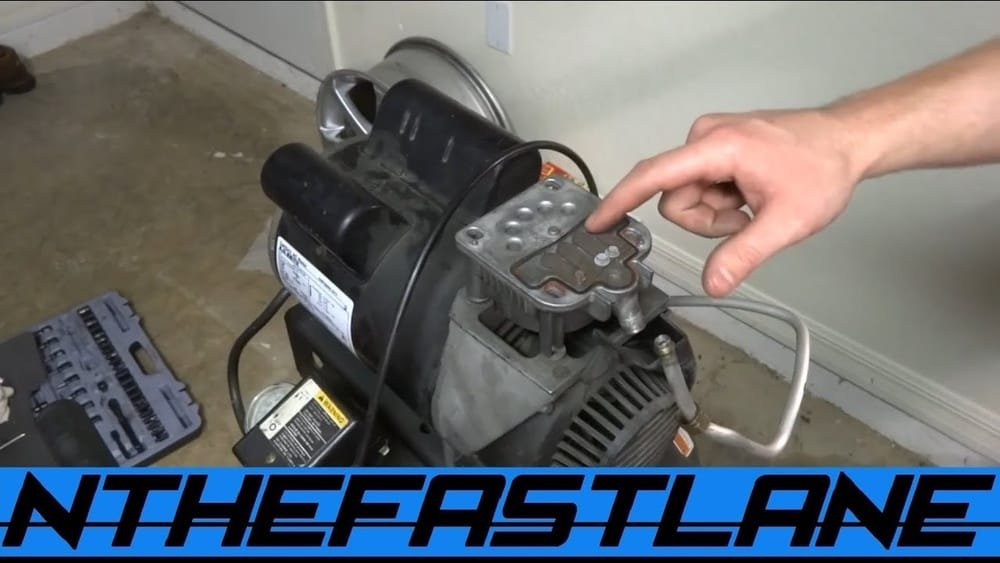
6. Failed Reed Valves
Reed valves are thin metal flaps inside the pump head. They open and close to let air in and out. If they break or get stuck, pressure won’t build. Once, I found a broken reed valve on my compressor and had to order a replacement.
It’s a tiny part, but it makes a big difference.
7. Loose Or Damaged Belts
For belt-driven compressors, a loose belt means the pump isn’t spinning fast enough. I had one belt that stretched over time. The motor ran, but the pressure never got high. Tightening or replacing the belt fixed it.
8. Worn Pump Gaskets
Gaskets seal the pump so air doesn’t leak out. Over time, heat and pressure can make them brittle. I once found a blown gasket by seeing a small puff of air every time the piston moved. Replacing it took some work, but the compressor finally built pressure again.
9. Open Drain Valve
This one’s easy to miss. I’ve left the drain valve open after releasing water from the tank. If it’s open, air escapes as fast as it enters. Always double-check this valve before starting.
10. Motor Problems
Sometimes the motor itself is the culprit. If it’s weak, overheats, or stops and starts, it won’t drive the pump properly. My neighbor had this issue, and we found the motor’s capacitor had failed. A new capacitor was all it needed.
Step-by-step Troubleshooting Guide
Here’s how I check my air compressor when it’s not building pressure. It’s easy to get lost, so follow each step before moving to the next.
Step 1: Safety First
Unplug the compressor. Bleed the air from the tank. You don’t want any surprises.
Step 2: Check For Obvious Leaks
Inspect all hoses, fittings, and connections. Listen for air escaping. Use the soapy water trick if you’re not sure.
Step 3: Inspect The Drain Valve
Look at the bottom of the tank. Make sure the drain valve is completely closed.
Step 4: Examine The Air Filter
Remove the filter and see if it’s dirty or clogged. Replace it if needed. A clean filter helps more than you’d think.
Step 5: Test The Check Valve
Disconnect the hose from the tank to the pump. If air rushes out, the check valve may be stuck open. Remove and clean or replace it as needed.
Step 6: Look At The Pressure Switch
Check if the switch clicks when you turn on the compressor. If not, it could be faulty.
Step 7: Inspect Pump Components
If you’re handy, open the pump head. Look at the reed valves, piston rings, and gaskets. Replace any parts that look worn.
Step 8: Check The Belt (if Applicable)
For belt-driven compressors, make sure the belt is tight and not worn out.
Step 9: Try The Motor
If the motor sounds weak or won’t start, it may need service. Listen for buzzing or overheating.
Step 10: Get Professional Help
If you’ve tried all these steps and still can’t find the problem, call a pro. Some issues—like internal pump damage—need special tools and skills.

How Compressor Type Affects Pressure Problems
I’ve owned a few different compressors, and not all problems show up the same way. Here’s a quick comparison of common types:
| Compressor Type | Common Pressure Issue | Typical Solution |
|---|---|---|
| Portable Oil-Free | Worn piston rings | Replace piston assembly |
| Belt-Driven | Loose or broken belt | Tighten or replace belt |
| Small Pancake | Open drain valve | Close drain valve |
| Industrial Two-Stage | Failed reed valves | Replace reed valves |
Common Mistakes I Made (so You Don’t Have To)
I’ll be honest—I messed up a few times. Here are some mistakes you can avoid:
- Ignoring small air leaks. They add up fast.
- Forgetting to check the air filter. It’s a simple fix that often gets missed.
- Replacing parts before doing basic checks. Start simple—check valves, hoses, and switches.
- Not draining the tank after use. Water buildup leads to rust and leaks.
- Using the wrong oil in oil-lubed compressors. Always use the recommended oil.

How To Keep Your Compressor Healthy
After fixing my own compressor, I started taking better care of it. Here’s what works for me:
- Drain the tank after each use to prevent rust.
- Clean or replace the air filter every month.
- Check for leaks using soapy water every few months.
- Inspect belts and hoses for wear.
- Use the right oil for your compressor (if it needs oil).
- Store indoors or cover the compressor to keep dust out.
A little maintenance goes a long way. Since I started this routine, I haven’t had any pressure problems.
When To Repair Vs Replace
Sometimes, fixing your compressor isn’t worth it. Here’s how I decide:
| Problem | Repair Cost | Recommended Action |
|---|---|---|
| Dirty filter, open drain valve | Low | Repair |
| Worn piston rings, blown gasket | Medium | Repair if compressor is high quality |
| Motor failure, major internal damage | High | Replace compressor |
If the repair costs more than half the price of a new compressor, I usually buy a new one. But for small fixes, it’s always worth repairing.
My Surprising Lessons (that Most People Miss)
When I first started working on air compressors, I missed a few important things. Here are two insights I wish I’d known earlier:
- Ambient temperature matters. Compressors run better in cooler air. If your garage is hot, the compressor may overheat and stop building pressure. I moved mine to a cooler spot, and it worked much better.
- Power supply can cause issues. If your extension cord is too long or thin, the motor can’t pull enough power. I now plug my compressor directly into a wall outlet with the right gauge cord. This fixed mysterious pressure problems that I couldn’t explain before.
These are not the first things most people check, but they made a big difference for me.
Safety Reminders
Never forget that compressors store a lot of pressure. Always unplug before working on them. Release all air from the tank before opening any part. And wear eye protection—compressed air can send bits of metal flying.
If you ever feel out of your depth, don’t risk it. Some repairs are best left to the professionals. Your safety is more important than saving a few dollars.
Where To Find More Help
If you’re stuck, many manufacturers have online manuals and support. I’ve found some great tips on forums and official websites. If you want a detailed technical guide, the Wikipedia page on air compressors has a lot of helpful information.
Frequently Asked Questions
Why Does My Air Compressor Run But Not Build Pressure?
This usually means air is escaping somewhere, or there’s a problem inside the pump. Check for leaks, a stuck check valve, or worn piston rings. Make sure the drain valve is closed and the air filter is clean.
How Do I Know If My Check Valve Is Bad?
If air flows back from the tank to the pump or out of the intake, the check valve may be stuck open. You might hear air escaping after the compressor shuts off. Remove and inspect the valve to be sure.
Can A Dirty Air Filter Cause Low Pressure?
Yes! A clogged filter chokes off airflow. The compressor will struggle and may not reach full pressure. Cleaning or replacing the filter is an easy fix.
What Should I Do If I Hear A Hissing Sound?
A hissing sound means air is leaking. Use soapy water to find the source. Tighten or replace any leaky parts. Even small leaks can stop pressure from building.
Is It Worth Repairing An Old Air Compressor?
It depends on the problem and the cost. Simple issues like leaks or dirty filters are worth fixing. For major motor or pump damage, it might be better to buy a new compressor.
If your air compressor isn’t building pressure, don’t give up. With some simple checks and a little patience, you can often fix it yourself. I’ve learned a lot from my own mistakes, and I hope my experience helps you get your compressor back in action.

As an Amazon Associate, We earn from qualifying purchases