
Draining air from an air compressor might sound simple, but when I first got my own compressor, I was surprised by how tricky and important it actually was. If you skip this task, you could ruin your equipment and even risk your safety.
I’ve learned a lot from my own mistakes and successes, and I want to share what works, what to avoid, and the little details that most guides miss. If you own an air compressor or plan to use one, this guide will help you keep things running smoothly and safely.
Why Draining Air Compressors Matters
When I bought my first air compressor, I thought, “Just plug it in, and it’s ready!” But after a few weeks, I noticed water dripping from the air hose. The machine started to sound different, and the tools connected to it didn’t work as well. That’s when I learned about moisture buildup.
Air always has some water vapor. When the compressor runs, it pulls in outside air and squeezes it. This makes the water vapor turn into liquid inside the tank. Over time, this water can cause rust, damage the tank, and even make the compressor unsafe. It can also send dirty water into your tools, which can make your work messy or even break expensive equipment.
Draining the air regularly solves all these problems. It’s not just for big workshops. Even a small compressor in your garage can collect a surprising amount of water in just a week.
How Often Should You Drain Your Air Compressor?
At first, I only drained my compressor once a month. Big mistake! Water built up fast, especially in humid weather. Now, I drain the tank after every use. If you use your compressor all day, do it at least once at the end of the day. In humid climates, even more often.
Here’s a quick guide from my experience:
| Usage Type | How Often to Drain | Notes |
|---|---|---|
| Light Use (once a week) | After each use | Prevents rust, easy habit |
| Daily Use | End of each day | Check for extra water in humid areas |
| High Humidity | After every use | Water builds up much faster |
A common mistake I see is waiting until there’s a problem. By then, the damage is often done. Make draining a routine, and your compressor will last much longer.
Tools And Safety Gear You’ll Need
Before you start, gather a few things. From my own routine, this is what I always have ready:
- Safety goggles – Air can spray water and dirt
- Work gloves – Tanks and valves get hot
- Rag or towel – To catch water and wipe spills
- Bucket or tray – To collect water (optional, but helpful)
- Wrench – Only if the drain valve is hard to turn
Don’t skip the goggles. Once, a bit of rusty water shot out and almost hit my eye. Safety first—always.
Step-by-step: How I Drain Air From My Compressor
Let me walk you through the exact steps I use. I’ll also mention what NOT to do, because I learned some things the hard way.
1. Turn Off And Unplug The Compressor
Always turn off the power switch. Then, unplug it from the wall. Even if you’re in a hurry, don’t skip this. I once left mine plugged in, and it kicked on while I was draining it—scared me half to death!
2. Release The Air Pressure
Next, I pull on the pressure relief valve. This is a small ring or lever near the top of the tank. Hold it open until no more air hisses out. This step is key. If you skip it, the compressed air can blast water (and sometimes rust) in your face when you open the drain.
3. Find The Drain Valve
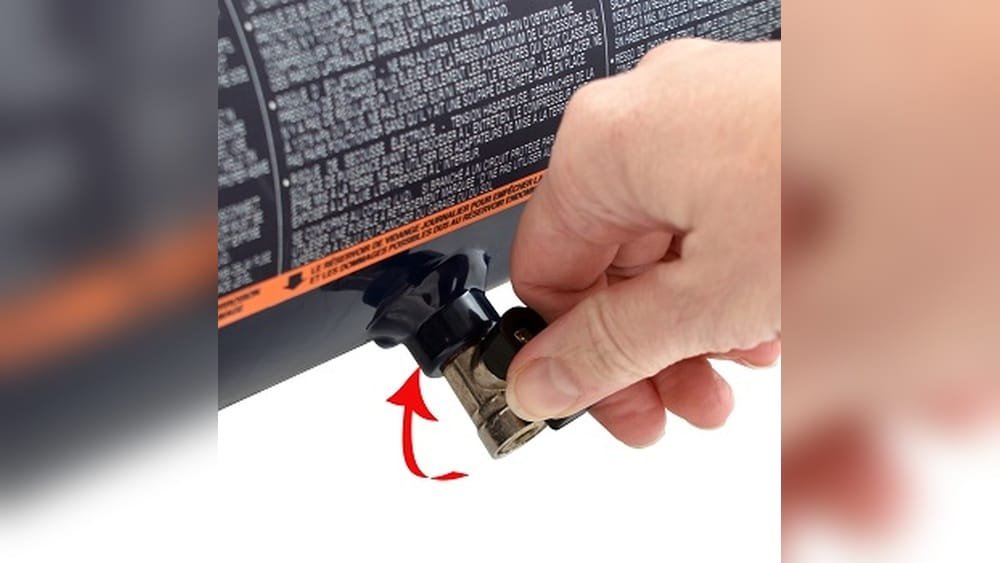
Look at the bottom of the tank. There’s usually a small valve or bolt. On my compressor, it’s a round knob. Some have a screw you need a wrench for. Wipe off any dirt so you can see it clearly.
4. Position Your Catch Tray
Slide your tray or bucket under the valve. The water is usually dirty and can stain your floor. I use an old baking tray.
5. Open The Drain Valve Slowly
Turn the valve counterclockwise. I start slowly, because sometimes water sprays out fast. Don’t stand right in front of it. Let the air and water drain out. You’ll often hear a hiss and see water drip, then slow to a trickle.
6. Let It Drain Completely
Wait until only air comes out. On humid days, I sometimes get a half-cup of water. On dry days, maybe just a few drops. If nothing comes out, but you hear air, it’s likely dry—or your valve is clogged (more on that later).
7. Close The Valve And Clean Up
Once it’s empty, turn the valve clockwise to close it. Wipe up any water on the tank and floor. Plug the compressor back in and you’re done.
Tips I Wish I Knew Earlier
After draining my compressor for years, I picked up a few tricks that make the job easier and keep my equipment in top shape:
- Open the tank drain while pressure is still a bit high – This pushes out more water. But never open it with full pressure, or you’ll get a messy spray.
- Tilt the compressor gently – Sometimes water pools on one side. I carefully tilt it to get every last drop out.
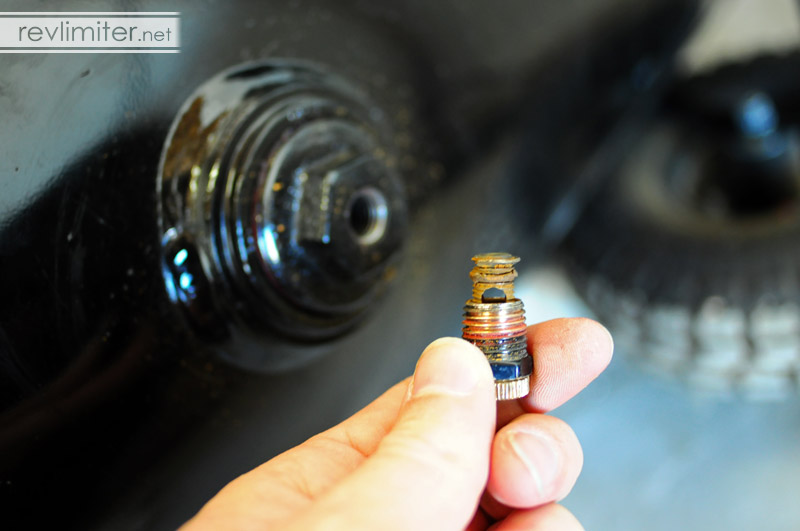
- Check the drain valve for clogs – Rust and dirt can block the valve. If little or no water comes out, poke a thin wire inside gently (with the compressor unplugged! ).
- Use an automatic drain valve – If you hate draining by hand, you can buy a valve that opens itself. I installed one last year, and it’s a game changer for busy days.
- Listen for strange noises – If you hear popping or hissing when you start the compressor, you might have water stuck inside. Drain it again before using.
Mistakes To Avoid
I’ve made a few blunders, and I see others make them too. Here are some common errors:
- Waiting too long – Even one week is enough for rust to start.
- Forgetting to release pressure – This can blast dirty water everywhere. It’s messy and dangerous.
- Not checking the valve – Sometimes valves get stuck or break. Test yours once a month.
- Letting water pool in the tank – Over time, this can cause pinhole leaks that ruin your tank.
Staying ahead of these mistakes will save you money and stress.
How Water Affects Tools And Projects
When I skipped draining, I noticed my paint sprayer started to spit water. My nail gun jammed more often, and my air hose had rusty stains. Water in the tank doesn’t just hurt the compressor—it also messes up the tools you connect.
For example, if you’re painting, even a bit of water can cause bubbles or spots in the finish. With air wrenches, water can make them rust inside, which costs a lot to fix. I lost a good impact wrench because I ignored this for a month.
Different Drain Valve Types: What To Expect
Not all compressors have the same drain. Here’s what I’ve seen and used:
| Valve Type | How to Open | My Experience |
|---|---|---|
| Manual petcock | Twist knob | Simple, but can get stuck with rust |
| Ball valve | Quarter-turn lever | Easy to use, good for quick draining |
| Automatic drain | Opens on a timer/pressure | Great for busy shops, less hassle |
If your valve is hard to turn, don’t force it. Spray a little oil on the threads and try again. If it still won’t move, it might need replacing.

How Humidity And Weather Change The Game
I live where summers get hot and sticky. In those months, I find way more water in my tank. In the winter, not as much, but it’s still there. If you’re in a humid place, expect more frequent draining.
I always keep a small humidity gauge in my garage to remind me. If the air feels damp, I know to check the compressor more often.
Storing Your Compressor The Right Way
If you store your compressor for a long time (like over winter), drain it first. I made the mistake of storing mine with water inside. When I started it up in spring, the tank had rust spots and smelled bad.
Before storing, I do this:
- Drain all air and water.
- Leave the drain valve open for a few minutes to dry out.
- Store the compressor in a dry spot, off the ground if possible.
A few extra minutes now can save you from buying a new tank later.
How Draining Saves Money And Time
I used to think draining was a waste of time. But after I had to replace a rusty tank, I realized it’s the cheapest maintenance you can do. Regular draining means:
- Your compressor lasts longer
- Tools stay clean and work well
- Less money spent on repairs
- Safer working conditions
A few minutes after every use can add years to your compressor’s life.
Advanced Tips For Busy Users
If you use your compressor all the time (like in a workshop), here’s what I do:
- Install a drain extension kit – This lets you move the drain to an easy-to-reach spot.
- Use a water trap – This filter catches water before it reaches your tools.
- Check for leaks – A sudden drop in tank pressure often means a leak. Fix it fast to prevent more water buildup.
For extra busy shops, consider an automatic drain valve. It’s not expensive and saves you from forgetting.
When To Call A Professional
Most draining jobs you can do yourself. But if you notice these problems, call an expert:
- The tank is leaking air or water from a place you can’t see.
- The drain valve is broken and won’t turn.
- There’s a lot of rust or the tank sounds thin when tapped.
It’s better to get help than risk a dangerous accident.
Comparing Compressor Maintenance Steps
Here’s how draining fits into the big picture of compressor care:
| Maintenance Task | How Often | Why It Matters |
|---|---|---|
| Drain tank | After every use | Prevents rust and water damage |
| Check oil level (if oil-lubed) | Weekly | Keeps pump running smooth |
| Clean intake filter | Monthly | Improves air quality, efficiency |
| Inspect hoses | Monthly | Prevents leaks and bursts |
| Check safety valve | Monthly | Ensures safe pressure release |
Draining is the most frequent and important task. Don’t skip it!

Where To Find More Help
If you want to dig deeper into air compressor care, I found this page helpful: Wikipedia: Air Compressor. It explains more about how compressors work and why water builds up.
Frequently Asked Questions
How Much Water Should I Expect From My Compressor?
It depends on the weather and how much you use it. In summer, I can drain out half a cup after a long day. In winter, maybe just a few drops. If you see a lot more or less, check for leaks or clogs.
What If No Water Comes Out When I Drain The Tank?
If you’re sure there’s water inside but nothing comes out, the drain valve might be clogged. Unplug the compressor, poke a thin wire inside the valve, and try again. If still nothing, the valve may need replacing.
Is It Safe To Leave Some Air In The Tank Overnight?
I usually drain all the air, but leaving a little air isn’t dangerous if the tank and valve are in good shape. However, always drain water, since that’s what causes rust and damage.
Can I Use My Compressor Without Draining For A Few Days?
You can, but I wouldn’t recommend it. Even a few days of water sitting in the tank can start rust. Make it a habit to drain after every use.
What’s The Best Way To Keep The Drain Valve From Rusting?
After draining, I spray a little light oil (like WD-40) on the threads. This keeps it moving smoothly and prevents rust. Also, always close the valve tight, but not too tight.
Taking care of your air compressor doesn’t have to be a chore. With these steps, you’ll keep your machine safe, your tools working, and your projects turning out great—just like I have, after learning the hard way.
As an Amazon Associate, We earn from qualifying purchases