
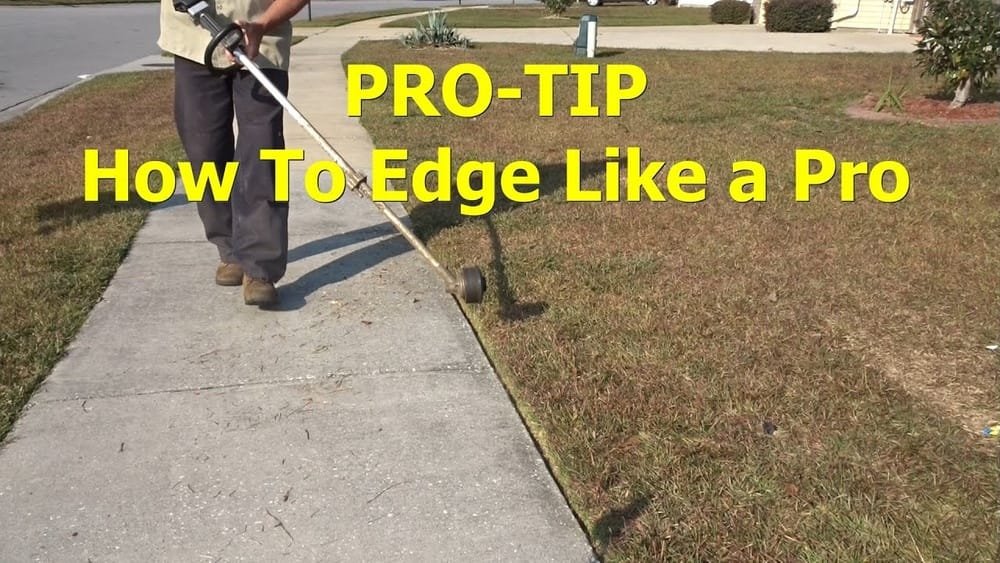
I remember the first time I tried to edge my lawn with a string trimmer. I thought, “How hard can it be? ” But after a few crooked lines and a bit of frustration, I realized it’s not as easy as it looks.
Over time, I picked up tricks that made a huge difference. If you’re new to edging with a string trimmer, or you just want better results, let me walk you through everything I’ve learned. I’ll share my best tips, mistakes I made, and how you can get those clean, professional edges without feeling stressed.
Why Edging Matters
A tidy edge changes the look of your yard. When the grass is neat along sidewalks and driveways, it feels finished and well cared for. I noticed right away that people complimented my yard more when I edged it properly.
It’s not just about looks, though. Edging also keeps grass from creeping into your garden beds and sidewalks. This makes yard care easier in the long run.
Getting To Know Your String Trimmer
Before you start, it helps to know your tool. Not all string trimmers are the same. Some are gas-powered, others run on electricity or batteries. I started with a corded electric trimmer, but later switched to a cordless one for more freedom.
Here’s a quick comparison I made when choosing:
| Type | Pros | Cons |
|---|---|---|
| Gas-powered | Strong, works anywhere | Loud, heavy, needs fuel |
| Corded Electric | Light, no charging, quiet | Limited by cord |
| Battery-powered | Portable, quiet, light | Battery life limits time |
Pick a trimmer that fits your yard and comfort. If you have a large lawn, battery or gas might be better. For small areas, electric works well.
Safety First
I’ll be honest—my first edging session sent tiny rocks flying toward my legs. I learned fast that safety gear is important. Here’s what I use every time:
- Safety glasses: Protect your eyes from debris.
- Long pants and shoes: Save your skin from cuts and scrapes.
- Ear protection: For gas trimmers, which are loud.
Trust me, it’s better to look a bit silly than to get hurt.
Preparing Your Lawn
Before edging, I always do a quick check. Pick up sticks, stones, or anything the trimmer could hit. If you have kids, check for toys hiding in the grass. I once hit a plastic dinosaur—it wasn’t pretty.
If your grass is very long, mow it first. Edging works best when the grass is trimmed short. This gives you a clear view and a crisp line.
How To Hold And Position The Trimmer
This step made a big difference for me. When I first started, I held the trimmer at odd angles and got wavy lines. Now, I do this:
- Hold the main handle with your dominant hand.
- Place your other hand on the support handle for balance.
- Stand upright and keep your arms relaxed.
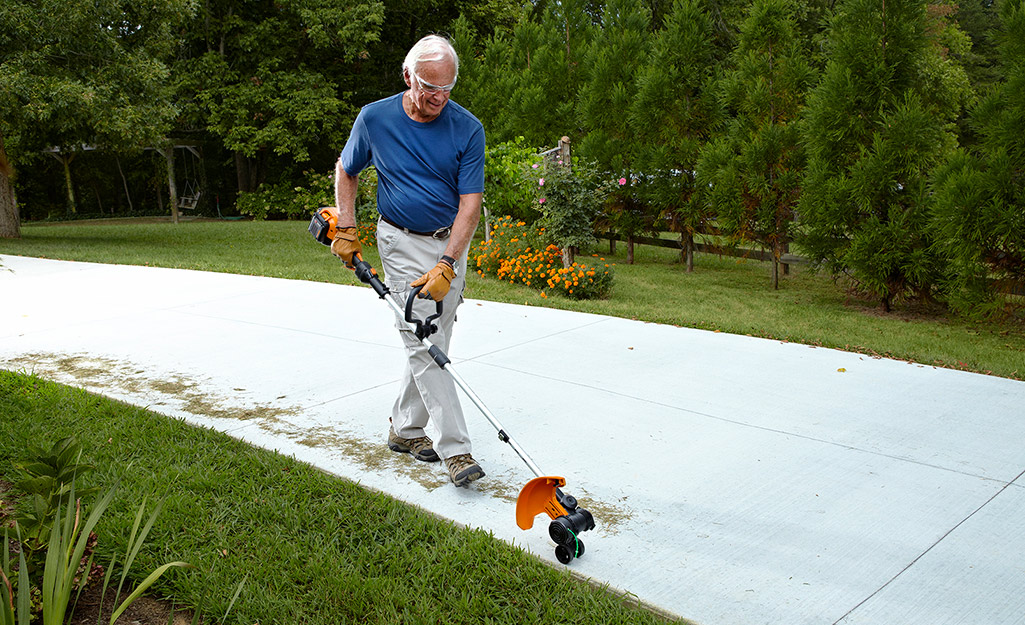
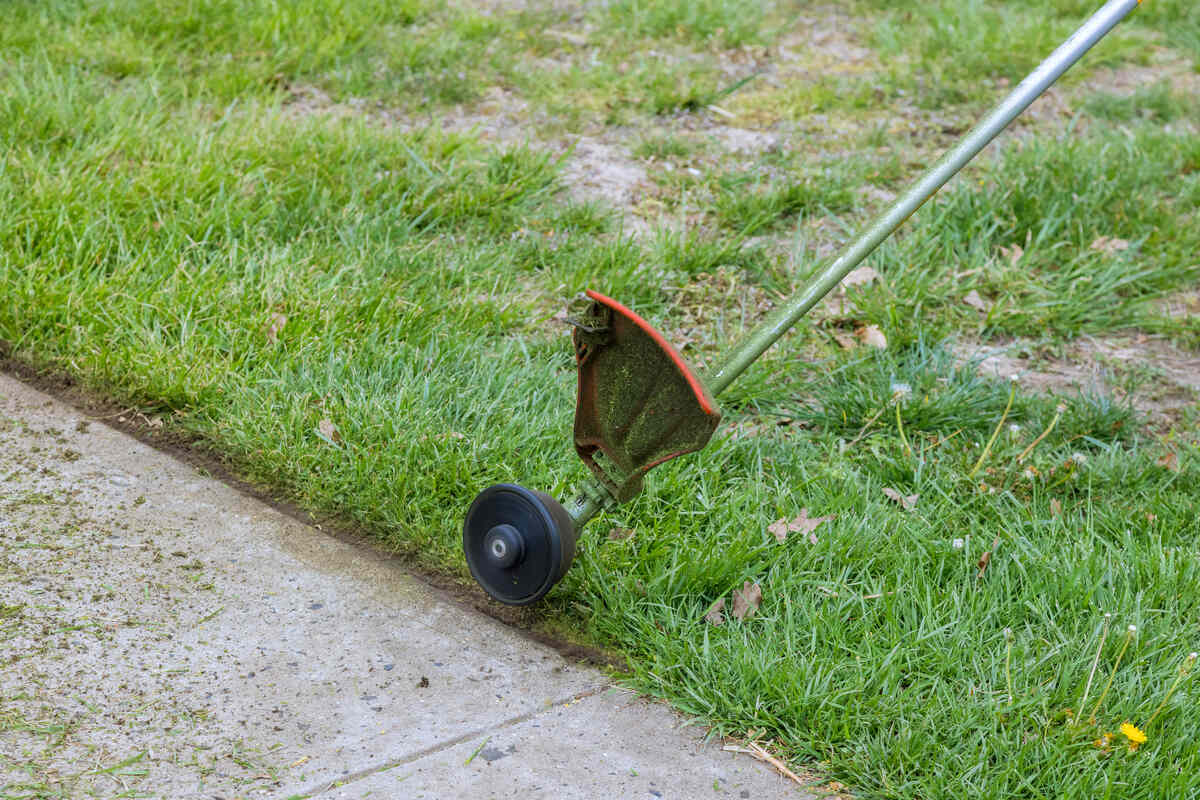
I tilt the trimmer so the spinning line is vertical. This means the cutting head is sideways, not flat on the ground. It feels strange at first, but it’s how you get a neat edge.
Edging Technique: Step-by-step
Here’s exactly how I edge my lawn with a string trimmer:
- Start at a corner: I find it easier to begin at a clear corner, like where the driveway meets the sidewalk.
- Tilt the trimmer vertically: The line should spin up and down, not side to side.
- Line up with the edge: Let the trimmer line sit right at the boundary between grass and concrete.
- Move slowly: I walk backward, guiding the trimmer along the line. Going slow gives me more control.
- Let the trimmer do the work: Don’t force it. The spinning line cuts the grass cleanly if you let it.
- Overlap passes: If I miss a spot, I go back over it in a smooth motion.
It took me a few tries to keep the line straight. Don’t worry if your first attempt isn’t perfect. With practice, it gets much easier.
Common Mistakes (and How To Avoid Them)
I wish someone had told me about these when I started:
- Digging too deep: If you press too hard, you’ll make a trench. I did this and ended up with an ugly groove. Keep the line just above the soil.
- Going too fast: Rushing makes the edge uneven. Slow and steady really wins here.
- Letting the line get too short: When the string gets short, it won’t cut well. Check your trimmer and replace the line as needed.
- Ignoring obstacles: I once hit a sprinkler head. Now, I edge carefully around obstacles and finish tricky spots by hand.
Edging Different Areas
Not all edges are the same. Here’s how I handle each one:
Along Sidewalks And Driveways
These are the easiest. The hard surface helps guide the trimmer. I keep the spinning line right at the edge, and walk slowly. If there’s overgrown grass, I make a few passes.
Garden Beds
Here you need more care. I edge a few inches away from the flowers to avoid cutting them. Sometimes, I use a piece of cardboard as a shield. This keeps mulch and soil in place.
Curved Edges
Curves can be tricky. I slow down even more and turn my body with the shape of the bed. Short, gentle movements help keep the line neat.

Maintaining Your String Trimmer
A well-kept tool works better and lasts longer. I learned this the hard way when my trimmer jammed in the middle of a job. Now, I always:
- Clean the head: After each use, I brush off grass and dirt.
- Check the line: If it’s low, I refill it before starting.
- Inspect for damage: Look for cracks or loose parts.
Here’s a quick look at the parts I check most:
| Part | Check for | How often |
|---|---|---|
| Trimmer line | Length, wear | Every use |
| Guard | Cracks, secure fit | Monthly |
| Handles | Tightness | Monthly |
Choosing The Right Trimmer Line
Not all trimmer lines are the same. I used to grab whatever was on sale, but I found that the right line makes a big difference. There are two main types:
- Round line: Good for light trimming and easy to use.
- Twisted or square line: Cuts thicker grass and gives a cleaner edge.
Here’s a quick comparison that helped me decide:
| Line Type | Best For | Durability |
|---|---|---|
| Round | Regular grass | Medium |
| Twisted/Square | Thick or tough grass | High |
If you have thick weeds or tough grass, go for the twisted line. For regular lawns, round works fine.
Practical Tips For A Professional Edge
Let me share a few tips that took my edges from rough to sharp:
- Edge when grass is dry: Wet grass sticks to the trimmer and makes a mess.
- Edge every mowing: I edge every time I mow. It keeps the lines neat and takes less time.
- Use landmarks: I use the edge of the sidewalk as a guide for straight lines.
- Switch sides for comfort: If you get tired, switch hands to avoid fatigue.
One thing I didn’t expect: the smell of fresh-cut grass right after edging. It’s one of my favorite parts of yard work.
Troubleshooting Common Problems
Sometimes things go wrong, even with practice. Here’s how I handle the most common problems:
- Uneven edges: Slow down and check your line’s length.
- String breaks too often: You may be using the wrong line or hitting hard objects.
- Trimmer jams: Stop, unplug or turn off the trimmer, and clear any debris.
- Trimmer won’t start: Check the battery, cord, or fuel level.
Don’t get discouraged. A small problem is easy to fix with a little patience.
Environmental And Neighborly Considerations
I try to edge at reasonable hours. Early morning or late evening can annoy neighbors. I also sweep up clippings from sidewalks and driveways. It keeps the area tidy and shows respect for others.
If you have a garden bed with mulch, be gentle. The trimmer can throw mulch everywhere if you’re not careful. I sometimes use a shovel or manual edger for the last few inches.
Level Up: Edging Patterns And Designs
Once you’re comfortable, you can get creative. I like to add gentle curves or sharp corners to give my yard a unique look. Some people even do patterns in their edges, like waves or geometric shapes. If you try this, mark your pattern with string before edging.
The Real Benefits Of Edging With A String Trimmer
After years of practice, I can say edging with a string trimmer is worth the effort. Here’s what I noticed:
- My yard looks neat and well cared for.
- Less grass grows into flower beds and sidewalks.
- Mowing is easier because the boundaries are clear.
- The property value might even go up—a tidy lawn makes a good impression.
Frequently Asked Questions
How Often Should I Edge My Lawn?
I edge every time I mow, which is about once a week in spring and summer. If your grass grows slowly, every other week is fine. Regular edging keeps the lines sharp and takes less time.
Can I Edge With Any String Trimmer?
Most string trimmers can edge, but some are easier to use. Look for one with a rotating head or edging guide. Even basic models work if you tilt them vertically and move slowly.
What’s The Best Time Of Day To Edge?
I prefer late morning or early evening, when the grass is dry but it’s not too hot. Avoid edging right after rain, as wet grass makes a mess and can clog the trimmer.
How Do I Avoid Damaging Sidewalks And Driveways?
Keep the spinning line just at the edge, not pressed against the hard surface. Go slow, and let the trimmer do the work. If you notice sparks or chips, you’re too close.
Where Can I Learn More About Lawn Care Tools?
If you want more details on string trimmers and other lawn equipment, check out the resources at Wikipedia.
Taking the time to edge with a string trimmer has made my yard stand out. It’s a small job with a big impact. With practice, you’ll find your own rhythm and style. Don’t worry about getting it perfect the first time—just enjoy the process, and your lawn will look better every week.
As an Amazon Associate, We earn from qualifying purchases