
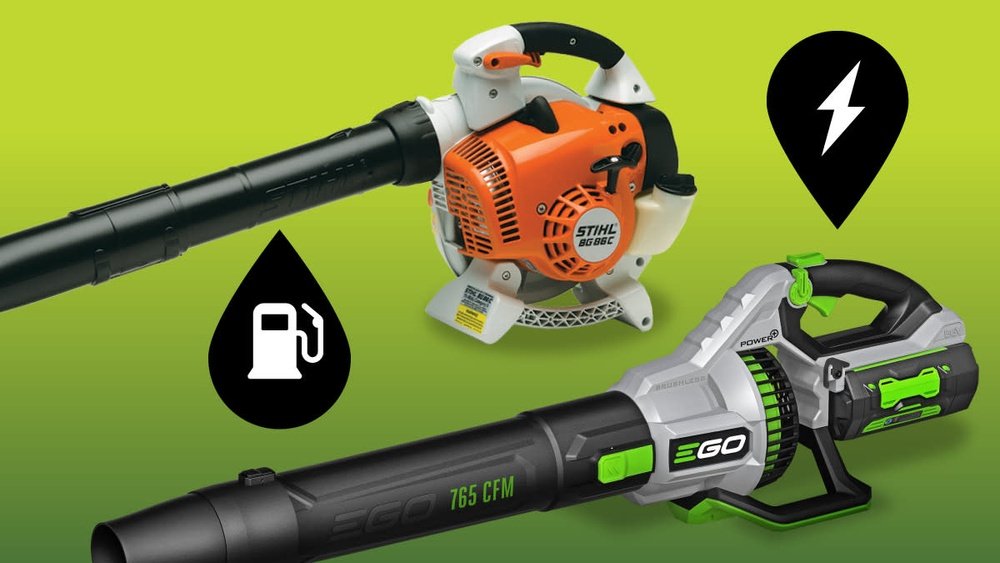
Choosing the right leaf blower can make your yard work much easier, but the decision between gas vs electric leaf blower is not always simple. Both types have passionate fans, and both have situations where they work best. If you have ever stood in a hardware store or scrolled through online reviews, you know how confusing it can be. Are gas blowers really that powerful? Are electric blowers as weak as some people say? Is the noise a deal breaker? And what about the environment? This guide will walk you through every important detail, using real examples, data, and practical advice to help you choose with confidence.
What Is A Leaf Blower And Why Does It Matter?
A leaf blower is a tool that uses air to move leaves, grass clippings, and small debris. It can save you hours of raking and is a must-have for many homeowners. There are two main types: gas-powered and electric-powered. Each type has fans and critics. Understanding the differences helps you pick the right one for your needs, budget, and yard size.
Gas Leaf Blowers: Power And Performance
Gas leaf blowers have been around for decades. They use small gasoline engines to produce strong airflow. Many professional landscapers prefer them because of their power and mobility.
Strengths Of Gas Leaf Blowers
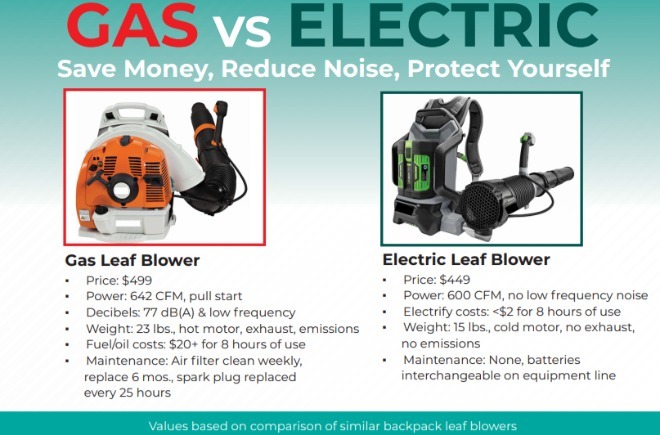
- High Power Output: Most gas blowers offer more cubic feet per minute (CFM) and miles per hour (MPH) than electric models. For example, a top gas blower might deliver 700 CFM at 200 MPH, while a strong electric model might peak at 600 CFM.
- Unlimited Runtime: As long as you have gas, you can work. You are not limited by battery life or cord length.
- Durability: Gas blowers are built to handle tough jobs, wet leaves, and big piles.
- Freedom of Movement: There are no cords, and they usually come in backpack or handheld styles for comfort.
Weaknesses Of Gas Leaf Blowers
- Noise: Gas blowers are loud, usually between 70–90 decibels. Some cities ban them during certain hours.
- Pollution: They produce exhaust, which adds to air pollution. The EPA reports that gas-powered landscaping equipment creates as much as 5% of US air pollution.
- Maintenance: Gas engines need oil changes, air filter cleaning, and spark plug checks.
- Heavier: Gas models usually weigh more, especially backpack styles, which can cause fatigue.
Typical Use Cases For Gas Blowers
- Large yards or commercial properties
- Heavy, wet leaves or debris
- Jobs far from electrical outlets
Electric Leaf Blowers: Clean And Convenient
Electric leaf blowers have become much more popular in recent years. Technology has improved, and now they offer real competition to gas models.
Types Of Electric Leaf Blowers
There are two main types:
- Corded Electric Blowers: Plugged in for constant power
- Cordless (Battery-Powered) Blowers: Use rechargeable batteries for portability
Strengths Of Electric Leaf Blowers
- Quiet Operation: Most electric models operate at 50–65 decibels. This is much quieter than gas models.
- Low Maintenance: No oil changes, no spark plugs, just keep the battery charged or plug it in.
- Lightweight: Most handheld electric blowers weigh 5–8 lbs, while gas models can weigh 10–20 lbs.
- Eco-Friendly: No exhaust fumes. Running on electricity is better for the planet.
- Easy Start: Just push a button—no pulling cords or priming engines.
Weaknesses Of Electric Leaf Blowers
- Limited Power: While modern battery blowers are strong, few match the top gas models for raw power.
- Battery Life: Most batteries last 20–60 minutes. You may need extra batteries for big jobs.
- Cord Limitations: Corded models are limited to about 100 feet from an outlet.
- Initial Cost: High-quality battery models can cost as much as gas models, especially if you buy extra batteries.
Typical Use Cases For Electric Blowers
- Small to medium yards
- Neighborhoods with noise restrictions
- People who prefer less maintenance
Head-to-head Comparison: Gas Vs Electric Leaf Blower
Let’s compare the two types directly using important features.
| Feature | Gas Leaf Blower | Electric Leaf Blower |
|---|---|---|
| Power (CFM/MPH) | High (up to 700 CFM, 200 MPH) | Moderate–High (up to 600 CFM, 180 MPH) |
| Weight | 10–20 lbs | 5–8 lbs (handheld) |
| Noise | 70–90 dB | 50–65 dB |
| Runtime | Unlimited (with gas) | 20–60 mins (battery); unlimited (corded) |
| Maintenance | High | Low |
| Cost | Moderate–High | Low–High (battery models expensive) |
| Emissions | High | None |
Key Performance Details
Airflow And Power
CFM (cubic feet per minute) tells you how much air the blower moves. MPH (miles per hour) measures air speed. Gas blowers usually win in both, but modern electric blowers can handle most home needs. For example, the EGO Power+ 650 CFM blower rivals some gas models for blowing force.
Weight And Ergonomics
If you have a large yard, weight matters. After 30 minutes, a heavy blower feels much heavier. Most people find electric blowers easier to handle, especially for older adults or those with injuries.
Noise And Vibration
Gas blowers vibrate more and are much louder. If you live in a quiet neighborhood, electric is usually the better choice. Some cities fine homeowners for using loud equipment.
Starting And Stopping
Gas blowers require pulling a cord and sometimes priming. Electric models start instantly with a button or trigger. This is a big advantage if you need to stop and start often.
Environmental Impact
Gas blowers emit CO, NOx, and hydrocarbons. A single hour of use can pollute as much as driving a modern car for hundreds of miles. Electric blowers have zero tailpipe emissions. If your electricity comes from renewable sources, they are even cleaner.
Cost Breakdown: Upfront And Long-term
Many people focus only on the sticker price, but the total cost of ownership includes fuel, maintenance, and parts.
| Expense | Gas Leaf Blower | Electric Leaf Blower |
|---|---|---|
| Initial Price | $100–$350 (handheld) $200–$600 (backpack) | $50–$300 (corded) $100–$400 (battery) |
| Fuel/Electricity | $30–$60/year (gas, oil) | $5–$15/year (electricity) |
| Maintenance | $20–$50/year | $0–$10/year |
| Battery Replacement | Not needed | $50–$150 (every 3–5 years) |
As you can see, gas blowers can cost more over time, especially if you use them a lot.
Practical Buying Considerations
Yard Size And Terrain
- Small Yards (< 1/4 acre):A corded electric or small battery blower is usually enough.
- Medium Yards (1/4–1/2 acre): High-capacity battery or light gas models work well.
- Large Yards (> 1/2 acre, or lots of trees): Strong gas blowers or top-end battery blowers are best.
Types Of Debris
- Dry leaves: Both types handle these well.
- Wet leaves, pine needles, heavy debris: Gas blowers have more force, but some battery models are catching up.
Local Rules And Restrictions
Some cities limit gas blowers because of noise and emissions. Always check your local laws before buying.
User Health And Comfort
Gas blowers create vibration and fumes. For people with asthma or back pain, electric models are usually more comfortable.
Common Mistakes When Choosing A Leaf Blower
- Ignoring Noise Laws: Some buyers get fined or upset neighbors because they didn’t check noise rules.
- Overestimating Needs: Many people buy a big gas blower for a small yard and never use its full power.
- Underestimating Battery Needs: For larger jobs, you may need a second battery or to wait for a recharge.
- Forgetting Maintenance: Gas blowers need more care. Skipping this leads to breakdowns.
- Confusing CFM with MPH: Both numbers matter. High MPH with low CFM means fast air, but not much of it.
Non-obvious Insights Most Beginners Miss
- Battery Age Matters: Battery blowers lose power as batteries age. After 2–3 years, runtime can drop by 20–30%.
- Air Intake Location: Some blowers pull air from the side, which can suck in your clothes and block airflow. Look for rear-intake models if you are right-handed.
- Noise Perception: Decibel numbers are logarithmic. A blower rated at 80 dB is actually twice as loud as one at 70 dB, not just a little louder.
- Resale Value: Gas blowers hold value longer on the used market, but electric models are catching up as demand increases.
- Tool Compatibility: Many brands offer “tool systems.” If you already own a battery-powered string trimmer or mower, you might save money by buying the same brand of blower and using the same batteries.
Real-world Examples
- Suburban Homeowner with Kids: Jane has a 1/4-acre lot with a few trees. She chose a battery-powered blower because it’s quiet and safe to use while her children play. She keeps a spare battery for longer cleanup days.
- Professional Landscaper: Carlos works on large properties. He uses a gas backpack blower for speed and all-day runtime. He checks local noise laws and only works during allowed hours.
- Elderly User: Tom is 75 and values lightweight tools. He picked a corded electric blower because it is light and never runs out of power. He only uses it close to his house, so the cord is not a problem.

Environmental Impact: A Closer Look
The move toward electric is not just about convenience. The California Air Resources Board estimates that using a gas leaf blower for one hour creates as much smog-forming pollution as driving a new car for over 1,100 miles. Electric blowers help reduce this pollution, especially in cities.
Many communities now offer rebates or incentives to switch from gas to electric.
Battery Technology And Range
Battery-powered blowers have improved a lot. Most now use lithium-ion batteries, which are lighter and last longer than old styles.
- Average runtime: 20–60 minutes per charge, depending on speed and battery size
- Charge time: 30–90 minutes for most models
- Tip: If you plan to do your whole yard at once, buy a second battery and keep it charged.
Still, on the highest setting, runtime is much shorter. For big jobs, you may need to work in sections.
Gas Leaf Blower Maintenance Tips
Gas blowers last a long time if you take care of them. Here’s what you should do:
- Change spark plugs once a season
- Clean or replace the air filter every 20–30 hours of use
- Mix fuel and oil at the recommended ratio
- Empty fuel before winter to avoid carburetor problems
Skipping these steps can cause hard starts or engine failure.
Electric Leaf Blower Maintenance Tips
Electric blowers are simple to maintain:
- Keep the battery charged
- Clean the air intake grill after use
- Store in a dry place
- If using corded, check cords for damage
No oil or gas is needed, and repairs are rare.
Safety: What You Need To Know
Both types of blowers can throw rocks or debris. Always wear:
- Safety glasses
- Ear protection (especially with gas blowers)
- Gloves
Never point the blower at people or pets. Be careful with cords to prevent tripping.
Best Situations For Each Type
When To Pick A Gas Leaf Blower
- You have a very large yard or commercial property
- You need the most power for wet leaves or heavy debris
- You will use it for hours at a time and don’t want to stop
When To Pick An Electric Leaf Blower
- Your yard is small or medium-sized
- You want quiet operation
- You prefer less maintenance and no fumes
- You care about the environment
Comparing Popular Models
Let’s look at some well-known models side by side.
| Model | Type | CFM | Weight | Runtime | Noise |
|---|---|---|---|---|---|
| Husqvarna 350BT | Gas (Backpack) | 494 | 22.5 lbs | Unlimited | 94 dB |
| EGO Power+ LB6504 | Electric (Battery) | 650 | 10.6 lbs | 15–60 mins | 65 dB |
| WORX WG520 | Electric (Corded) | 600 | 6.4 lbs | Unlimited | 82 dB |
Each model has strengths, but notice how battery blowers are catching up in power while staying lighter and quieter.
Making Your Final Decision
Think carefully about your yard, your health, and your values. Do you want raw power, or is quiet and clean more important? Are you willing to do some maintenance, or do you want a tool that just works? Also, think about your neighbors and local rules.
If you do a lot of yard work, a spare battery or a high-quality gas model can save time. If you only clean up a few times a year, a simple corded blower may be enough.
If you want more data, visit the Wikipedia page on leaf blowers for in-depth history and technical details.
Frequently Asked Questions
What Is The Difference Between Cfm And Mph In Leaf Blowers?
CFM (cubic feet per minute) tells you how much air the blower moves. MPH (miles per hour) shows how fast the air is moving. High CFM helps move large piles of leaves, while high MPH is good for moving stuck debris. The best blowers balance both numbers.
Can Electric Leaf Blowers Handle Wet Leaves?
Yes, many high-end electric blowers can move wet leaves. But gas blowers still have more raw power for very heavy or soaked piles. If you often deal with wet debris, check the CFM and user reviews for the electric model you want.
How Long Do Batteries Last In Cordless Electric Blowers?
Most batteries last 20–60 minutes per charge, depending on the speed setting and battery size. Over time, battery performance drops. You may need to replace the battery after 3–5 years.
Are Gas Leaf Blowers Being Banned?
Some cities and states have banned or limited gas leaf blowers because of noise and pollution. Always check local laws before buying. Many places allow them only at certain times.
Is A Corded Or Cordless Electric Leaf Blower Better?
Corded blowers are lighter and cost less but are limited by the length of the cord (about 100 feet). Cordless models are more portable but need charged batteries and usually cost more. Choose based on your yard size and how far you need to go from an outlet.
Making the right choice between gas vs electric leaf blower means thinking about your yard, your comfort, and your values. Both options have pros and cons. With the facts and comparisons above, you can pick the best tool for you and keep your yard looking great all year round.
As an Amazon Associate, We earn from qualifying purchases