
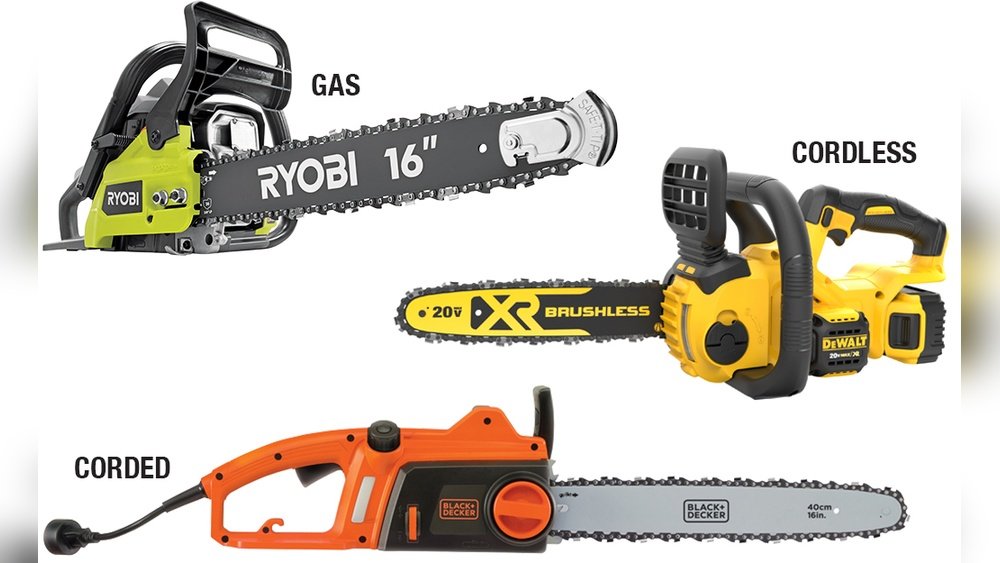
When you need to cut wood, trim branches, or clear storm damage, the right chainsaw can make the job much easier. But which is better—a gas chainsaw or a cordless chainsaw? Many homeowners and professionals struggle with this choice. Both types have strengths and weaknesses, and the right option depends on your needs, experience, and work environment. Let’s break down the details so you can make a confident decision for your next chainsaw purchase.
What Is A Gas Chainsaw?
A gas chainsaw uses a small gasoline engine, usually two-stroke, to power the cutting chain. These machines have been popular for decades, especially among professionals and those with heavy-duty cutting needs. You start them by pulling a cord, and they need a mix of gasoline and oil for fuel. Gas chainsaws are known for their power and ability to handle large trees and thick logs.
What Is A Cordless Chainsaw?
A cordless chainsaw runs on rechargeable lithium-ion batteries. Instead of using fuel, you simply charge the battery and slide it into place. These saws are sometimes called battery-powered chainsaws. They have become more powerful and efficient in recent years, making them a serious choice for both home and light professional use.
Power And Performance
When you need raw power, gas chainsaws often lead the pack. They are built for tough jobs, like felling large trees or cutting thick firewood. A typical gas model can have a bar length from 16 to 24 inches or more, and the engines can deliver high chain speeds.
Cordless chainsaws have improved a lot, but most models are best for light to medium tasks. They usually have bar lengths from 10 to 18 inches. While some high-end cordless models can compete with smaller gas saws, they may struggle with long hours of heavy work.
Example
If you need to cut down a big oak tree, a gas chainsaw will make the job faster. For trimming branches around your yard, a cordless saw is likely strong enough and much easier to manage.
Weight And Handling
Cordless chainsaws are usually lighter than gas chainsaws. The battery adds some weight, but without the heavy engine and fuel, cordless models are easier to lift and control. This is a big advantage if you don’t have much upper body strength or need to work for a long time.
Gas chainsaws can be heavy, especially the larger models. This extra weight helps with stability when cutting thick wood, but it can cause fatigue faster. Older users or those with smaller frames often find cordless models more comfortable.
Non-obvious Insight
Many beginners overlook how quickly chainsaw weight leads to tired arms. Even if you are strong, working overhead or at awkward angles gets tiring. Lighter cordless chainsaws reduce this strain.
Noise And Vibration
Gas chainsaws are loud, usually between 100 and 120 decibels. This is enough to damage hearing if you do not wear protection. They also vibrate a lot, which can make your hands feel numb after long use.
Cordless chainsaws are much quieter. You can have a conversation nearby without shouting. Vibration is also less intense. For work in quiet neighborhoods or near other people, cordless saws are far less disruptive.
Maintenance Needs
Gas chainsaws require regular maintenance:
- Mixing fuel and oil correctly
- Cleaning or replacing air filters
- Checking and changing spark plugs
- Keeping the carburetor clean
If you skip these steps, the saw can be hard to start or run poorly.
Cordless chainsaws need much less care:
- Charge the battery
- Keep the chain oiled and sharp
- Clean debris after use
No need to worry about fuel, spark plugs, or carburetors. This means less downtime and fewer repairs.
Common Mistake
Many new users underestimate the hassle of gas engine maintenance. If you only use your chainsaw a few times a year, a gas saw can become hard to start or may not run at all. Cordless saws, in contrast, are usually ready to go after a quick charge.
Runtime And Refueling
Gas chainsaws can run as long as you have fuel. When the tank runs low, just add more fuel and keep working. This is a big plus for jobs far from home or in the woods.
Cordless chainsaws depend on battery life. Most batteries last between 20 to 40 minutes of continuous cutting. You can buy extra batteries and swap them out, but recharging takes time—often an hour or more.
Practical Example
If you need to clear fallen trees after a storm and can’t return home easily, a gas chainsaw is more practical. For quick jobs around your yard, cordless models are more than enough.
Cost To Buy And Own
Gas chainsaws often cost less to buy, especially for entry-level models. However, the long-term cost can be higher because of fuel, oil, spark plugs, and repairs.
Cordless chainsaws have a higher upfront price, especially if they come with batteries and chargers. But they have lower running costs—no fuel, fewer replacement parts, and less maintenance.
Here is a quick side-by-side look:
| Type | Initial Price | Running Costs |
|---|---|---|
| Gas Chainsaw | Lower | Higher (fuel, oil, parts) |
| Cordless Chainsaw | Higher (with battery) | Lower (mainly electricity) |
Environmental Impact
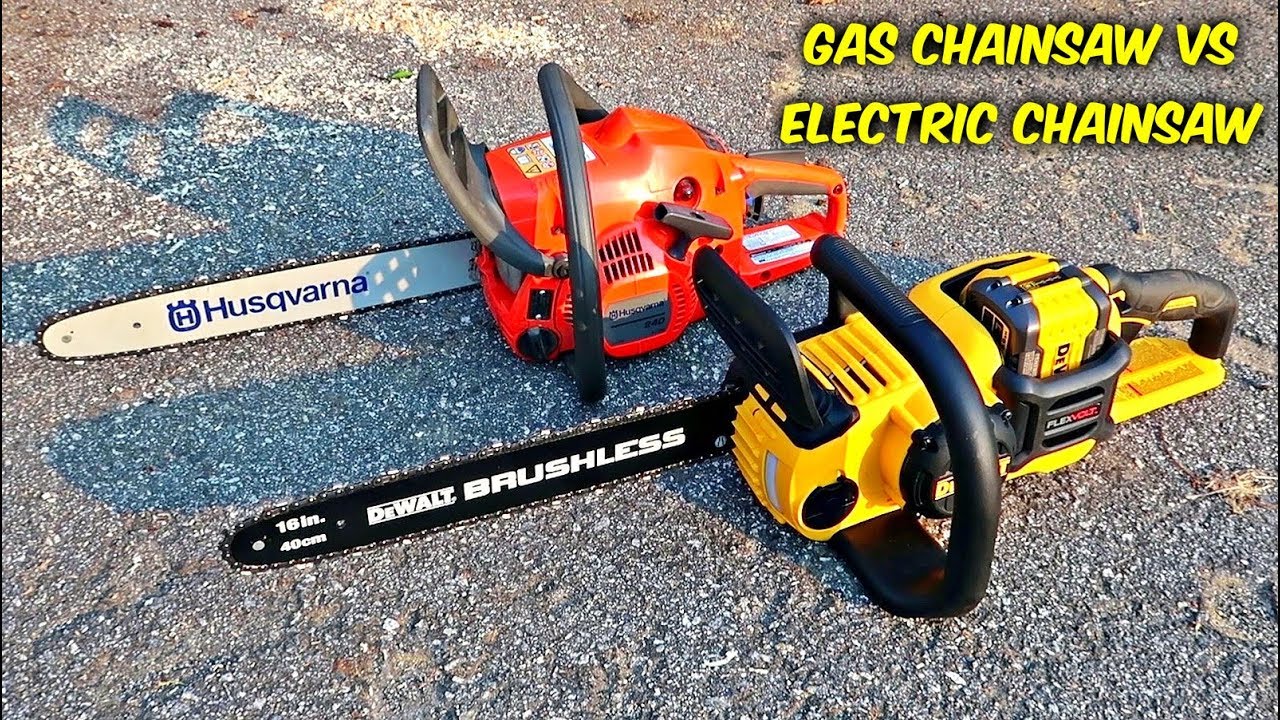
Gas chainsaws produce exhaust and burn fossil fuels, which release greenhouse gases and other pollutants. Even small engines can make a big impact over time, especially if you use the saw often.
Cordless chainsaws are much cleaner. They do not produce direct emissions. If you charge your batteries with renewable energy, the environmental impact is even smaller.
Non-obvious Insight
Some cities and neighborhoods are starting to limit or ban gas-powered equipment because of air and noise pollution. A cordless chainsaw could help you avoid future restrictions.
Safety Considerations
All chainsaws are dangerous if used incorrectly. However, gas chainsaws can kick back more due to their extra power and weight. The noise and vibration can also make it harder to notice problems while cutting.
Cordless chainsaws are often viewed as safer for beginners. They start with a button instead of a pull cord, and many models have extra safety features like chain brakes or low-kickback chains.
No chainsaw is risk-free—always wear protective gear and read the manual.
Portability And Convenience
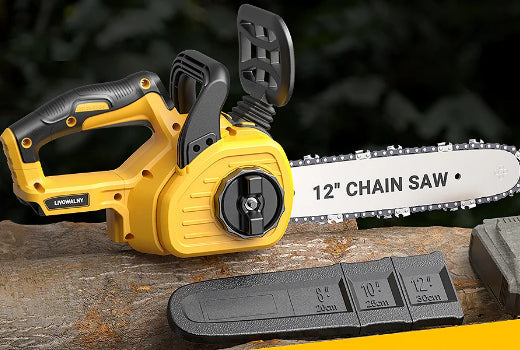
Cordless chainsaws are simple to transport. No need to bring fuel cans, and you can store them in your car without worrying about spills or fumes. They are also easier to start—just push a button and go.
Gas chainsaws require careful handling and storage. You must bring extra fuel, and the smell of gas can linger in your vehicle or garage. Starting a cold gas engine can be hard, especially in cold weather.
Who Should Choose A Gas Chainsaw?
You may prefer a gas chainsaw if:
- You cut large trees or thick logs often
- You need long, uninterrupted runtime
- Your work takes you far from electricity
- You are experienced with small engines and maintenance
Gas saws are the top choice for professional loggers, landscapers, and those who live on large properties with heavy wood needs.
Who Should Choose A Cordless Chainsaw?
A cordless chainsaw is likely better if:
- You mostly do light to medium cutting (branches, small trees)
- You value quiet operation and less vibration
- You want simple maintenance
- You live in a noise-sensitive area or want to avoid emissions
Cordless models are perfect for homeowners, gardeners, and anyone who wants quick, easy cutting without the hassle of fuel or engine care.
Comparison Table: Key Features
Below is a summary of how gas and cordless chainsaws compare on important factors:
| Feature | Gas Chainsaw | Cordless Chainsaw |
|---|---|---|
| Power | High (professional grade) | Medium (improving) |
| Runtime | Unlimited (with fuel) | Limited (20-40 min per battery) |
| Noise | Loud (100+ dB) | Much quieter |
| Maintenance | Frequent and technical | Simple and minimal |
| Weight | Heavier | Lighter |
| Environment | Emits exhaust | Zero direct emissions |
Real-world Scenarios
Storm Cleanup
If a big storm drops trees across your driveway, a gas chainsaw will clear thick trunks without stopping. However, for clearing branches or small trees, a cordless chainsaw can handle the job quickly, especially if you keep a spare battery charged.
Firewood Cutting
For large volumes of firewood, a gas chainsaw is usually faster. You can keep working for hours with more fuel. But if you only cut a small amount each winter, a cordless chainsaw is easier to manage and store.
Home Gardening
Trimming hedges, pruning fruit trees, or cutting small logs is simple with a cordless chainsaw. There’s no worry about mixing fuel or struggling with a pull start.
Noteworthy Brands And Models
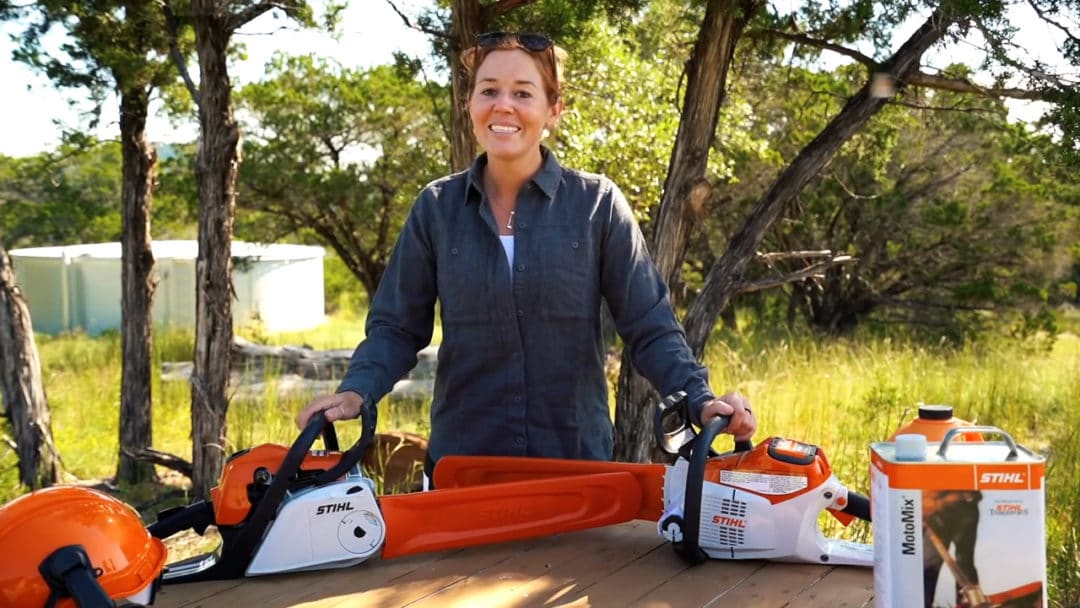
Gas chainsaws: Stihl, Husqvarna, and Echo are respected brands with many professional models. For example, the Stihl MS 271 is a popular choice for both pros and serious homeowners.
Cordless chainsaws: Brands like DeWalt, Makita, and Greenworks offer strong cordless options. The DeWalt 60V MAX chainsaw is often recommended for its balance of power and weight.
Common Buyer Mistakes
- Buying too much power: Many people buy a gas chainsaw expecting to use it often, but then find it is too heavy and hard to start for small jobs. A cordless model may be all you need.
- Ignoring maintenance needs: Gas chainsaws left unused can develop problems that make them hard to start. If you don’t want to learn engine maintenance, cordless is better.
- Underestimating battery needs: For bigger jobs, you may need more than one battery. Budget for an extra battery if you pick a cordless chainsaw.
Quick Reference: Pros And Cons
| Gas Chainsaw | Cordless Chainsaw | |
|---|---|---|
| Pros | – High power – Long runtime – Suitable for heavy duty | – Lightweight – Easy maintenance – Quiet and clean |
| Cons | – Heavy – Noisy – Needs regular maintenance | – Limited runtime – Less powerful – Battery costs |
Final Thoughts
Both gas chainsaws and cordless chainsaws have their place. The right choice comes down to your actual needs, experience, and work environment. If you face heavy, all-day cutting, a gas chainsaw is probably best. For lighter, quick jobs, or if you want less maintenance and noise, cordless chainsaws shine. Always consider what you’ll really use the saw for—not just what looks powerful in the store.
If you want more technical details, you can check the Wikipedia chainsaw page for more background.
Frequently Asked Questions
How Long Does A Cordless Chainsaw Battery Last?
Most cordless chainsaw batteries last between 20 to 40 minutes of continuous cutting. Real-world use depends on the wood type and thickness. Harder wood drains batteries faster.
Can A Cordless Chainsaw Cut Large Trees?
Some high-end cordless chainsaws can cut small to medium trees, but they may struggle with very thick trunks or tough hardwood. For large trees, a gas chainsaw is usually better.
Are Gas Chainsaws Harder To Start?
Yes, gas chainsaws often require several pulls of the starter cord, especially if cold or poorly maintained. Cordless chainsaws usually start instantly with a button.
Do Cordless Chainsaws Need Oil?
Yes, all chainsaws need bar and chain oil to keep the chain moving smoothly. Cordless saws do not need fuel, but you should always check and refill the oil.
Which Chainsaw Is Safer For Beginners?
Cordless chainsaws are usually considered safer. They are lighter, quieter, and have easier controls. However, all chainsaws can be dangerous if not used correctly. Always read the manual and wear protection.
As an Amazon Associate, We earn from qualifying purchases