
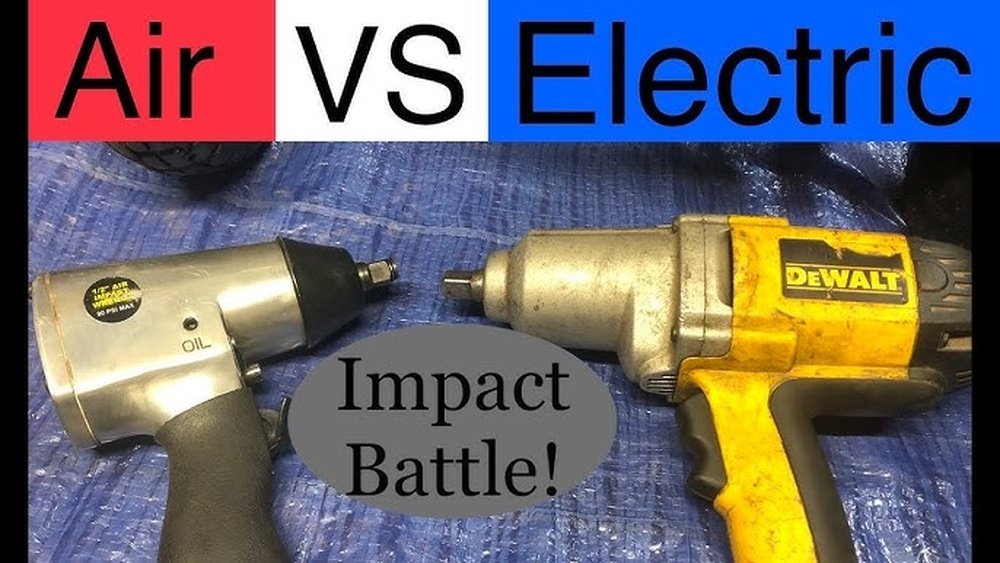
Electric Vs Pneumatic Impact Wrench: Which Is Best For You?
Choosing between an electric impact wrench and a pneumatic impact wrench can be confusing. Both tools loosen and tighten bolts quickly, making them essential for auto repair, construction, and maintenance. But they work differently and offer unique advantages. If you want to buy the right tool, or just want to understand the difference, this guide will help you make the best decision.
Impact wrenches save time and effort compared to manual tools. But if you pick the wrong type, you may spend extra money, use more energy, or even damage your equipment. Many beginners overlook key factors—such as air compressor size, power source, and portability—which can lead to disappointment.
This article will explain everything clearly, using simple English. You’ll learn how each wrench works, how they compare, and which one fits your needs.
What Is An Impact Wrench?
An impact wrench is a tool that delivers strong, sudden torque to loosen or tighten nuts, bolts, and fasteners. The tool uses a hammering mechanism inside to produce powerful impacts. This makes it much easier to remove stuck or rusty bolts.
There are two main types:
- Electric impact wrenches: Powered by electricity (corded or battery)
- Pneumatic impact wrenches: Powered by compressed air
Both types are popular in auto shops, tire repair, factories, and even home garages.
How Electric Impact Wrenches Work
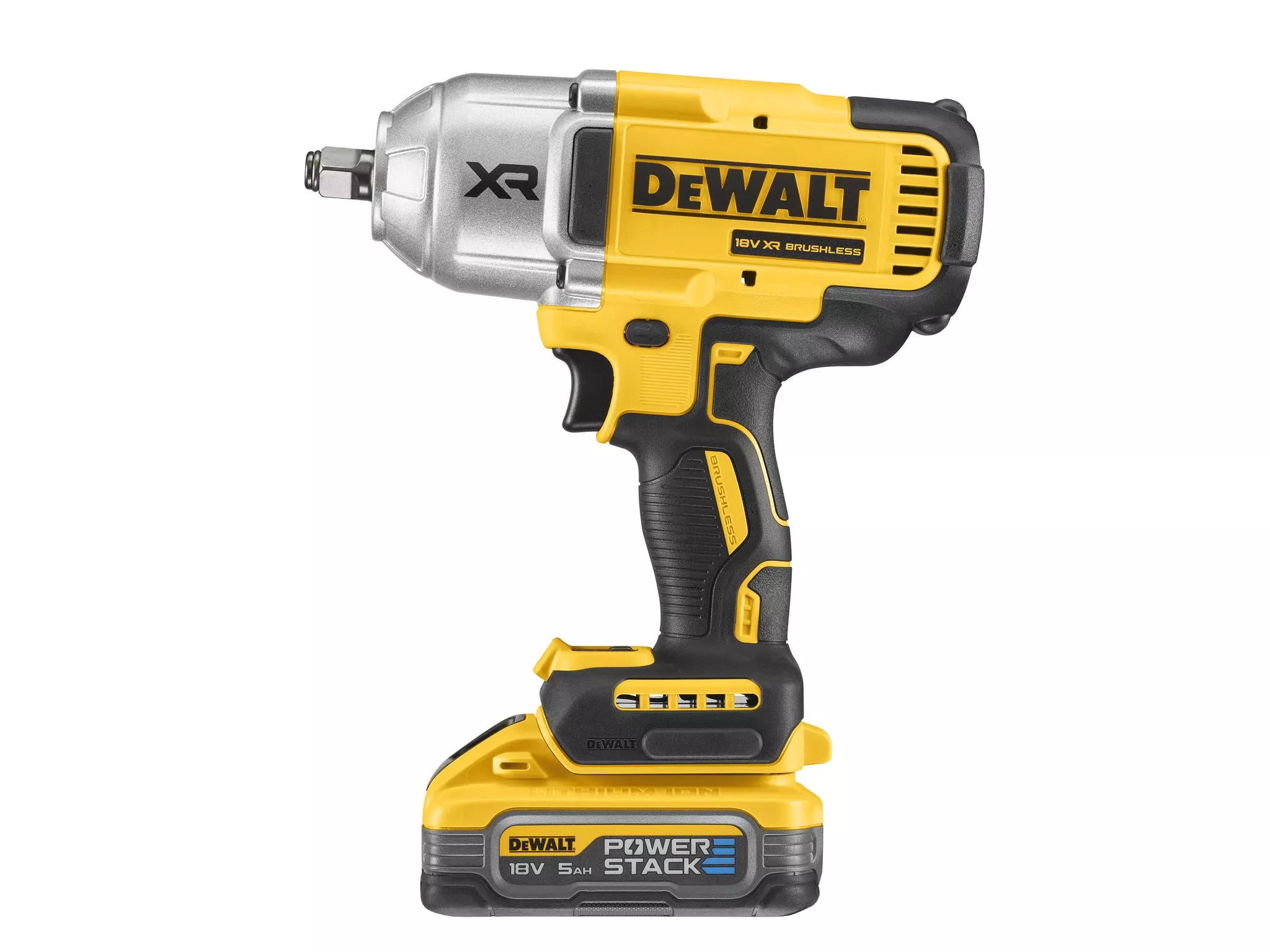
Electric impact wrenches use an electric motor to spin a hammer mechanism. This mechanism strikes the output shaft, creating a burst of torque. Most electric impact wrenches come in two styles:
- Corded models: Plugged into a wall outlet, offering steady power
- Cordless models: Powered by rechargeable batteries, offering mobility
Many people choose electric impact wrenches because they are simple to use. They don’t require an air compressor, and you can use them almost anywhere. Modern cordless models are especially popular for their convenience.
Key Features
- Power source: Electricity (AC outlet or battery)
- Portability: Cordless models are portable; corded models require a power outlet
- Ease of use: Plug and play, no extra equipment needed
Common Uses
- Tire changing
- Home and garage projects
- Construction work
- Light industrial tasks
How Pneumatic Impact Wrenches Work
Pneumatic impact wrenches use compressed air to drive a hammer mechanism. Air flows into the tool, turning the motor, which delivers powerful impacts to the shaft. These wrenches are common in professional auto shops and factories where compressed air is available.
You need an air compressor to use a pneumatic impact wrench. The compressor must be powerful enough to supply the required air pressure (usually 90–120 PSI).
Key Features
- Power source: Compressed air
- Portability: Limited; needs air hose and compressor
- Durability: Designed for heavy, frequent use
Common Uses
- Auto shops (tire changing, engine work)
- Heavy equipment maintenance
- Industrial assembly lines
Electric Vs Pneumatic: Performance Comparison
Let’s compare the two types using a simple table:
| Feature | Electric Impact Wrench | Pneumatic Impact Wrench |
|---|---|---|
| Power Output | Moderate to High (up to 1,000 ft-lbs) | Very High (1,000+ ft-lbs) |
| Weight | Heavier (due to motor/battery) | Lighter (no motor or battery) |
| Noise Level | Lower | Higher |
| Maintenance | Low | Medium |
| Setup Time | Instant | Requires compressor setup |
| Portability | High (especially cordless) | Low |
| Cost | Higher (but no compressor needed) | Lower for tool; compressor adds cost |
Power And Torque
- Pneumatic impact wrenches generally offer more torque, making them better for heavy-duty jobs.
- Electric impact wrenches can still deliver high torque (some models up to 1,000 ft-lbs), but often less than pneumatic tools.
Speed
- Pneumatic tools have higher RPM, allowing faster removal of bolts.
- Electric tools are slower, but modern models can still compete.
Weight
- Pneumatic wrenches are lighter because they don’t have a battery or motor.
- Electric models can be heavy, especially cordless types.
Noise
- Pneumatic wrenches are noisy due to the air compressor and internal mechanism.
- Electric wrenches are quieter—good for home use.

Advantages Of Electric Impact Wrenches
- Easy setup: No air compressor or hoses needed. Just plug in or charge the battery.
- Portability: Cordless models can be used anywhere, even outside or in tight spaces.
- Low maintenance: Few moving parts. No oiling or air filter changes.
- Quiet operation: Less noise compared to pneumatic tools.
- Versatility: Can be used for cars, bikes, home repairs, and construction.
Many users overlook battery capacity. A high-torque cordless wrench will drain the battery quickly. Always check battery specs before buying.
Advantages Of Pneumatic Impact Wrenches
- High torque: Great for tough bolts and heavy machinery.
- Lightweight: Easier to handle for long periods.
- Durability: Built for continuous, professional use.
- Cost-effective: Tool itself is cheaper; but compressor adds to total cost.
- Consistent power: No battery fading; compressor provides steady pressure.
A common mistake is to underestimate compressor size. If your compressor is too small, the wrench won’t perform well. Check CFM (cubic feet per minute) and PSI ratings.
Disadvantages Of Electric Impact Wrenches
- Battery life: Cordless models need frequent charging, especially during heavy use.
- Weight: Batteries and motors add bulk, making it harder to use overhead.
- Initial cost: High-quality electric wrenches can be expensive.
Some models overheat if used continuously. Let the tool cool after long sessions.
Disadvantages Of Pneumatic Impact Wrenches
- Limited mobility: You need to stay near the compressor.
- Setup time: Compressor, hoses, and oil need regular care.
- Noise: Can be loud and disturbing.
- Extra equipment: Compressor, hoses, fittings—more things to buy and maintain.
Beginners often forget about air hose length and quality. Cheap hoses can reduce performance.
Choosing The Right Impact Wrench
Your choice depends on:
- Where you will use it: Garage, workshop, outdoors, professional shop
- Type of jobs: Light repairs, tire changes, engine work, industrial tasks
- Budget: Tool price plus any extra equipment
- Power needs: How much torque is required
Example Scenarios
- Home garage: Electric cordless wrench is best—easy, portable, and quiet.
- Professional auto shop: Pneumatic wrench preferred—high torque, light weight, and built for daily use.
- Construction site: Cordless electric wrench works well—no need for compressor.
- Heavy equipment maintenance: Pneumatic wrench is ideal for tough bolts.
Cost Comparison
Here’s a simple price comparison:
| Type | Tool Price | Extra Equipment | Total Cost |
|---|---|---|---|
| Electric Cordless | $150–$400 | Batteries ($50–$150) | $200–$550 |
| Pneumatic | $80–$200 | Compressor ($200–$600), hoses ($30–$80) | $310–$880 |
| Electric Corded | $100–$250 | None | $100–$250 |
Electric wrenches may seem expensive, but you don’t need a compressor. Pneumatic tools are cheaper by themselves, but the compressor and hoses quickly add up.
Maintenance And Longevity
- Electric wrenches: Clean dust, check battery, and avoid overheating. Replace batteries every 2–3 years.
- Pneumatic wrenches: Lubricate regularly, clean air filters, check hoses for leaks, and drain compressor tank.
If you use the wrench daily, pneumatic models last longer. For occasional use, electric wrenches are fine.
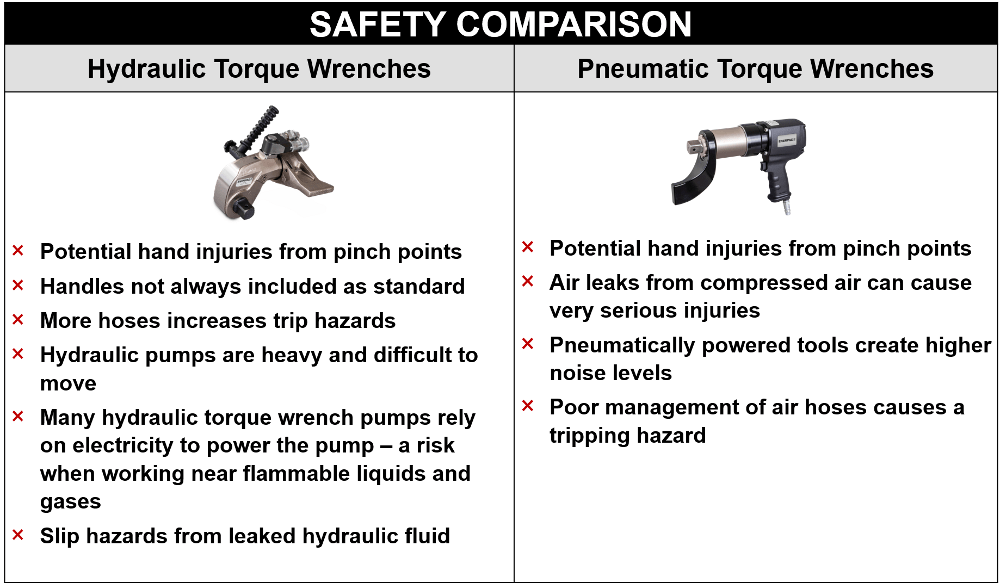
Safety Tips
- Always wear eye protection when using impact wrenches.
- Keep fingers away from moving parts.
- Don’t use damaged sockets—they can shatter.
- For pneumatic wrenches: Check hoses and fittings before use.
- For electric wrenches: Charge batteries fully and avoid water.
Many beginners forget to use impact-rated sockets. Regular sockets can break or cause injury.
Real-world Examples
- Auto mechanics: Most professional shops use pneumatic impact wrenches for speed and power.
- DIY users: Home mechanics prefer electric cordless wrenches for convenience.
- Industrial workers: Pneumatic wrenches are common in factories for their durability.
Some top brands for electric wrenches include Milwaukee, DeWalt, and Makita. For pneumatic, Ingersoll Rand and Chicago Pneumatic are favorites.
Not-so-obvious Insights
- Compressor duty cycle matters: If your compressor isn’t rated for continuous use, it may overheat or fail. Always check duty cycle before buying.
- Battery compatibility: Some electric wrenches only accept specific batteries. Mixing brands can lead to poor performance or even damage.
- Socket size limit: Pneumatic wrenches often handle larger sockets, making them better for trucks and heavy equipment.
For further reading on impact wrenches, visit Wikipedia.
Frequently Asked Questions
What Is The Main Difference Between Electric And Pneumatic Impact Wrenches?
The main difference is the power source. Electric wrenches use electricity (corded or battery), while pneumatic wrenches use compressed air. This affects portability, power, and setup.
Which Impact Wrench Is Better For Home Use?
An electric cordless impact wrench is usually best for home use. It’s portable, easy to set up, and doesn’t need extra equipment.
Can I Use A Pneumatic Impact Wrench Without A Compressor?
No. A pneumatic impact wrench needs an air compressor to supply compressed air. Without a compressor, it won’t work.
Are Pneumatic Impact Wrenches Stronger Than Electric Ones?
Generally, yes. Pneumatic wrenches deliver higher torque and are better for heavy-duty jobs. However, modern electric wrenches can also provide strong performance.
What Maintenance Is Needed For Each Type?
Electric wrenches need battery care and dust cleaning. Pneumatic wrenches need regular lubrication, air filter checks, and hose inspections.
—
Finding the right impact wrench can make your work faster and safer. If you value portability and easy setup, electric models are great. For power and durability, pneumatic wrenches are best. Consider your tasks, workspace, and budget before choosing. Whether you’re a professional or a hobbyist, understanding these tools will help you get the job done right.
As an Amazon Associate, We earn from qualifying purchases