
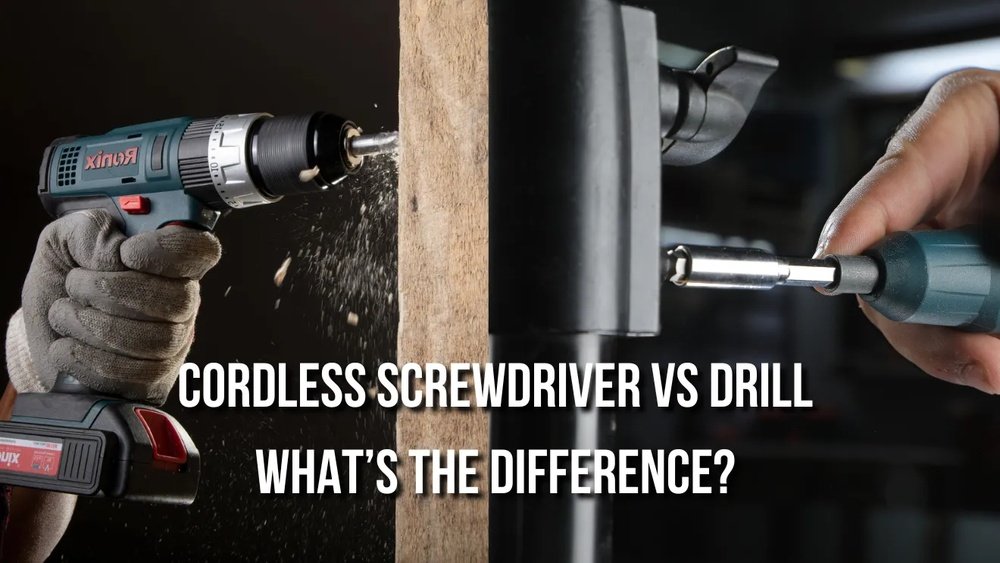
Cordless Drill Vs Cordless Screwdriver: Which Tool Should You Choose?
Choosing between a cordless drill and a cordless screwdriver can be confusing, especially if you are new to DIY or home improvement. Both tools look similar and seem to do the same job—driving screws. But they are actually designed for different tasks. Picking the right tool can save you time, money, and effort. In this guide, you’ll learn the differences, advantages, limitations, and practical advice for each tool. By the end, you’ll know exactly which tool fits your needs.
What Is A Cordless Drill?
A cordless drill is a powerful tool that can drill holes and drive screws. It is battery-powered, so you don’t need to worry about cords or outlets. Cordless drills are popular for home use, construction, and woodworking.
Cordless drills come in many sizes and power levels. Some can drill through tough materials like wood, metal, or even masonry. Most models have adjustable speeds and torque, letting you control how fast and hard you drill.
Modern drills use lithium-ion batteries. These batteries are light, charge fast, and last long. For example, a 20V cordless drill can run for hours on a single charge.
Key Features
- Variable speed trigger: Lets you control the drilling speed.
- Adjustable clutch: Prevents over-driving screws or damaging material.
- Chuck size: Usually 3/8” or 1/2”, determines what bit sizes you can use.
- Battery voltage: Common options are 12V, 18V, and 20V.
Typical Uses
- Drilling holes in wood, metal, or drywall
- Driving large screws and bolts
- Installing shelves, cabinets, or furniture
- Mixing paint or mortar (with a special bit)
What Is A Cordless Screwdriver?
A cordless screwdriver is a lighter, smaller tool made mainly for driving screws. It’s also battery-powered, but it usually has less power and speed than a drill. Cordless screwdrivers are often used for assembling furniture, installing light fixtures, or working in tight spaces.
They are simple to use and often have just one speed. Some models can switch between forward and reverse to remove screws.
Key Features
- Compact size: Easy to hold and use in small spaces.
- Low torque: Prevents stripping or damaging screws.
- Quick-change bit holder: Makes swapping bits fast and simple.
- Battery voltage: Commonly 3.6V, 4V, or 7.2V.
Typical Uses
- Assembling flat-pack furniture (like IKEA)
- Installing door hinges or handles
- Tightening screws in electronics or appliances
- Working in cars or small spaces
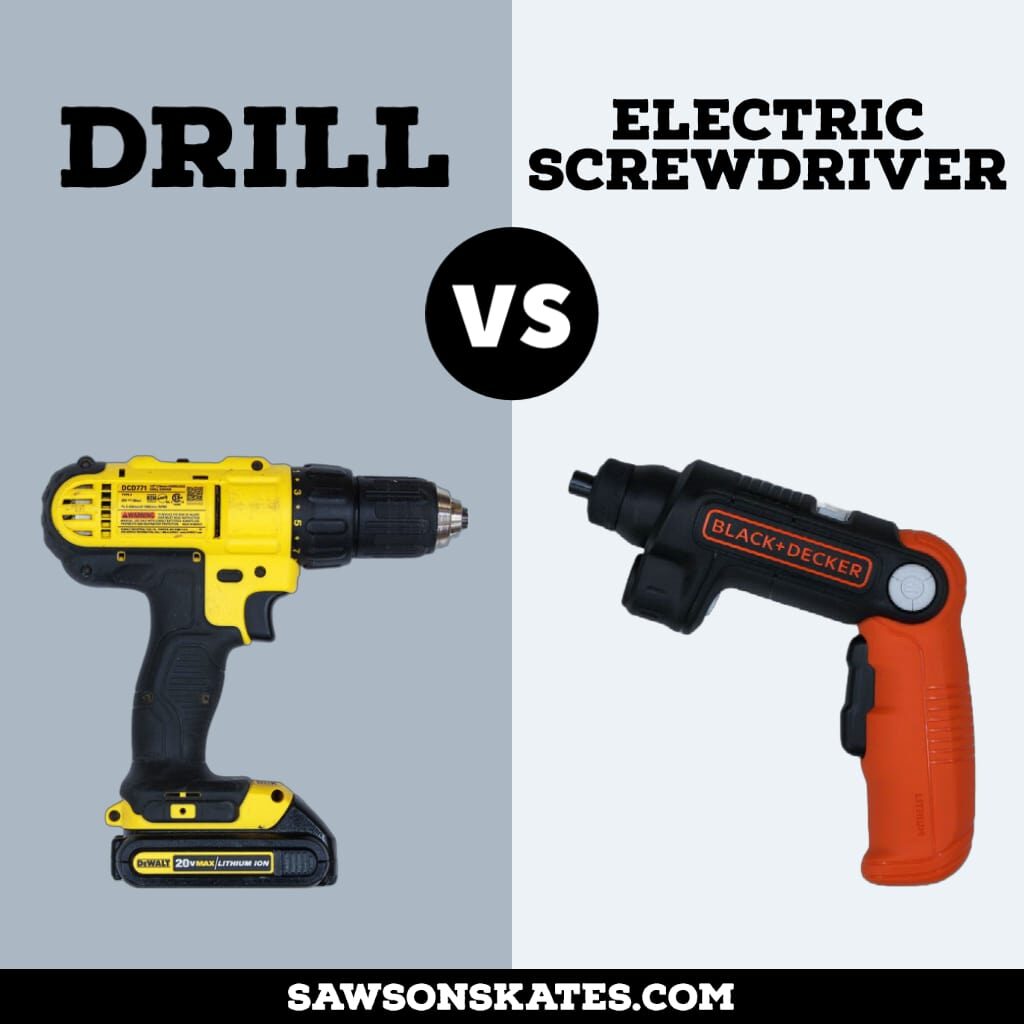
Main Differences Between Cordless Drill And Cordless Screwdriver
Understanding the key differences will help you choose the right tool.
| Feature | Cordless Drill | Cordless Screwdriver |
|---|---|---|
| Power | High (12V–20V) | Low (3.6V–7.2V) |
| Torque | Adjustable, high | Low, fixed |
| Weight | Heavier (2–5 lbs) | Lighter (0.5–1.5 lbs) |
| Size | Bulkier | Compact |
| Function | Drilling & driving | Driving only |
| Speed | Variable (up to 2,000 rpm) | Single (150–300 rpm) |
| Chuck Type | Keyless (accepts many bits) | Hex (quick-change) |
Advantages Of A Cordless Drill
Cordless drills are very versatile. Here’s why many people prefer them:
- Wide range of tasks: You can drill holes and drive screws. Some models also mix paint, sand surfaces, or polish metal (with special attachments).
- Powerful: Can handle tough jobs, like drilling through hardwood or thick steel.
- Adjustable settings: Change speed and torque for different materials.
- Multiple battery options: Choose bigger batteries for longer work sessions.
- Works with many bits: Accepts drill bits, screwdriver bits, and other accessories.
A cordless drill is great for people who do many types of home improvement, woodworking, or construction work.
Advantages Of A Cordless Screwdriver
Cordless screwdrivers are perfect for simple, everyday tasks. Here are their benefits:
- Easy to use: Simple controls, light weight, and comfortable grip.
- Compact: Fits in tight spaces, like inside cabinets or electronics.
- Safer for delicate jobs: Low torque prevents damaging screws or materials.
- Quick bit changes: Most models use magnetic holders, so swapping bits is fast.
- Long battery life: Less power means longer runtime for light tasks.
A cordless screwdriver is ideal if you often assemble furniture, fix gadgets, or need a portable tool for quick repairs.
Limitations Of Each Tool
Neither tool is perfect for every job. Here’s what to watch out for.
Cordless Drill Limitations
- Heavy and bulky: Can be tiring to use for long periods or in small spaces.
- Too powerful for small screws: May strip threads or damage soft materials.
- Higher cost: Good quality drills are usually more expensive.
Cordless Screwdriver Limitations
- Limited power: Cannot drill holes or drive large screws into tough materials.
- Fewer features: Usually only one speed, no clutch or adjustable torque.
- Bit compatibility: Only works with screwdriver bits, not drill bits.
Many beginners overlook these limits. For example, using a cordless screwdriver for heavy-duty tasks will quickly show its weaknesses. On the other hand, a drill’s power can destroy delicate electronics if you’re not careful.
Which Tool Should You Buy?
Choosing the right tool depends on what you want to do.
If You Need Versatility
Buy a cordless drill if you plan to do:
- Drilling holes in walls, wood, or metal
- Building furniture from scratch
- Installing shelves or curtain rods
- Working on construction or renovation projects
If You Need Simplicity
Buy a cordless screwdriver if you will:
- Assemble flat-pack furniture
- Fix small appliances or gadgets
- Install light fixtures or handles
- Work in tight spaces
If You Want Both
Some brands sell kits with both tools. This is a good option if you want maximum flexibility.
Practical Examples
Let’s look at real-life situations where each tool shines.
Example 1: Installing A Wall Shelf
You need to drill holes in the wall, then drive screws into the anchors. A cordless drill is perfect. You start with a drill bit, then switch to a screwdriver bit to finish.
Example 2: Assembling A Desk
Most desks use small screws in pre-drilled holes. A cordless screwdriver is fast and safe for this job. It won’t damage the screws or the wood.
Example 3: Repairing A Laptop
A laptop has tiny screws in tight spaces. A cordless screwdriver makes it easy to open and close the case without risking damage.
Example 4: Building A Deck
You need to drill holes and drive large screws into hardwood. Only a cordless drill has enough power for this tough task.
Comparing Popular Models
To make your choice easier, here’s a comparison of popular models.
| Model | Type | Voltage | Max Torque | Weight | Price (USD) |
|---|---|---|---|---|---|
| DeWalt DCD771C2 | Cordless Drill | 20V | 300 in-lbs | 3.6 lbs | 99 |
| Makita DF012DSE | Cordless Screwdriver | 7.2V | 44 in-lbs | 1.2 lbs | 75 |
| Black+Decker LD120VA | Cordless Drill | 20V | 300 in-lbs | 3.5 lbs | 89 |
| Bosch GO 2 | Cordless Screwdriver | 3.6V | 5 Nm | 0.8 lbs | 55 |
Common Mistakes Beginners Make
Most new users make these mistakes:
- Using the wrong tool for the job: Trying to drill holes with a cordless screwdriver or drive tiny screws with a powerful drill.
- Ignoring torque settings: Not adjusting the clutch on a drill can strip screws or damage materials.
- Choosing based on price only: Cheap tools often lack durability or useful features.
- Not checking battery life: Some models have short battery runtime, which can interrupt your work.
- Overlooking bit compatibility: Not all bits fit every tool. Make sure your bits match the tool’s chuck or holder.
A non-obvious tip: Always test your tool on scrap material before starting your project. This helps you check speed, torque, and bit fit. Another insight: Keep both tools charged and ready. You may need to switch quickly when working on complex tasks.

Cordless Drill Vs Cordless Screwdriver: Which Is Safer?
Safety is important, especially for beginners. Here’s how the tools compare.
| Tool | Risk Level | Common Hazards | Safety Tips |
|---|---|---|---|
| Cordless Drill | Medium | Bit slipping, over-driving screws, wrist strain | Use clutch, wear gloves, start slow |
| Cordless Screwdriver | Low | Bit slipping, weak grip | Hold firmly, use correct bit size |
Always read the manual before using any tool. Use protective gear like safety glasses and gloves.
Maintenance Tips For Both Tools
Proper care keeps your tools working longer.
- Clean after use: Wipe off dust and debris.
- Store in a dry place: Moisture can damage batteries and parts.
- Charge batteries correctly: Don’t overcharge or let them fully drain.
- Check bits and chucks: Replace worn bits and keep chucks tight.
- Lubricate moving parts: If recommended by the manufacturer.
For more battery care tips, see this Wikipedia page.
Frequently Asked Questions
What Is The Main Difference Between A Cordless Drill And A Cordless Screwdriver?
The cordless drill is made for drilling holes and driving screws, while the cordless screwdriver is mainly for driving screws. Drills are more powerful and versatile; screwdrivers are lighter and safer for small tasks.
Can A Cordless Drill Replace A Cordless Screwdriver?
Yes, a cordless drill can drive screws, but it may be too powerful for delicate jobs. Using a drill for small screws can strip threads or damage materials. For light tasks, a screwdriver is better.
How Long Does The Battery Last On These Tools?
Battery life depends on the tool and task. A drill’s battery may last 1–2 hours of heavy use, while a screwdriver can last several hours on light tasks. Always keep spare batteries ready.
Are Cordless Screwdrivers Good For Assembling Furniture?
Yes, cordless screwdrivers are perfect for furniture assembly. They are easy to use, prevent over-tightening, and fit into tight spaces. For larger projects, a drill may be needed.
What Should I Look For When Buying Either Tool?
Check battery voltage, torque settings, weight, bit compatibility, and runtime. Choose a tool that fits your needs and feels comfortable in your hand.
Selecting between a cordless drill and a cordless screwdriver isn’t just about price or appearance. It’s about matching the tool to your projects, understanding its strengths and limits, and knowing when to use each one. With this guide, you’re ready to make a confident choice and get the job done right.
As an Amazon Associate, We earn from qualifying purchases