
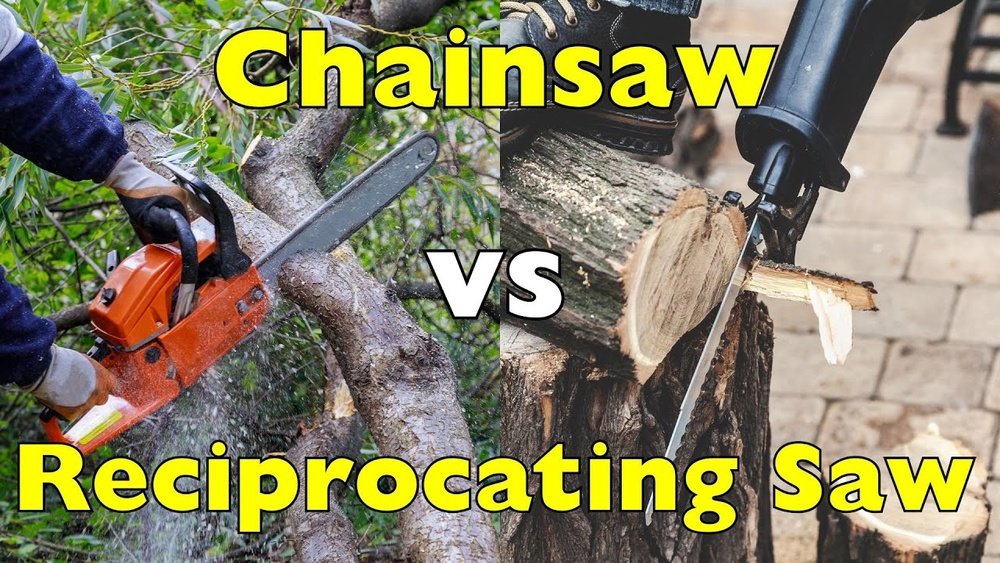
If you ever need to cut wood, metal, or even plastic, you’ve probably seen two popular tools: the reciprocating saw and the chainsaw. Both are powerful, but they serve different jobs. Many homeowners, DIYers, and even professionals wonder, “Which one should I use?” Choosing the wrong tool can mean wasted time, rough cuts, or even safety risks. Let’s explore the differences, uses, strengths, and weaknesses of reciprocating saws vs chainsaws—so you can pick the right tool every time.
What Is A Reciprocating Saw?
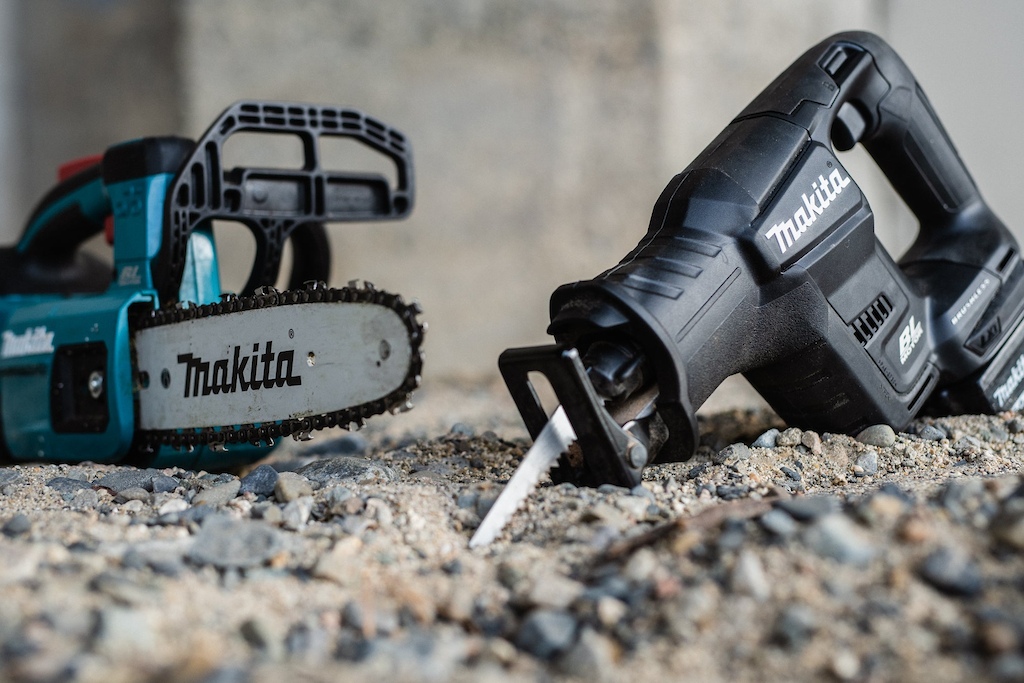
A reciprocating saw is a handheld power tool with a straight blade that moves back and forth (reciprocates) rapidly. People often call it a “Sawzall,” which is actually a brand name. This tool is famous for demolition, remodeling, and cutting in tight spaces.
You can use different blades with a reciprocating saw to cut wood, metal, plastic, and even drywall. The blade’s movement is fast and aggressive, which makes it great for rough cuts but not for smooth, fine ones.
Key facts:
- Blade length: 4 to 12 inches, usually
- Power: Corded (unlimited) or cordless (battery, more portable)
- Weight: 3 to 9 lbs (most models)
- Speed: Up to 3,000 strokes per minute
A big advantage is flexibility. You can change the blade in seconds for different materials. It’s excellent for jobs like cutting pipes, fitting windows, or pruning small tree branches.
What Is A Chainsaw?
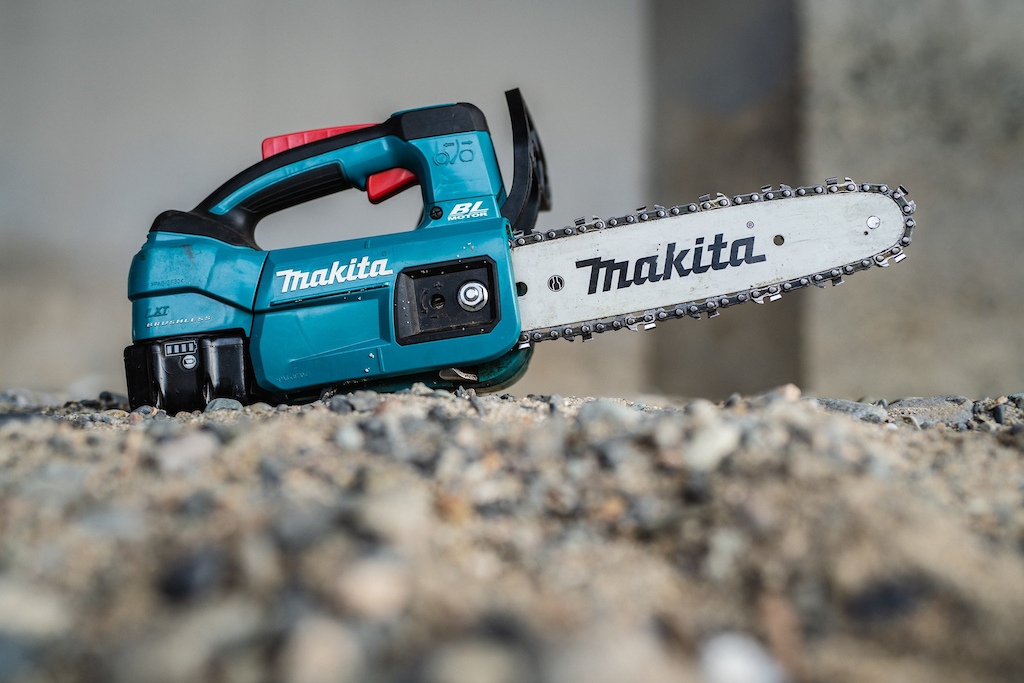
A chainsaw uses a motor to drive a chain with sharp teeth around a long metal bar. When the chain spins, it chews through wood quickly and with force. Chainsaws are the tool of choice for cutting logs, felling trees, and heavy pruning.
There are three main types: gas-powered, electric (corded), and battery (cordless). Chainsaws are more powerful than reciprocating saws and work best outdoors.
Key facts:
- Bar length: 10 to 24 inches (sometimes longer)
- Power: Gas (most powerful), corded electric, or battery
- Weight: 7 to 20 lbs (depending on size and type)
- Speed: Chains can move up to 60 feet per second
Chainsaws are not for delicate jobs or indoor use. They’re best for heavy-duty cutting and outdoor work.
Main Differences Between Reciprocating Saw And Chainsaw
Understanding the differences helps you choose the right tool for your job. Here’s a side-by-side look:
| Feature | Reciprocating Saw | Chainsaw |
|---|---|---|
| Cutting Action | Back-and-forth (reciprocating) blade | Continuous chain on bar |
| Best For | Demolition, metal, pipes, small branches | Logs, tree felling, large branches |
| Portability | Very portable, compact | Larger, heavier (except small electric) |
| Blade Change | Quick, tool-free | Chain sharpening/replacement needed |
| Indoor Use | Yes (with proper blade) | No (except emergency rescue) |
Non-obvious insight: Many beginners think a chainsaw is always faster. For small branches or tight spaces, a reciprocating saw can actually be quicker and less tiring.
When To Use A Reciprocating Saw
A reciprocating saw is best when you need precision cuts in tight or awkward spaces. It’s the go-to tool for:
- Demolition work: Cutting through drywall, wood framing, pipes, and nails.
- Pruning small trees or shrubs: Handles branches up to 4 inches thick.
- Plumbing and electrical: Cut pipes and conduit, even in walls.
- Renovation projects: Open window frames, remove old doors, or cut floorboards.
- Metalwork: With the right blade, you can slice through nails and rebar.
A reciprocating saw is also safer for beginners, with fewer kickback risks. If you’re working indoors or on ladders, its lighter weight helps you stay balanced.

When To Use A Chainsaw
A chainsaw is unmatched for heavy-duty outdoor cutting. Pick a chainsaw if you need to:
- Cut down trees
- Limb and buck logs (cutting branches and slicing logs into pieces)
- Trim thick branches (over 4 inches)
- Clear fallen trees after storms
- Harvest firewood
While some battery chainsaws are light, most chainsaws are heavier and louder. They require more maintenance (oiling the chain, sharpening teeth, checking tension), but the cutting power is much higher.
Non-obvious insight: Chainsaws are not just for wood. With a special chain, you can cut ice, plastic, or even some construction materials—but this is rare and usually for professionals.
Safety Comparison
Both tools are powerful and need respect. But the risks are different.
Reciprocating Saw Safety
- Less likely to kick back than a chainsaw
- Lighter, so easier to control
- Blade is exposed, so fingers must stay clear
- Always unplug or remove battery before changing blades
Chainsaw Safety
- High risk of kickback—the chain can suddenly jump back toward the user
- Chain moves very fast; cuts can be severe
- Requires protective gear: Helmet, gloves, chaps, boots
- Regular chain maintenance is a must
Here’s a quick safety gear comparison:
| Tool | Essential Safety Gear |
|---|---|
| Reciprocating Saw | Safety glasses, gloves, dust mask |
| Chainsaw | Helmet with face shield, ear protection, gloves, chainsaw chaps, boots |
Pro tip: For both tools, always check the area for hidden wires, nails, or rocks before cutting.
Cutting Performance: Speed And Quality
Reciprocating Saw
- Cutting speed: Fast on small materials, slows down on thick wood.
- Cut quality: Rough edges. Not for finish work.
- Versatility: Cuts wood, metal, PVC, drywall, and more.
Chainsaw
- Cutting speed: Extremely fast on logs and large branches.
- Cut quality: Still rough but cleaner than a reciprocating saw for large wood.
- Versatility: Mostly for wood, some special chains for other materials.
For construction or remodeling, a reciprocating saw’s ability to switch blades is a huge advantage. For firewood or major tree work, chainsaws win every time.
Cost And Maintenance
Tool Cost
- Reciprocating saws: $40–$250 (battery and blades extra)
- Chainsaws: $60–$500 (gas models are pricier; electric are cheaper)
But cost isn’t only about buying the tool. You must also buy blades (reciprocating saw) or maintain the chain, oil, and fuel (chainsaw).
Maintenance Needs
| Task | Reciprocating Saw | Chainsaw |
|---|---|---|
| Sharpening | Replace blade | Sharpen chain regularly |
| Lubrication | None | Bar and chain oil required |
| Fuel/Battery | Battery or plug-in | Gas, battery, or corded |
| Cleaning | Wipe saw and replace blades | Clean bar, chain, and air filter |
Common mistake: Many new users forget to oil the chainsaw chain, leading to fast wear and dangerous operation.
Portability And Ease Of Use
A reciprocating saw is lighter, smaller, and easier to handle for most people. You can use it with one hand in many cases, and it fits into tight spots. Changing blades is fast and tool-free.
Chainsaws, especially gas models, are much heavier and require two hands. They are awkward indoors and make lots of noise and fumes. Battery models are lighter but still not as nimble as a reciprocating saw.
If you need to climb a ladder or crawl under something to cut, a reciprocating saw is usually safer and more comfortable.
Which Tool Is Right For You?
Ask yourself:
- Are you mainly cutting wood outdoors? Go for a chainsaw.
- Need to cut a mix of materials indoors and out? Pick a reciprocating saw.
- Only cut branches under 4 inches? A reciprocating saw with a pruning blade is easier.
- Cutting firewood or felling trees? Only a chainsaw has the power.
- Want a tool for demolition, metal, and wood? Reciprocating saw wins.
Beginners often think one saw can “do it all.” The truth is, they overlap but do not replace each other.
Real-world Examples
- A storm drops a small tree across your driveway. The chainsaw will clear it in minutes. The reciprocating saw will struggle and drain batteries fast.
- You’re remodeling a bathroom and need to cut old pipes, nails, and some framing. The reciprocating saw is perfect. A chainsaw is dangerous and awkward indoors.
- You prune garden shrubs every spring. Both tools can work, but the reciprocating saw is lighter and safer for small jobs.
Environmental And Noise Impact
Chainsaws, especially gas models, are very loud (over 100 decibels) and produce fumes. Many cities restrict chainsaw use to certain hours. Electric chainsaws are quieter but still much louder than reciprocating saws.
Reciprocating saws are much quieter and cleaner. For indoor or neighborhood use, they’re less likely to bother neighbors or violate noise rules.
Little-known fact: Some battery chainsaws are now as quiet as reciprocating saws, but their power is still less than gas models. Always check decibel ratings if noise matters.
Longevity And Durability
A chainsaw, well maintained, can last decades. But it needs regular chain sharpening, oil, and sometimes carburetor care (for gas models). Reciprocating saws are simpler and often last for years with just blade changes and occasional cleaning.
Pro insight: For light users, a reciprocating saw may last longer simply because it has fewer moving parts and less heavy strain.
Frequently Asked Questions
Which Saw Is Safer For Beginners?
A reciprocating saw is generally safer for new users. It’s lighter, easier to control, and has less risk of kickback. Chainsaws are powerful but require good technique and protective gear.
Can I Cut Firewood With A Reciprocating Saw?
You can cut small branches and logs with a reciprocating saw, but it’s slow and hard work for anything over 4 inches thick. For regular firewood cutting, a chainsaw is much better.
What Kind Of Maintenance Do These Tools Need?
A reciprocating saw mostly needs blade changes and occasional cleaning. Chainsaws require chain sharpening, oiling, cleaning, and (for gas models) engine care. Forgetting maintenance on a chainsaw can be dangerous.
Are Battery-powered Chainsaws As Good As Gas Ones?
Battery chainsaws are quieter, lighter, and easier to start. But they’re usually less powerful and have shorter run times. For heavy-duty or all-day work, gas chainsaws are still the top choice. For light tasks, battery models are great.
Where Can I Learn More About Power Saw Safety?
A reliable resource is the Wikipedia Chainsaw Safety page, which covers both chainsaws and general power saw safety tips.
If you understand your project’s needs, you’ll know exactly when to use a reciprocating saw and when only a chainsaw will do. Choose wisely, stay safe, and your work will be faster and easier every time.
As an Amazon Associate, We earn from qualifying purchases