
When my furnace stopped blowing hot air last winter, I’ll be honest—I panicked a little. The house got cold fast, and my family wasn’t happy. I started troubleshooting, trying to figure out what was wrong. If you’re reading this, you’re probably in the same boat.
Maybe your furnace is running but only blowing cool air, or perhaps it’s not running at all. I want to share what I learned through my own struggle, in plain English, so you can get your home warm again—without calling a repair service right away.
How A Furnace Should Work
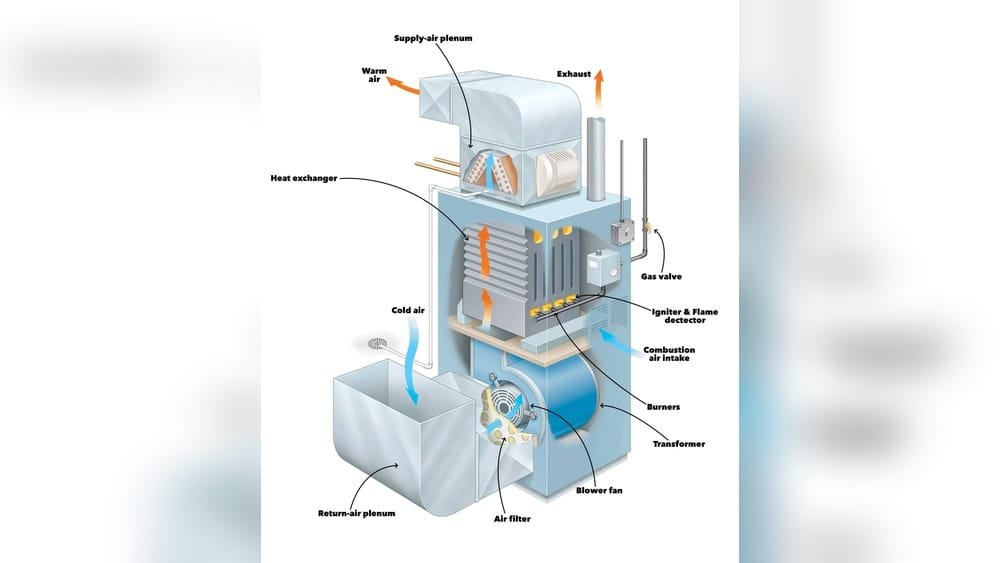
Before we jump into problems, let’s talk about what’s supposed to happen. When you set your thermostat to heat, the furnace should start up, burn fuel or use electricity to heat air, and then blow that warm air through the vents.
If any part of this process fails, you’ll get cold air—or nothing at all.
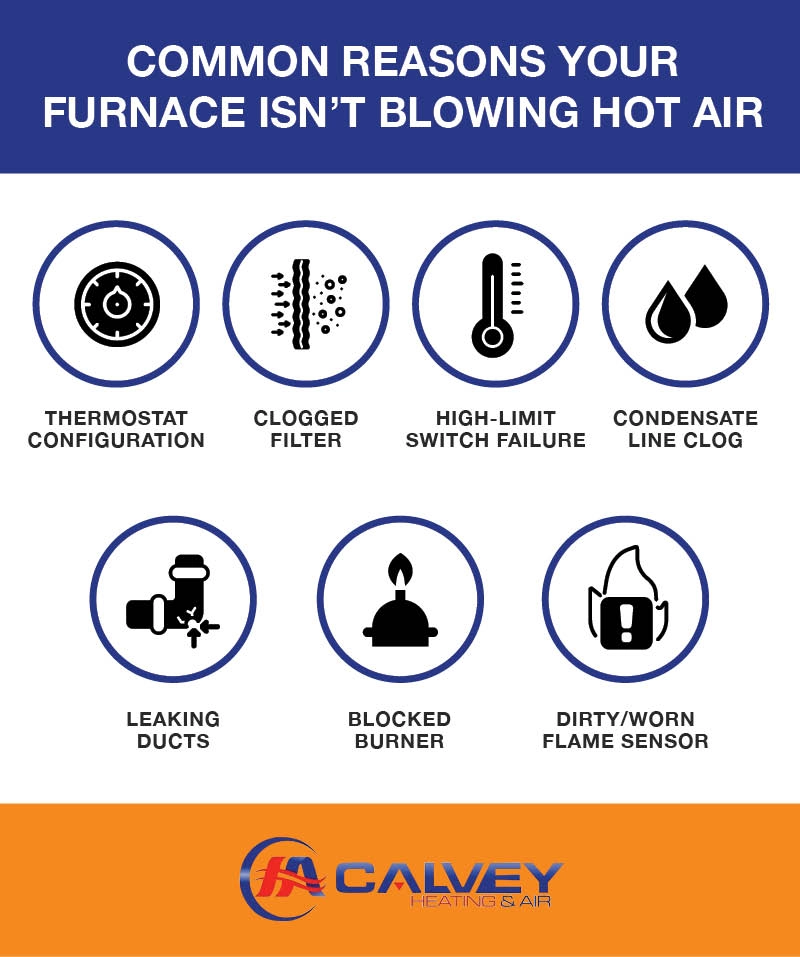
Common Reasons Your Furnace Isn’t Blowing Hot Air
I learned that there are a handful of reasons why a furnace might only blow cold air. Some are easy fixes. Others need a bit more effort. Here’s what I discovered, step by step.
1. Thermostat Problems
The first thing I checked was the thermostat. It’s an easy thing to overlook. Sometimes it gets set to “cool” instead of “heat,” or someone bumps it by accident. If the temperature setting is too low, the furnace may not turn on.
- Make sure the thermostat is set to heat.
- Check the temperature setting—try raising it a few degrees above the room temperature.
- If it runs on batteries, replace them.
A surprising number of times, the thermostat is the culprit. I once found my kids had switched it to “fan only” mode, which just moves air but doesn’t heat it.
2. Furnace Filter Clogged
The air filter is easy to forget about. But if it gets clogged with dust and dirt, your furnace can overheat and shut down the burners as a safety measure. It will still blow air, but it won’t be hot.
- Locate the filter (usually near the intake vent or inside the furnace).
- Pull it out and hold it up to the light. If you can’t see light through it, it needs changing.
- Replace the filter with a new one that matches the size.
I make it a habit now to check mine every month during the heating season.
3. Furnace Power Or Gas Supply Off
This might sound basic, but it happened to me once after a power outage. Sometimes the circuit breaker trips, or the gas valve gets bumped off. Furnaces need both power and (for gas furnaces) a gas supply.
- Check the breaker panel for a tripped switch.
- For gas furnaces, check that the gas valve is open.
If you have an electric furnace, it’s all about the circuit breaker.
4. Pilot Light Or Ignition Failure
Older furnaces have a pilot light. Newer ones use electronic ignition. If the pilot is out, or the igniter isn’t working, you’ll just get cold air.
- For pilot lights: Look for a small blue flame inside the furnace. If it’s out, follow the instructions on the furnace to relight it.
- For electronic ignition: Listen for clicking sounds or look for error codes on the furnace control board.
When my old furnace’s pilot went out, I found that a draft had blown it out. Relighting it fixed the problem.
5. Furnace Overheating
If a furnace gets too hot, it will turn off the burners but keep the fan blowing. That means you get cold air through the vents.
- A dirty filter or blocked vents can cause this.
- Make sure all vents are open and unblocked.
- Check for any error lights on your furnace.
I once closed off too many vents in my house, thinking I’d save energy. Instead, I caused the furnace to overheat!
6. Problems With The Ductwork
Leaky or disconnected ducts can let hot air escape before it gets to your rooms. This happened to me in an older house where a duct joint came loose in the attic.
- Listen for air blowing in odd places (like walls or ceilings).
- Check for cold spots in your home.
I fixed this myself with some duct tape and a weekend up in the attic.
7. Blower Motor Issues
The blower is the fan that pushes air through your vents. If it isn’t working right, you might feel weak airflow or none at all.
- Listen for unusual noises—squeaks, rattles, or grinding.
- Check for error codes or flashing lights on the furnace.
Sometimes, the blower motor just needs oiling, but other times it might be burned out and need replacing.
8. Dirty Flame Sensor
The flame sensor tells the furnace if the burners have actually lit. If it’s dirty, the furnace may start up, then shut down quickly, blowing only cold air.
- Turn off the power.
- Find the sensor (a thin metal rod near the burner).
- Carefully clean it with a soft cloth or sandpaper.
I didn’t even know this part existed until a technician pointed it out!
9. Limit Switch Problems
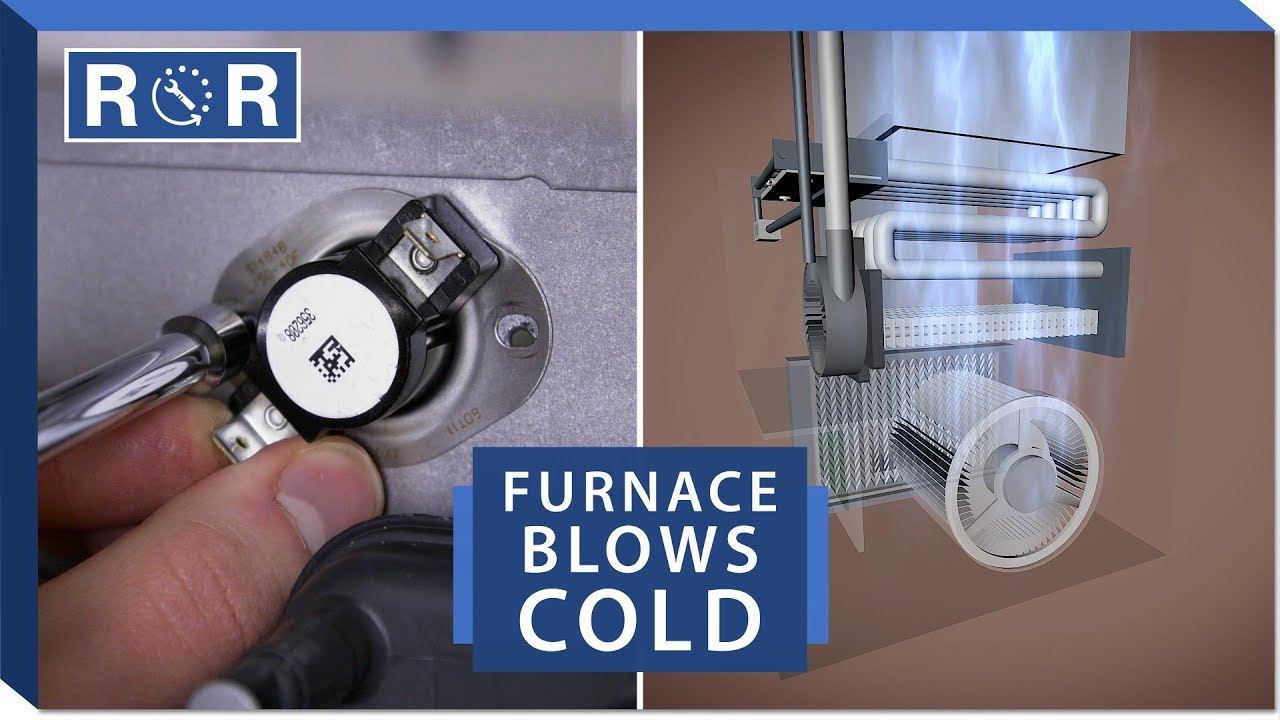
The limit switch is a safety device. If it thinks the furnace is overheating, it will shut off the burner but keep the fan running.
- This can be caused by a dirty filter, blocked vents, or a faulty switch.
- If you’ve checked the filter and vents, and the problem continues, the switch may need replacing.
10. Furnace Short Cycling
Short cycling means the furnace turns on and off quickly. It never runs long enough to heat the air.
- Common causes include an oversized furnace, dirty filter, or thermostat issues.
- If you hear the furnace starting and stopping a lot, this might be the problem.
11. Gas Supply Issues
If your gas furnace isn’t getting enough gas, it can’t heat air properly.
- Check that other gas appliances (like your stove) are working.
- Contact your gas company if you suspect supply issues.
This happened to me during some utility work in my neighborhood.
12. Condensate Drain Blocked
High-efficiency furnaces have a condensate drain. If it’s clogged, the furnace might shut down.
- Look for water pooling around the furnace.
- Clean the drain line if needed.
I once found a small spider nest blocking my drain tube!
13. Furnace Age And Wear
Sometimes, furnaces just get old. Parts wear out, and performance drops.
- If your furnace is over 15 years old, it might be time to consider a replacement.
- Older units are less efficient and can break down more often.
14. Control Board Failure
The control board is like the brain of the furnace. If it fails, nothing will work right.
- Flickering lights, random shutdowns, or error codes may point to this.
- This is a job for a professional.
15. Furnace Not Sized Properly
If your furnace is too small or too large for your house, it may not heat well.
- Small furnaces run constantly but never get your home warm.
- Large furnaces short cycle and don’t heat evenly.
When I moved into a bigger house, I learned the old furnace just wasn’t up to the task.

Comparison: Common Furnace Problems And Diy Fixes
To help you see which issues you can handle yourself, here’s a quick comparison.
| Problem | DIY Fix Possible? | Tools Needed |
|---|---|---|
| Thermostat settings | Yes | None |
| Dirty filter | Yes | New filter |
| Pilot light out | Maybe | Long lighter |
| Blower motor | No | Professional |
| Control board | No | Professional |
Warning Signs You Need A Professional
Some problems are best left to the pros. Here’s what I look for:
- Burning smells or smoke
- Repeated tripped breakers
- Gas smells
- Loud banging or grinding noises
- Furnace won’t turn on at all
If you see these, stop and call an expert. Safety first.
How To Prevent Furnace Problems
I’ve learned that regular care can keep your furnace healthy.
- Change the filter every 1-3 months. Dirty filters are the number one cause of problems.
- Schedule yearly maintenance. A pro can spot small issues before they become big.
- Keep vents and returns clear. Don’t block them with furniture or curtains.
- Check the thermostat batteries every season.
Here’s a simple maintenance schedule that worked for me.
| Task | Frequency |
|---|---|
| Replace filter | Monthly |
| Clean flame sensor | Yearly |
| Professional service | Yearly |
| Check vents | Every season |
Energy Efficiency And Your Furnace
A furnace that works right keeps you warm and can save money. I noticed my gas bills dropped when I fixed leaks and changed the filter often. High-efficiency models can save even more, sometimes up to 30% on heating costs according to the U.
S. Department of Energy.
If you’re thinking about a new furnace, look for the AFUE rating (Annual Fuel Utilization Efficiency). The higher the number, the better.
When To Replace Instead Of Repair
I used to put off replacing my old furnace, hoping repairs would keep it going. Here’s when I realized replacement was smarter:
- The unit was over 15 years old.
- Repairs cost more than half the price of a new furnace.
- My energy bills kept going up.
- The house never got as warm as before.
Sometimes, spending more upfront saves you money (and headaches) in the long run.
Cost Comparison: Repair Vs. Replace
If you’re wondering about costs, here’s what I found while shopping around.
| Repair Type | Average Cost |
|---|---|
| Replace filter | $10 – $30 |
| Igniter replacement | $150 – $350 |
| Blower motor repair | $400 – $600 |
| New furnace installation | $3,000 – $7,000 |
Of course, prices can vary by location and brand.
Small Details Most People Miss
From my experience, here are a couple of things I wish I’d known sooner:
- Check all vents: Even one blocked vent can cause overheating and cold air.
- Look for error codes: Many modern furnaces have a small window with blinking lights. The pattern gives clues to what’s wrong. Check the manual or look up your model online.
- Never skip maintenance: It’s tempting to ignore the furnace until it fails. Regular care prevents most problems.
Resources That Helped Me
When I was stuck, I found some great guides online. The U.S. Department of Energy’s furnace tips page has solid advice for homeowners.
Frequently Asked Questions
Why Is My Furnace Running But Not Blowing Hot Air?
This is usually due to a dirty filter, thermostat set wrong, or an ignition problem. Start by checking the filter and thermostat.
Can I Fix My Furnace Myself?
Some problems are easy to fix, like changing a filter or resetting the thermostat. For anything involving gas, wiring, or major parts, call a pro.
How Often Should I Change My Furnace Filter?
During heating season, check it every month and change it at least every 1-3 months. More often if you have pets or allergies.
Is It Safe To Relight My Pilot Light?
If you follow the instructions on your furnace and don’t smell gas, it’s usually safe. If you’re unsure, or smell gas, call a professional.
When Should I Replace My Furnace?
If it’s over 15 years old, needs expensive repairs, or your energy bills are rising, it may be time for a new unit.
Staying warm in winter is important. When my furnace stopped working, it was stressful, but I learned a lot. With a little knowledge and regular care, you can avoid most problems. And if you ever feel unsure, it’s always smart to call a professional for help.
As an Amazon Associate, We earn from qualifying purchases