
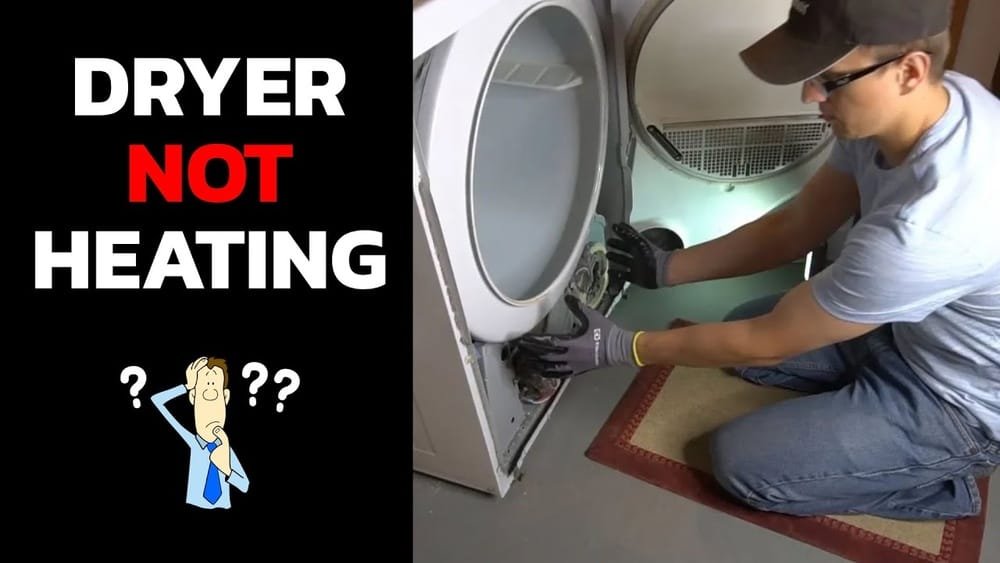
If you’ve ever opened your dryer, pulled out a pile of cold, damp clothes, and wondered, “Why is my dryer not blowing hot air? ”—trust me, you’re not alone. I’ve been there, and it’s honestly one of the most annoying things to deal with, especially when you need those clothes dry fast.
Over the years, I’ve fixed this problem more times than I’d like to admit. I want to walk you through the real reasons this happens, what you can do about it, and some things I wish I’d known earlier. My hope is that my experience will save you time, money, and a bit of frustration.
Understanding How A Dryer Heats
Before we jump into all the reasons your dryer might not be blowing hot air, let’s quickly talk about how a dryer works. I remember the first time I took apart my dryer, I was surprised by how simple (and delicate) the system is.
Basically, a dryer pulls in air, heats it up, blows it through your clothes, and then sends it out the vent. If anything in that chain breaks, you end up with cold air or no air at all.
Main Reasons Why A Dryer Stops Blowing Hot Air
Here’s what I’ve learned, both from repair techs and from my own hands-on troubleshooting.
1. Power Supply Issues
For electric dryers, you need 240 volts. Sometimes, one breaker trips but not the other, so the dryer runs but doesn’t heat. I once spent an hour digging inside my machine, only to realize a breaker had flipped. For gas dryers, if there’s no gas flow, you won’t get heat.
What To Check:
- Make sure the dryer is plugged in all the way.
- Check your electrical panel for tripped breakers.
- If you have a gas dryer, check that the gas valve is open.
2. Clogged Lint Filter Or Vent
A blocked lint filter or exhaust vent is a classic cause. At one point, I noticed my dryer running longer and longer. I finally pulled the vent off the back and found a wad of lint the size of a small animal.
Not only does this block hot air, but it’s also a fire risk.
Signs Of A Blockage:
- Dryer feels hot on the outside but not inside.
- Clothes stay damp.
- You smell a musty or burning odor.
Fix:
- Clean the lint filter after every load.
- Detach and clean the vent at least twice a year.
3. Thermal Fuse Blown
Dryers have a thermal fuse that acts as a safety switch. If the temperature gets too high, the fuse blows and the dryer stops heating. This happened to me after a year of forgetting to clean my vent.
How To Check:
- Unplug the dryer.
- Open the back panel.
- Locate the thermal fuse (it’s a small, white, flat piece).
- Use a multimeter to test for continuity.
If it’s blown, replace it. But find out why it blew—usually, it’s lint or poor airflow.
4. Heating Element Failure
The heating element is what actually warms the air. Over time, it can burn out, especially if the dryer is overloaded or vents are blocked. When mine went bad, the dryer ran, but everything stayed cold.
Signs:
- Dryer turns on and drum spins, but no heat.
- You see a break or burn mark on the element coil.
Solution:
- Buy a replacement heating element that fits your model.
- Unplug the dryer, remove the back, and swap it out.
5. Thermostat Or High-limit Switch Problems
There are a few thermostats inside your dryer. They control when the heat turns on and off. If one fails, your dryer may not heat at all.
How To Spot:
- Dryer runs, but heat is inconsistent or never comes on.
- You’ve ruled out the thermal fuse.
What To Do:
- Test with a multimeter.
- Replace the faulty thermostat or switch.
6. Broken Igniter (gas Dryers Only)
If you have a gas dryer, the igniter lights the burner. When mine failed, the dryer would tumble, but only cold air came out.
Troubleshooting:
- Listen for a “click” or see if the igniter glows.
- No glow, no heat usually means a bad igniter.
Fix:
- Unplug the dryer.
- Remove the front panel.
- Replace the igniter.
7. Faulty Gas Valve Solenoids (gas Dryers)
There are small coils that open the gas valves. If these solenoids break, the igniter glows but the gas doesn’t flow.
Signs:
- Dryer starts to heat, then quickly blows cold air.
- You can hear the click, but no flame starts.
Solution:
- Replace the solenoids—they’re usually sold in pairs.
8. Timer Or Control Board Malfunction
Modern dryers have control boards. Older ones have mechanical timers. When these go bad, the cycle may run without heat.
What I Noticed:
- Dryer stuck on one cycle.
- All other parts seem fine, but no heat.
How To Check:
- Inspect the board for burn marks.
- Test the timer with a multimeter.
Next Steps:
- Replacing a control board is expensive; sometimes it’s cheaper to buy a new dryer.
9. Door Switch Not Engaged
Dryers won’t heat if the door switch isn’t fully pressed in. I once closed my dryer, but a sock got stuck, so the door didn’t latch. No heat, just a spinning drum.
What To Do:
- Open and firmly close the door.
- Check if the switch clicks.
If it’s broken, replace it.
10. Loose Or Broken Wires
Wires inside dryers can come loose from vibration or heat. I once found a burnt wire that stopped the heating element from working.
How To Check:
- Unplug the dryer.
- Look for disconnected or burnt wires.
Repair or replace any damaged wires.
How To Diagnose The Problem Yourself
I know it can feel intimidating to open up your dryer, but most fixes are straightforward. Here’s my step-by-step approach.
- Safety first: Unplug the dryer and turn off the gas if needed.
- Start simple: Check the lint trap, vent, plug, and breakers.
- Listen and observe: Does the drum spin? Does the igniter glow (gas dryers)? Any strange smells or noises?
- Test components: Use a multimeter to check the thermal fuse, heating element, thermostats, and door switch.
- Replace as needed: Most parts are available online or at appliance stores.
Example Of What I Did
My dryer stopped heating last winter. The clothes just tumbled and stayed wet. First, I checked the breakers—both were fine. I cleaned the vent, which was a bit clogged but not terrible. Next, I opened the back and tested the thermal fuse—it was dead. After replacing it, my dryer was good as new.
Key Differences: Electric Vs Gas Dryers
Sometimes, people ask me if the problem is different for electric and gas dryers. Here’s what I’ve found:
| Feature | Electric Dryer | Gas Dryer |
|---|---|---|
| Heating Source | Heating Element | Gas Burner & Igniter |
| Main Issues | Element, Fuse, Thermostat | Igniter, Solenoids, Thermostat |
| Power Needed | 240V Outlet | 120V + Gas Line |
| Common Fix Cost | $20–$100 | $20–$80 |

When To Call A Professional
While I enjoy fixing things myself, there are times when you should call a pro:
- You smell gas or see sparks.
- You’re not comfortable with electrical work.
- The control board is fried.
- You’ve tried everything and nothing works.
Professional repair costs usually range from $100 to $400. If your dryer is old (over 10 years), sometimes it’s better to buy a new one.
Preventing Future Dryer Heating Problems
After dealing with so many dryer issues, I’ve learned some simple habits that make a big difference.
- Clean the lint filter after every load.
- Vacuum out the exhaust vent twice a year.
- Don’t overload the dryer. It strains the heating element.
- Check for unusual noises or longer drying times. These are early signs something’s wrong.
- Replace parts with quality brands. Cheaper parts often fail faster.
Maintenance Schedule Example
Here’s how I keep my dryer running smoothly:
| Task | Frequency | Time Needed |
|---|---|---|
| Clean Lint Filter | Every Load | 1 Minute |
| Vacuum Vent | Every 6 Months | 15 Minutes |
| Check Drum Belt | Yearly | 10 Minutes |
| Inspect Fuses & Thermostats | Yearly | 30 Minutes |
| Professional Service | Every 2 Years | Varies |
Common Mistakes People Make
I’ve made nearly all of these at some point, so let me help you avoid them:
- Ignoring longer drying times. If it takes longer, check the vent—don’t wait.
- Forgetting to unplug before repairs. Safety matters.
- Buying the wrong replacement part. Always double-check your dryer’s model number.
- Skipping regular cleaning. Lint is sneaky and builds up fast.
Two Overlooked Insights
Here’s what I wish someone had told me:
- A partially clogged vent can still let some air out but block enough to trigger fuses. I used to think “some air” meant “good enough”—not true.
- Thermal fuses don’t reset. Once they blow, you have to replace them. I spent hours looking for a “reset” button that doesn’t exist.

Is It Worth Fixing Your Dryer?
This is a question I get a lot, and I’ve asked myself, too. Generally, if the fix is under $150 and the dryer is less than 8–10 years old, it’s worth repairing. Older than that, or if the drum or control board is dead, I’d suggest looking for a new one.
New dryers are more efficient and have better safety features.
If you want even more technical detail, check out this guide from Family Handyman for professional repair steps.
Frequently Asked Questions
Why Is My Dryer Spinning But Not Heating?
Usually, this means the heating element, thermal fuse, or thermostat is bad. For gas dryers, the igniter or solenoids could be the problem. Check the vent and power first.
Can A Clogged Vent Cause No Heat?
Yes! A clogged vent blocks airflow, overheats the dryer, and can blow the thermal fuse. Clean your vent at least twice a year.
How Do I Know If My Heating Element Is Bad?
If your dryer spins but stays cold, unplug it and check the heating element for visible breaks or test it with a multimeter for continuity.
How Much Does It Cost To Fix A Dryer That Won’t Heat?
Most repairs cost $20 to $150 if you do it yourself. Professional repairs can range from $100 to $400, depending on the part.
Is It Dangerous To Run A Dryer With No Heat?
It’s not usually dangerous, but your clothes won’t dry. However, if there’s a burning smell or you see sparks, unplug it and call a pro right away.
If your dryer isn’t blowing hot air, don’t panic. Most problems are simple and safe to fix yourself. With a bit of patience and the right tools, you’ll have warm, dry clothes again soon. And remember—never underestimate the power of a clean vent!
As an Amazon Associate, We earn from qualifying purchases