
When I first noticed my AC fan blowing but not cooling, I felt frustrated. The room was warm, yet the fan was spinning as if everything was fine. I remember standing there, feeling the air come out, but it just wasn’t cold. If you’re facing this same problem, I completely get it. Over the years, I’ve gone through this issue a few times in my home and even helped friends fix theirs. In this article, I’ll break down why this happens, what you can do, and how to avoid common mistakes. I’ll keep my language simple, clear, and easy to understand—just as if we were talking in person.
What Does “ac Fan Blowing But Not Cooling” Really Mean?
Let’s start with the basics. When the AC fan is blowing but you’re not getting cool air, it usually means the fan motor is working, but the cooling process isn’t happening. The air feels more like a fan than an air conditioner. I remember once thinking, “Well, at least it’s not dead!” But soon I realized, moving warm air doesn’t help much on a hot day.
This problem is more common than you might think. According to the U.S. Department of Energy, up to 20% of air conditioner service calls are related to cooling issues while the fan still works. So if you’re experiencing this, you’re not alone.
Why Is Your Ac Fan Blowing But Not Cooling?
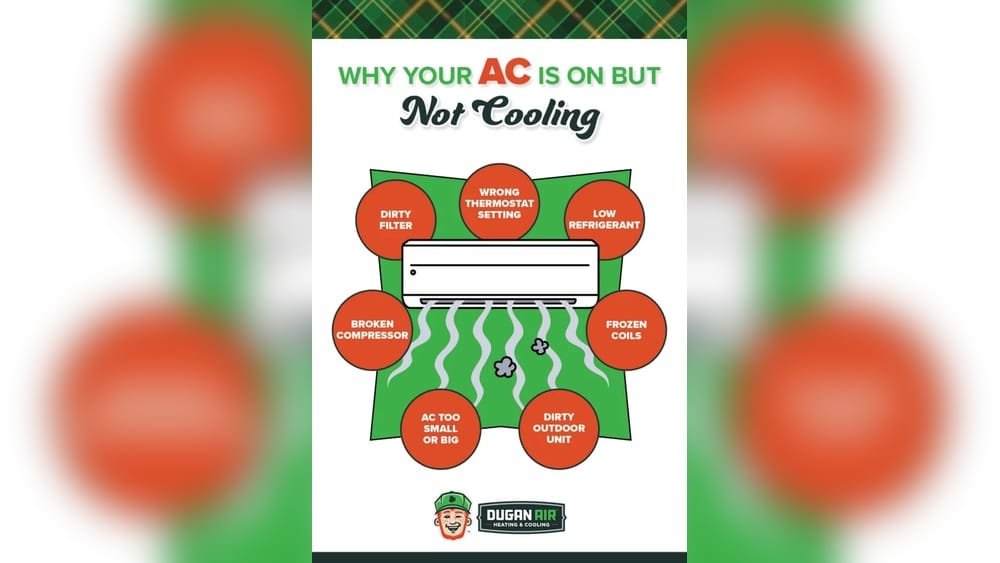
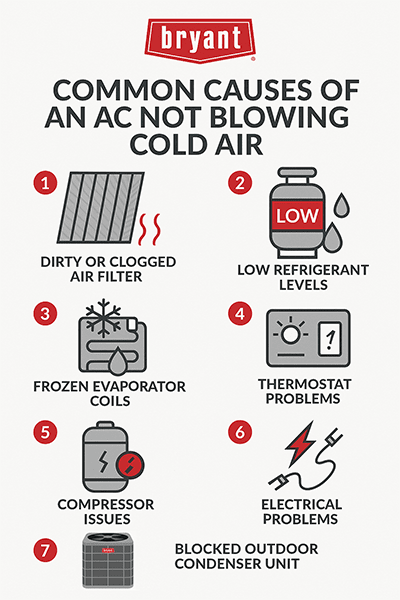
There are several reasons for this issue. In my experience, some causes are simple and easy to fix, while others need an expert. Here’s what I’ve learned:
1. Incorrect Thermostat Settings
Sometimes the thermostat is set to “fan” instead of “cool. ” This means the fan blows air, but the AC doesn’t chill it. I made this mistake once after cleaning my thermostat. I had set it to “fan” by accident, and my room stayed warm for hours.
2. Dirty Air Filter
A clogged air filter is a classic problem. When the filter is dirty, the AC can’t pull enough air through, so the cooling system doesn’t work right. I once found my filter covered in dust. After replacing it, the cold air returned within an hour.
3. Frozen Evaporator Coils
If the coils inside your AC freeze, they can’t cool the air. This can happen if airflow is blocked or refrigerant is low. The first time I saw this, I thought the AC was leaking. But when I opened the cover, I found ice on the coils.
4. Low Refrigerant
The refrigerant is the “magic” that cools the air. If there’s a leak or the gas is low, you only get warm air. I once had a small leak that took months to notice. The AC worked, but not well, until it stopped cooling completely.
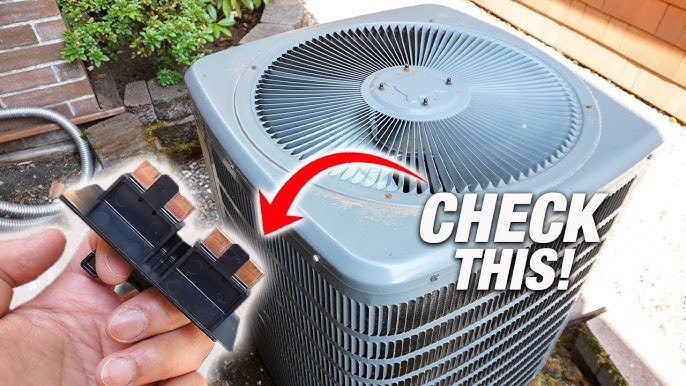
5. Electrical Issues
Sometimes, the fan works because it’s on a different circuit from the cooling system. If a fuse blows or a wire comes loose, the fan might run but the compressor won’t. I’ve seen this happen in older houses, especially after a big storm.
6. Dirty Or Blocked Condenser Unit
The outdoor unit of your AC needs to be clean and clear. I once found my unit surrounded by leaves and dirt. After cleaning it, the cooling came back strong. A dirty condenser can make the system overheat and stop cooling.
7. Faulty Compressor
The compressor is the heart of your AC. If it fails, you get no cooling. It’s expensive to fix, but sometimes a simple capacitor replacement can solve the problem. I had this happen once in an old window AC—it was cheaper to buy a new one.
8. Wrong Ac Size Or Old System
If your AC is too small for the room, or just too old, it may not cool well even if the fan works. I learned this the hard way after moving into a bigger apartment and using my old unit.
It never got cold enough.
How I Diagnosed My Ac Problem
Let me walk you through how I checked my own system step by step. You can try these too, before calling for help.
Step 1: Check The Thermostat
First, I made sure the thermostat was set to “cool” and not “fan” or “auto. ” It sounds basic, but it’s easy to forget. I also checked the temperature setting to be sure it was lower than the room temperature.
Step 2: Inspect The Air Filter
I pulled out the filter and held it up to the light. If you can’t see through it, it’s too dirty. I replace mine every three months now. Dirty filters can cause lots of problems you wouldn’t expect.
Step 3: Look At The Indoor Unit
I opened the panel and checked for ice or water. Frozen coils mean there’s a deeper issue, like low refrigerant or blocked airflow.
Step 4: Check The Outdoor Unit
I made sure nothing was blocking the condenser outside. Grass, leaves, and dust all make it harder for your AC to cool the air.
Step 5: Listen For Strange Noises
A healthy AC makes a soft humming sound. If I hear loud clanking or buzzing, it could be the compressor or a fan problem.
Step 6: Feel The Air
Is the air coming out cold or just moving? If it’s not cold, I know the cooling part isn’t working, even if the fan is.
Common Mistakes I Made (so You Don’t Have To)
When I first tried to fix my AC, I made a few mistakes. Let me share them so you can avoid wasting time and money.
- Ignoring Regular Maintenance: I thought my AC would just keep working if I didn’t touch it. Big mistake. Cleaning and checking it every few months makes a huge difference.
- Forgetting to Check Both Units: I used to only check the indoor part. The outdoor unit is just as important!
- Replacing the Wrong Parts: Once, I changed the thermostat when the real problem was a dirty filter. Always check the simple things first.
- Not Turning Off Power: I learned the hard way that you must turn off the power before opening your AC. Safety first!
- Delaying Repairs: Small problems get bigger. When you notice something wrong, fix it soon. Waiting only makes things worse.
Quick Fixes You Can Try
Before you call a professional, there are a few things you can safely do.
- Reset the System: Turn your AC off at the breaker for 5 minutes, then turn it back on. Sometimes, this resets the electronics.
- Replace the Air Filter: This costs a few dollars and can solve many problems.
- Clean the Outdoor Unit: Use a garden hose to gently wash away dirt and leaves.
- Check Your Vents: Make sure all vents are open and not blocked by furniture.
When To Call A Professional
Some problems need an expert. Here’s when I call for help:
- If there’s ice on the coils
- If the AC makes loud noises or smells burned
- If I see water leaks inside
- If the air is still warm after trying all basic fixes
Professionals can check for refrigerant leaks, test electrical parts, and measure pressure in the system. This needs special tools.

How Different Causes Compare
Let me show you how some causes compare, based on cost, difficulty, and how often they happen. This might help you decide what to check first.
| Cause | Cost to Fix | Difficulty | How Common |
|---|---|---|---|
| Dirty Air Filter | Low ($10-20) | Easy | Very Common |
| Thermostat Error | None | Very Easy | Common |
| Low Refrigerant | High ($150+) | Hard | Moderate |
| Faulty Compressor | Very High ($500+) | Hard | Rare |
| Dirty Condenser | Low | Easy | Common |
How To Prevent This Problem
I’ve learned that simple habits can prevent a lot of trouble. Here’s what works for me:
- Change Filters Regularly: I set a reminder every 3 months.
- Clean the Outdoor Unit: I clear leaves and dust once a month in summer.
- Check the Thermostat: Once a season, I check settings and batteries.
- Schedule Annual Service: I get a pro to check the system before summer.
- Keep Vents Unblocked: I check that furniture or curtains don’t cover vents.
Signs That Your Ac Needs Replacement
Sometimes fixing isn’t enough. Here’s how I know it’s time for a new AC:
- Age over 10-15 years
- Frequent breakdowns
- High energy bills
- Uneven cooling
When I replaced my old unit, my home felt cooler and my electricity bill dropped.
Is Central Ac Different From Window Units?
From my experience, both can have this fan-but-no-cooling issue. But the fixes are a bit different.
| System Type | Common Problems | DIY Friendly? |
|---|---|---|
| Central AC | Thermostat, ducts, outdoor unit | Somewhat |
| Window AC | Thermostat, dirty coils, filter | Yes, but limited |
For window units, cleaning the filter and coils is often enough. For central AC, you may need to check ducts and the outdoor unit.
Why You Shouldn’t Ignore This Issue
If you let your AC run without cooling, it can use a lot of electricity without lowering the temperature. This raises your energy bills and can damage the system further. I once ignored a problem for a week and ended up with a $350 repair. Take action early—it’s cheaper and less stressful.
Two Insights Most People Miss
Here are two things I wish I knew sooner:
- Humidity Control: Even if the AC runs, if it doesn’t cool, it won’t remove humidity. This can make your house feel sticky and cause mold.
- Short Cycling: Sometimes, the AC turns on and off quickly but never cools. This wears out the system faster and is often a sign of a deeper problem.
When To Consider Upgrading
If your AC uses a lot of power but doesn’t cool, it may be time to upgrade. Modern units use up to 30% less energy. According to the U.S. Department of Energy, a new unit can save up to $200 a year on electricity. That’s worth thinking about for the long run. For more technical details, you can visit the U.S. Department of Energy’s guide.
Frequently Asked Questions
Why Is My Ac Running But Not Lowering The Temperature?
Usually, it’s a dirty filter, wrong thermostat setting, or low refrigerant. Check these first.
Can I Fix My Ac Myself?
You can clean filters and check settings. But for leaks, ice, or electrical problems, it’s best to call a pro.
How Often Should I Change My Ac Filter?
I change mine every three months. If you have pets or allergies, every 1-2 months is better.
Does A Dirty Outdoor Unit Affect Cooling?
Yes! If the condenser is blocked, your AC can’t cool the air well. Keep it clean for best results.
Is It Bad To Keep Running The Ac If It’s Not Cooling?
Yes. You waste energy and risk damaging the system. Turn it off and fix the problem as soon as you can.
When your AC fan is blowing but not cooling, it’s easy to feel lost. But with these tips and a bit of patience, you can often fix the problem or know when to get help. Remember, staying cool doesn’t have to be a mystery. If you have any more questions or want to share your own experience, feel free to reach out. Stay comfortable!
As an Amazon Associate, We earn from qualifying purchases