
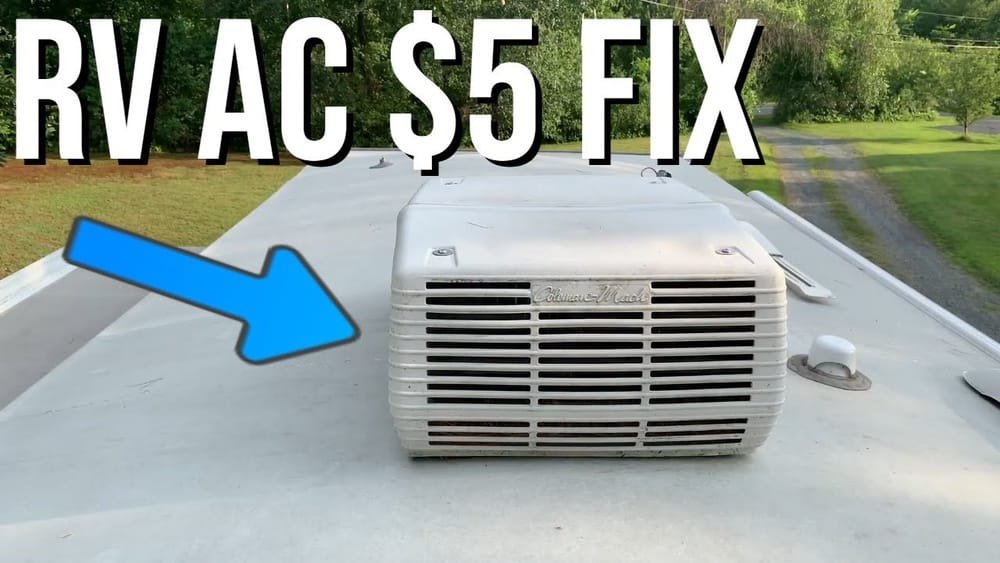
If you’ve ever been in a camper on a hot summer day, you know how important a working air conditioner is. I remember one trip, parked by a lake with my family, when our camper AC stopped blowing cold air. It was so hot inside, we couldn’t even sleep. I had to figure out the problem fast. If you’re in a similar situation, let me walk you through what I learned, what can go wrong, and how you can get your cool air back—without feeling lost or overwhelmed.
Common Reasons Camper Ac Stops Blowing Cold
When my camper AC failed, I started searching for answers. I found there are a few main reasons why this happens. Let me explain each one in plain English, using what I learned from my own experience.
1. Dirty Air Filter
This was the first thing I checked. The air filter collects dust, pet hair, and pollen. If it gets clogged, air can’t move through the unit, and the AC can’t cool.
I opened the vent and saw the filter was gray and packed with dirt. I washed it with warm water, let it dry, and put it back. Sometimes, you just need to replace it. After cleaning, my AC started blowing a little cooler, but not enough.
That told me there was more to the problem.
2. Low Refrigerant
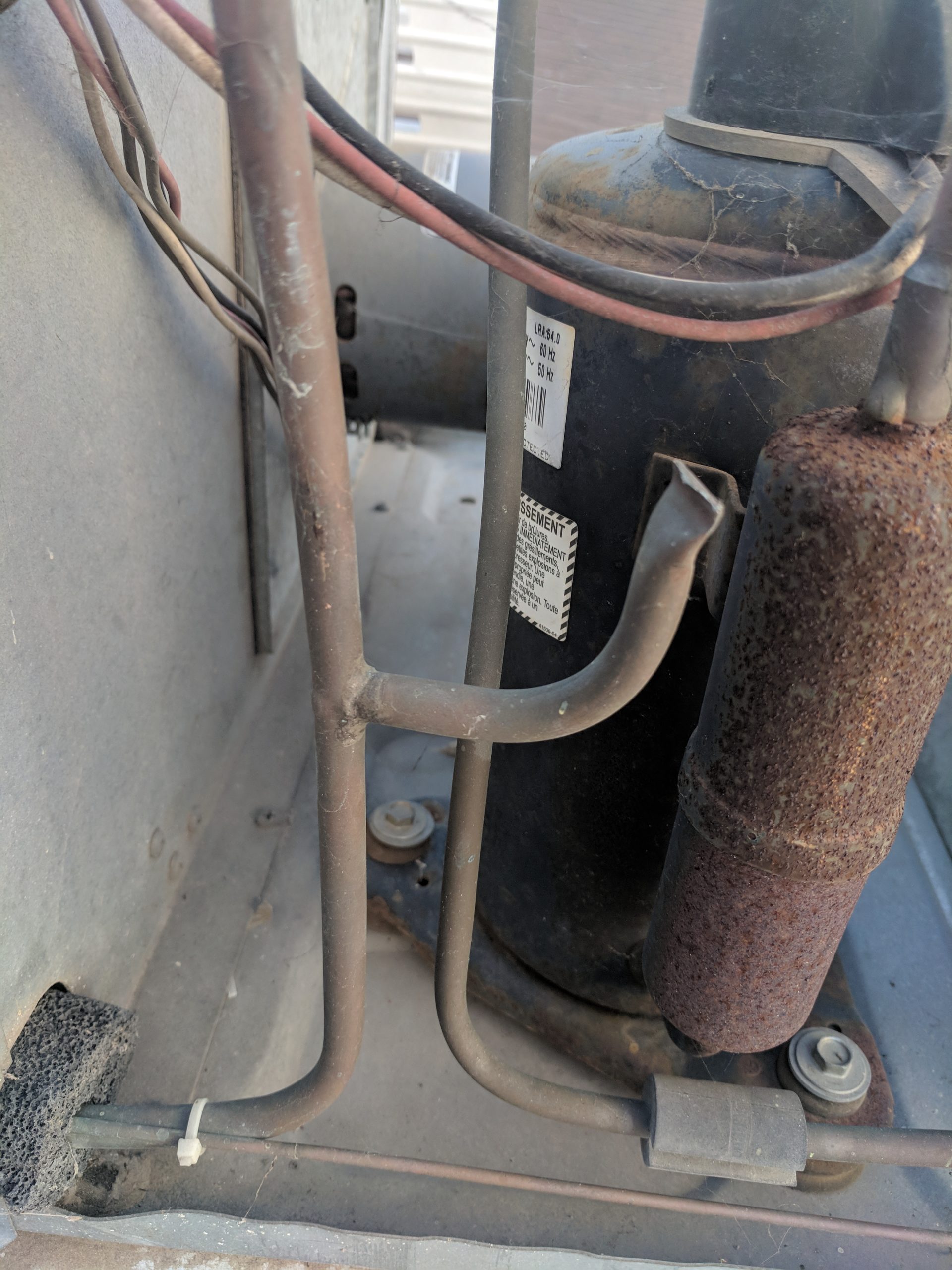
Just like a house AC, a camper AC uses refrigerant to cool the air. If there’s a leak or the level is low, it won’t cool well.
I’ll be honest, you usually need a pro to handle this, because refrigerant is not something you can just buy and add yourself. In my case, a tech found the refrigerant was low. He fixed a small leak and topped it off.
After that, the AC felt brand new.
3. Blocked Or Dirty Evaporator Coils
The evaporator coils are inside the AC. They can get covered in dust or mold, especially if you use your camper a lot.
I took off the cover and saw the coils were coated in grime. I used a soft brush and a special AC cleaner spray. It made a huge difference—cold air started coming back within minutes.
4. Faulty Thermostat
One time, my thermostat was set to “cool,” but the AC was only blowing warm air. I realized the thermostat was broken and not telling the AC to turn on the cooling mode.
I replaced the thermostat myself. It was a simple fix, but it took me a while to figure out that was the problem. If you have an older unit, this is something worth checking.
5. Tripped Circuit Breaker Or Blown Fuse
The AC uses a lot of power. If the circuit breaker trips or a fuse blows, the AC might still run the fan but not cool.
I found my breaker panel and saw one breaker was off. I flipped it back, and the AC started working again. Sometimes, it’s an easy fix!
6. Poor Power Supply
If you’re plugged into a campground with weak power, your AC may not get enough juice to work well. I remember one night when every RV had their AC running, and nobody’s unit was working right.
If you can, use a voltage meter to check the outlet. If the voltage is low (below 110V), the AC won’t cool well.
7. Blocked Vents Or Ducts
I once found a wasp nest in the outside vent! Sometimes, things like leaves, nests, or even insulation can block the air flow.
I checked all the vents and ducts with a flashlight. Clearing them out helped the air flow better.
8. Fan Problems
The fan motor can go bad or get stuck. One time, my AC fan was making a loud noise and barely spinning. I turned off the power, took off the cover, and found a small stick jammed in the blades!
After removing it, the fan spun freely and cold air returned.
9. Incorrect Thermostat Setting
It sounds silly, but sometimes the thermostat is set to “fan” or the temperature is set too high.
I once thought the AC was broken, but someone had set it to “fan only. ” Double-check your settings before you panic.
10. Old Or Failing Ac Unit
If your camper AC is over 10-15 years old, it might just be at the end of its life.
My neighbor’s AC just couldn’t keep up, no matter what we tried. Sometimes, replacement is the only answer.
How I Troubleshoot My Camper Ac
Over the years, I’ve made a habit of checking these things before calling a pro. Here’s my step-by-step approach.
- Check the filter: I clean or replace it every few months.
- Inspect power supply: I make sure my camper is getting enough voltage.
- Look at vents and ducts: I clear any blockages.
- Examine the thermostat: I make sure it’s set right and working.
- Listen for odd noises: Grinding or squealing can mean a bad fan or motor.
- Peek at coils: I clean them if they look dirty.
- Test the breaker: I reset it if it’s tripped.
- Call a pro if needed: For refrigerant or major electrical issues.
I learned the hard way—don’t skip steps, even the simple ones!
When To Call A Professional
Some problems need a trained technician. I tried fixing a refrigerant leak myself once and made things worse. Here’s when I always call for help:
- Refrigerant leaks or recharging
- Electrical issues I can’t see or understand
- Strange smells (can mean mold or burning wires)
- Major water leaks from the AC
- If I’ve checked everything and it’s still not cold
It’s safer and often cheaper to get it fixed right the first time.
How Camper Ac Differs From Home Ac
I didn’t realize at first, but RV air conditioners are not the same as home units. They use less power, often run on 120V, and are designed for small spaces. They also face more vibration and dust, since they move around.
Here’s a simple comparison I made for myself:
| Feature | Camper AC | Home AC |
|---|---|---|
| Power Supply | 120V (sometimes 12V/24V in small units) | 240V (usually) |
| Cooling Area | Small (100-400 sq ft) | Large (1000+ sq ft) |
| Maintenance Needs | High (dust, vibration) | Medium |
| Cost to Replace | $700 – $1500 | $3000 – $7000 |
This helped me understand why my camper AC sometimes feels weaker than my home unit.

Common Mistakes I’ve Made (and Seen)
Let me save you some trouble with mistakes I made in the past:
- Ignoring the filter: I used to forget to clean it, and the AC struggled.
- Not checking power: I once blamed the AC, but the campground had low voltage.
- Skipping small noises: A squeak turned into a big repair bill.
- Overloading the circuit: Running the microwave and AC at the same time tripped the breaker.
- Waiting too long to service: Small problems get worse fast. I now service the AC before every long trip.
How To Keep Your Camper Ac Cold
Here are my best tips from years of travel:
- Park in the shade: The less sun on your roof, the better.
- Use window covers: Reflective shades keep heat out.
- Run the AC early: Start cooling before the camper gets hot.
- Seal leaks: Make sure windows and doors are closed tight.
- Add a fan: A small fan helps move cold air around.
- Service yearly: I clean coils, check the filter, and test the unit every spring.
Even small steps help keep things cool.
What If Nothing Works?
Sometimes, the AC just can’t keep up—especially in extreme heat. Here’s what I do when all else fails:
- Use a portable AC: I bought a small portable unit for backup.
- Stay at campgrounds with shade and power: Avoid open, sunny spots.
- Plan activities for cooler times: We spend midday outside in the shade.
- Sleep with windows open at night: If it’s safe, this helps a lot.
It’s not perfect, but it keeps us from overheating.
Data: How Cold Should Camper Ac Blow?
Many people ask how cold the air should be. I measured mine with a thermometer.
| Setting | Expected Temperature (°F) | Room Temp (°F) | AC Output (°F) |
|---|---|---|---|
| High | 16-22 below room temp | 90 | 68-74 |
| Medium | 14-18 below room temp | 85 | 67-71 |
| Low | 12-16 below room temp | 80 | 66-70 |
If your AC is blowing air more than 20 degrees warmer than the room, something is wrong.

My Non-obvious Insights
After years on the road, here are two things most people miss:
- Humidity matters: High humidity makes the AC work harder. A small dehumidifier can make the camper feel cooler, even if the temperature doesn’t change much.
- AC location is key: If your AC is near the bathroom or kitchen, hot air from showers or cooking can make it seem like it’s not cooling. I try to cook outside when I can.
When Replacing The Ac Is The Only Option
Replacing the AC is expensive, but sometimes it’s the best choice. If your unit is noisy, smells bad, or just doesn’t cool after trying everything, it may be time. I replaced mine after 12 years, and the difference was huge.
The new unit was quieter, colder, and used less power.
If you’re unsure, ask a pro to check the compressor and coils. Sometimes, repairs cost almost as much as a new unit.
For more technical details about how RV AC units work, you can read this Wikipedia guide.
Frequently Asked Questions
Why Is My Camper Ac Running But Not Blowing Cold Air?
This usually means there’s a dirty filter, low refrigerant, or blocked coils. Check the simple things first before calling a pro.
How Often Should I Clean My Camper Ac Filter?
I clean mine every month during the summer, or after every long trip. If you travel in dusty areas, do it more often.
Can I Add Refrigerant To My Camper Ac Myself?
No, it’s best to let a pro handle refrigerant. It’s a sealed system, and DIY refills can be dangerous and illegal in some places.
Does Shade Really Make A Big Difference?
Yes! Parking in the shade can lower inside temps by 10-15 degrees. I always look for a shaded spot if possible.
How Long Does A Typical Camper Ac Last?
With good care, 10-15 years is normal. If you travel a lot or camp in harsh conditions, it might be less.
If your camper AC is not blowing cold, don’t panic. With some basic checks, regular maintenance, and a few smart habits, you can stay cool and enjoy your travels. I hope sharing my experiences helps you get back to enjoying the road—without sweating it out. Safe travels!
As an Amazon Associate, We earn from qualifying purchases